Astronomers say 'invisible' asteroids near Venus pose a 'real risk' of collision with Earth
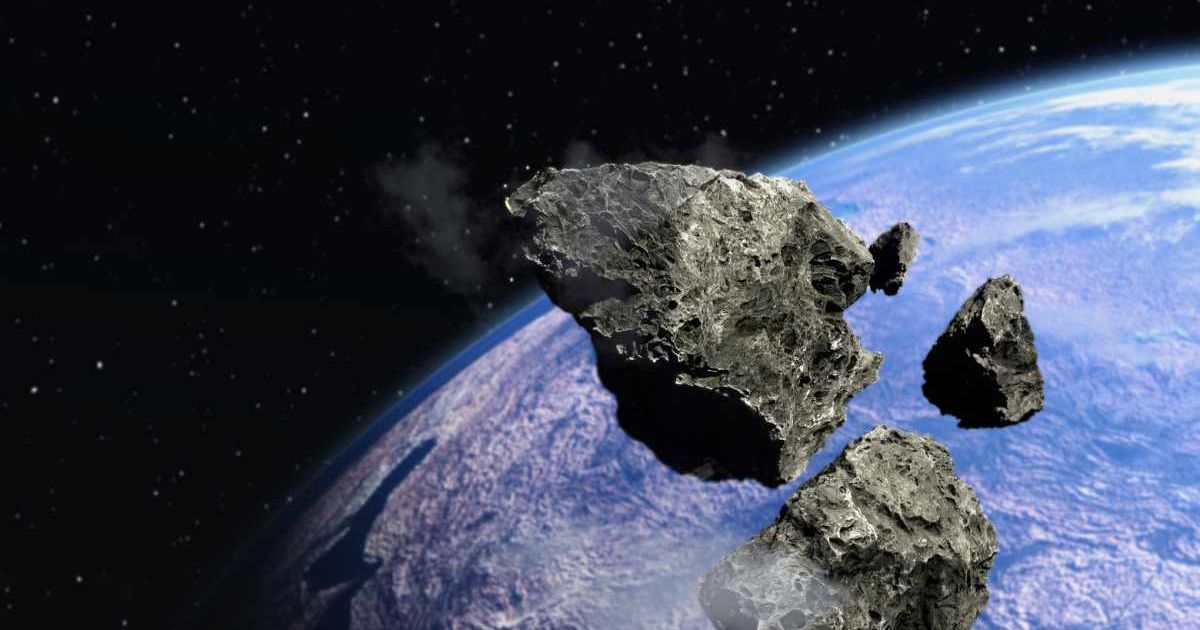
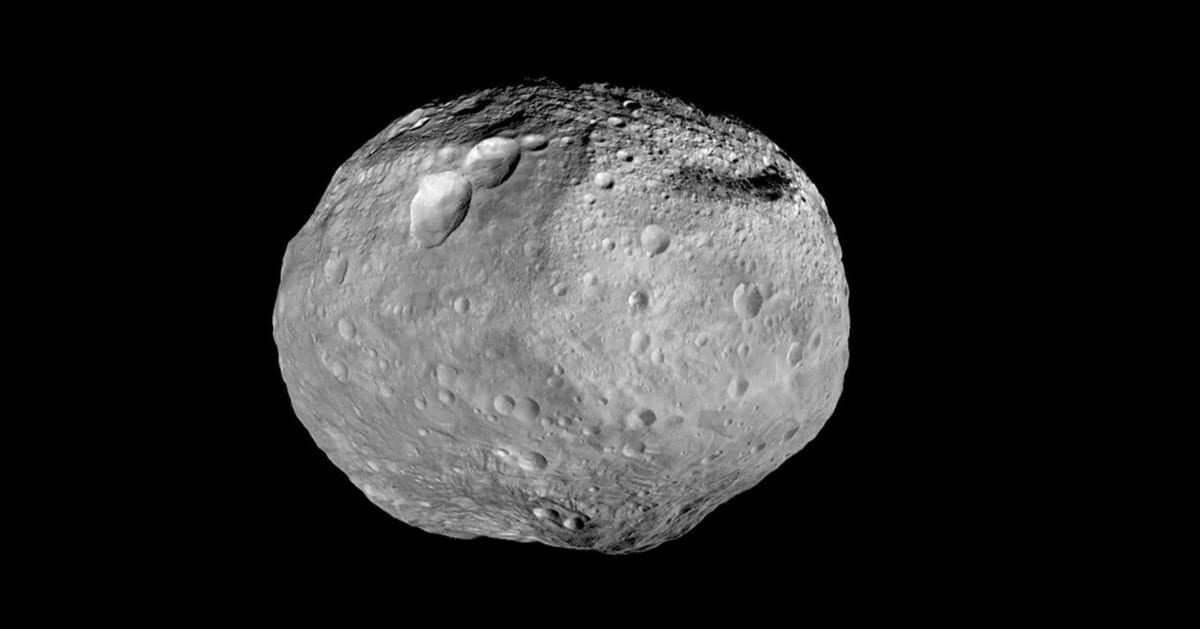
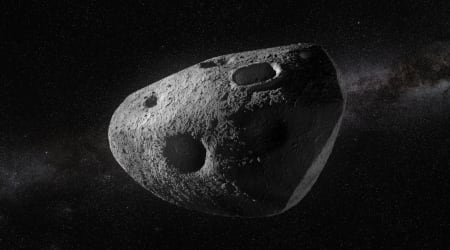
An international team of scientists has sounded the alarm on a hidden population of asteroids that could one day pose a catastrophic risk to Earth. These objects, which share Venus's orbit, are currently "invisible" to our most powerful telescopes due to their unique position and orbital paths, as per Eurasia Review.
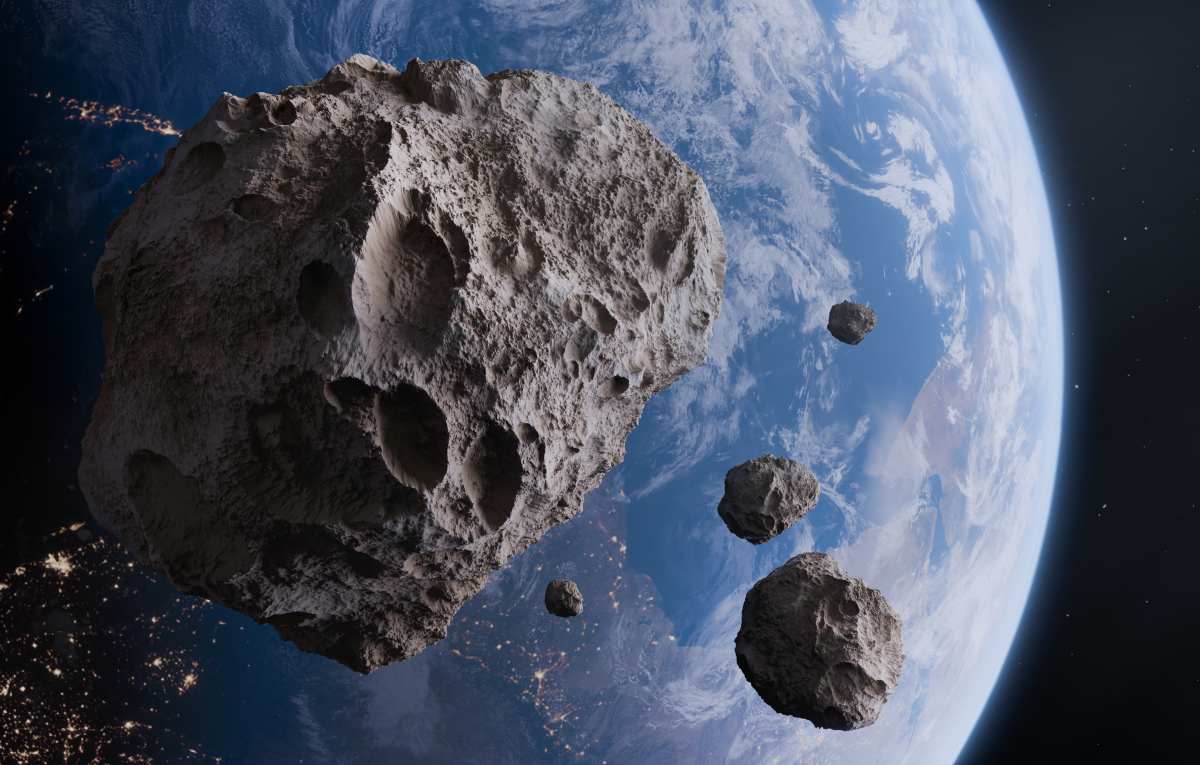
The study, led by astronomer Valerio Carruba of São Paulo State University, reveals a class of asteroids in a 1:1 orbital resonance with Venus, meaning they complete a revolution around the sun in the same time as our neighboring planet. Unlike the well-documented asteroids in the Main Belt between Mars and Jupiter, these "Venusian co-orbitals" are extremely difficult to detect. Their orbits are often low in eccentricity, keeping them close to the sun, where they are obscured by its glare from Earth-based observatories.
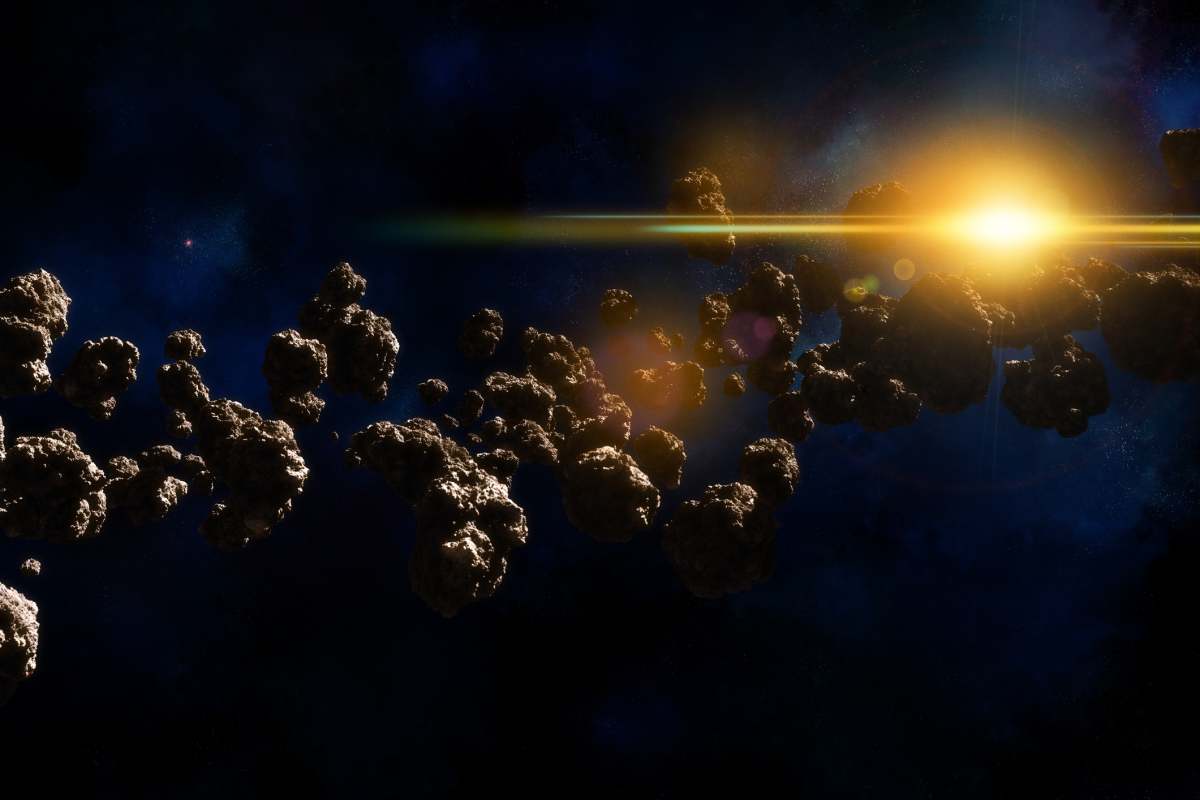
The danger, according to the research published in Astronomy & Astrophysics, lies in the dynamic nature of these asteroids. While they may be stable in Venus's orbit for extended periods, they are known to undergo chaotic transitions. During these phases, which occur roughly every 12,000 years, their orbits can shift dramatically, bringing them perilously close to Earth.
The study's simulations show that some of these objects could come within a statistically tiny distance of our planet, leading to potential impacts on a millennial timescale. An asteroid just 300 meters in diameter could create a massive crater and release the energy equivalent of hundreds of megatons, capable of devastating a major city. Carruba warns that "during these transition phases, the asteroids can reach extremely small distances from Earth’s orbit, potentially crossing it." He also notes that "asteroids about 300 meters in diameter, which could form craters 3 to 4.5 kilometers wide and release energy equivalent to hundreds of megatons, may be hidden in this population. An impact in a densely populated area would cause large-scale devastation.”
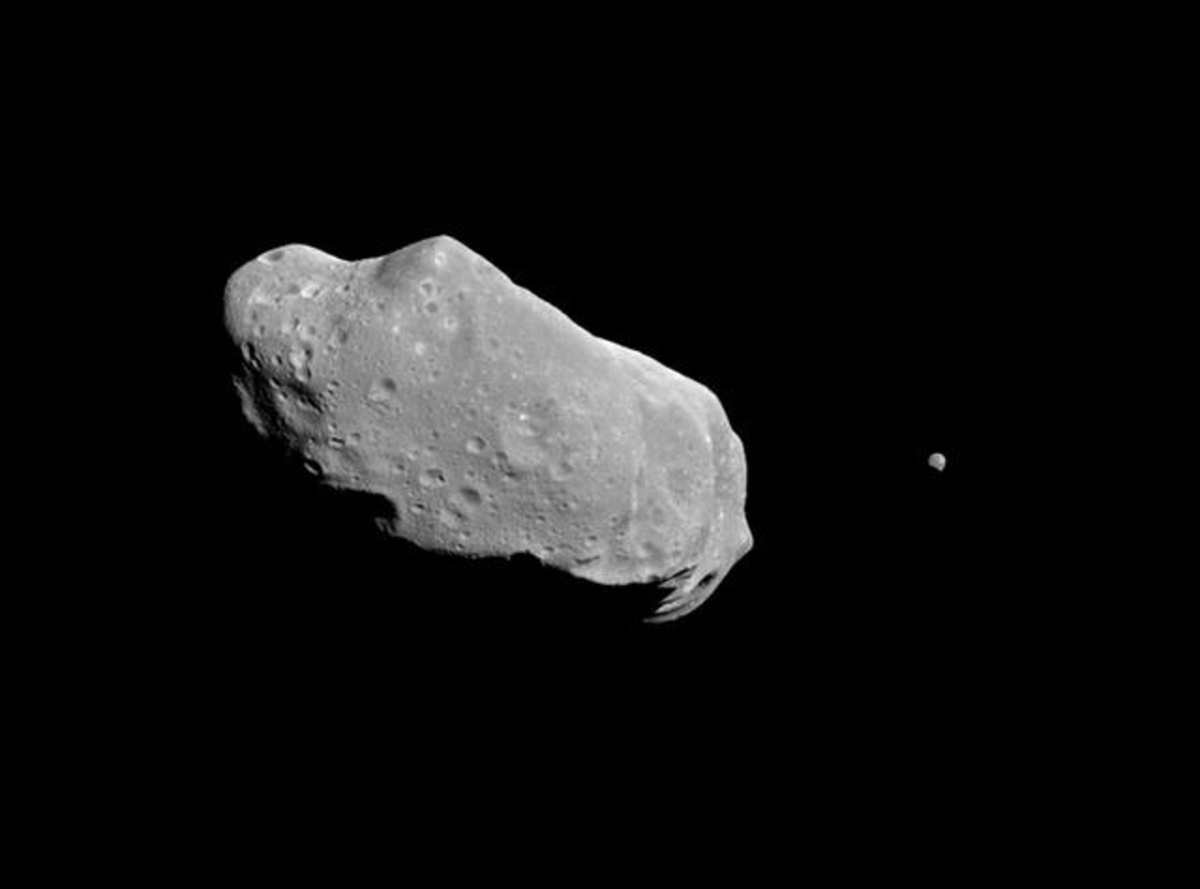
Current asteroid defense systems, including new observatories like the Vera Rubin Observatory in Chile, are ill-equipped to track these stealthy threats. The study found that even the brightest of these asteroids would only be visible for a few weeks at a time, with long periods of invisibility in between. “Such asteroids can remain invisible for months or years and appear for only a few days under very specific conditions. This makes them effectively undetectable with Vera Rubin’s regular programs,” Carruba reveals, as mentioned by the outlet.

The solution, Carruba suggests, may require a new approach. He points to missions like NASA's Neo Surveyor, which could use space-based telescopes to scan regions of the sky closer to the sun. “Planetary defense needs to consider not only what we can see, but also what we can’t yet see,” Carruba stated. The findings underscore a critical gap in our current planetary defense strategy and the urgent need for new methods to detect and track these elusive objects.
More on Starlust
A 'quasi-moon' asteroid has been orbiting Earth for 60 years—and scientists are just finding out
'God of Chaos' asteroid would be visible to the naked eye in a once-in-a-millennium celestial event
Giant asteroid 2025 RL2 to make closest approach to Earth this week—when and how to watch