Dead stars, big appetites: Scientists gain new insights into how white dwarfs devour metals
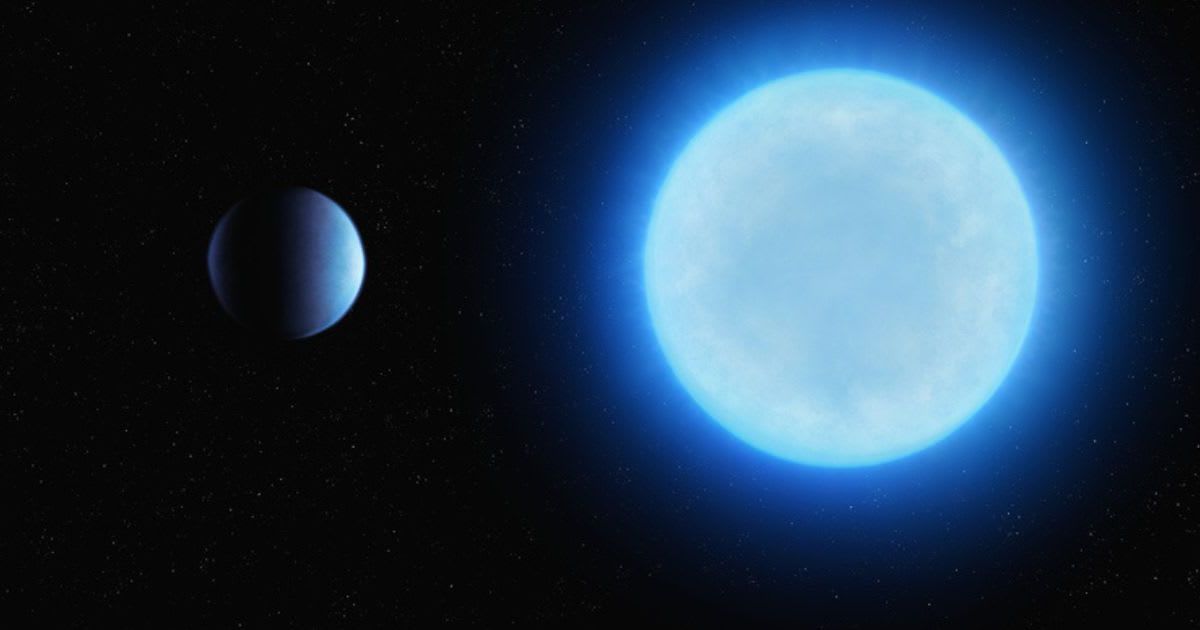
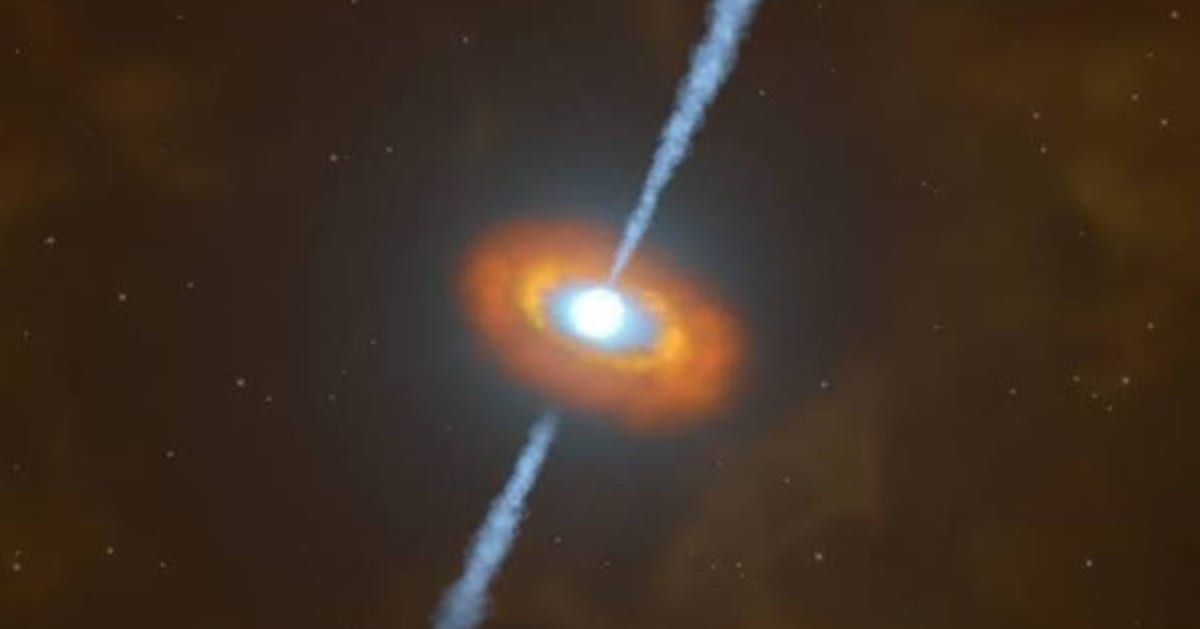
By the end of their lives, Sun-like stars don’t just die—they shed their outer layers and continue to glow like a dying ember. The nuclear fusion that powers such stars stops, but these remnant cores, known as white dwarfs, still devour matter from passing comets, asteroids, and even planets. Now, modeling such eating habits, a team of astronomers has shown that on magnetic white dwarfs, ingested matter—particularly heavy metals—sinks and accumulates into narrow regions on the stars' surface. The researchers, from the University of Michigan and the University of Colorado Boulder, have described their findings in a paper soon to be published in The Astrophysical Journal, which is currently available on the arXiv preprint server.
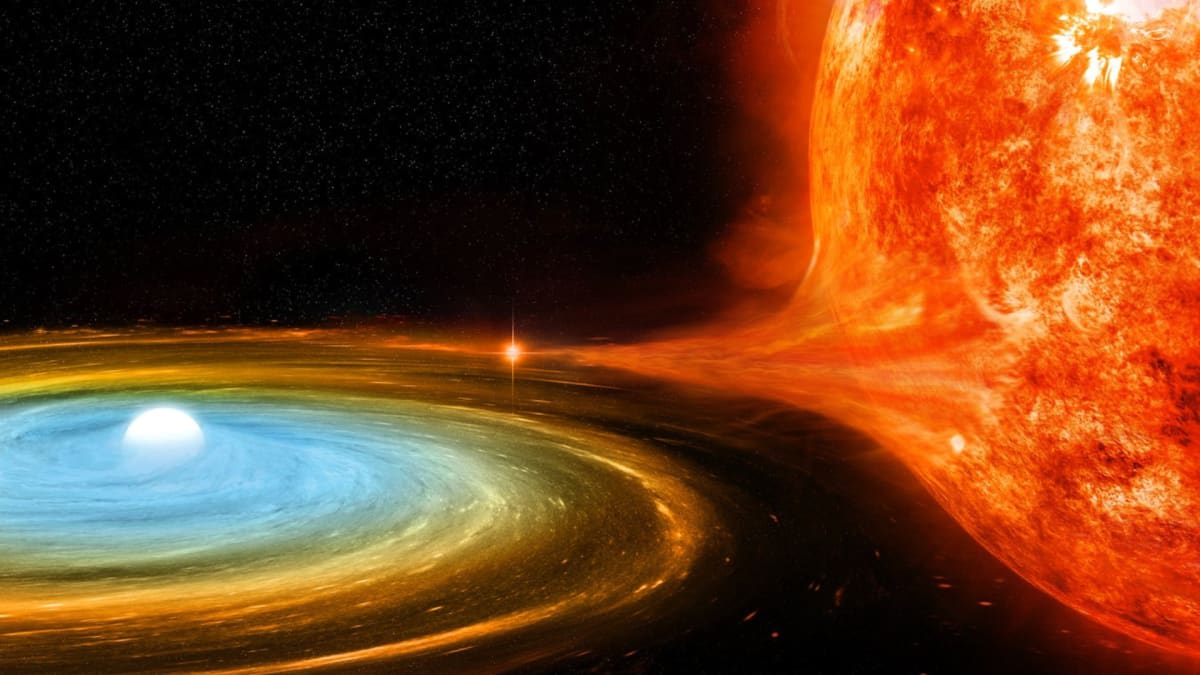
Stars peter out when they run out of fuel. While massive stars die through violent explosions known as supernovae, smaller ones embrace death silently by shedding their outer layers. Nearly 97% of stars in the Milky Way die in this fashion, and their remaining cores become white dwarfs, cramming masses comparable to that of the Sun into a volume about the size of Earth. Although white dwarfs are dim, but their glow can be spotted by telescopes and spectrometers. But how do astronomers detect what they eat? The metals that fall into white dwarfs create detectable signatures, a phenomenon dubbed 'white dwarf pollution'. Because metals are heavy, they easily sink deep into the ultra-dense dead stars before astronomers can catch a glimpse of them. Yet, despite this difficulty, pollution has been detected in about 50% of known white dwarfs.
"This means that there may be significantly more pollution on white dwarfs than we have measured so far, and that the remnants of planetary systems may be even more common around these dead stars," said Aster Taylor, a Fannie and John Hertz Fellow in the U-M Department of Astronomy, in a statement. "And this is telling us that planetary systems are still pretty active even after the death of their host star." Dead stars such as white dwarfs don’t just eat metals; they probably gulp them down voraciously, the new model developed by the researchers suggests. They also suspected a driving force to be behind this phenomenon.

To find out, the researchers checked whether the magnetic field of a white dwarf has any influence on pollution, and found that they funnel pollution into two small areas around the white dwarf’s magnetic poles. "It's actually a very similar process to auroras on Earth. The sun sends charged particles to Earth, they follow Earth's magnetic field lines, and then they make a spot on Earth's atmosphere, which is the aurora," said first author Dang Pham at the University of Colorado Boulder. "With the white dwarf, instead of materials coming from the sun, you get materials from the planetary system. But we're basically calculating the size of auroras on the white dwarfs, which I think is a very cool thing."

Because the metals accumulate on two small spots rather than spreading out evenly over the entire surface as previous models had assumed, current measurements of pollution might not tell the whole truth. While only one or two such stars on record have definitively shown this "spotty" pollution, the model suggests a startling conclusion for magnetic white dwarfs. To sustain the observed flow of metals into these concentrated polar spots, the researchers estimate that roughly 100 times more material is needed than previously calculated. Despite being dim and abundant, white dwarfs may be among the most exciting objects to study in the universe.
More on Starlust:
Four dead stars discovered not too far from Earth stun scientists
NASA's Hubble reveals star formation has been slowing down in the Andromeda galaxy