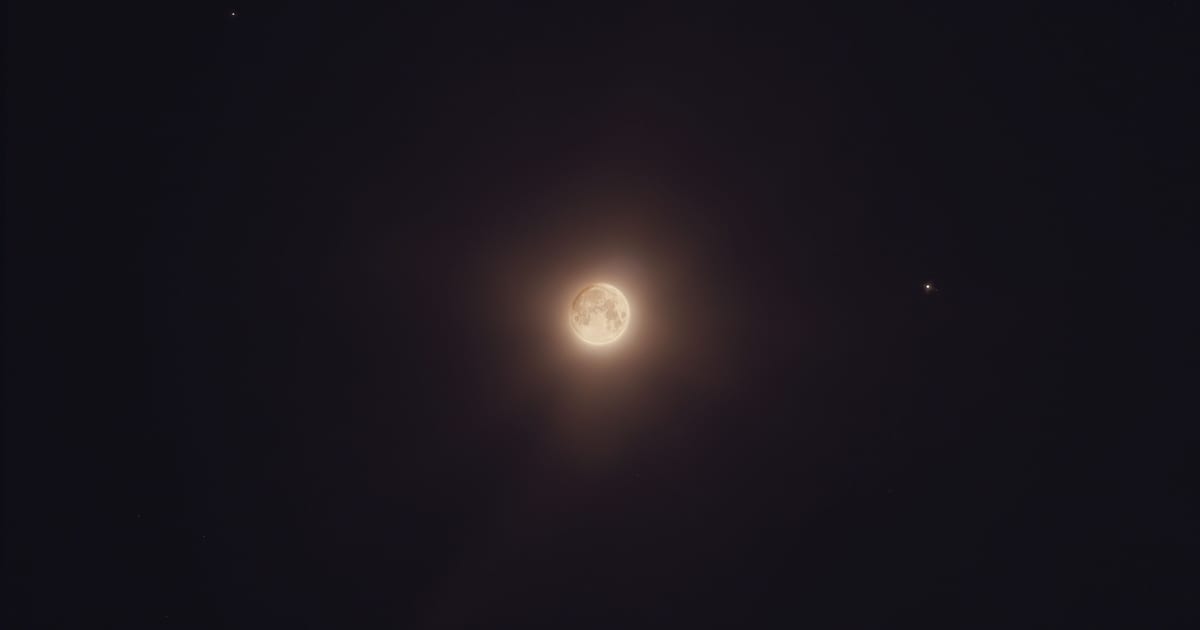
'God of Chaos' asteroid would be visible to the naked eye in a once-in-a-millennium celestial event
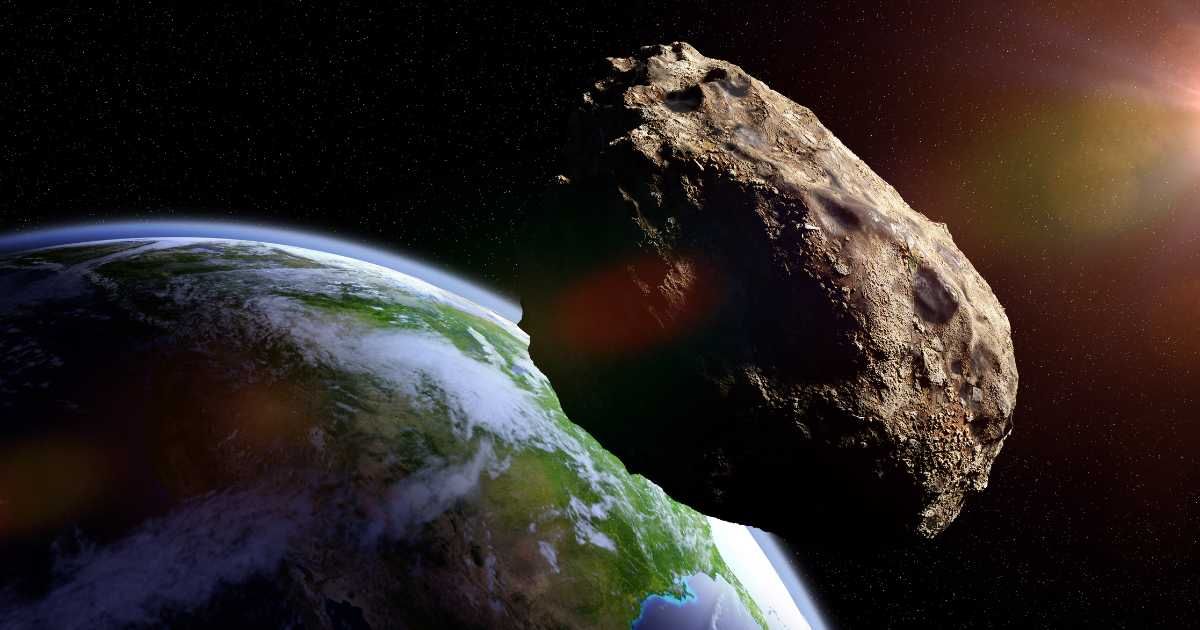
A monumental celestial event is on the horizon, as the asteroid 99942 Apophis, once dubbed the "God of Chaos," is set to make a historic flyby of Earth on April 13, 2029. This close approach, visible to the unaided eye for billions of people, marks a rare spectacle that hasn't occurred in millennia, according to Live Science.
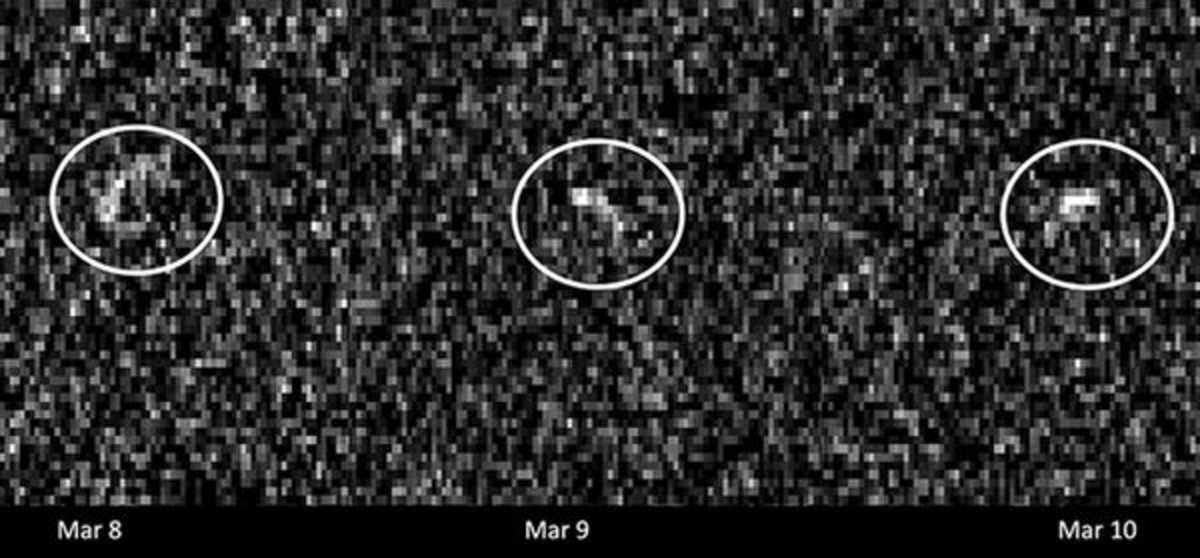
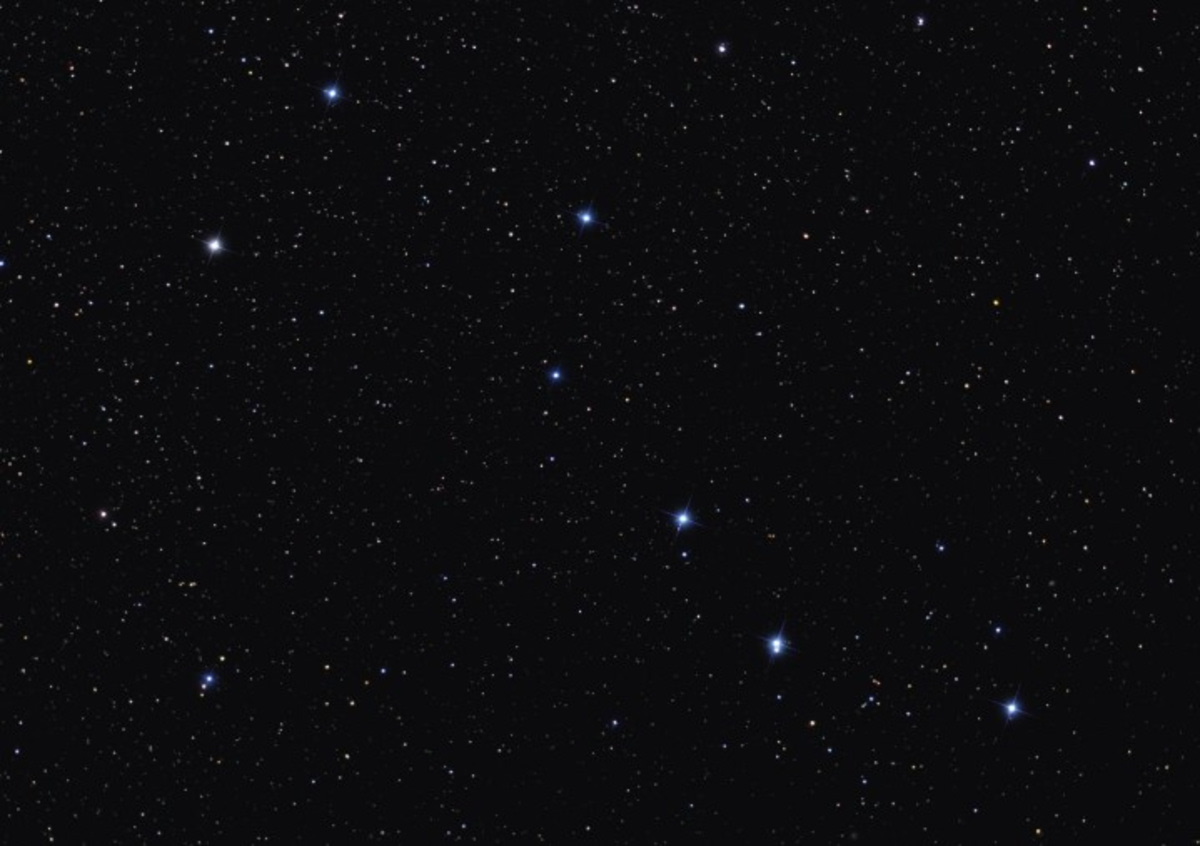
Scientists estimate that an asteroid of this magnitude, approximately 1,100 feet wide, or the height of the Eiffel Tower, makes a pass this close only once every 7,500 years. The event is a unique opportunity for both the public and the scientific community. For observers in Africa and Western Europe, the asteroid will appear as a moving speck of light, akin to a star in the Big Dipper, as it glides through the night sky.
According to Richard Binzel, a professor of planetary sciences at MIT, this is the first time in recorded history that a potentially hazardous asteroid will be visible to the naked eye. While the public can look forward to a once-in-a-lifetime show, astronomers are preparing for a groundbreaking natural experiment. Apophis will pass just 18,600 miles above Earth's surface, closer than many orbiting satellites. This proximity will allow scientists to observe in real-time how our planet's immense gravitational pull reshapes the asteroid. The encounter is expected to alter Apophis's orbit and rotation, potentially sending it into a new tumbling state. Binzel emphasized that while Earth will be largely unaffected, the asteroid itself will undergo a significant transformation.
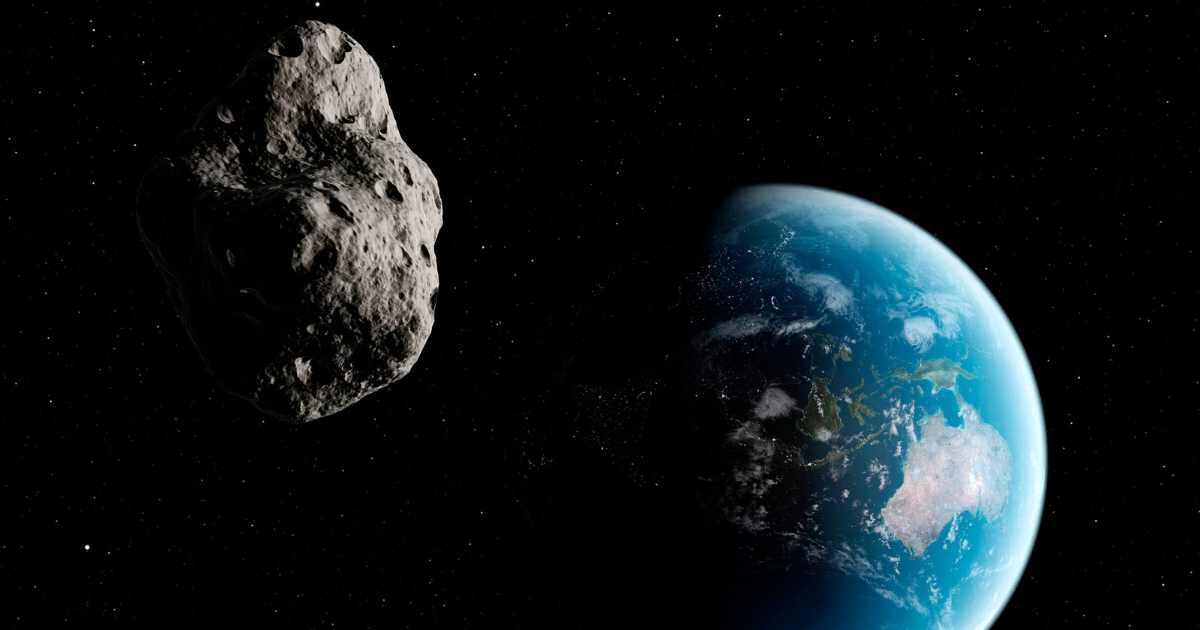
When Apophis was first discovered in 2004, early calculations raised alarms, suggesting a 2.7% chance of a collision with Earth in 2029. This potential threat earned the asteroid its dramatic name, inspired by the Egyptian god of the underworld. However, two decades of relentless tracking and observation have since eliminated this concern. Scientists have confirmed with near-certainty that Apophis poses no threat for at least the next 100 years.
Despite being deemed safe, the asteroid remains a critical subject for planetary defense. NASA's OSIRIS-REx spacecraft, now renamed OSIRIS-APEX, has been repurposed for a new mission to rendezvous with Apophis. The probe will monitor the asteroid's every move, mapping its surface and measuring how it is altered by Earth's gravity. The European Space Agency (ESA) is also considering the RAMSES mission, which would involve a spacecraft flying as close as 3 miles to the asteroid to study its seismic properties.
Scientists like Tom Statler from NASA headquarters underscore that while Apophis is not an emergency, it is an unprecedented opportunity to understand asteroids and refine the models that would be crucial for deflecting a future hazardous object. The event is a crucial step in preparing for the rare-but-real risk of an asteroid impact.
In a new development, the scientific community is pressuring NASA to accelerate plans for a mission to the asteroid Apophis. A recent workshop, held in Tokyo in April 2025, produced recommendations urging the agency to repurpose two small satellites to study the asteroid ahead of its 2029 close flyby. This mission would provide a unique opportunity to gather critical data before Apophis's trajectory and physical properties are altered by Earth's gravitational pull.
More on Starlust
Scientists urge NASA to repurpose twin Janus satellites for critical Apophis pre-flyby mission