Supermassive black hole winds are 100 times stronger than thought, traveling 300,000 light-years
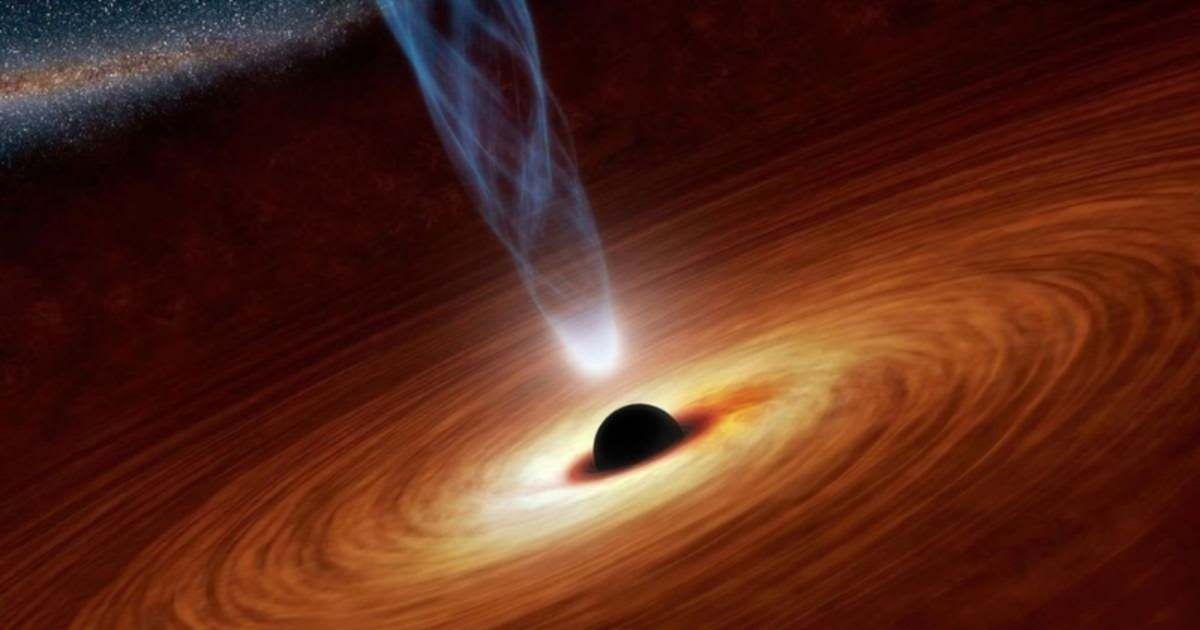
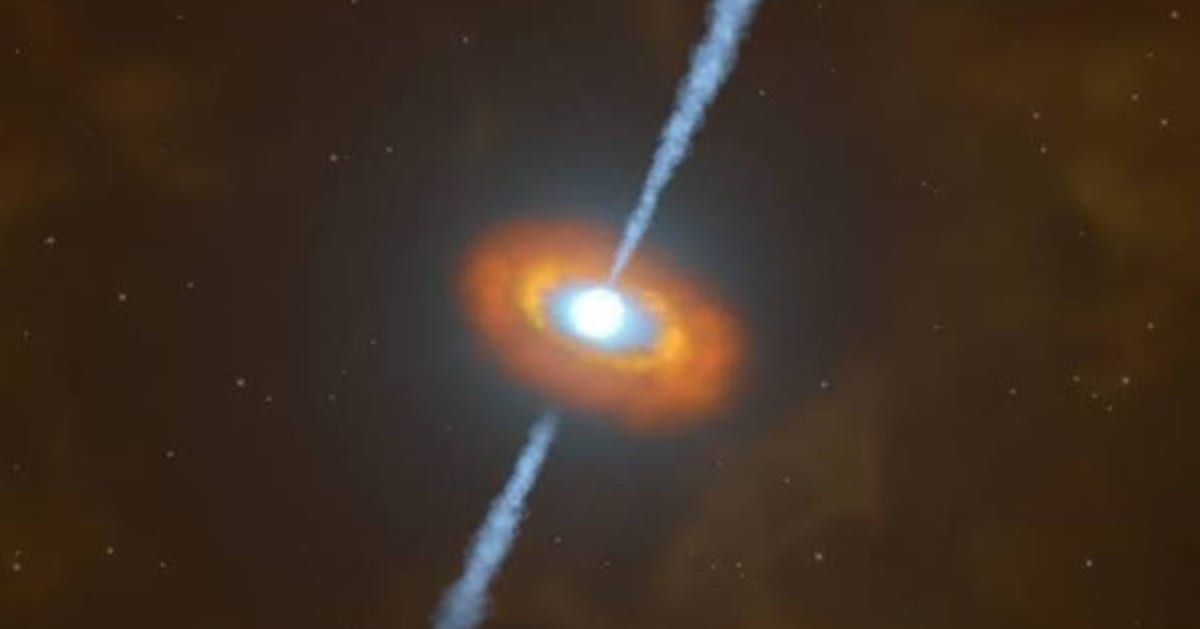
A new study, published in Nature Astronomy, has revealed that supermassive black holes generate winds that are 100 times more powerful than previously thought. Led by Satoshi Yamada, an assistant professor at the Tohoku University Frontier Institute for Interdisciplinary Sciences (FRIS), the study detected evidence that the winds from supermassive black holes can spread out across distances of about 300,000 light-years, going well beyond the galaxies they inhabit.
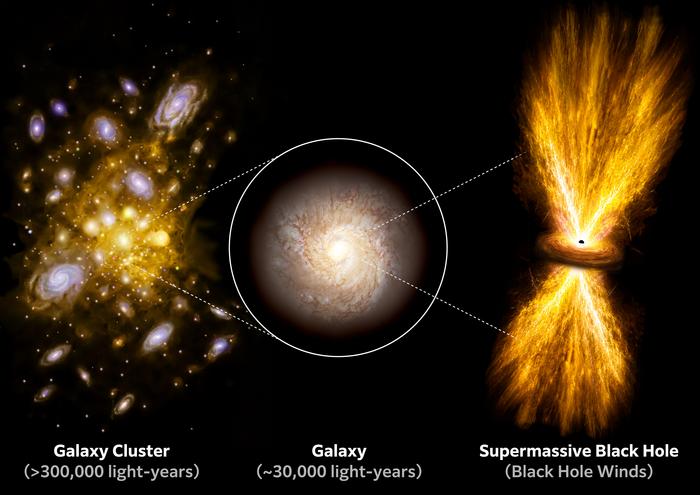
Astronomers have long known that black holes suck in matter by shredding a passing star, and even light cannot escape from their immense gravity, "but they also eject gas in the form of powerful winds," Yamada said in a statement. "These winds were thought to be contained within the galaxy, but our study revealed that the force is immensely more powerful than previously understood."
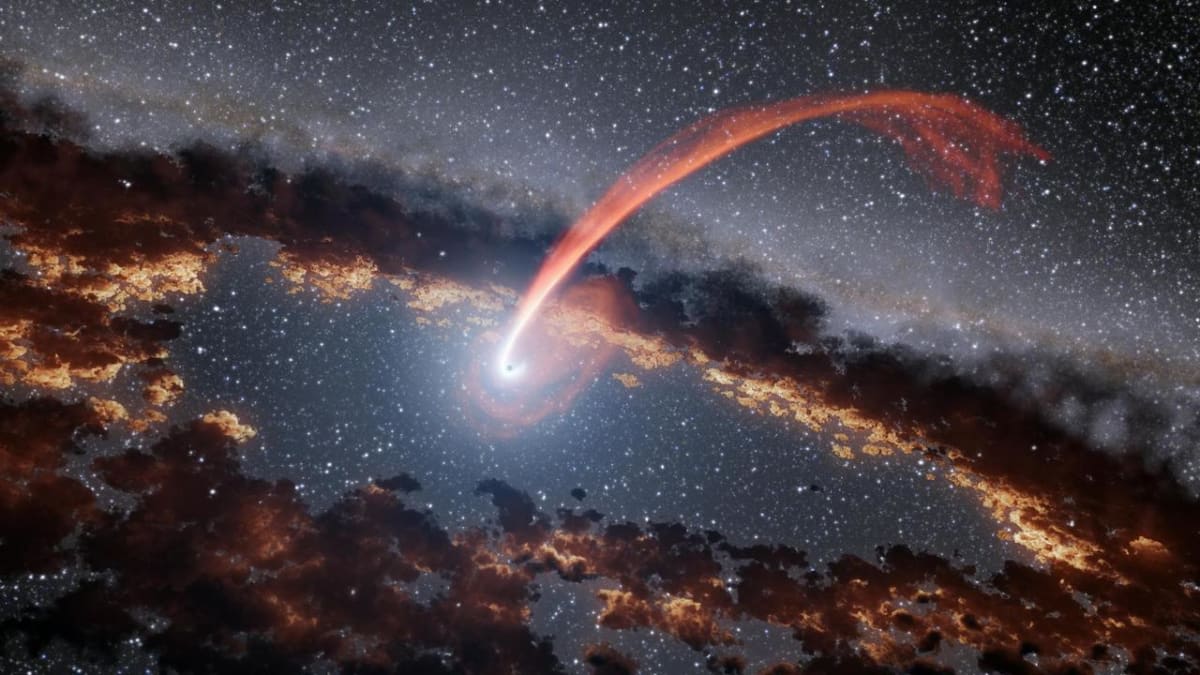
For the study, Yamada and his colleagues from Kanazawa University and Tokyo Metropolitan University looked into quasars, supermassive black hole-powered objects that are known to be 10 to 100,000 times brighter than our Milky Way galaxy. They used the X-ray astronomy satellite XRISM to focus on the constellation of Draco, where they homed in on the quasar H1821+643, lying 3.4 billion light-years from Earth.
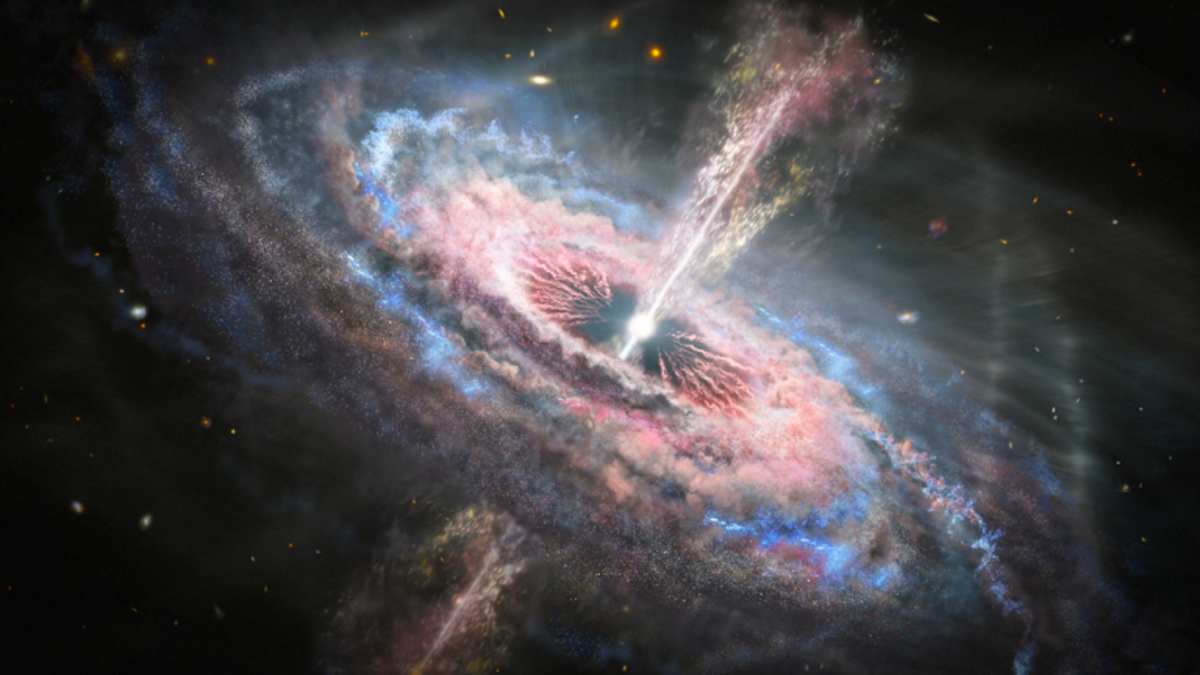
After keenly observing the quasar, they realized that there is a rapidly growing black hole residing at the heart of the galaxy cluster. The invisible monster has been found to create turbulence in the surrounding hot gas that gives off X-rays. The researchers then probed the spectral lines or light emitted by iron ions, helping them to meticulously determine the motion of the gas. Observations by the XRISM revealed that the gas hovering around the black hole is not stuck in space. Instead, it is being dispersed across vast distances, even well beyond the limits of the host galaxy, due to turbulence. In fact, the turbulence driving out the gas is 100 times more powerful than previous estimates suggested, containing energy equivalent to several billion supernova explosions with which stars end their lives.
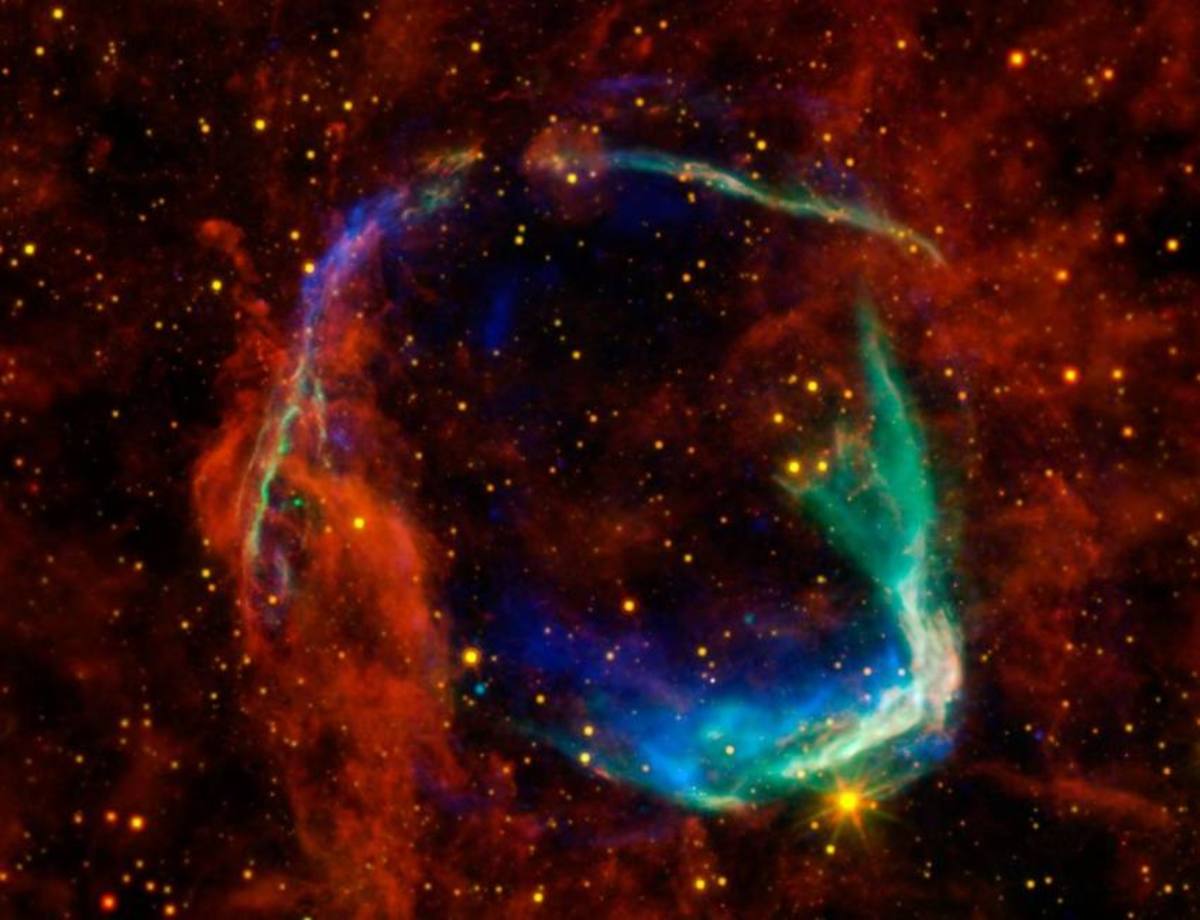
"For the first time, we have shown that black holes influence the broader cosmic environment through a shock wave of astonishing power," added Yamada. "Black holes are key drivers of gas flows and motion in space, transporting vast amounts of energy to different regions of the cosmos." More observations locating such phenomena of turbulence-driven winds around black holes may reveal their roles in the circulation of matter and elements across the universe.
More on Starlust
Astronomers have found the first ever 'wandering' supermassive black hole at the edge of a galaxy
NASA's Hubble and Webb spot the first of a star cluster's 10,000 missing black holes