Here's how to spot Comet SWAN (C/2025 R2) in the night sky from now until October 20
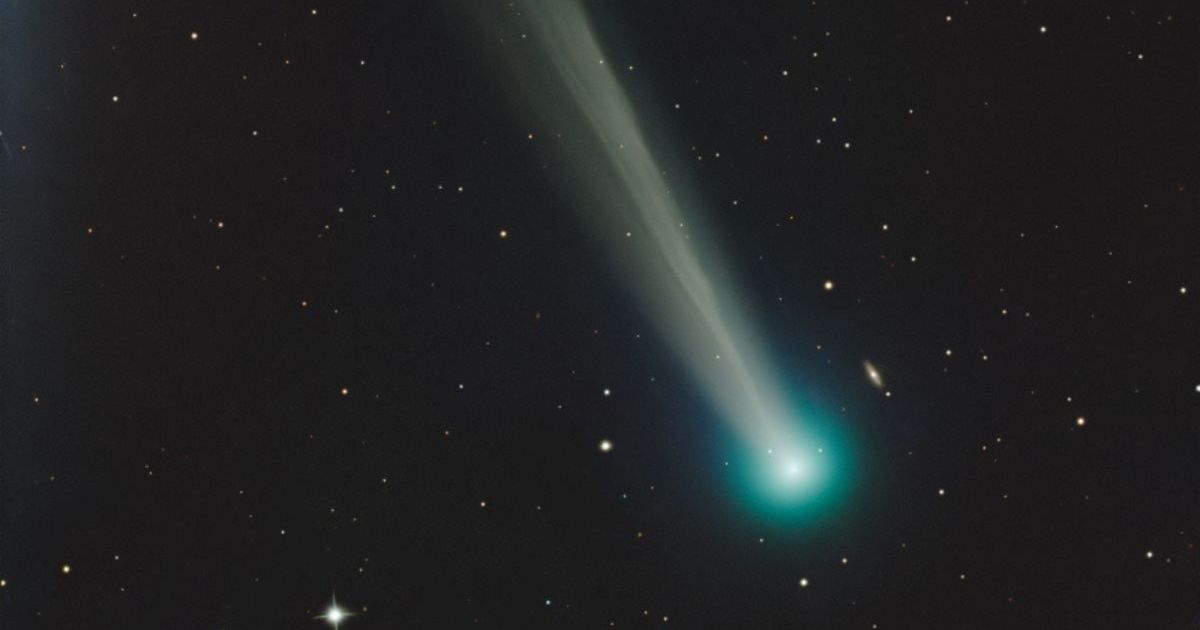
A cosmic wanderer, designated comet C/2025 R2 (SWAN) by the International Astronomical Union, was spotted on September 11, 2025. It was spotted a day before it reached perihelion, the closest to the sun, post which, its brightness continued to increase. The greenish coma and tail were confirmed by images from the SOHO spacecraft’s SWAN camera, according to EarthSky. It lies 6.5 light-minutes from planet Earth and was still at a brightness magnitude of around 7 on September 19. The next amicable opportunity to witness the comet would be on October 2, 2025.
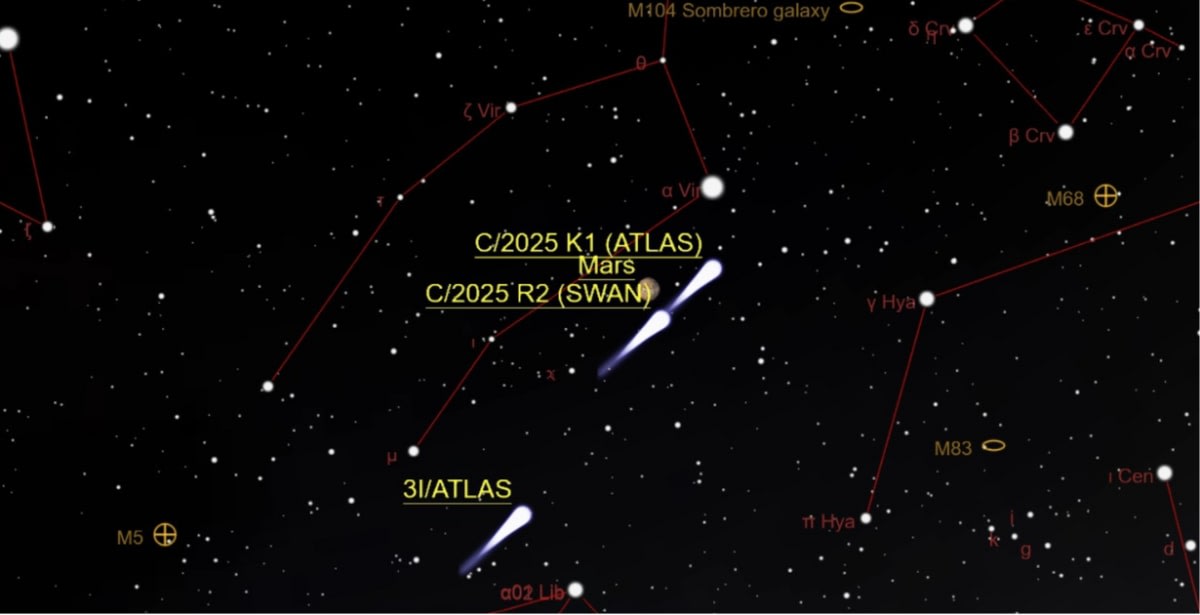
The comet is in the constellation of Virgo, and on the next opportunity, comet SWAN will pass near Zubenelgenubi, the alpha star of Libra. This will be the perfect opportunity to use the bright star as a guide to locate the fainter comet. The comet will be visible near the western horizon after sunset and will be more visible in binoculars from the southern hemisphere. According to Astronomy Picture of the Day, comet SWAN is scheduled to be at its closest approach to Earth around October 20, 2025, when the comet will be at its brightest and most visible.
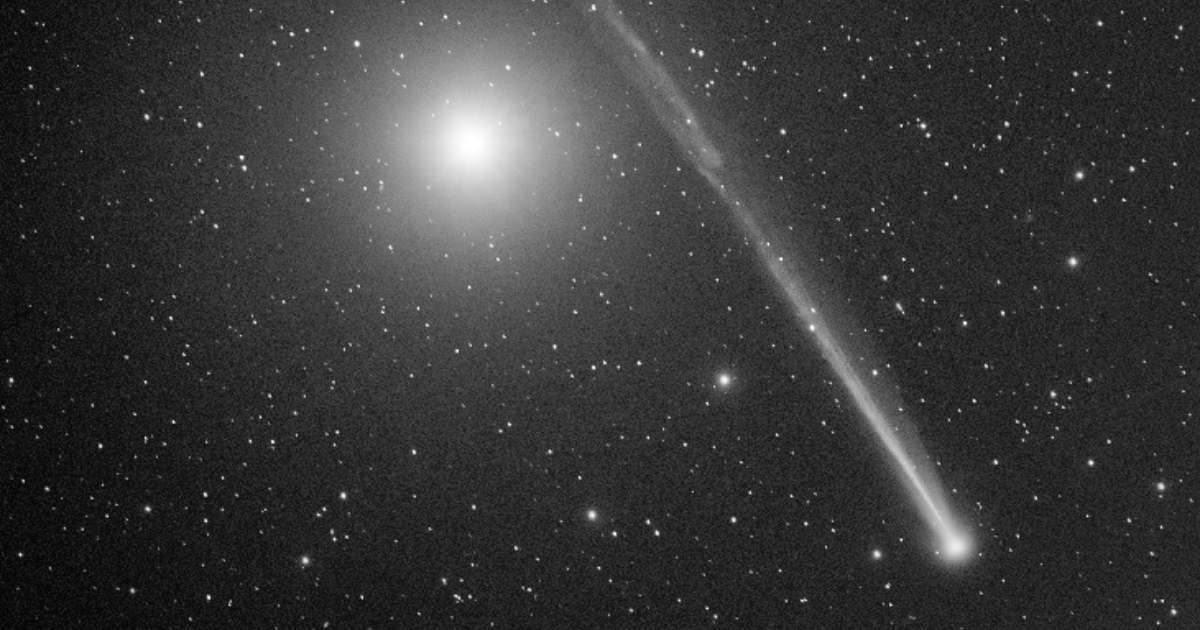
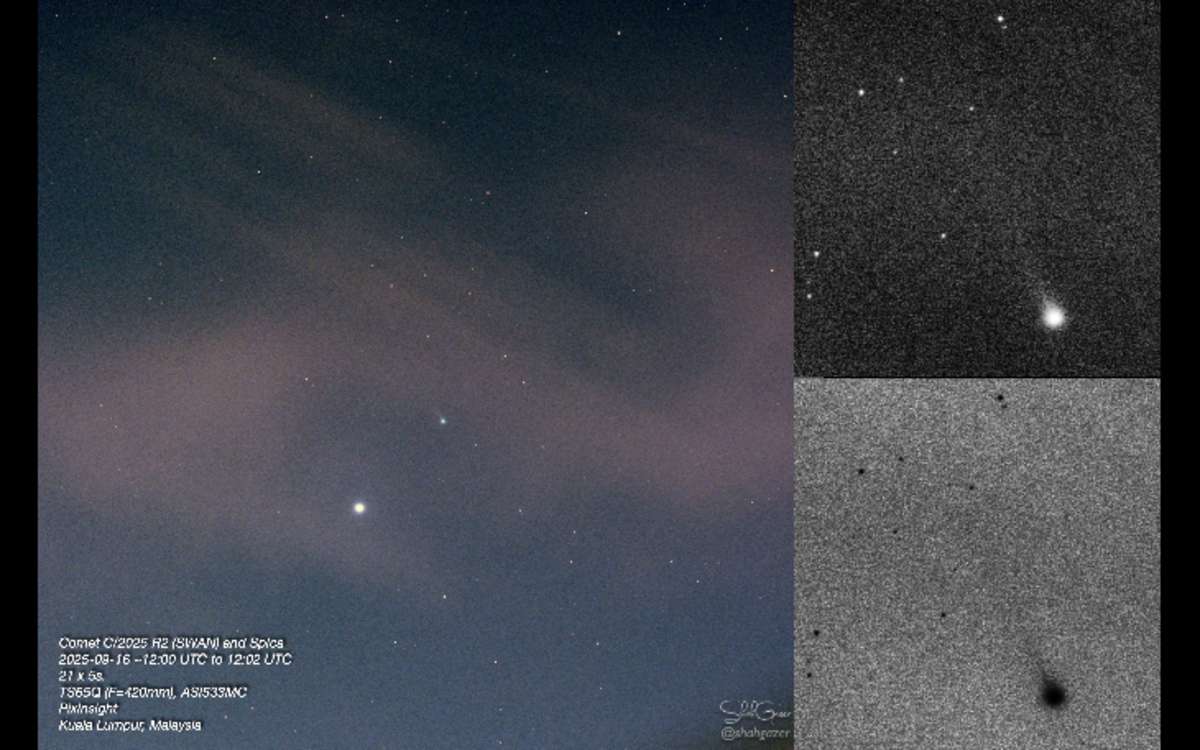
The SOHO spacecraft is set up to monitor the sun, and the SWAN’s capture of the comet was initially spotted in images by Ukrainian astronomer Vladimir Bezugly. The comet flew past the red planet Mars and the bright blue-white star Spica in the Virgo constellation recently. It is expected to cross into Libra on September 28, 2025, and Scorpius on October 10, 2025, as per EarthSky. The comet is expected to appear near another bright star around October 9-10, which is Beta Librae, also known as Zubeneschamali.
A new visitor from the outer Solar System, comet C/2025 R2 (SWAN) also known as SWAN25B was only discovered late last week, on September 11. That's just a day before the comet reached perihelion, its closest approach to the Sun. First spotted by Vladimir Bezugly in images from… pic.twitter.com/yQN0k5Cvmh
— Astronomy Picture of the Day (@apod) September 20, 2025
Several tracking have been done to keep the comet SWAN in check, with The Sky Live keeping a real-time reference. Astronomers and skygazers can refer to the website to understand more about the comet’s trajectory and the numbers that govern its path. The close proximity to both the Sun and Earth might provide a beautiful sight for us in the sky. However, its brightness cannot be predicted, given the erratic nature of comets. The preliminary estimates hinted at a 5.8 magnitude in brightness at the peak; given a current magnitude of 7, the numbers are debatable.
A newly discovered comet is already visible with binoculars. The comet, C/2025 R2 (SWAN) and nicknamed SWAN25B, is brightening significantly as it emerges from the Sun's direction and might soon become visible on your smartphone -- if not your eyes. Although the brightnesses of… pic.twitter.com/olCjX0eiQI
— Astronomy Picture of the Day (@apod) September 17, 2025
Interactive star maps have shown that comet SWAN is positioned in the constellation of Virgo on September 22, 2025. With predictions on the trajectory indicating new locations, further data on its trajectory is being closely worked on. NASA/JPL traced the orbit of the comet, indicating that it completes an orbit around the sun every 22,554 years. Once the comet passes through this parade in the sky, it will only return in the year 24,579. Experts and enthusiasts from Mexico, Arizona, and Australia have reported faint captures of the comet.
Comet SWAN is a beautiful reflection of the dynamic and vast nature of the universe that harbors various unique elements. From hiding near the Sun’s brightness to slowly emerging into our line of sight, it will be a remarkable event to keep track of. This comet gives us an opportunity to explore the rare gems originating in space and record once-in-a-lifetime events. From discovery to its expected peak on October 20, 2025, people of Earth have a front-row seat to the amazing spectacle that will grace our night skies. This is your chance to get those binoculars ready.
More on Starlust
How to spot 'swan-shaped' Cygnus constellation in the September night sky
Halley's Comet will return in 2061—for 1980s kids, it will be a full-circle moment