NASA's Hubble reveals star formation has been slowing down in the Andromeda galaxy
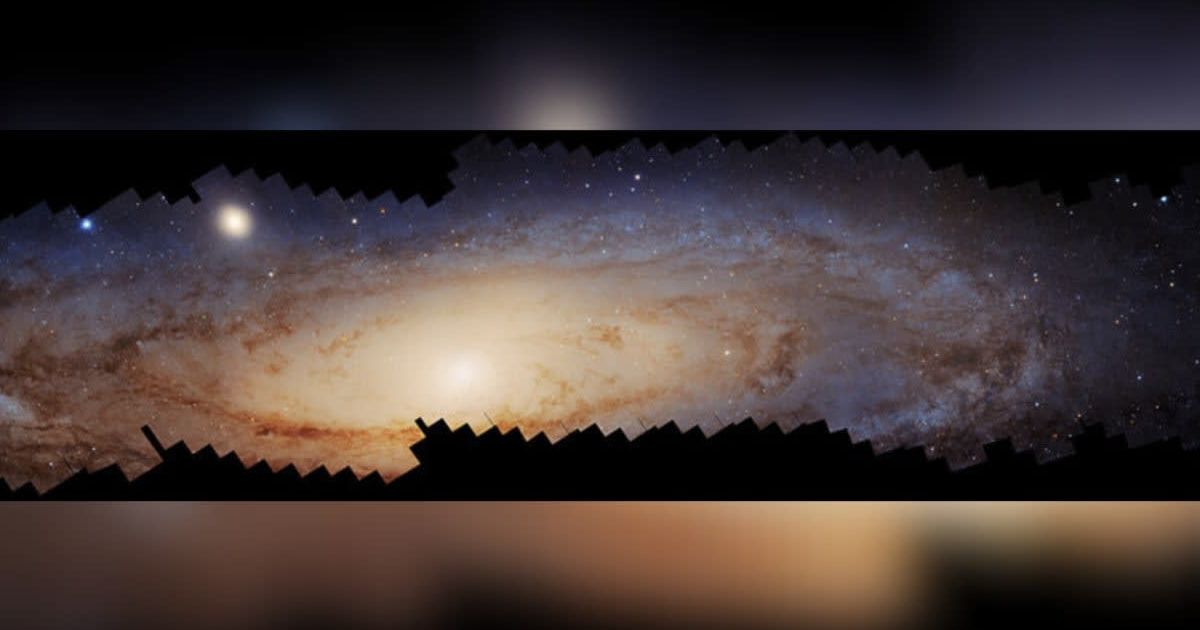
A new study has discovered that star formation in the Andromeda galaxy, located just 2.5 million light-years from Earth, has been slowing down for the past 500 million years. In fact, the slowdown, reported in a paper published in the Astrophysical Journal Letters, became much more pronounced during the last 40 million years. For the study, the scientists relied on two major surveys—the Panchromatic Hubble Andromeda Treasury and the Panchromatic Hubble Andromeda Southern Treasury—of the Hubble Space Telescope that mapped about two-thirds of Andromeda’s disk.
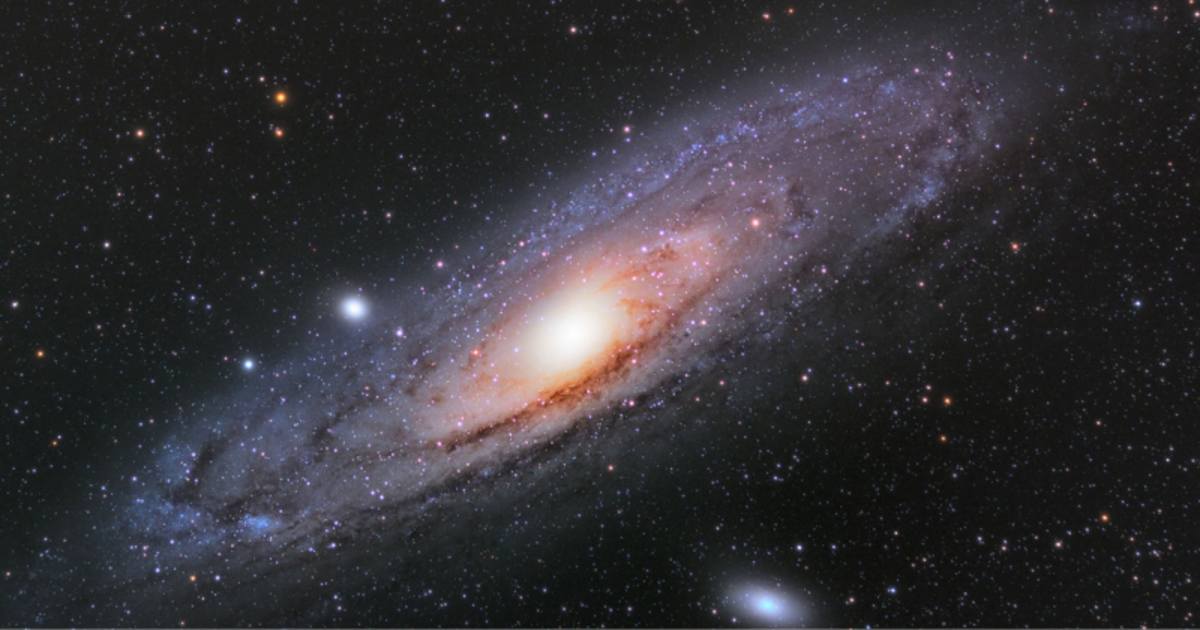
They examined around 200 million stars, which allowed them to figure out this galaxy’s star-formation history. "We need to measure the individual stars because they are the fossil record of the galaxy’s formation," said Ben Williams, a co-author of the study and astronomer at the University of Washington, in a statement. The team divided Andromeda images into thousands of squares, with one side of each spanning 300 light-years. This allowed them to build a timeline of star birth across the galaxy. The color of stellar populations was a big indicator here, with areas that experienced star formation recently having a higher abundance of massive and short-lived blue stars as opposed to longer-lived, smaller stars that are redder in color.

About 500 million years ago, Andromeda formed about one solar mass of stars per year. The rate dropped to half that around 40 million years ago. Currently, the galaxy forms stars at a rate of one-fifth the Sun's mass per year. A burst of star formation preceded this declining trend about 2 billion years ago, which could have been fueled by a merger with another galaxy. Next, the researchers probed whether the star-formation rate declined globally or concentrated in certain areas of the galaxy. They identified a ring about 32,000 light-years away from the center of the galaxy where recent star-forming events took place.
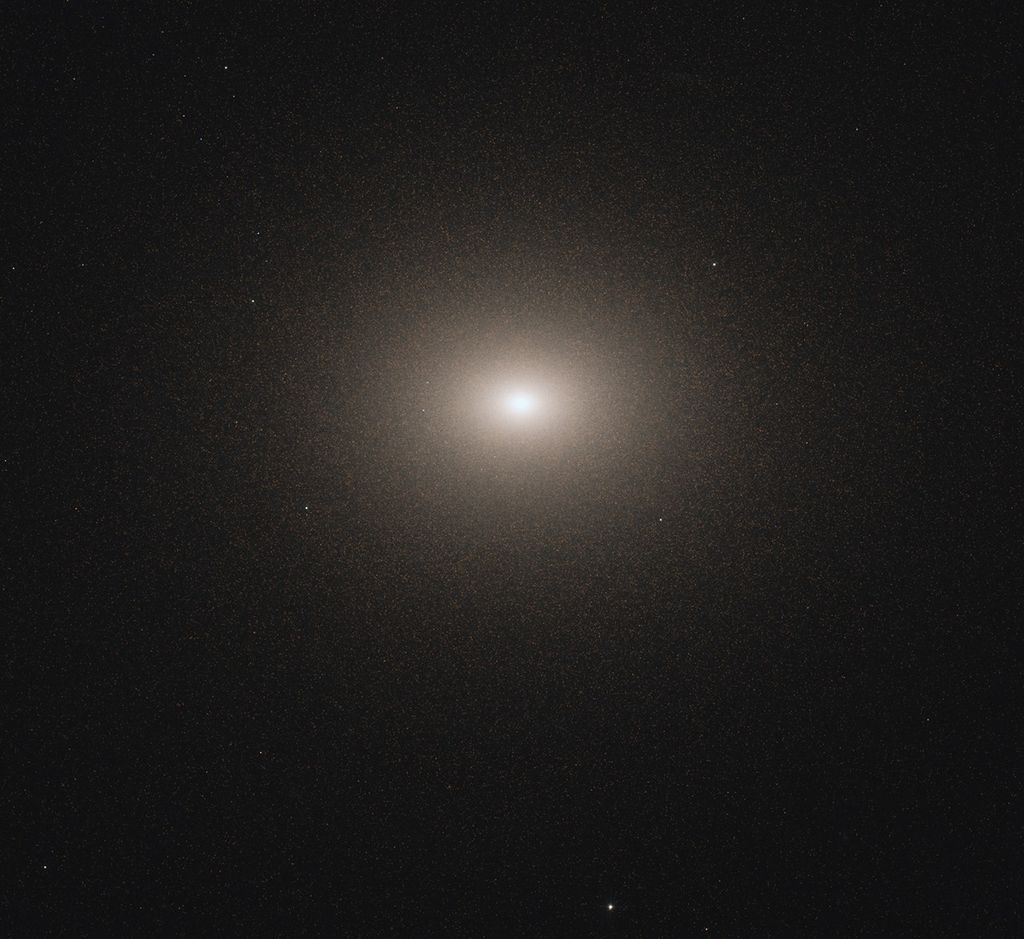
The decline, they say, happened mostly within this ring. The galaxy didn’t run out of gas and dust, fuel that makes new stars. Instead, the decline may be the result of a natural winding-down process from its previous active stage. "It's just like after running a marathon, sometimes you've got to take a bit of a breather," said Tobin Wainer, lead author at the University of Washington. The researchers also searched for alternative reasons behind such a drop in star formation. They wondered whether M32 (Messier 32), a small satellite galaxy, had any role in this process. They located a region of Andromeda near M32 where star formation started to decrease about 60 million years ago, indicating that M32 might have disrupted star formation in Andromeda’s disk.
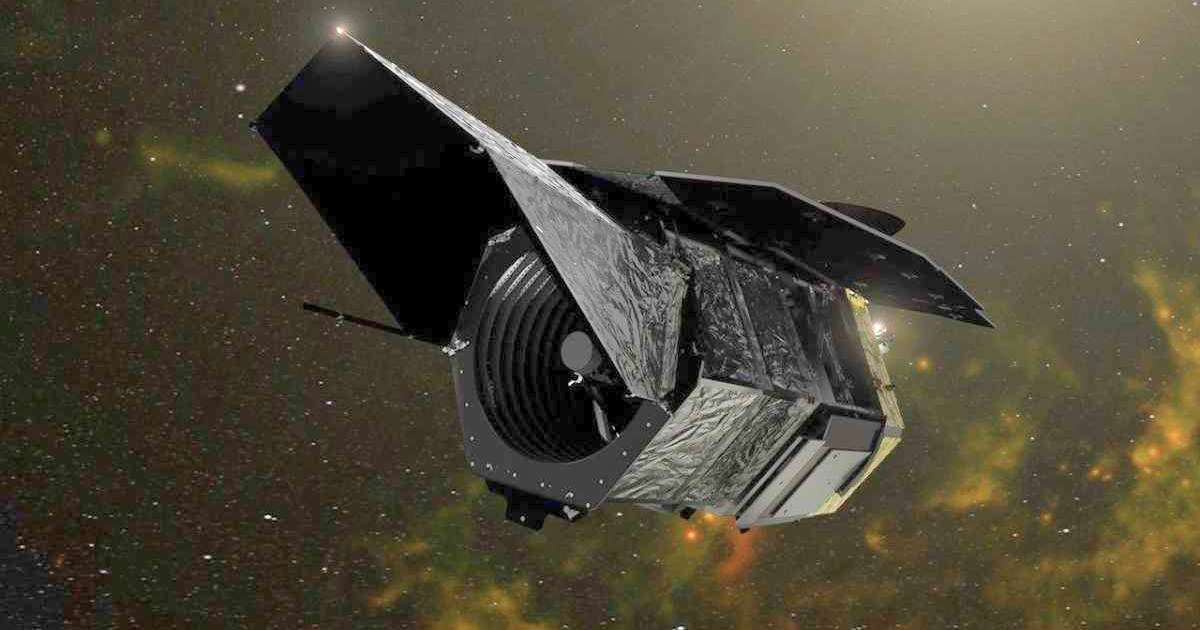
Knowledge of Andromeda’s history may throw light on the past of our own galaxy, the Milky Way. Soon, NASA's Nancy Grace Roman Space Telescope will survey the entire Andromeda galaxy with a field of view more than 100 times larger than Hubble's. This will allow astronomers to measure hundreds of millions of stars, providing an even more complete picture of Andromeda's formation and evolution.
More on Starlust
Andromeda is headed toward the Milky Way, while other galaxies are moving away—and now we know why