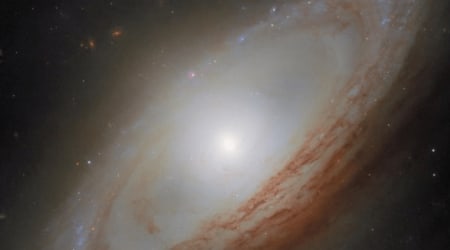
Astronomers have found the first ever 'wandering' supermassive black hole at the edge of a galaxy
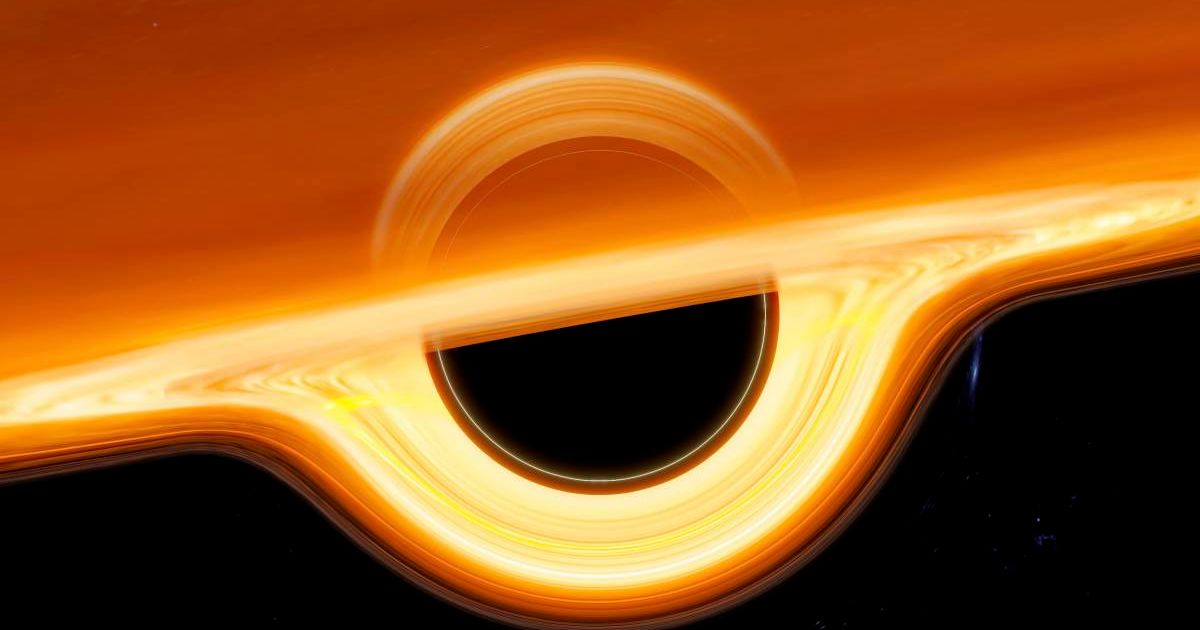
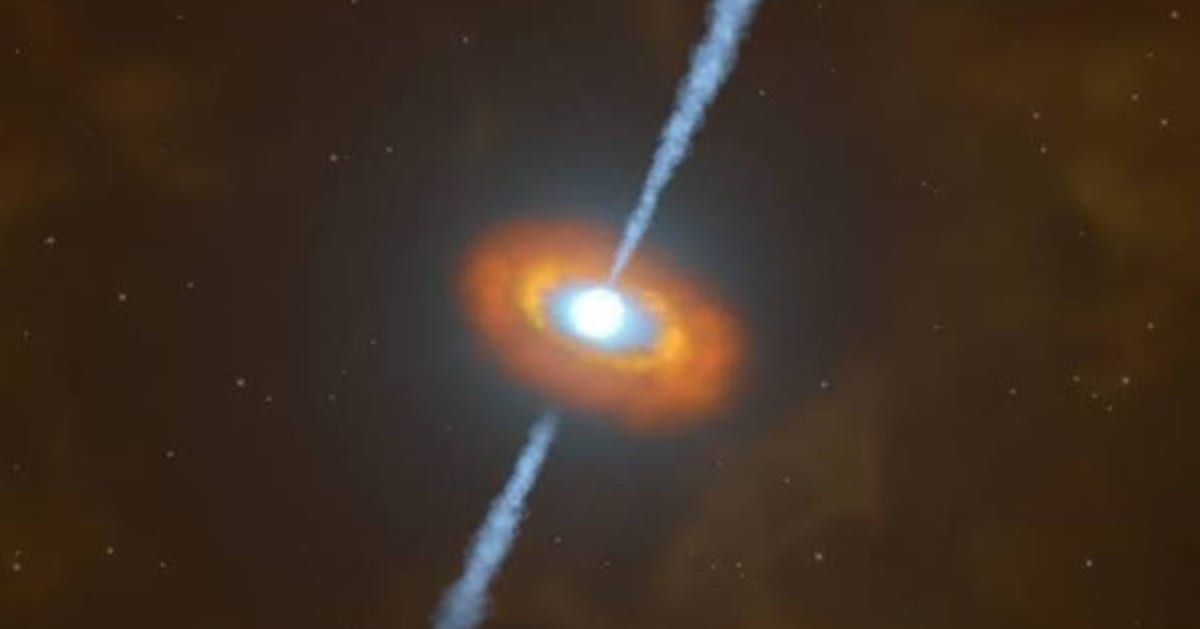
Astronomers have discovered a supermassive black hole that, after lying dormant for a long time, just woke up to tear a star apart at the edge of a galaxy. While devouring the star, the black hole emitted light, helping the researchers to catch a glimpse of it. The discovery, led by researchers at the University of Maryland, has been reported in a paper published in The Astrophysical Journal Letters.
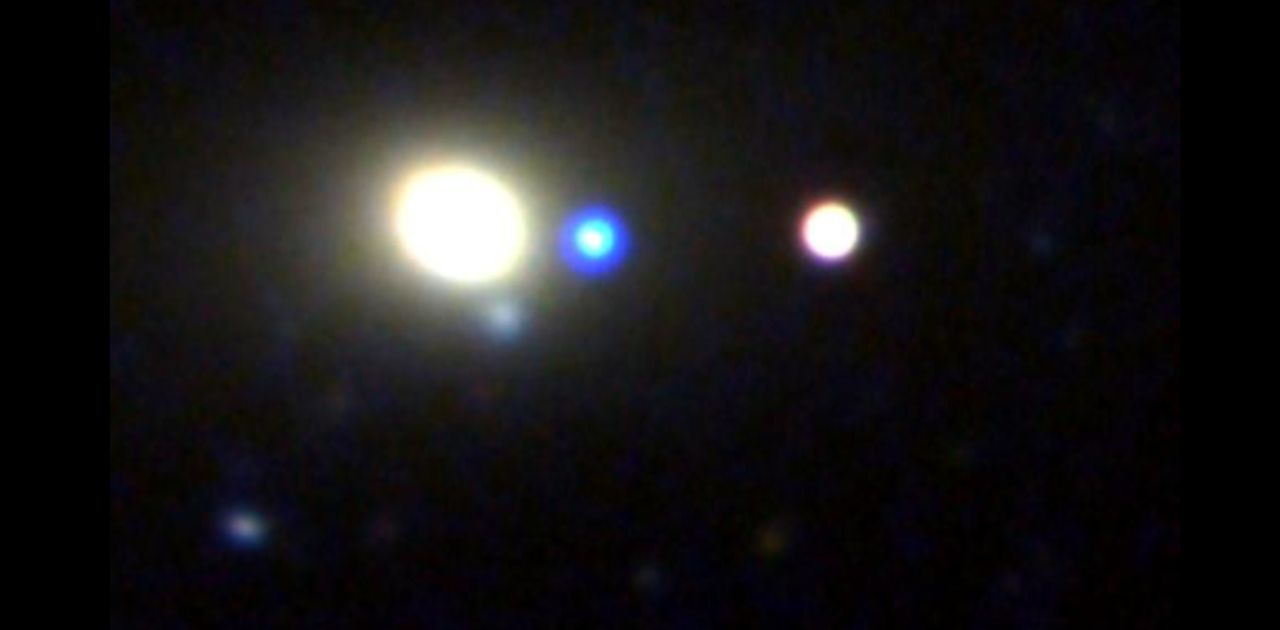
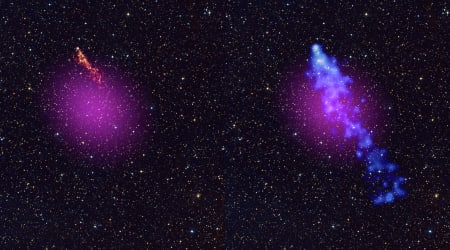
Most galaxies, including the Milky Way, host a supermassive black hole at their centers. However, researchers have long predicted the existence of wandering black holes that might drift in the outer edges of galaxies. Such black holes possibly come from two merging galaxies. But because many of these black holes are not sucking in matter or giving off any light, they silently roam around, going undetected by human surveillance. But the Zwicky Transient Facility (ZTF), a public-private astronomical survey at the Palomar Observatory in California, provided the first evidence of such a wandering black hole.

ZTF rapidly scans the night sky to detect moving and exploding celestial objects, recording hundreds of thousands of celestial events each night. Detecting a black hole among such a huge number of objects is akin to finding a needle in a haystack. However, the research team overcame this hurdle by using an artificial intelligence (AI) program capable of detecting a black hole’s presence when it tears a star apart and emits light—a cosmic phenomenon called a tidal disruption event (TDE).
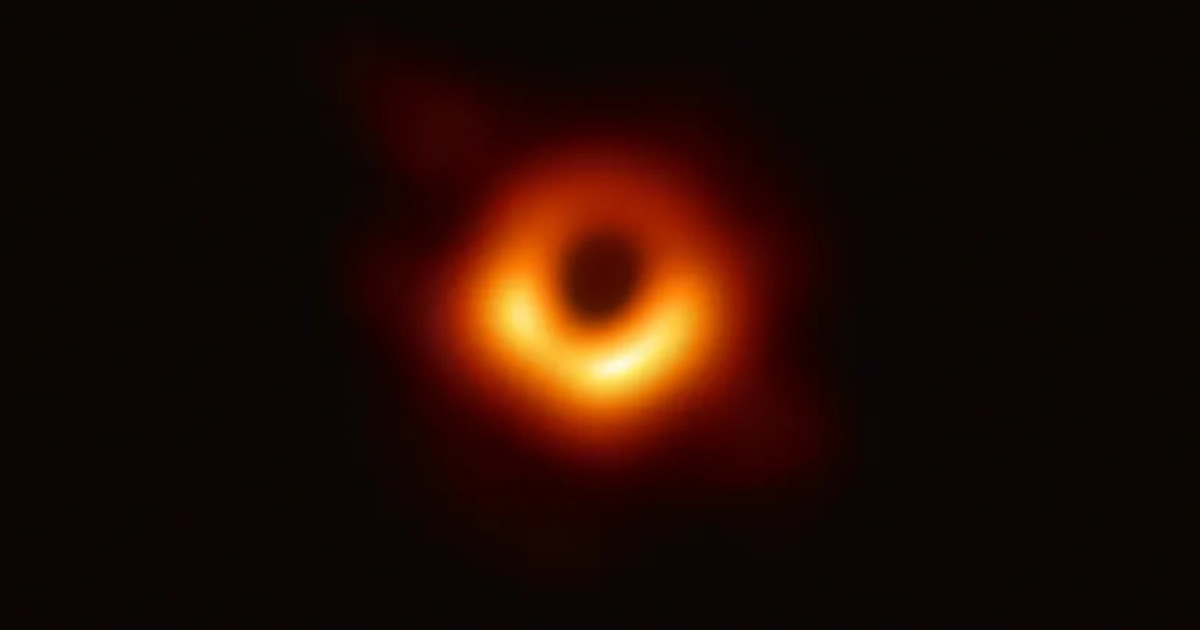
TDEs are typically documented at the centers of galaxies, but the AI can detect them even if they occur elsewhere in the sky. The UMD team launched its AI program in August 2025, and it detected the wandering black hole just three months later. “This discovery will have a huge impact,” said study co-author Suvi Gezari, an associate professor of astronomy at UMD, in a statement. “It means that we're going to find many more examples of wandering black holes, and we can understand how galaxies and their black holes merge and build up over time.”
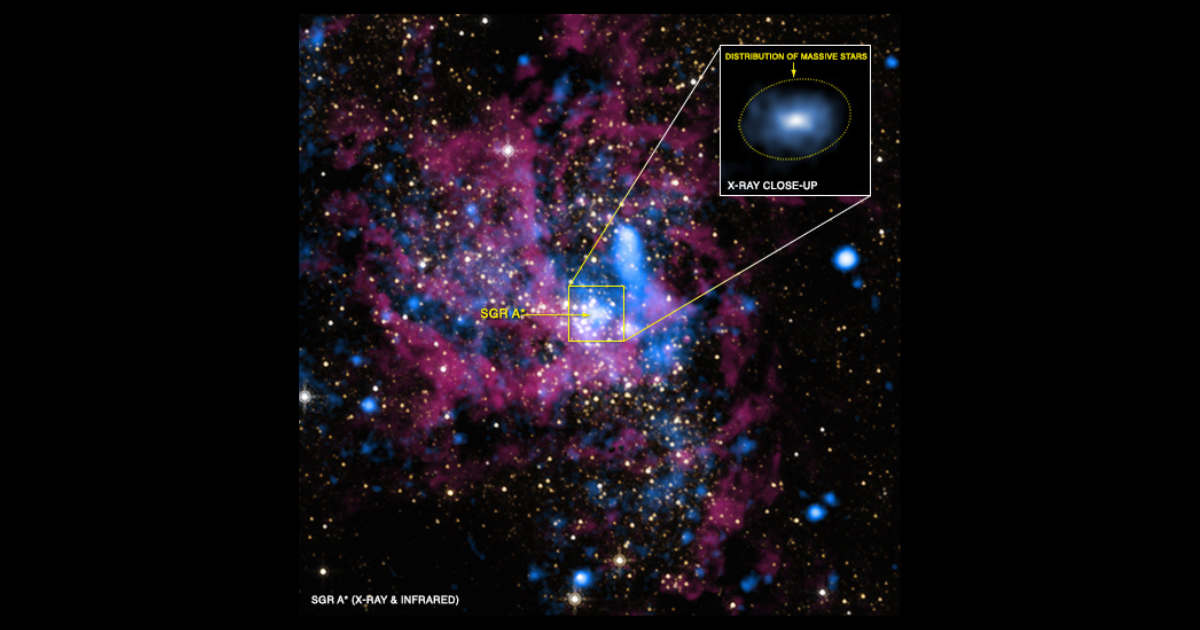
The new black hole lies about 30,000 light-years away from the center of its host galaxy, and its mass is roughly equal to that of the supermassive black hole residing at the center of our galaxy. However, surprisingly, no galaxy has been found to be swirling around it. The researchers think that the black hole might have originated from two colliding galaxies, and offered two possible explanations.
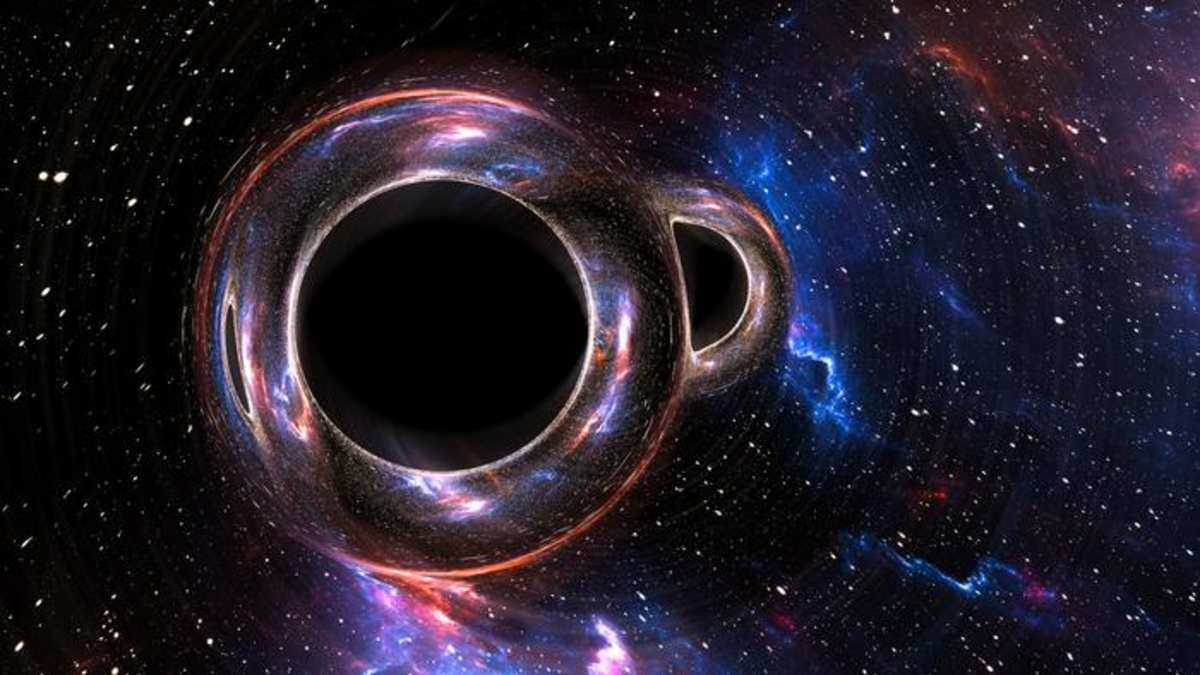
One of them is that during the collision, a larger galaxy cannibalized the smaller one and stripped away its stars, leaving behind only the black hole core. The other scenario indicates that one galaxy already had two black holes (a binary black hole) orbiting each other closely at its center. Now, if a third black hole enters the mix, a complex three-body interaction between the three black holes would oust the smallest one. Continuous monitoring of TDEs can help decide which of the two theories is correct. For the moment, the researchers continue to scan the horizons for further clues so that they can hunt down more wandering black holes, allowing them to better understand how galaxies form. “It is super exciting,” said Gezari. “It’s an example of machine learning opening up a whole new area of research.”
More on Starlust:
Scientists witness a black hole's point of no return for the first time ever
Astronomers spent 6 years studying a supermassive black hole’s revival. Here’s what they found