What came before the Big Bang? New simulations offer a glimpse into the origins of the universe
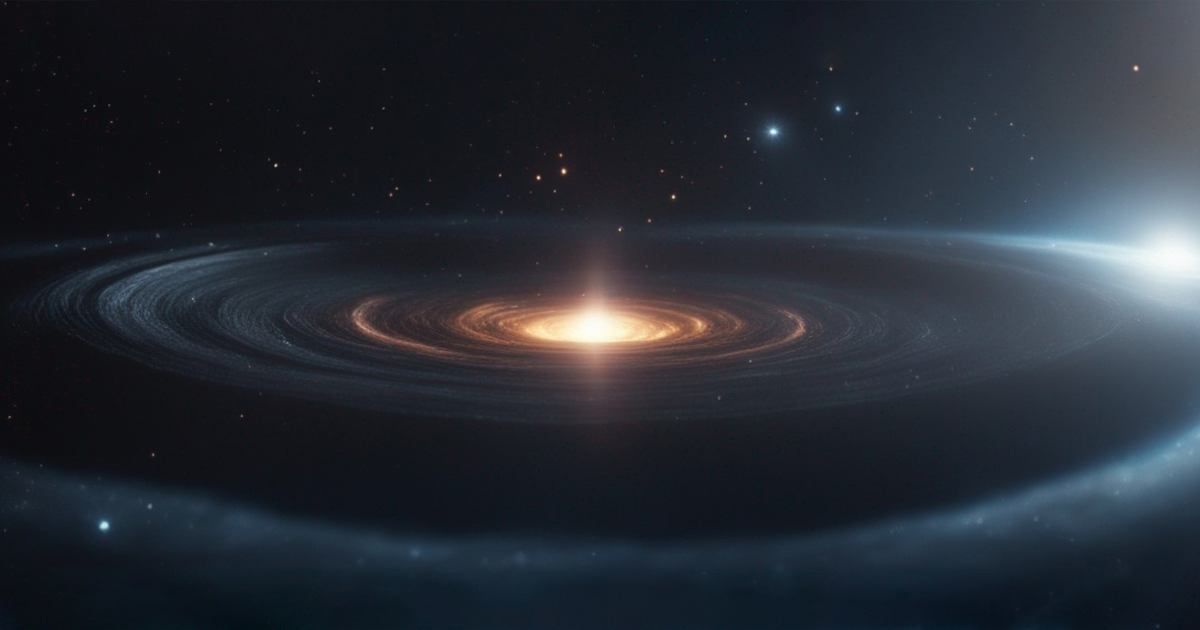
A new approach using advanced computer simulations may finally allow scientists to explore what happened before the Big Bang. While cosmologists have long considered the question, "What came before?" to be unanswerable, a groundbreaking paper by researchers from King's College London, Queen Mary University of London, and Oxford University suggests a new path forward, as per Phys.org.
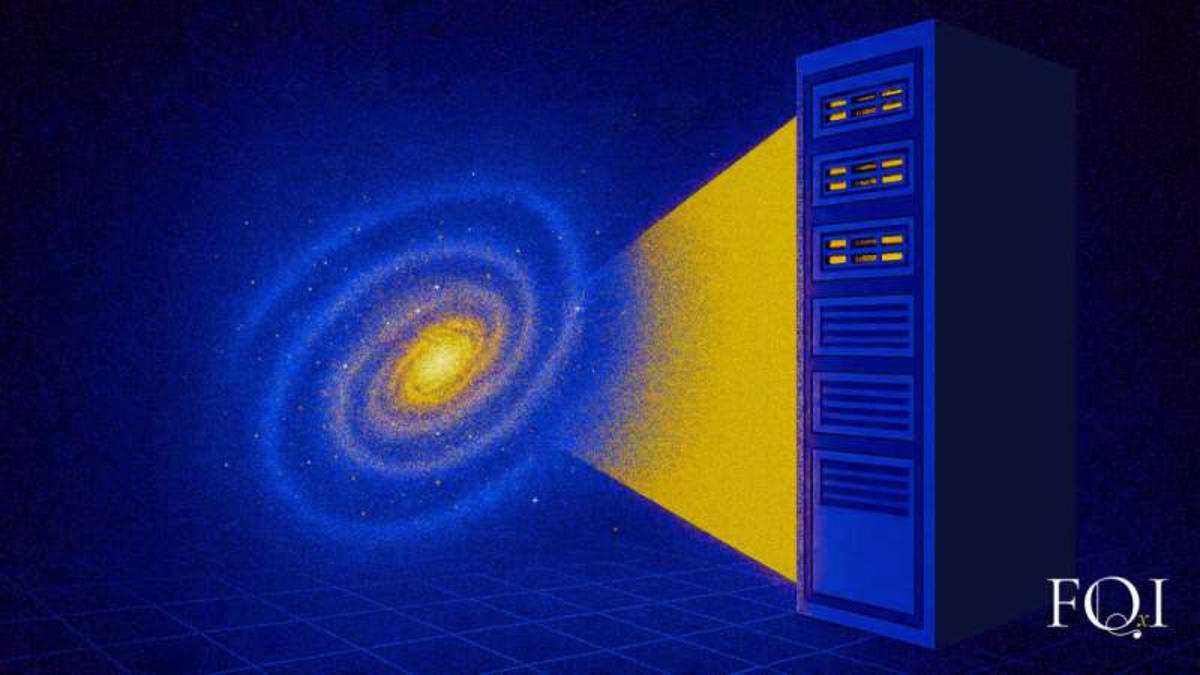
Published in Living Reviews in Relativity, the study proposes that a computational technique called numerical relativity could be the key to solving some of the universe’s most profound mysteries. This method uses complex simulations to approximate solutions to Einstein's equations in extreme scenarios where traditional methods fail. The standard model of cosmology runs into a wall when faced with the Big Bang singularity, a point of infinite density and temperature where the laws of physics break down. In these extreme conditions, the simplifying assumptions typically used to solve Einstein's equations no longer hold, leaving physicists unable to determine what came before.
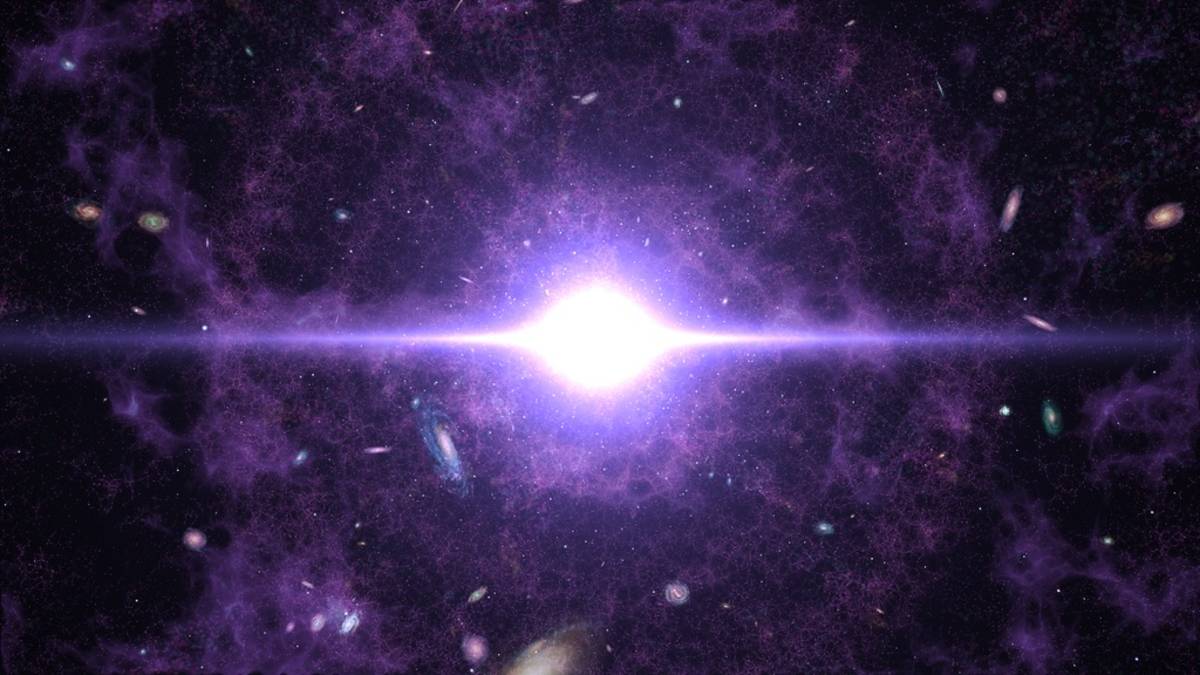
One of these key assumptions is that the universe is homogeneous and isotropic (looking the same in all directions). While this is a good approximation for the universe we observe today, it may not apply to the moments of the Big Bang itself. Numerical relativity, however, can handle these radically different initial conditions, offering a way to move "beyond the lamppost," as study co-author Eugene Lim puts it, into the unexplored "dark" regions of cosmic history. Numerical relativity was originally developed to model the gravitational waves produced by colliding black holes, a problem too complex to solve with pen and paper alone. The technique gained prominence with the development of the LIGO experiment, and its successful application in 2005 paved the way for its use on other puzzles.
Now, researchers believe it can be applied to fundamental questions about the cosmos, including the mystery of cosmic inflation. This period of rapid, early-universe expansion helps explain why the universe is so uniform today. However, the models used to study inflation still rely on the very assumptions of uniformity that inflation itself is meant to explain.
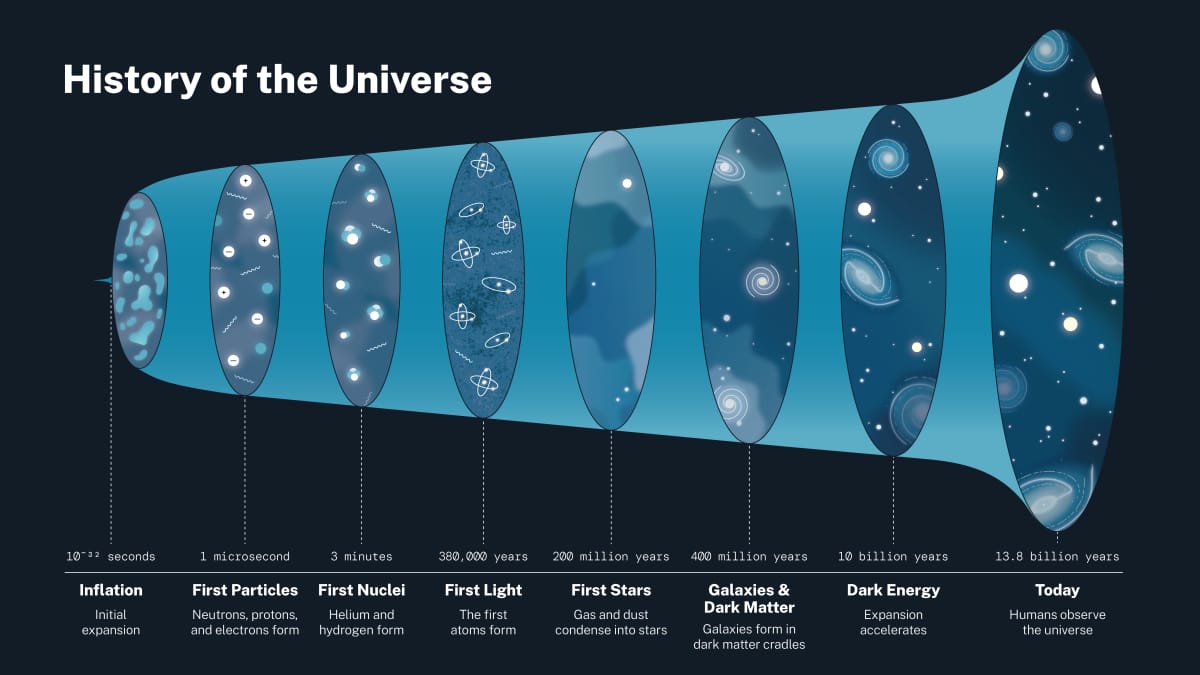
Numerical relativity could allow physicists to test scenarios where inflation begins from a less uniform state. The research suggests numerical relativity could help verify other major theories. It might predict the existence of hypothetical "cosmic strings" or even detect "bruises" in the sky, evidence of our universe having collided with a neighboring one, which would support the multiverse theory. Furthermore, it could provide a way to test the theory of a cyclic universe, which goes through repeated "bounces" from old universes into new ones. This is a very difficult problem to solve analytically because, as Lim points out, "Bouncing universes are an excellent example, because they reach strong gravity where you can't rely on your symmetries." As supercomputing technology continues to advance, so too will the power of these simulations. The authors hope their paper will encourage researchers across different fields to adopt numerical relativity, bridging the gap between cosmology and computational physics to solve some of the universe's most enduring questions.