Astronomers detect star-forming jets in Milky Way’s outer region, proving star formation follows universal process
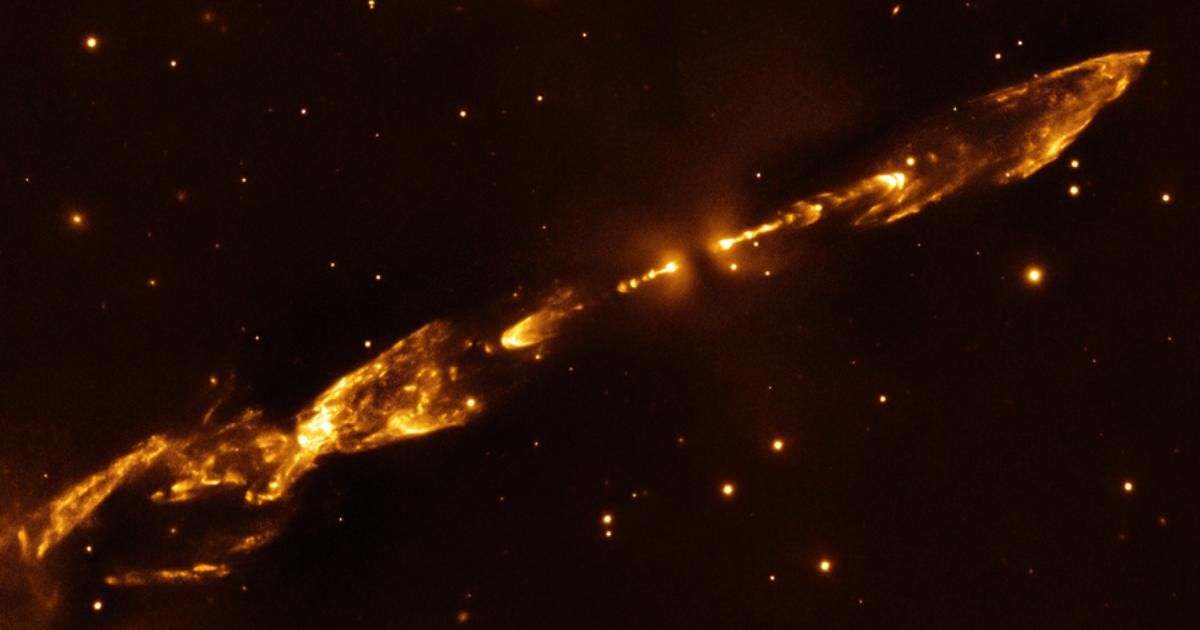
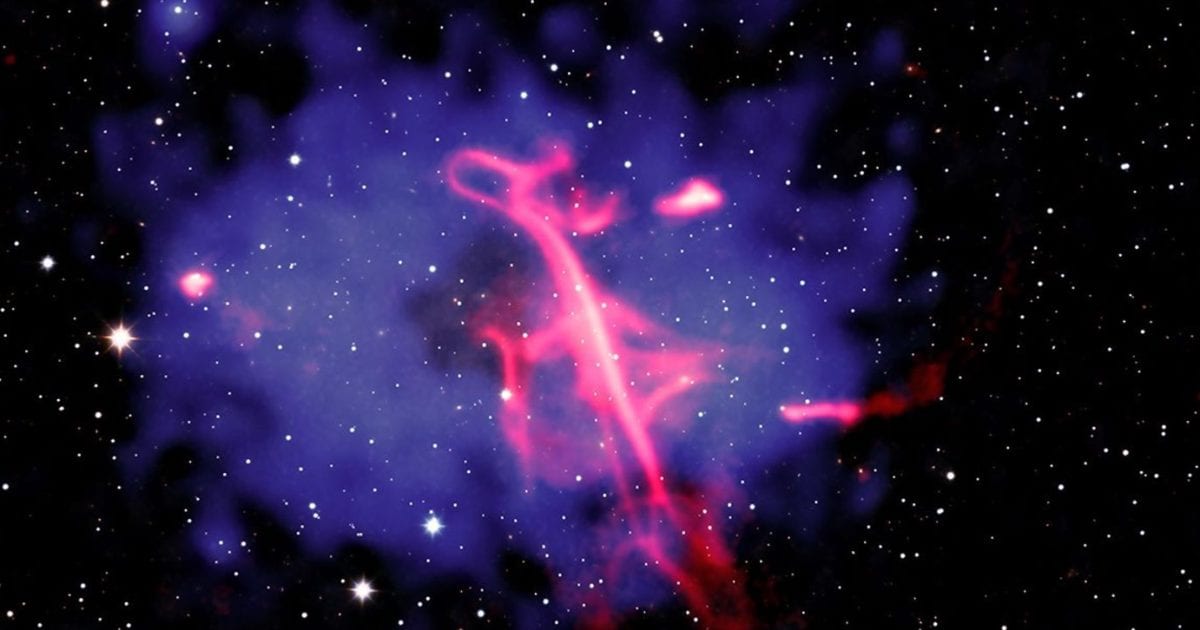
Astronomers have captured the first detailed images of protostellar jets and outflows in the Milky Way's outer regions, a breakthrough that confirms star formation follows the same fundamental principles across the galaxy, despite differences in chemical composition, according to Niigata University.
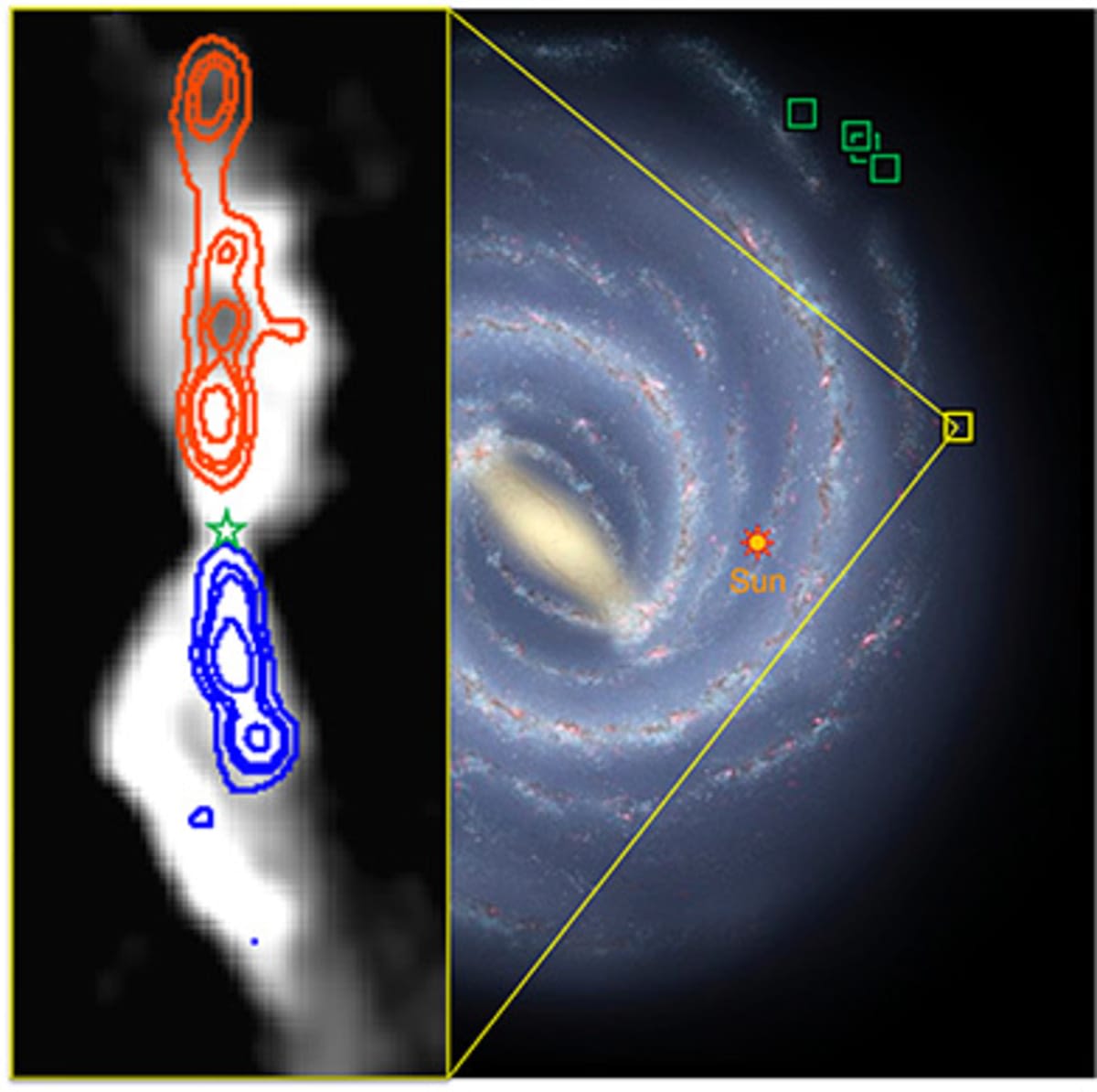
Using the powerful Atacama Large Millimeter/submillimeter Array (ALMA), researchers observed a specific protostar known as Sh 2-283-1a SMM1, located roughly 51,000 light-years from the galactic center. This remote, low-metallicity environment, with only one-third of the heavy elements found near the Sun, acts as a natural laboratory, mimicking the conditions of the early Milky Way.

The observations revealed a distinct bipolar system, where high-speed jets of gas shoot out from the forming star, surrounded by slower-moving outflows. This is the first time such structures have been resolved at this extreme distance from the galactic core. Lead author Toki Ikeda of Niigata University said the discovery confirms that the same physics observed in star formation near our solar system also operates in these distant, low-metallicity environments.
Further analysis showed the jets are not a continuous flow but are instead episodic, with bursts of mass ejection occurring every 900 to 4,000 years. This stop-and-start process is essential for regulating the star's growth by expelling excess mass and angular momentum. Although episodic ejections have been seen in nearby star-forming regions, this is the first time the phenomenon has been documented so far from the galactic center.

Additionally, the research uncovered an unexpected finding about the protostar’s chemical makeup. The ratio of silicon monoxide (SiO) to carbon monoxide (CO) in the jets was lower than that of comparable sources in the inner galaxy. This suggests that the shock chemistry or dust properties in the outer regions differ due to the scarcity of heavy elements, reinforcing the idea that while physics is universal, chemistry can vary. The team also identified Sh 2-283-1a SMM1 as a hot core, a rare, chemically rich region surrounding a new star. This is only the second such detection in the outer galaxy. Researchers estimate the protostar's luminosity is approximately 6,700 times that of the Sun, classifying it as an intermediate-to-high-mass star.
Co-author Takashi Shimonishi, also from Niigata University, noted that the discovery of complex organic molecules within the protostar opens up new avenues for studying star formation in these "primitive environments" from both a physical and a chemical perspective. Beyond the initial finding, the team also detected molecular outflows from four other protostars in the outer galaxy, suggesting star formation is both active and widespread in these remote areas, as mentioned by Niigata University.
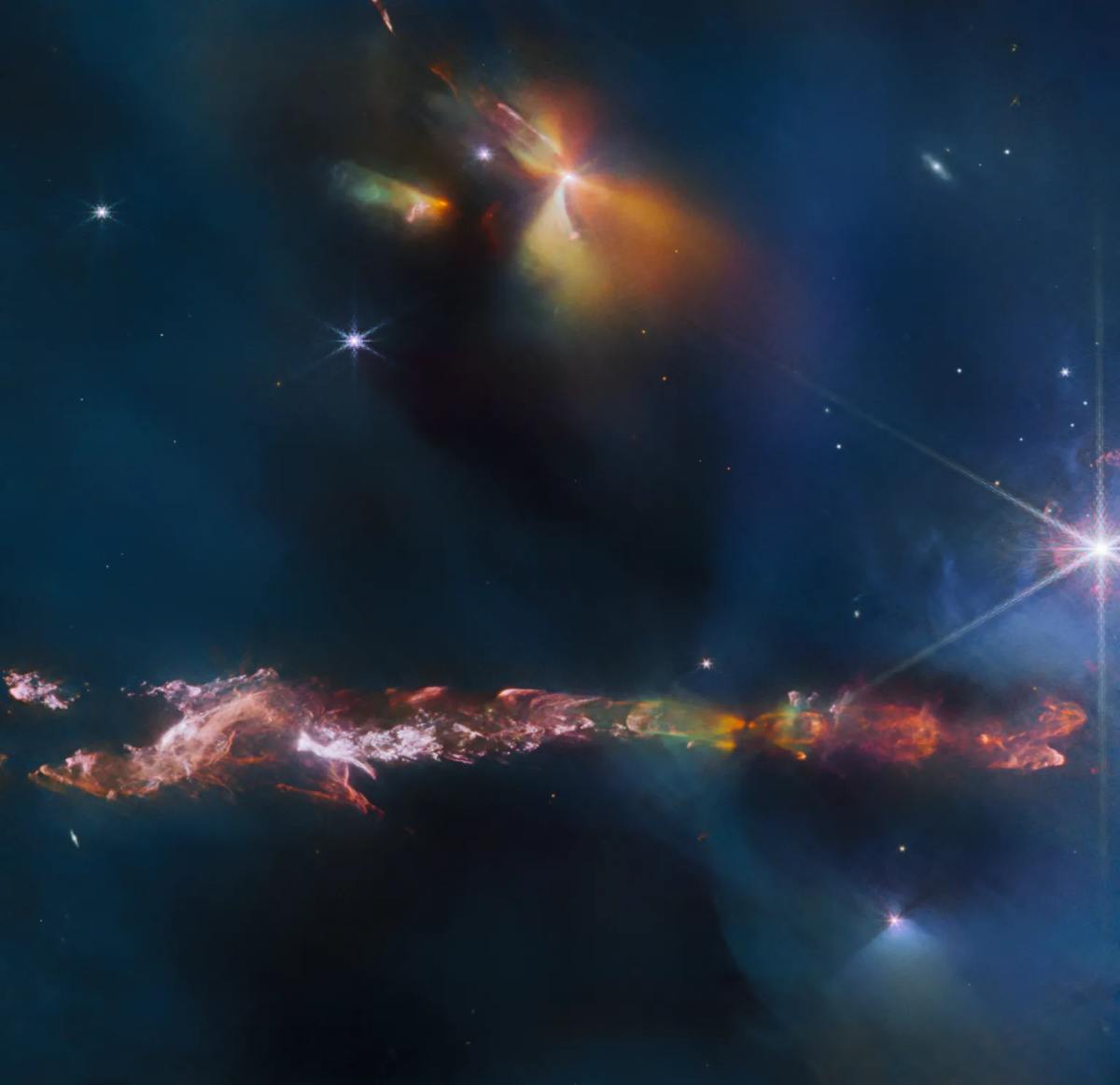
The study showcases ALMA's ability to push the boundaries of star formation research. By extending its capabilities to the outer Milky Way, astronomers can now test whether models developed in nearby star-forming regions hold throughout the galaxy. Looking ahead, the research team plans to expand its survey to other outer-galaxy protostars to better understand how episodic ejection cycles and chemical compositions vary across different galactic environments.
More on Starlust
Protoplanetary disks are not so flat after all, suggests compelling evidence from ALMA
Scientists successfully mapped magnetic fields at Milky Way's heart to unlock how stars form
Scientists uncover one of the most metal-poor stars ever seen, a rare find in Milky Way's halo