Protoplanetary disks are not so flat after all, suggests compelling evidence from ALMA

An international team of scientists changed our idea of how planets form using the Atacama Large Millimeter/submillimeter Array (ALMA). The instrument found compelling evidence that the birthplaces of planets, known as protoplanetary disks, are subtly warped. The research findings were published in the Astrophysical Journal Letters. The small bends and twists in the plane of the disk were found to be only a few degrees. The warp resembled the subtle tilts found among the planets in our own solar system, and could be the signs of a planet’s origin conditions.
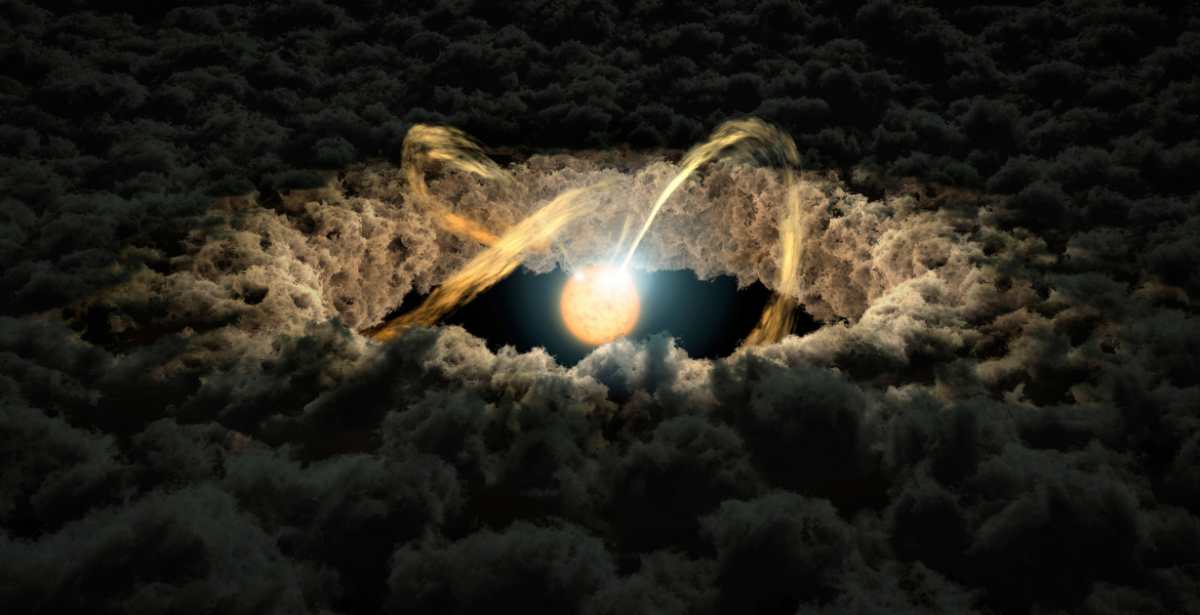
This also suggested that the initial conditions of formation were not as orderly as was thought before. A confirmation of this matter could have significant implications for how planets grow and settle into their final orbits. According to Phys Org, the team meticulously analyzed Doppler shifts in the disk to discover the subtle twists. This referred to the small changes in radio waves emitted by carbon monoxide (CO) molecules within the disks. These shifts can be considered as a kind of cosmic speedometer, which reveals the exact motion of the gas generated within.
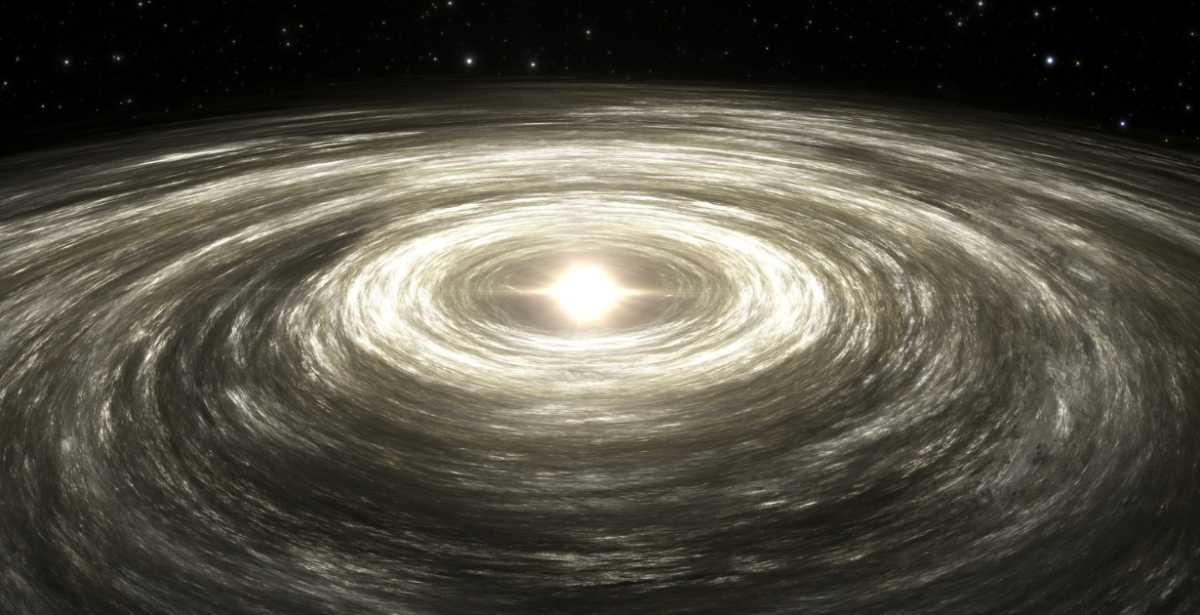
The velocity of the gas was mapped across each disk in detail by the ALMA observatory, as part of a program called exoALMA. These intricate patterns helped in detecting when different areas of a disk were slightly tilted. This was how the model of these patterns helped discover the new addition to planet formation. "The warp-like structures challenge the idea of orderly planet formation and pose a fascinating challenge for the future," stated Dr. Myriam Benisty, director of the Planet and Star Formation Department at the Max Planck Institute for Astronomy.
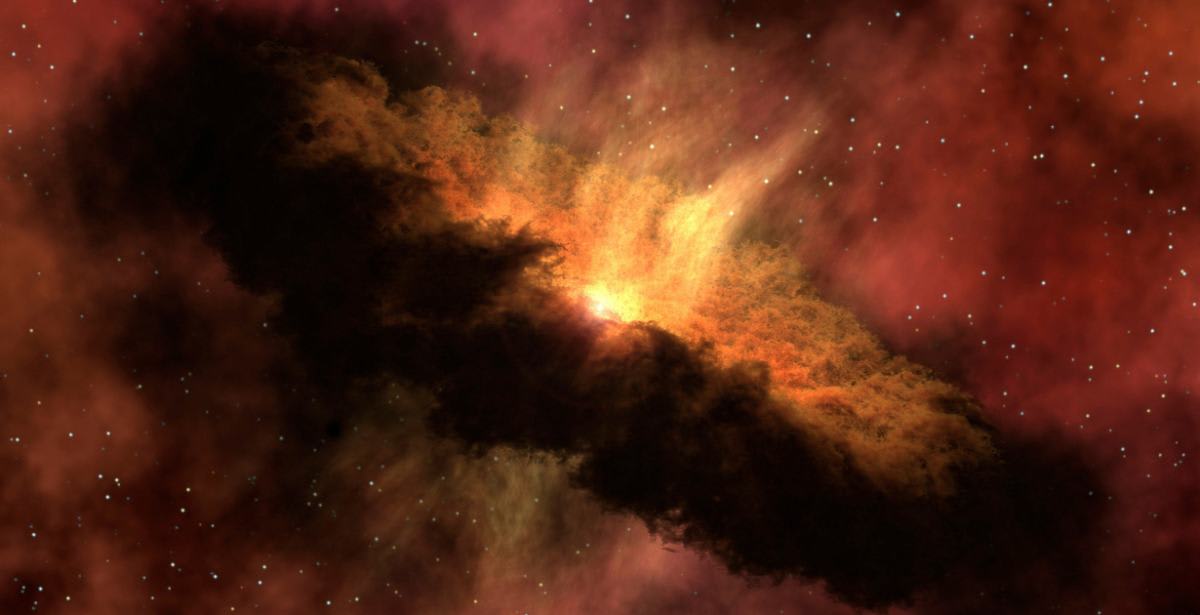
Dr. Andrew Winter from Queen Mary University of London is the lead author of the study, and he is a Royal Society University Research Fellow in astronomy. "These modest misalignments may be a common outcome of star and planet formation," Dr. Winter stated, comparing it to our own solar system. The team is intrigued by where this discovery could take us, as it raises the question of why these disks are warped. These subtle disk warps are capable of giving a natural explanation for several of the prominent large-scale patterns in the gas's motion across the disks.

The tilt was extremely insignificant, often as little as half a degree to two degrees, but could have significant impacts. It could be the cause of interesting spiral patterns and slight temperature variations in these planet-forming structures. The team also noted that if the warps are responsible for how gas moves inside the disk, then they influence our understanding of various processes. This included turbulence and how material is exchanged during the initial stages. The nature of these warps was also found to be connected to the star’s ability to draw materials.

This revealed a dynamic link that existed between the innermost region of the disk and the outer regions. The inner region of the young star is where it feeds on materials, and the outer region is where planets are formed. These revelations give us an insight into the complex and surprising realities of planet formation. This discovery fundamentally changes our cosmic blueprint and gives us new avenues to explore in learning about diverse worlds beyond our sun. The study will be essential in facilitating further investigations and altering our understanding of planet formation.