Astronomers spot hidden 'ice cube' clouds at galactic center, pointing to a recent black hole explosion
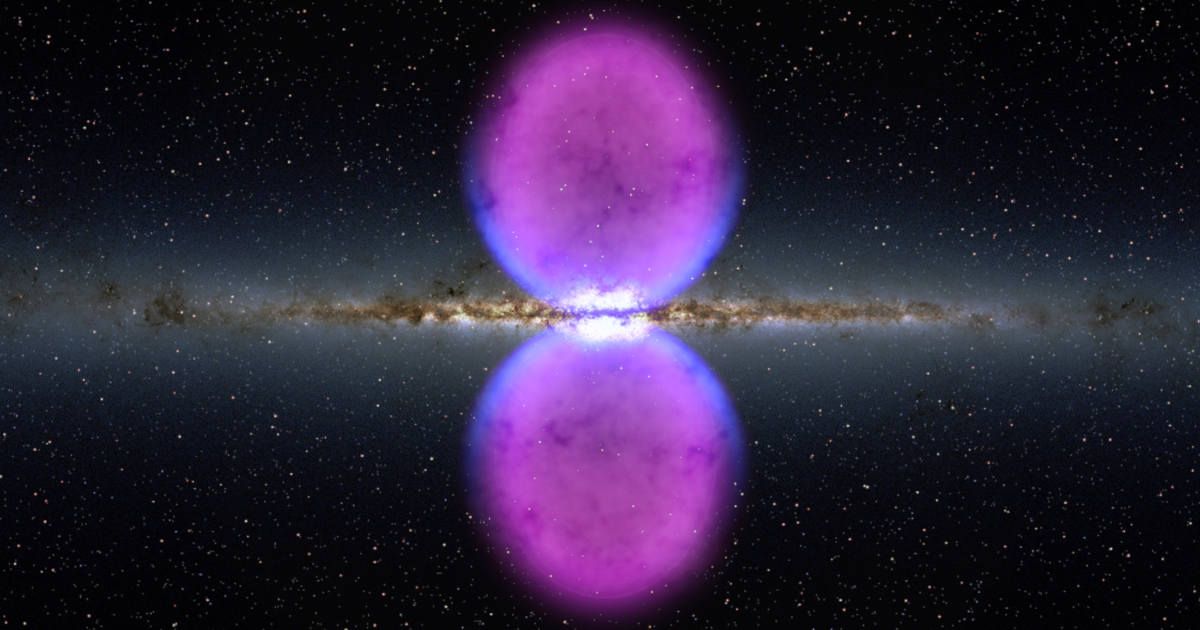
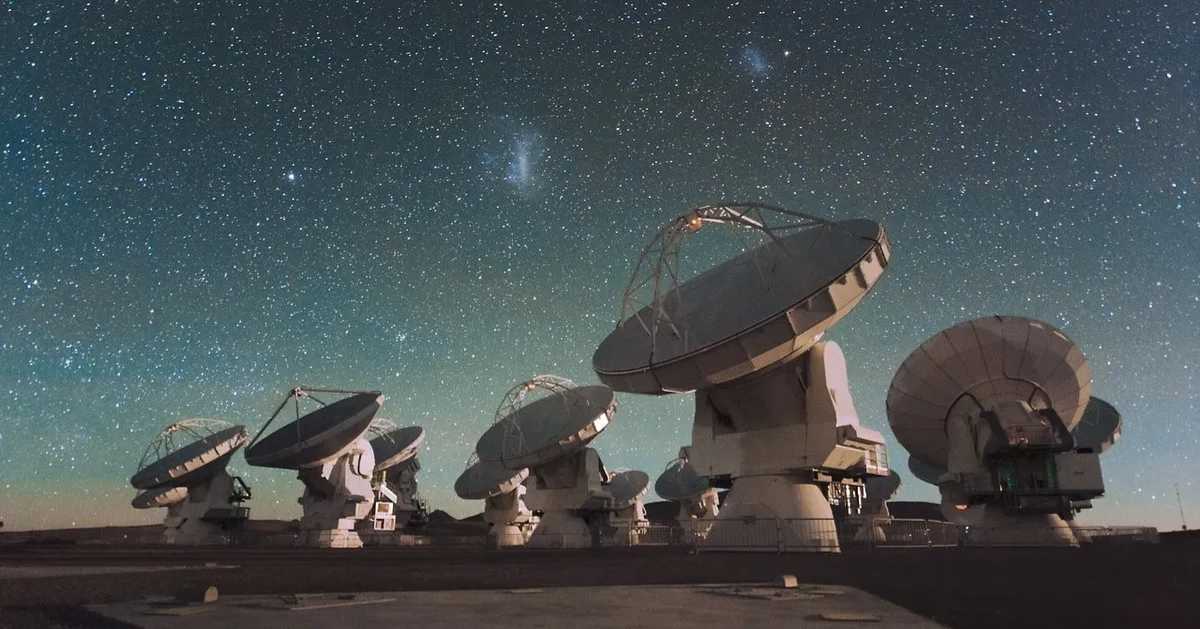
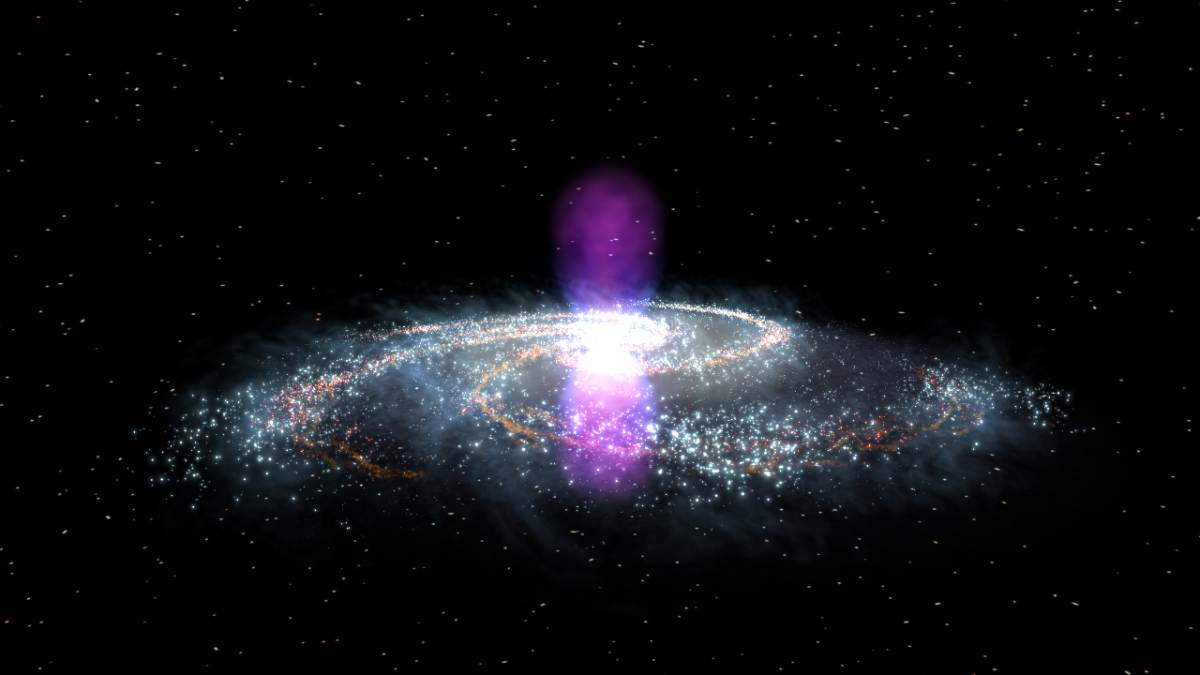
A team of astronomers has made a surprising discovery at the heart of our galaxy, identifying eleven fast-moving clouds of cold hydrogen gas, dubbed "ice cubes," that should not exist. These frigid clouds were found deep within the Fermi Bubbles, two massive lobes of superheated plasma that blast out from the center of the Milky Way, according to the Green Bank Observatory.
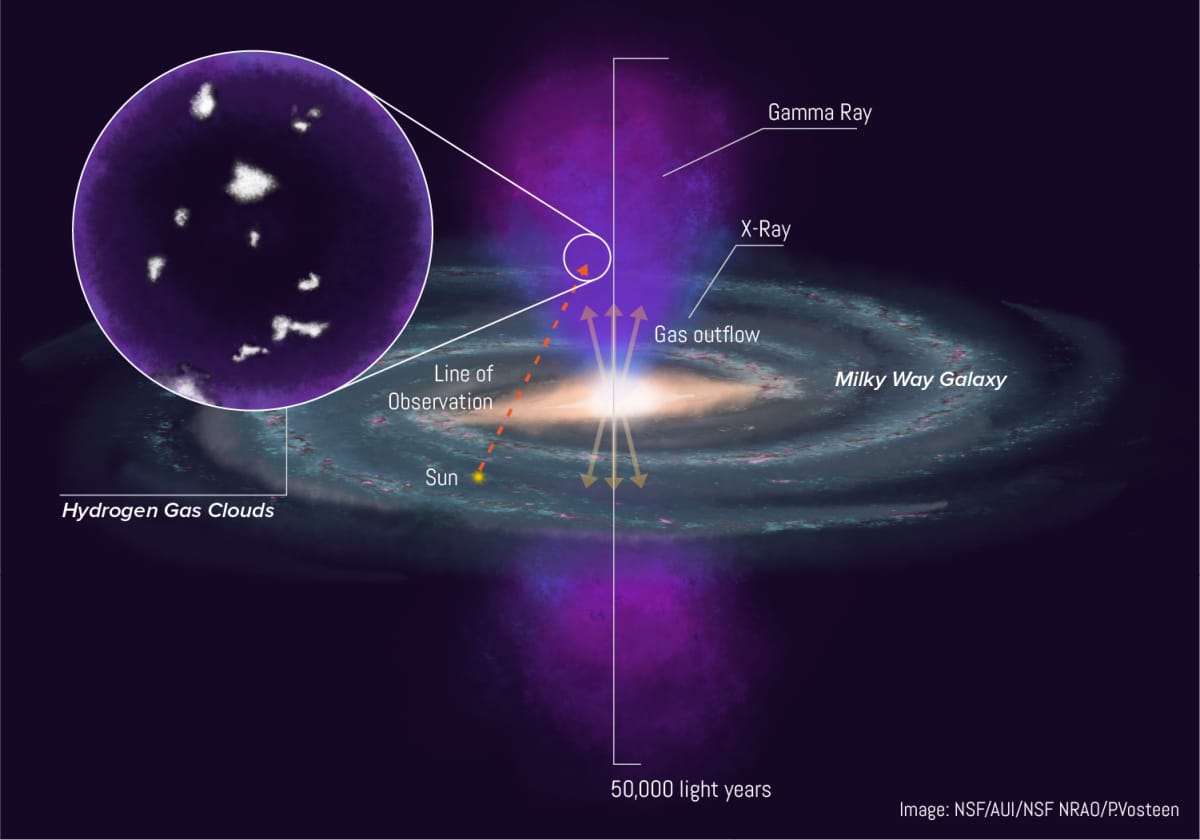
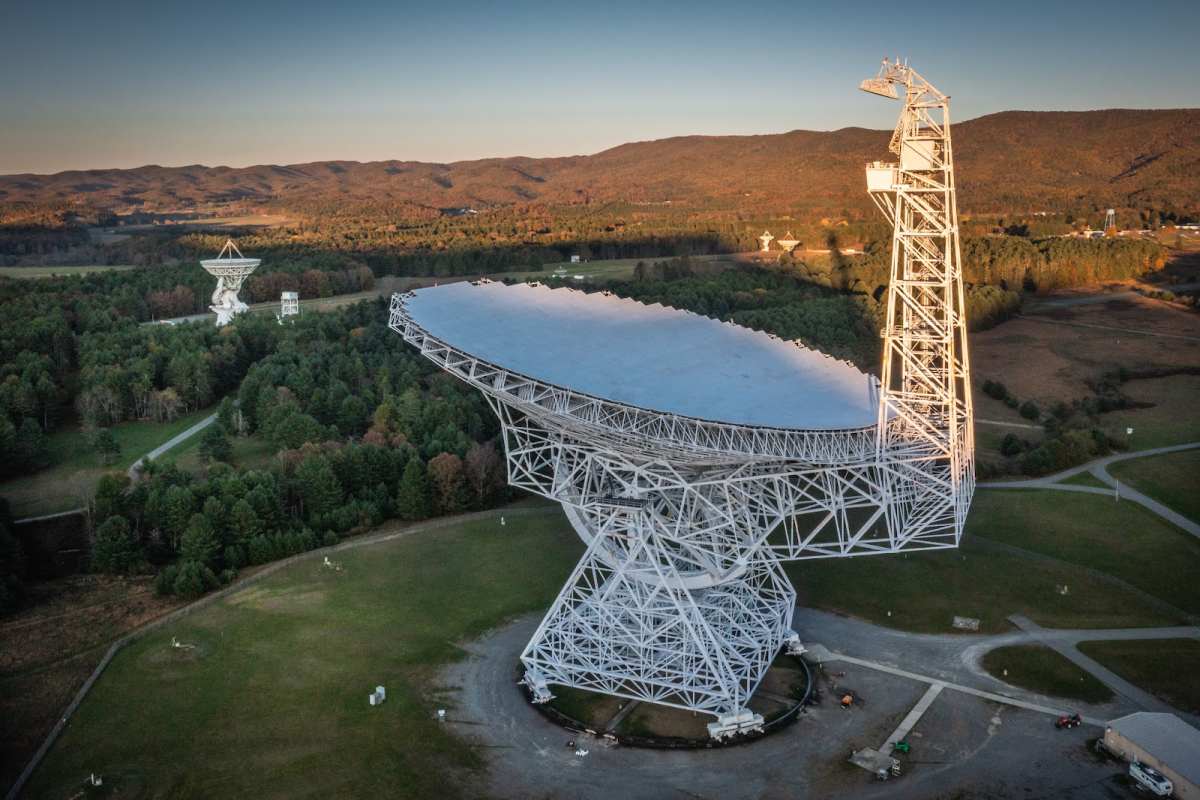
Using the Green Bank Telescope, researchers located these clouds more than 13,000 light-years above the galactic center, in a region where temperatures exceed one million Kelvin. In such a violent environment, cold gas would be expected to quickly evaporate or be torn apart.
The discovery challenges long-held assumptions about the Fermi bubbles and the age of our galaxy's central outburst. The survival of these fragile clouds, which are estimated to have a lifespan of several million years, suggests that the Fermi Bubbles were formed more recently than previously thought. This points to a powerful explosion from the Milky Way's central black hole as the likely cause, rather than a prolonged period of star formation. “These findings change our previous assumptions, showing that cold gas can persist in the hot, turbulent Fermi Bubbles,” stated Rongmon Bordoloi, the lead scientist on the project and an associate professor at North Carolina State University. “This challenges our understanding of how galaxies recycle and expel matter.”
The team utilized the Green Bank telescope's exceptional sensitivity to conduct the deepest-ever survey of the region, identifying these clouds at unprecedented heights within the bubbles. According to co-author Jay Lockman, an astronomer at the Green Bank Observatory, the clouds act like tracers, allowing scientists to see the motion of the hot wind that formed the bubbles, much like clouds on Earth reveal the movement of air.
Researchers are now focused on unraveling the mystery of how these clouds formed and survived. Questions remain about their origins: whether they condensed from the hot plasma, were swept up from the galactic disk, or are remnants of pre-existing structures. This discovery opens a new door to understanding galactic evolution and the mechanisms that allow fragile structures to withstand cosmic violence, as per the Green Bank Observatory.
The survival of these "ice cube" clouds acts as a "cosmic clock" for astronomers. According to Bordoloi, the clouds shouldn't have lasted for more than a few million years in such a turbulent environment, as reported by Space.com. Their very existence, therefore, suggests that the eruption from the black hole that created the Fermi Bubbles was a relatively recent event, just a few million years ago, which is a blink of an eye in astronomical terms.
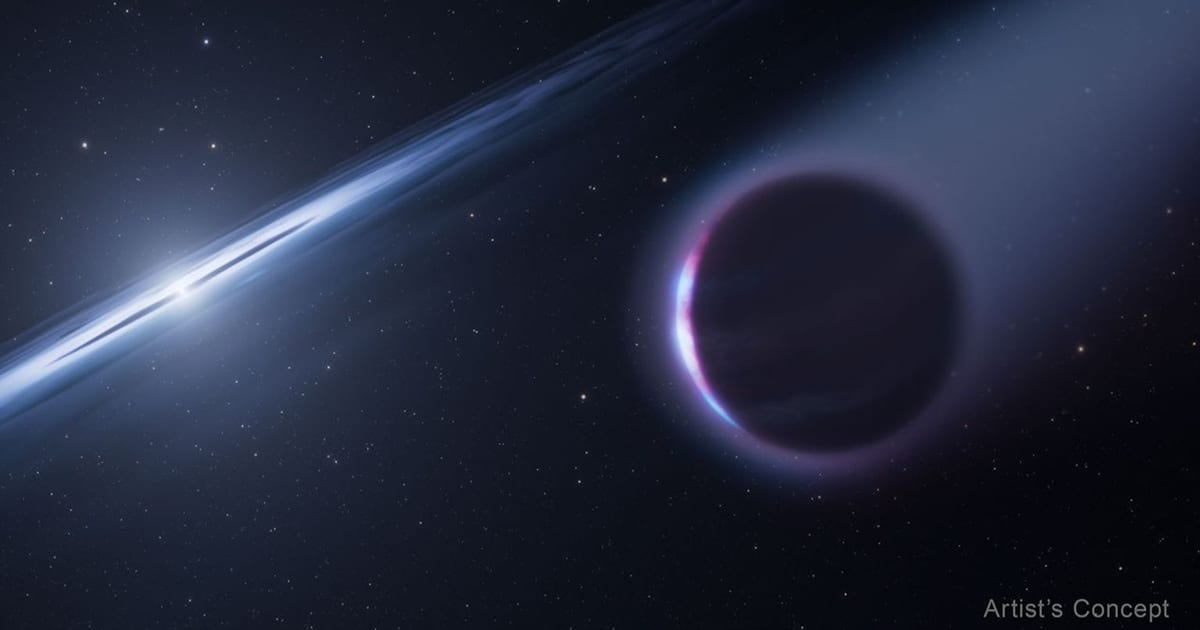
This new timeline for the Fermi Bubbles provides crucial insight into the behaviour of the Milky Way's central black hole. The discovery supports the idea that our galaxy's supermassive black hole experiences sporadic, violent outbursts and that the last such event occurred more recently than previously believed. "What's clear is that features like the Fermi Bubbles — and more recently, the eROSITA Bubbles — suggest the center of the Milky Way has been much more active in the recent past than we once believed," Bordoloi concluded.