The Moon is shrinking and scientists finally know how much
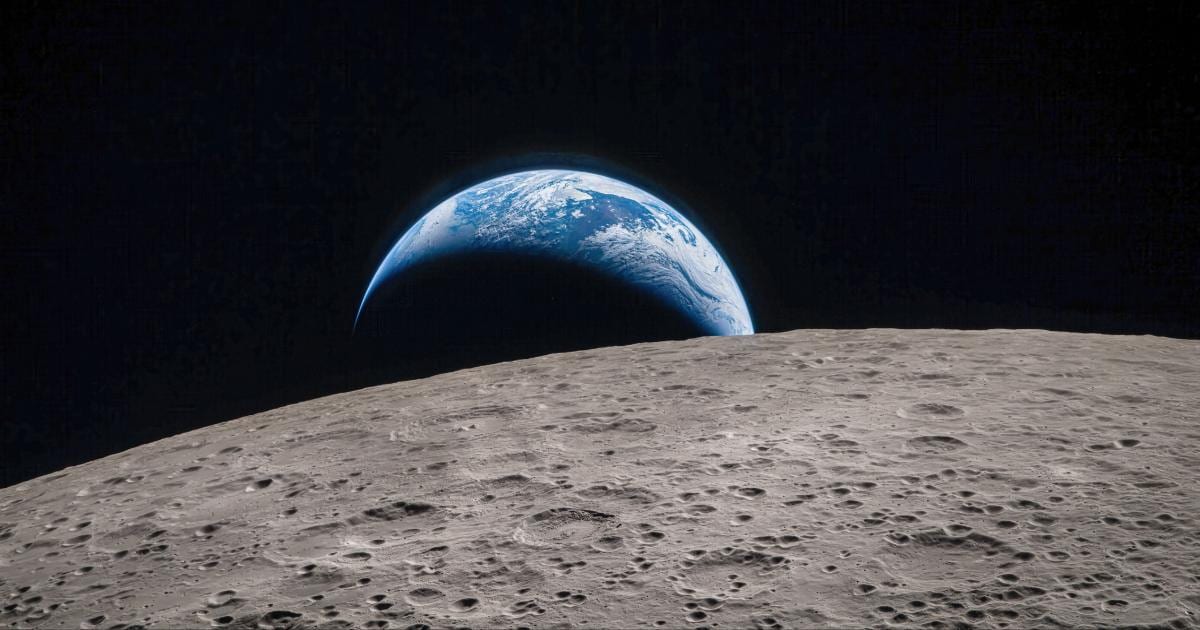
It has been well over a decade since we have had definitive evidence of the Moon shrinking, but it wasn't until recently that scientists discovered how much. Published in The Planetary Science Journal on October 14, 2026, a new study has shed light on the Moon's shrinkage, offering the most detailed estimate yet of how much our natural satellite has contracted over the course of recent history.
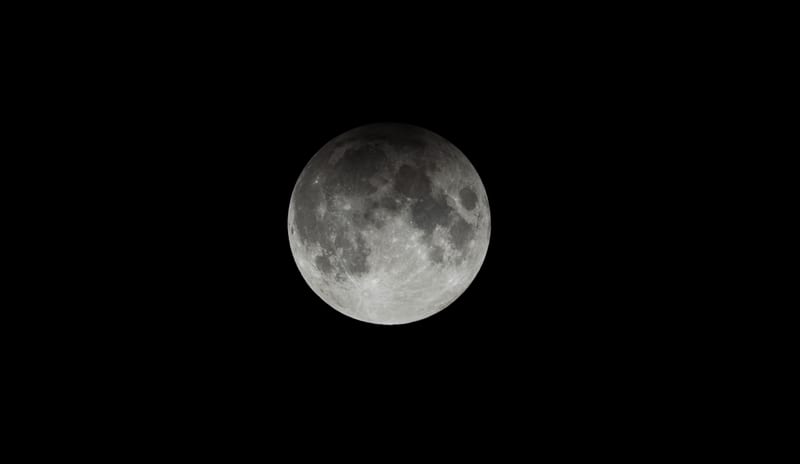
Titled "Thrust Faulting and the Late-Stage Contraction of the Moon," the study identified more than 10,000 young fault lines across the Moon's surface, estimating that the Moon's radius shrank by around 45 meters (close to 150 feet) over the past 400 to 800 million years. Based on their observations, the researchers also deduced that the Moon might be shrinking by 6 to 11 centimeters per million years, assuming this shrinkage to be uniform over time.
How scientists studied the Moon's shrinkage
To make the measurements, researchers led by Thomas R. Watters from the Center for Earth and Planetary Studies at the Smithsonian’s National Air and Space Museum leveraged observations from the camera aboard NASA's Lunar Reconnaissance Orbiter (LRO) and mapped thousands of landforms known as lobate scarps and small mare ridges, features that only arise out of compressional forces. These were found to exist across vast swaths of the Moon—across both the lunar highlands and the plains that are visible on the Moon's surface—indicating that they were not localized but rather a common feature of our natural satellite.
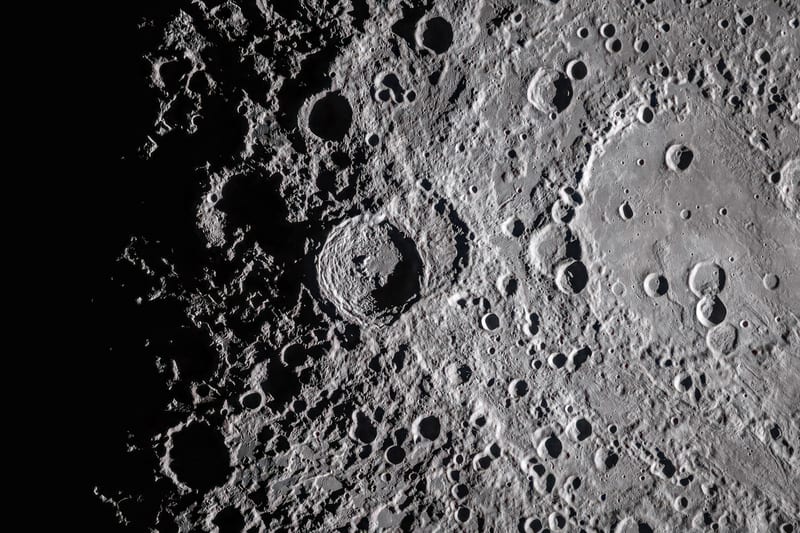
Unlike Earth, which has more than a dozen tectonic plates (including major and minor ones), the Moon is a single-plate body, covered by an unbroken, shell-like crust. Consequently, as the interior of the Moon cools and contracts, fault lines appear not along tectonic plate boundaries (since there are none), but become widely distributed across the surface, which is what scientists observed. The observations also revealed that some regions on the Moon had more faults than others: the thickest parts of the lunar crust were found to have fewer faults than other areas, suggesting that they could be the most stable places on the lunar surface. The widely distributed nature of the faults and the lack of tectonic plates, however, also tell us that moonquakes can happen anywhere (unlike earthquakes, which are caused by the interactions between tectonic plates).
In addition to measuring the Moon's recent shrinkage, the study also suggests that fault lines on the lunar surface are not ancient, but a rather recent phenomenon. Why so? Well, scientists believe that the Moon's fractured, thick, and porous crust insulated its interior in its early days, preventing our natural satellite from cooling and contracting until recently. Commenting on the findings, study lead author Watters said, "The number of these young faults revealed in LROC images is much greater than I ever imagined. As the interior of the Moon continues to cool and contract, it is expected that the growth of existing faults and formation of new faults continues today.”
How this study helps us
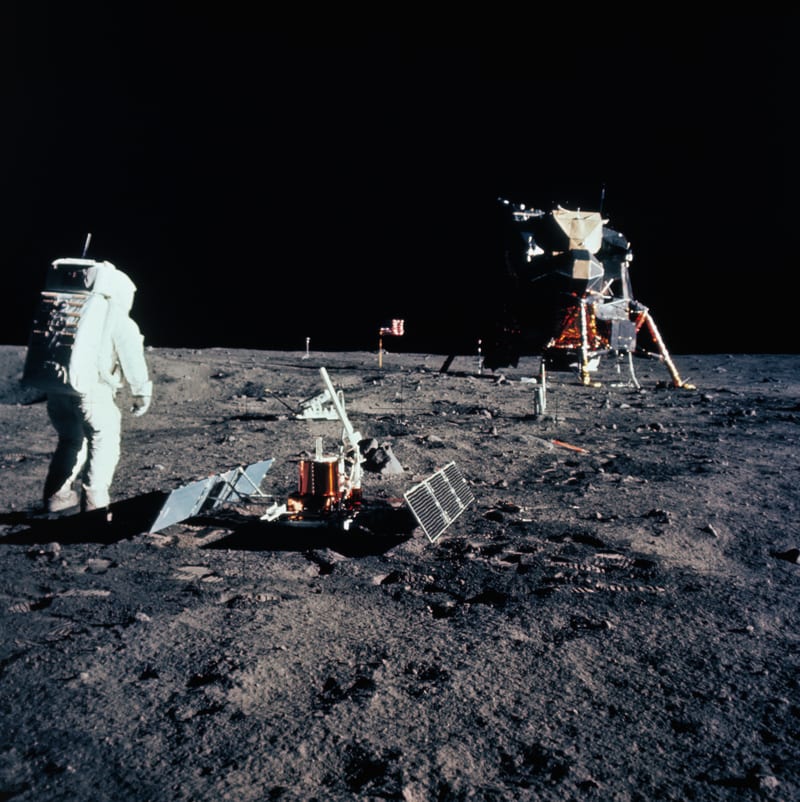
While images from the Apollo missions captured lobate scarps and hinted at the Moon's shrinkage in the 1970s, it wasn't until the 2000s that scientists became sure of this. Aided by NASA's LRO, which has been orbiting the Moon for over 17 years now, scientists led by Watters himself published a paper in August 2010 revealing how lobate scarps observed by the LRO were young (less than a billion years old) and distributed across the lunar surface. This provided the first definitive evidence of the Moon's shrinkage, hinting that our natural satellite was still contracting.
The recent study builds on this, putting a figure on the Moon's shrinkage and characterizing the nature of its surface. In addition to helping us better understand lunar history, the study also reveals how some areas of the Moon are more stable than others, insights that will likely be invaluable as NASA prepares to return humans to the Moon via the Artemis missions before the end of this decade and establish a long-term presence there.
More on Starlust
‘A jaundiced Moon’: Artemis II astronauts saw the lunar surface in colors like never before
Artemis IV: NASA just asked Axiom to revise spacesuits for 2028 Moon landing. Here's why