NASA’s SPHEREx telescope shows brown dwarfs have atmospheres similar to our solar system giants
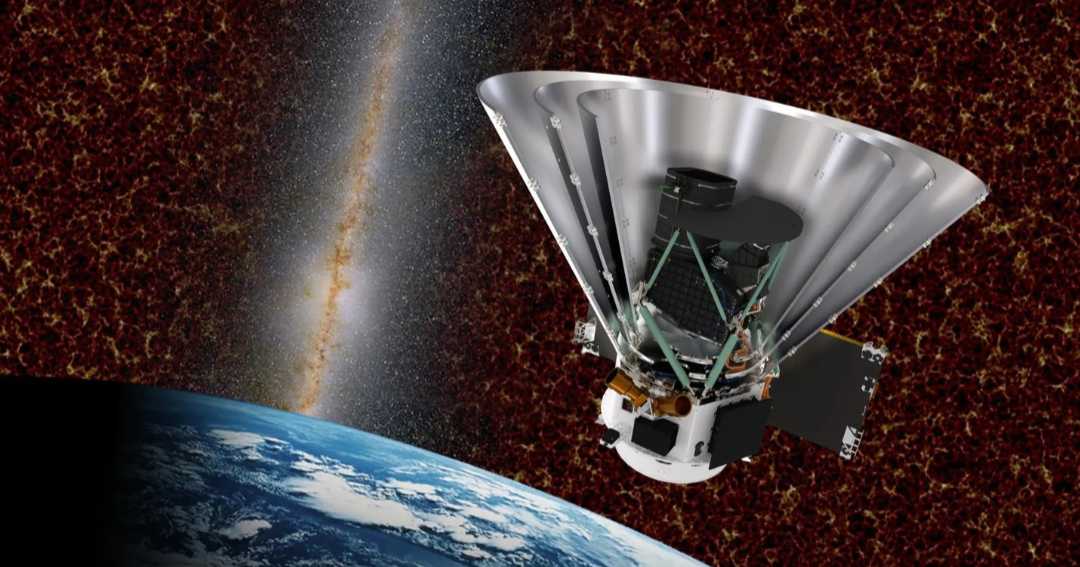
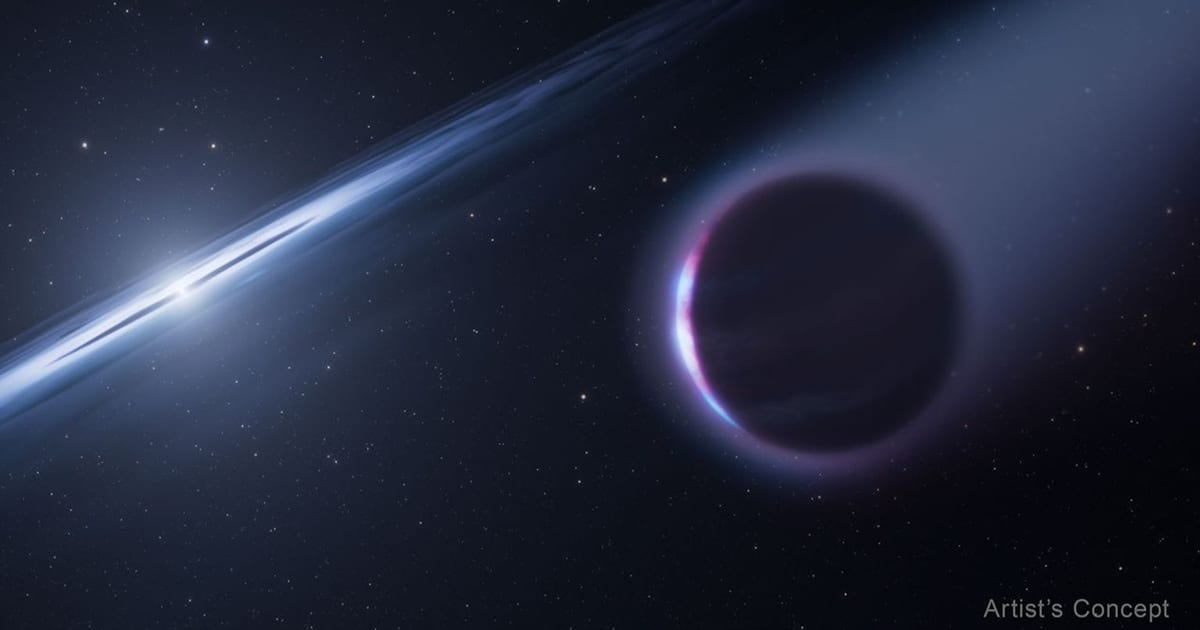
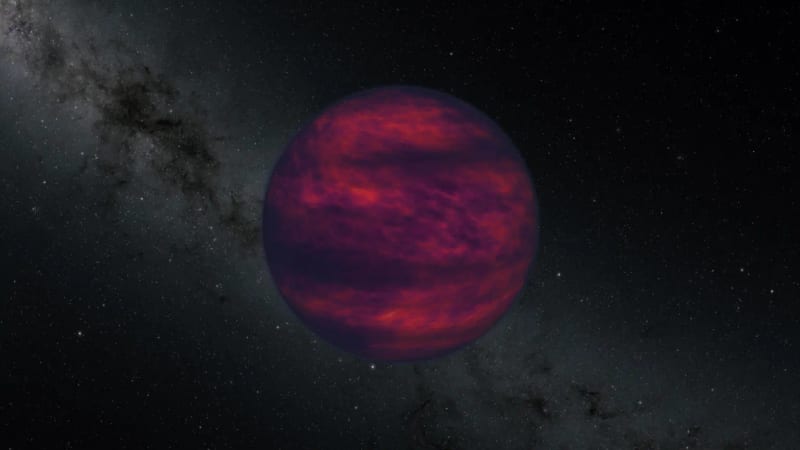
NASA's SPHEREx telescope is giving astronomers a closer look into brown dwarfs—intriguing celestial bodies that occupy a fascinating middle ground between planets and stars. A new study published in The Astrophysical Journal on September 28, using the space telescope's observations, reveals that these bizarre objects exhibit chemically rich atmospheres, very similar to the massive planets in our solar system. The findings highlight the complexity of brown dwarf atmospheres while exposing limitations in existing atmospheric models of brown dwarfs.
As of now, only around a dozen brown dwarfs have been examined using space-based telescopes. Scientists are endeavoring to study more of them because most of their understanding of the composition, atmospheric activity, and evolution of these objects is based on theoretical models alone. NASA's SPHEREx, an infrared space telescope launched in March 2025, is an important tool in this regard, as it can aid astronomers in studying several more of these.
Why SPHEREx is suitable to study brown dwarf atmospheres
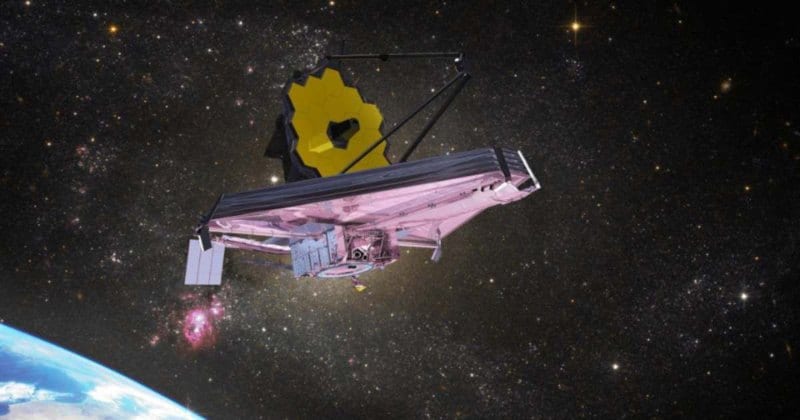
As is known, brown dwarfs emit much of their energy as infrared radiation after undergoing gradual cooling, making infrared telescopes particularly useful for studying them. Though these brown dwarfs have been observed by other observatories, such as NASA’s James Webb Space Telescope and the retired Spitzer Space Telescope, NASA says SPHEREx is now able to spot far more—around thousands of these objects for the first time across deep-red and infrared wavelengths, owing to its broad spectral coverage.
Zafar Rustamkulov, lead author of the study and a scientist at IPAC, Caltech’s science and data center in Pasadena, California, states that SPHEREx, stationed in its orbit, has the ability to spot wavelengths that cannot be observed by ground-based telescopes, as these wavelengths can get absorbed by the water present in our planet's atmosphere.
What the study reveals: The complex chemistry of brown dwarfs
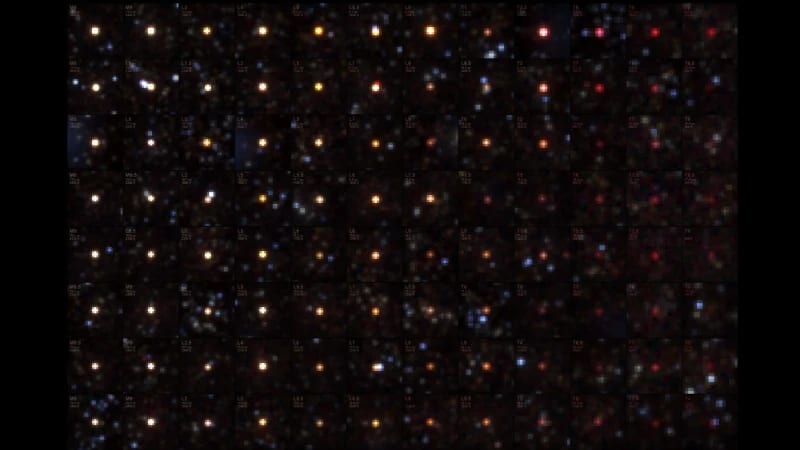
In the new study, researchers analyzed observations of 37 nearby brown dwarfs spanning temperatures of approximately 4,000 to minus 10 degrees Fahrenheit. Their spectra revealed signatures of water, methane, carbon monoxide, and carbon dioxide. These molecules help scientists investigate atmospheric composition and the chemical processes occurring within these objects.
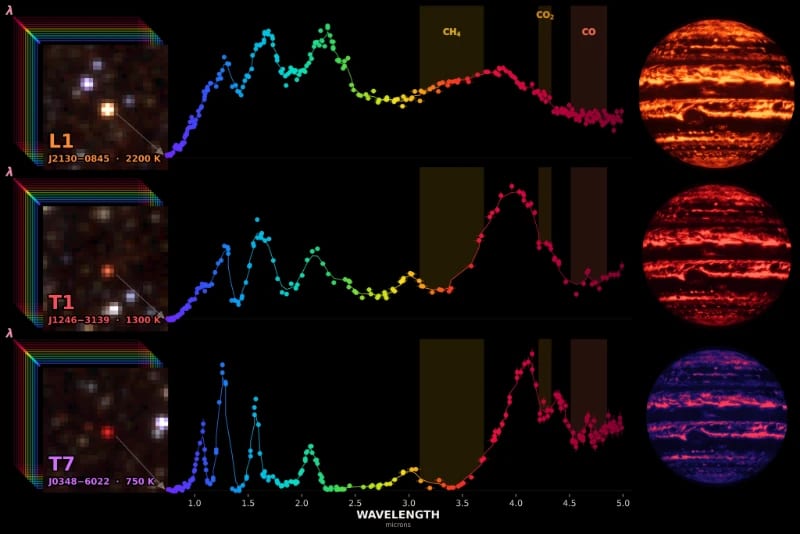
Referring to the brown dwarfs drifting freely through space without orbiting a host star, Rustamkulov said, “They’re kind of goth. Unlike exoplanets, free-floating brown dwarfs are completely independent celestial objects that will fade into eternity alone. We’re still learning how complex they are.” Meanwhile, study coauthor J. Davy Kirkpatrick, a scientist at Caltech’s IPAC, stated, “Our paper concentrated on just three dozen, but we have thousands more that we are in the process of analyzing. I really want to see what bounds the universe places on the variety of brown dwarfs.”
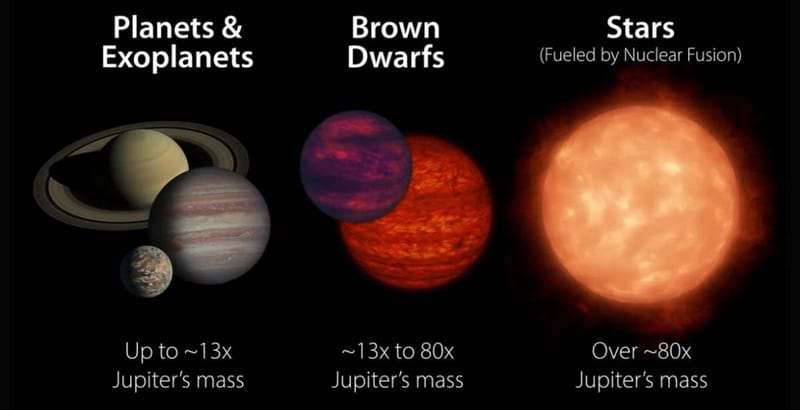
Limitations in existing models: Comparing brown dwarfs' infrared fingerprints with computer predictions
The researchers compared the observed spectra with several theoretical atmospheric models on brown dwarfs: Sonora Diamondback, Elf Owl, BT-Settl, ATMO2020, and ATMO2020++. Although the models reproduced broad trends across the brown dwarf population, they struggled to match certain infrared brightness peaks and absorption features. The largest discrepancies, the authors say, appeared around absorption features associated with carbon monoxide and carbon dioxide. It was seen that certain brown dwarfs observed were undergoing a transitional phase, with their clouds thinning out, allowing methane-rich atmospheric layers to become more prominent in their spectra. “The state-of-the-art models are capturing the general chemical trend, but when it comes to these cloudy transitions, the models are struggling to match the data,” said Rustamkulov. “No two brown dwarfs are alike. Even at the same temperature, their spectra look quite distinct."
According to the researchers involved in the paper, the spectra analyzed in the current study, in combination with future SPHEREx findings, will help in identifying gaps in the models and introduce improvements in them.
More on Starlust
A brown dwarf may have dimmed a star in what was one of the longest eclipses ever
Rotation may be the key factor separating giant planets from 'failed stars,' say scientists