Artemis mission update: NASA tests hardware for refueling spacecraft in low-Earth orbit
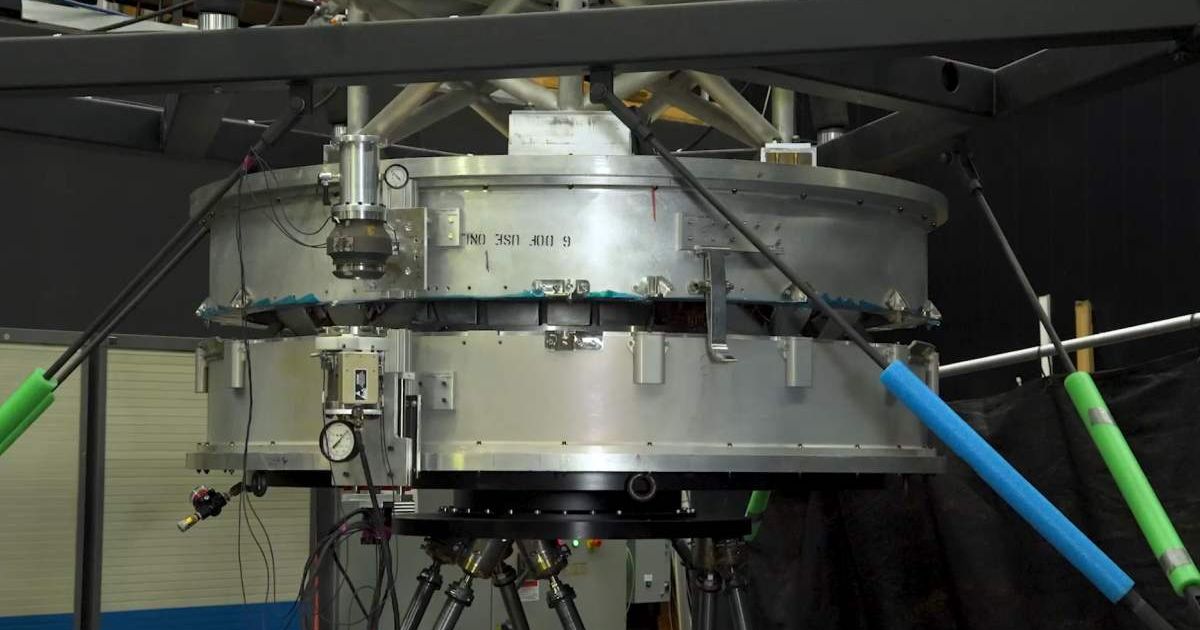
Engineers at NASA's Marshall Space Flight Center in Huntsville, Alabama, tested a special piece of spacecraft hardware last week that could play a key role in the agency's Artemis missions to the Moon. This device is known as a cryocoupler, and it allows the transfer of fuel between spacecraft while in low Earth orbit. While the statement released by NASA on June 26, 2026, does not explicitly name the spacecraft this cryocoupler will be a part of, the agency's commercial partner SpaceX is known to have designed its approach to delivering massive payloads to the lunar surface around the concept of refueling its Starship in space.
For @NASA’s next generation of deep space exploration missions, spacecraft may need to refuel in Earth orbit before pushing farther into the solar system.
— NASA Marshall (@NASA_Marshall) June 26, 2026
Engineers from #NASAMarshall and L3Harris are testing a technology vital for in-orbit refueling: https://t.co/oeqGBtvzpj pic.twitter.com/4w6HErAIAq
The cryocoupler was built by L3Harris, and teams from the company collaborated with engineers at MSFC to conduct the tests. The device was developed to overcome the specific hurdles that make in-space fuel transfer an engineering challenge. SpaceX has indicated that multiple launches of fuel tankers will be needed to bring fuel to a single, orbiting fuel depot, which will in turn fill up the lunar-bound Starship spacecraft before it departs for the Moon. To achieve this, multiple tanker Starships will need to rendezvous and dock with this single depot in orbit. Bearing such complex operations in mind, each attempt at refueling Starship could present issues that aren't faced when fueling up on the ground. "The cryocouplers we’re working on can attach and detach multiple times and are fully automated, so astronauts won’t have to perform a spacewalk to transfer propellant,” said Travis Belcher, Cryocoupler Project Manager at MSFC. Expanding on the design considerations behind the cryocoupler device, Belcher added, “They’re rigorously designed to withstand space and sized for the expected tank designs."
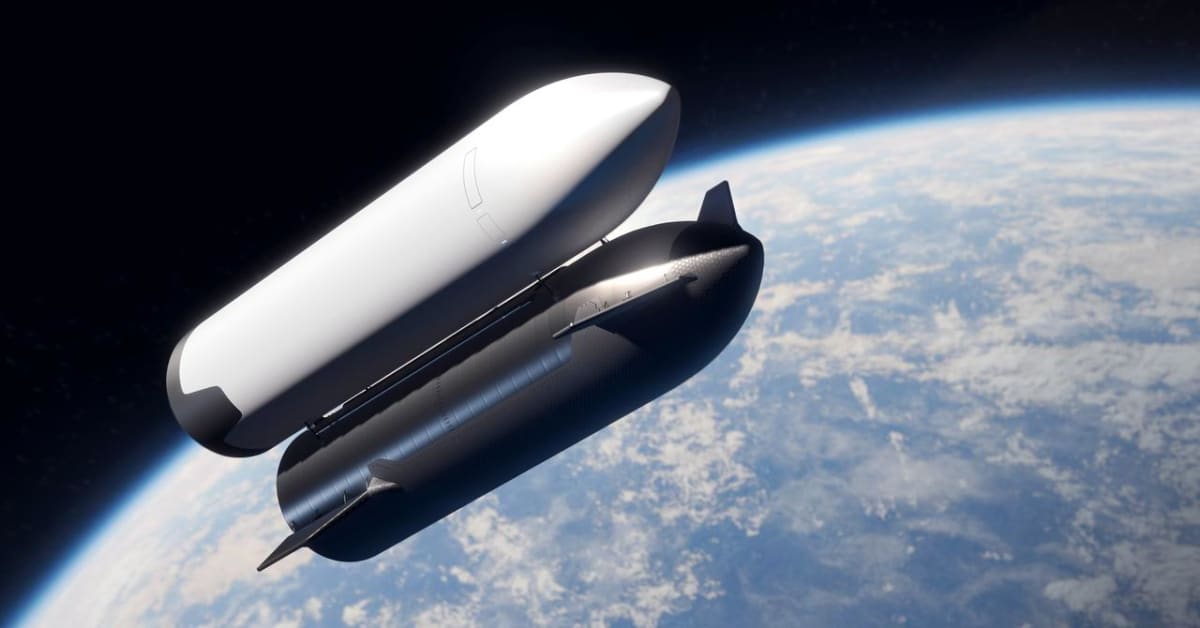
The transfer of cryogenic propellants like liquid hydrogen and liquid oxygen between two spacecraft has never been attempted before in space, even if fuel transfer between multiple tanks has been tested within the confines of the same spacecraft by SpaceX. It is also clear that in-space refueling is on the agenda of the Chinese space program, with docking hardware designed for this purpose recently tested by an aerospace startup from China using a robotic arm. Moving large quantities of cryogenic fuel at temperatures hundreds of degrees Fahrenheit below freezing places strict demands on the materials used for the hardware. Moreover, they must function flawlessly in the harsh environment of space. According to NASA, the primary focus of the tests was on the cryocoupler's basic functionality.
The first of the tests involved running liquid nitrogen at minus 321 degrees Fahrenheit through the cryocoupler to understand how the materials behave in connected and disconnected states, particularly noting the contraction that materials experience when in contact with such extreme cold. The second type of test put the cryocoupler through its operational paces to ensure it functions during a rendezvous. This was deemed vital because, unlike ground-based couplers that are connected manually before launch while everything is stationary, these in-space cryocouplers must connect and seal properly even when the two spacecraft are slightly misaligned. To replicate this scenario, one half of the cryocoupler was fixed while the other half was mounted on a freely moving platform. It should also be noted that these orbital cryocouplers are not as big as the ones used when tanking a rocket on the ground, which means fuel will be transferred at a slower rate.

While the device is still in the early stages of development, NASA will continue to refine the cryocoupler's design based on the needs of each specific mission. Speaking on this, Belcher noted, "Future test campaigns will design them for specific missions and assess them more meticulously based on that mission’s requirements." The highly complex concept of in-space fuel transfer was conceived to overcome the payload capacity limitations of the rocket equation—a physical reality where 90% of a rocket's launch mass must be fuel just to reach orbit. However, should a reliable cryocoupler feature onboard a future spacecraft like Starship, the massive boost in payload capacity would accelerate ambitions for a permanent Moon Base, allowing for the delivery of heavy lunar terrain vehicles, sprawling habitation units, and other vital infrastructure.
More on Starlust:
Moon landers for Artemis III: SpaceX, Blue Origin provide progress updates at NASA event
SpaceX's Starship V3: Five things we learned from the launch of the most powerful rocket ever built