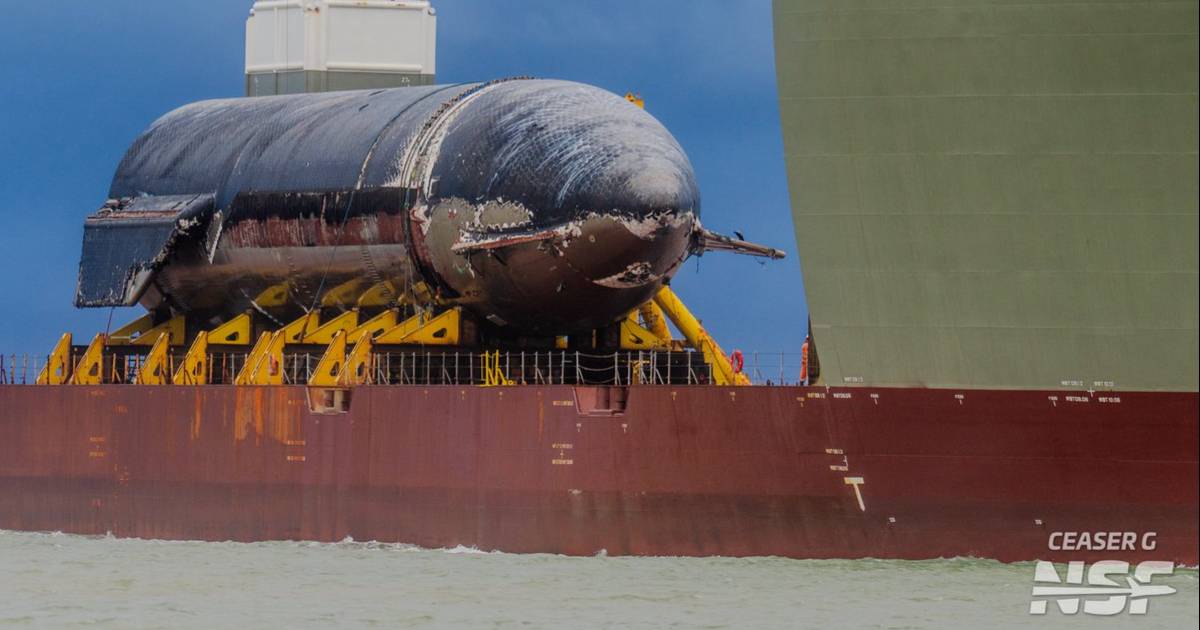
Artemis II heat shield vs Artemis I: NASA's initial assessment shows marked improvement
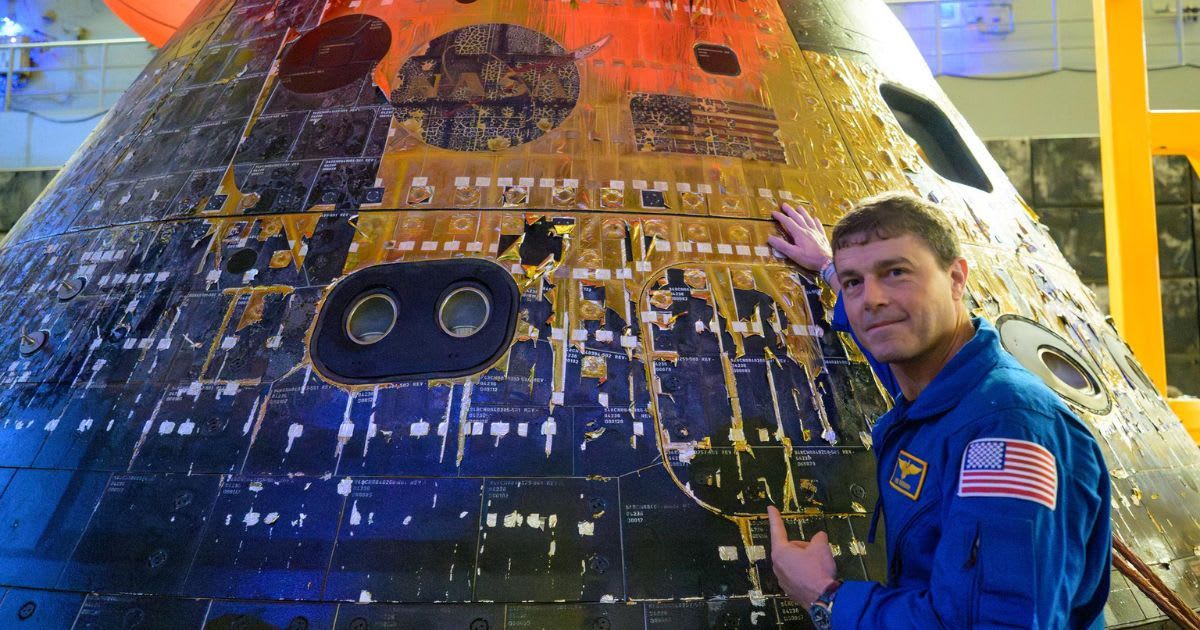
Right after Artemis II’s splashdown on April 10, Orion’s heat shield underwent almost immediate inspection by NASA engineers, almost with the same urgency as the astronauts being received. The component was crucial to the safe return of the lunar mission crew, and it did its job well, especially compared to how it performed in the uncrewed Artemis I mission. Early analysis shows significant improvements with the heat shield and how it withstood the extreme re-entry conditions. Studying this further will help NASA make critical upgrades to the component for upcoming missions like Artemis IV and beyond.
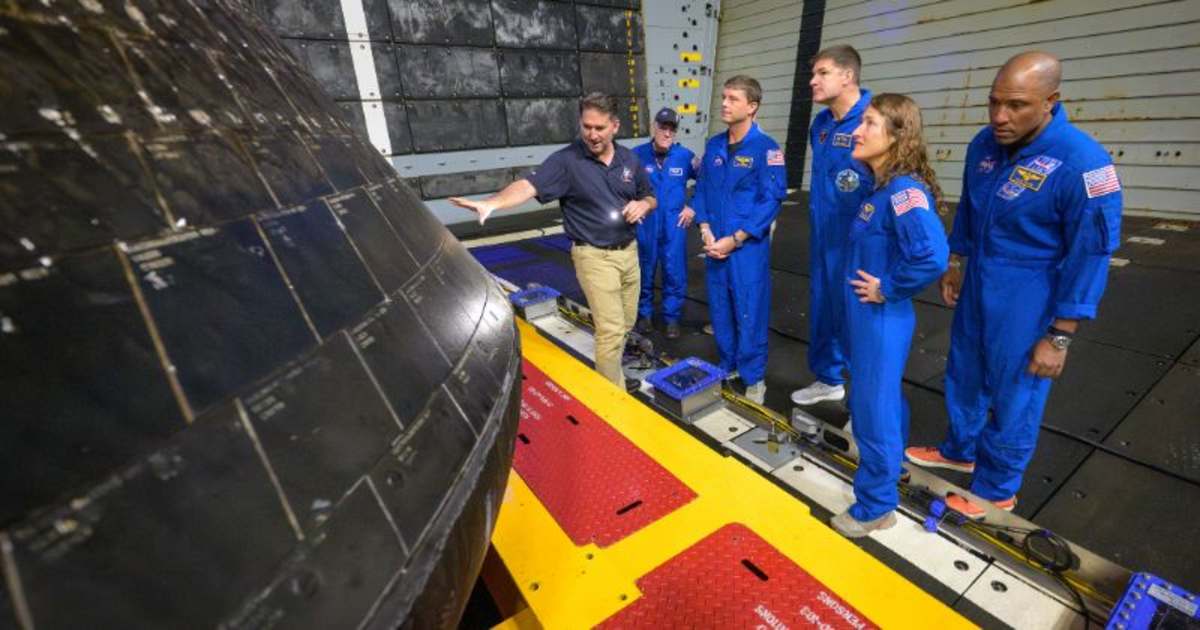
After splashdown, NASA sent divers to take pictures of the heat shield while also getting additional airborne imagery during reentry that will help them analyze how it performed. Initial assessment shows that there was reduced char loss in terms of both quantity and size, and the heat shield’s overall performance was consistent with what NASA had seen with arc jet ground testing done after Artemis I. The bottom line is that some char loss still occurred, but not at dangerous levels.
Thorough analysis has identified the root cause of char loss seen on the Artemis I heat shield. NASA determined that crew can safely fly on #Artemis II using the existing Orion heat shield design. Launch is now targeted for April 2026. More: https://t.co/SF4RsDGriO pic.twitter.com/3XBz2kVoYb
— Orion Spacecraft (@NASA_Orion) December 5, 2024
This char-loss behavior wasn’t the case in 2022, when Artemis I’s heat shield suffered more damage than expected. A 2024 report from NASA’s OIG found that over 100 areas of the protective char layer cracked and broke off, creating debris (as opposed to melting as intended). During descent, these fragments could threaten damaging the parachutes. As a result, NASA adjusted the re-entry trajectory for Artemis II while retaining the same design for the heat shield. This allowed a steeper entry angle, which reduced the time spent in extreme temperatures for a smoother, safer re-entry. In comparison, Artemis I’s re-entry path had the uncrewed Orion dipping in and out of the atmosphere to slow down before landing.

At a post-mission press briefing, Artemis II commander Reid Wiseman spoke about how NASA was going to thoroughly analyze “every atom” of Orion’s heat shield. Based on Artemis I’s findings, the new trajectory’s horizontal target line was changed from 2,300 nautical miles to around 1,700 to reduce the time spent. Speaking about their first glimpse of the heat shield after splashdown, Wiseman shared, “Certainly when we went up to the vehicle, there was a little bit of char loss on what’s called the shoulder, which is kind of where the heat shield meets the structure of the cone shape of the spacecraft,” he explained. “But the bottom—we leaned under and looked at the bottom of that thing—it looked wonderful to us.”
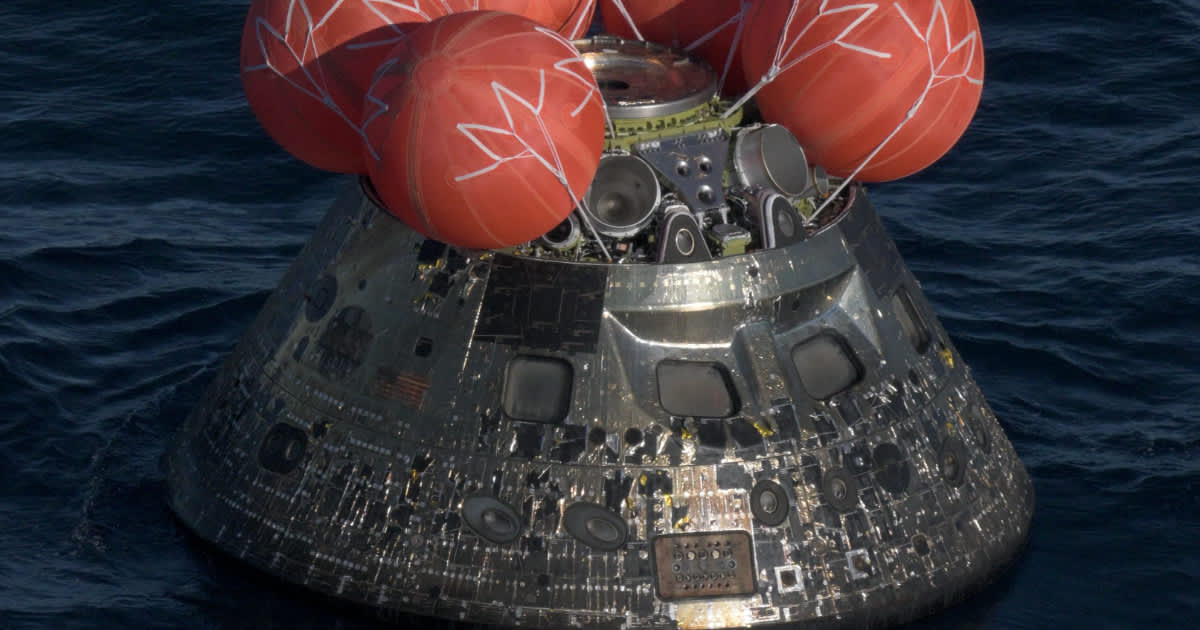
Moon missions come back to Earth at insane speeds, resulting in temperatures soaring up to 5,000°F around the crew capsule. Therefore, the heat shield’s performance can make or break a mission, and that’s why NASA will continue to conduct more detailed analysis into the component. The findings will allow scientists to update the heat shield design for Artemis IV, which is bound to undergo similar re-entry conditions. Artemis III, on the other hand, will likely be less extreme since it focuses on testing docking operations with lunar landers in low-Earth orbit.
More on Starlust
Next-gen spacesuit delays threaten NASA's Artemis program and ISS operations, report warns
NASA just rolled out the biggest part of Artemis III rocket out of Michoud Assembly Facility