SpaceX's Falcon Heavy returns after 18 months to launch ViaSat-3 mission today—how to watch it live
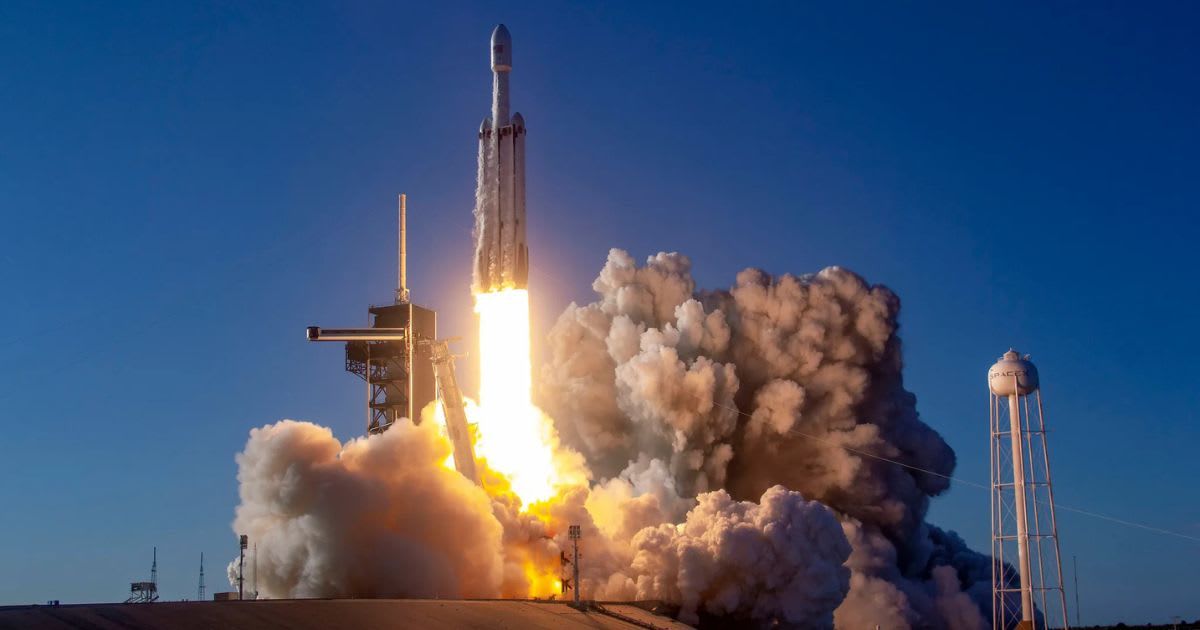
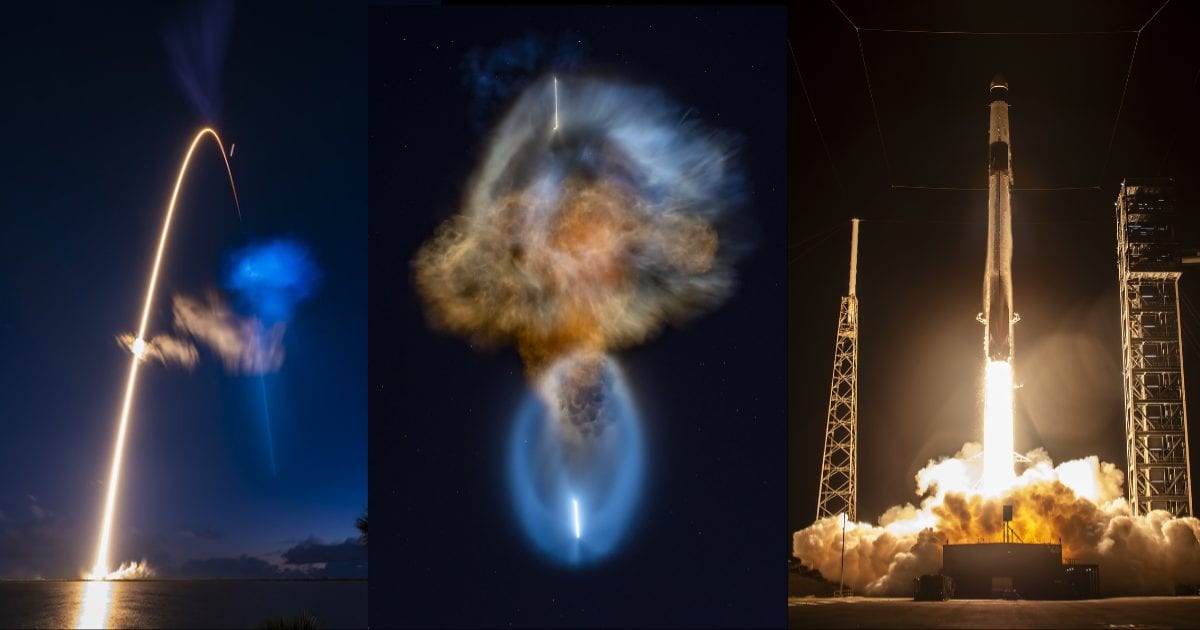
Today, SpaceX’s Falcon Heavy returns to flight after almost 18 months. This much-awaited liftoff is scheduled for 10:21 a.m. EDT today (Monday, April 27), from Launch Complex 39A at NASA’s Kennedy Space Center in Florida. The expected 85-minute launch window closes at 11:46 a.m. EDT, with a backup opportunity starting at 10:17 a.m. EDT tomorrow (Tuesday, April 28). The mission’s goal is to carry the ViaSat-3 F3 broadband satellite to geosynchronous transfer orbit—roughly 22,236 miles (35,786 km) above Earth.
Falcon Heavy is at pad 39A in Florida ahead of tomorrow’s launch of the @viasat-3 F3 mission. The 85-minute launch window opens at 10:21 a.m. ET → https://t.co/Z9nzcfYdVU pic.twitter.com/erKNXULRyW
— SpaceX (@SpaceX) April 27, 2026
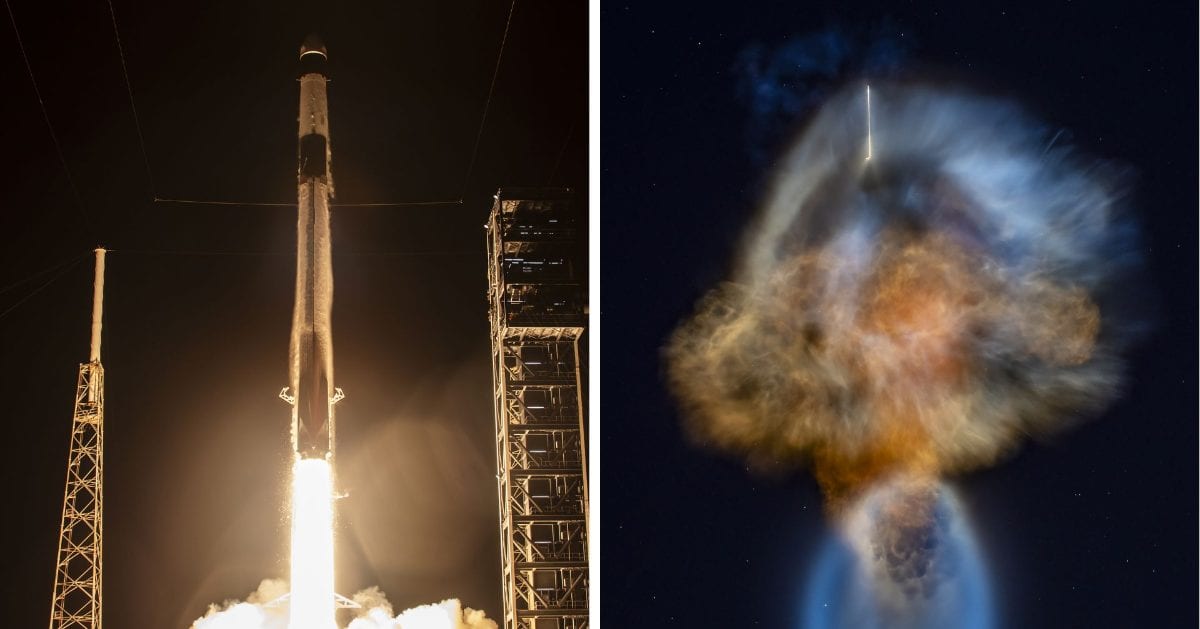
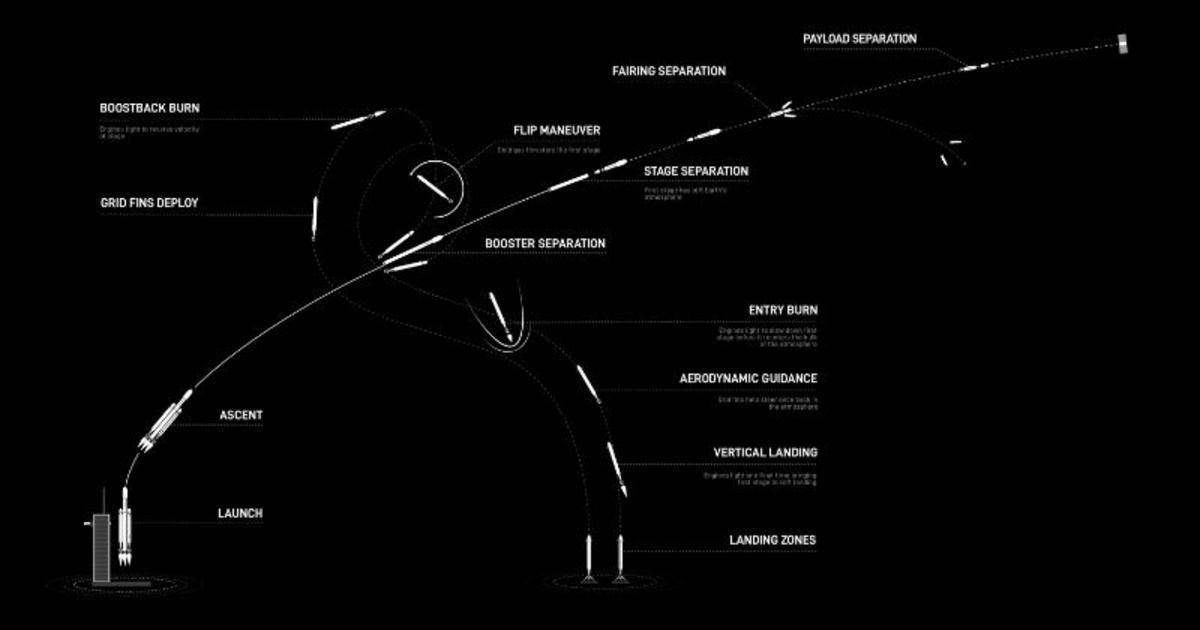
SpaceX has confirmed that they will provide a live webcast of the ViaSat-3’s Falcon Heavy launch about 15 minutes before liftoff. Audiences can tune in on the company’s official website, X/Twitter (@SpaceX), and the X TV app. The launch sequence of the Falcon Heavy is expected to begin with all three boosters firing up simultaneously for liftoff. After ascent, the side boosters will separate and return to land. Meanwhile, the core stage will continue to power the upper stage, which, in turn, will deploy the payload roughly five hours after launch.
The massive broadband satellite will be the third and final in the ViaSat-3 constellation. F1 was launched in April 2023 on a Falcon Heavy to provide network connectivity to customers on airplanes. F2, launched on an Atlas V rocket in November 2025, was designed to provide extensive coverage for the Americas, while F3 intends to expand this to the Asia-Pacific region for global broadband coverage.
ViaSat-3 F3 is designed to deliver more than 1 Tbps of throughput, with dynamic beam forming capabilities designed to move capacity where it's needed most.
— Viasat (@viasat) April 23, 2026
Launching soon – sign up for updates 👉 https://t.co/HKpv5MfkHC#ViaSat3 #VS3F3 #SatelliteLaunch pic.twitter.com/kIMnFrPGQ6
Falcon Heavy will carry the roughly six-metric-ton satellite to GEO, thanks to its capacity to generate more than 5 million pounds of thrust at liftoff. The rocket is built from three modified Falcon 9 boosters and can lift nearly 64 metric tons to orbit, making it one of the most powerful operational rockets today. According to SpaceX, this particular ViaSat-3 mission will feature reused side boosters—one that previously flew SDA-0A, SARah-2, Transporter-11, and 18 Starlink missions, and another that flew the GOES-U mission. After stage separation, the boosters will land at Landing Zone 2 (LZ-2) and Landing Zone 40 (LZ-40) at the Cape Canaveral Space Force Station in Florida, producing twin sonic booms.
Watch the ViaSat-3 F3 launch live right here 🚀
— Viasat (@viasat) April 25, 2026
📆 Monday, April 27
⏰ 10:21 a.m. EThttps://t.co/nKF7Ah9Oan
The Falcon Heavy has a 100% launch record, completing 11 successful missions, including its debut in February 2018 when it put a Tesla Roadster into solar orbit. However, there's been quite a gap since its last flight in October 2024, when it launched NASA’s Europa Clipper mission. Florida’s Space Coast also expects to see another launch a few hours later on the same day as a United Launch Alliance (ULA) Atlas V rocket takes the next set of Amazon Leo satellites to orbit. This liftoff will occur at or after 8:52 p.m. EDT today from Launch Complex 41 at Cape Canaveral Space Force Station.
More on Starlust
NASA approves Europe's first Mars rover mission for Falcon Heavy launch in late 2028