Artemis II in numbers: 10 facts about NASA’s historic Moon mission
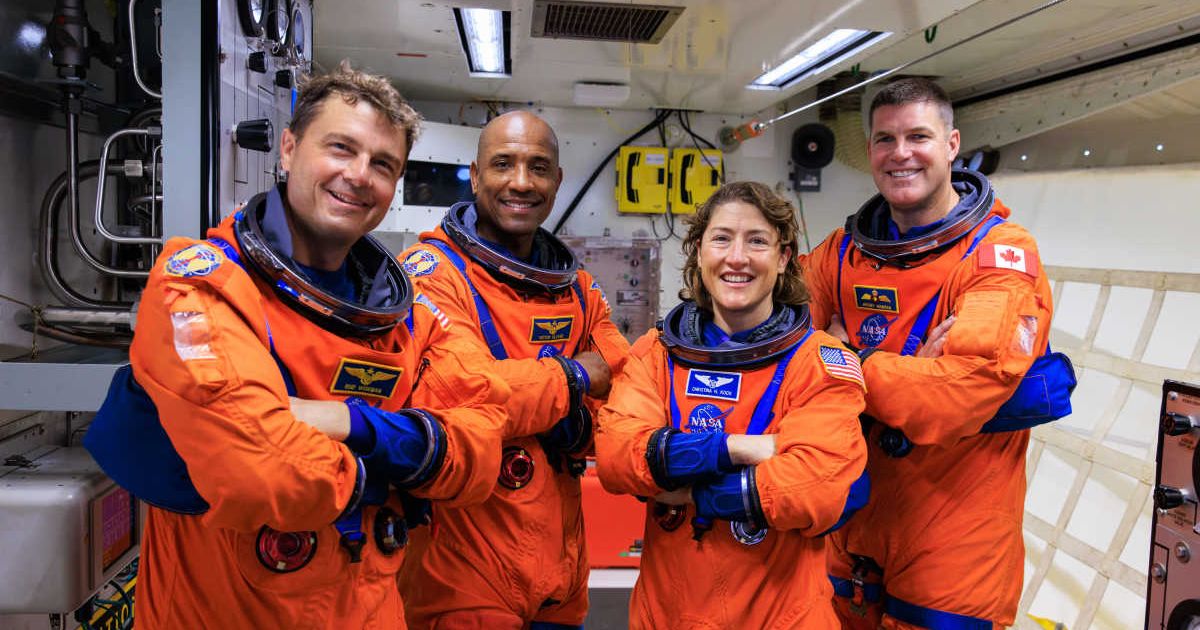
NASA has just taken the first step towards building a Moon Base with the successful completion of its Artemis II mission. The mission featured an international collaboration of industry partners and several countries and has provided the agency with a tremendous amount of data, which will help engineers work on enhancing the chances of success for Artemis III as well. But before we look ahead, let's look back for a bit at some of the numbers that Artemis II put up.

1. First crewed launch of NASA's most powerful rocket
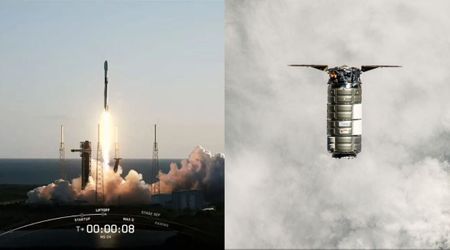
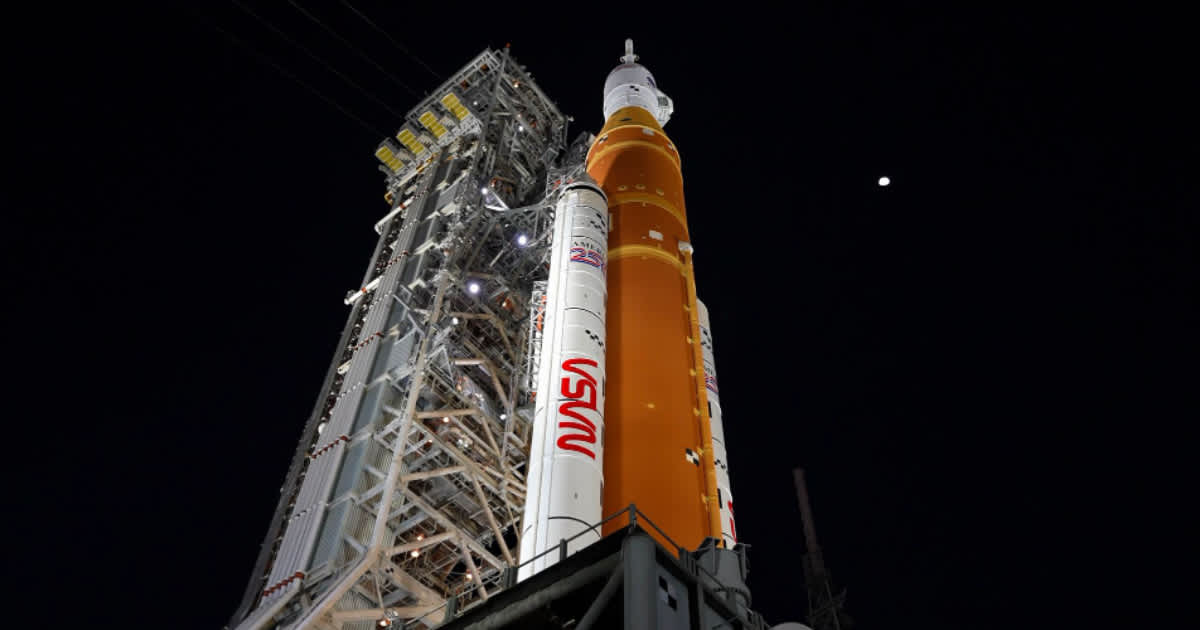
NASA’s Space Launch System rocket carried humans to space for the first time ever as part of Artemis II, producing 8.8 million lbs of thrust at lift-off.
2. Four CubeSats
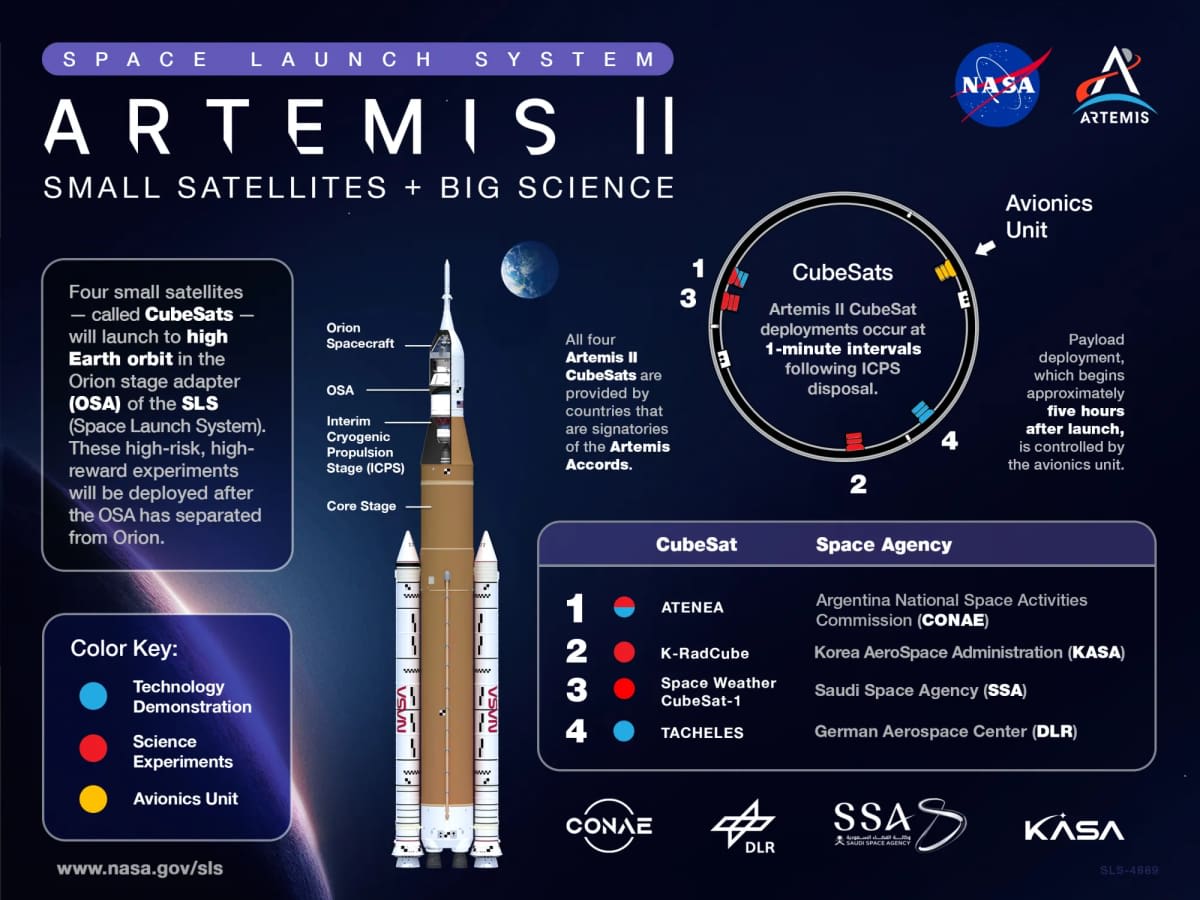
Deployed in high Earth orbit, these four small satellites were attached to the Orion stage adapter of SLS. They were TACHELES by the German Aerospace Center (DLR), K-Rad Cube by the Korea AeroSpace Administration, SHMS (Saudi HEO Magnetosphere Satellite), and ATENEA from Argentina.
3. Six astronaut health studies
Six astronaut health studies were conducted during the mission. Advance Human Spaceflight Research for characterization of effects of deep space travel on humans, ARCHeR (Artemis Research for Crew Health & Readiness), AVATAR (A Virtual Astronaut Tissue Analog Response), Immune Biomarkers for studies into effects of spaceflight on immune system via collection of blood and saliva samples, Artemis II Standard Measures for banking health data, and Radiation Studies using 5,600 passive and 34 active radiation sensors on board the Orion spacecraft.
4. Farthest distance traveled by human beings in space
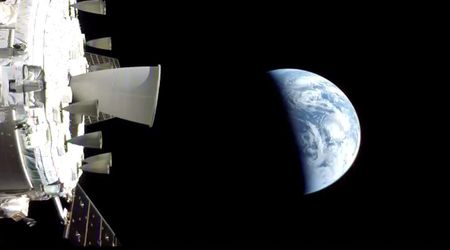
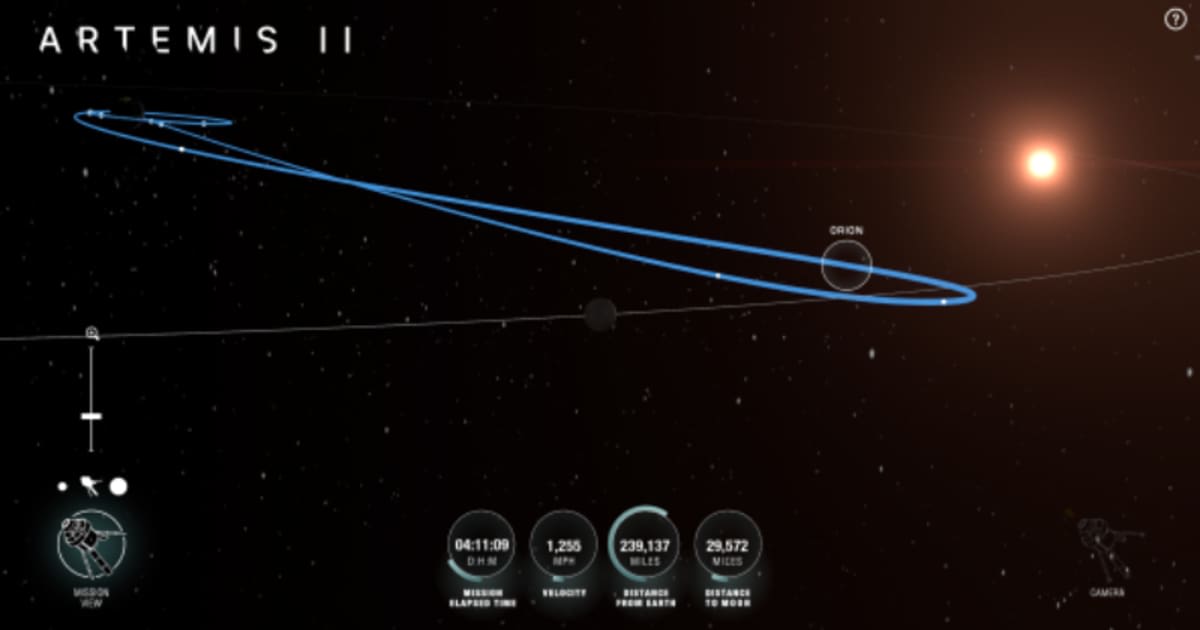
Traveling 252,756 miles from Earth, the Artemis II crew ventured deeper into space than any humans before them. This record eclipsed Apollo 13’s 56-year-old record by 4,101 miles.
5. 4,067 miles from the surface of the Moon
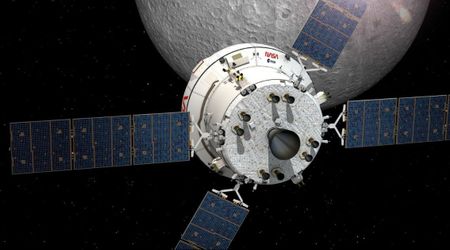
At its closest approach to the Moon, Orion was 4,067 miles from its surface. This took place after the crew entered a planned communications blackout, which lasted about 40 minutes. The latter happened as the Moon obscured signals from Deep Space Network antennas located at different locations on Earth, which form part of NASA’s Space Communications and Navigation (SCaN) program.
6. 7,000+ pictures taken during lunar flyby
Over 7,000 images were captured by the crew during the lunar flyby spanning more than 6 hours thanks to the Nikon D5 and Z9 cameras on board. The first set of pictures revealed some otherworldly views.
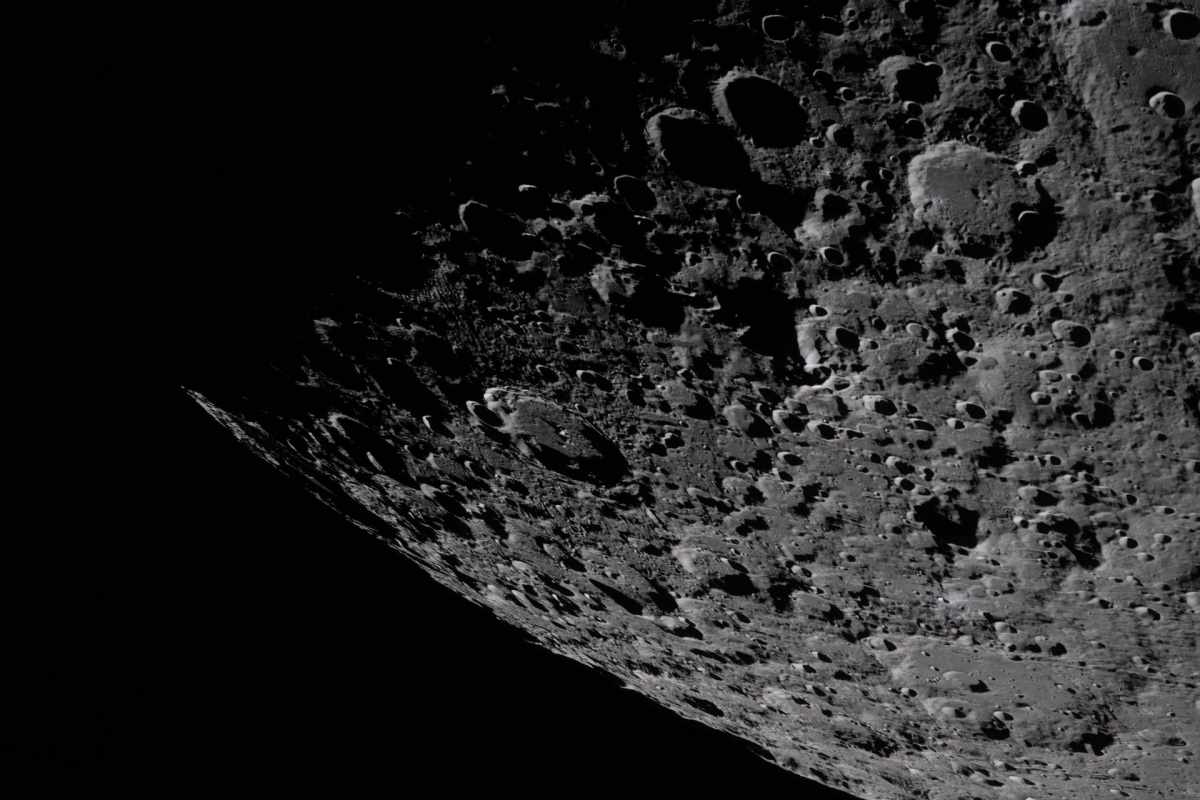
7. Two craters discovered
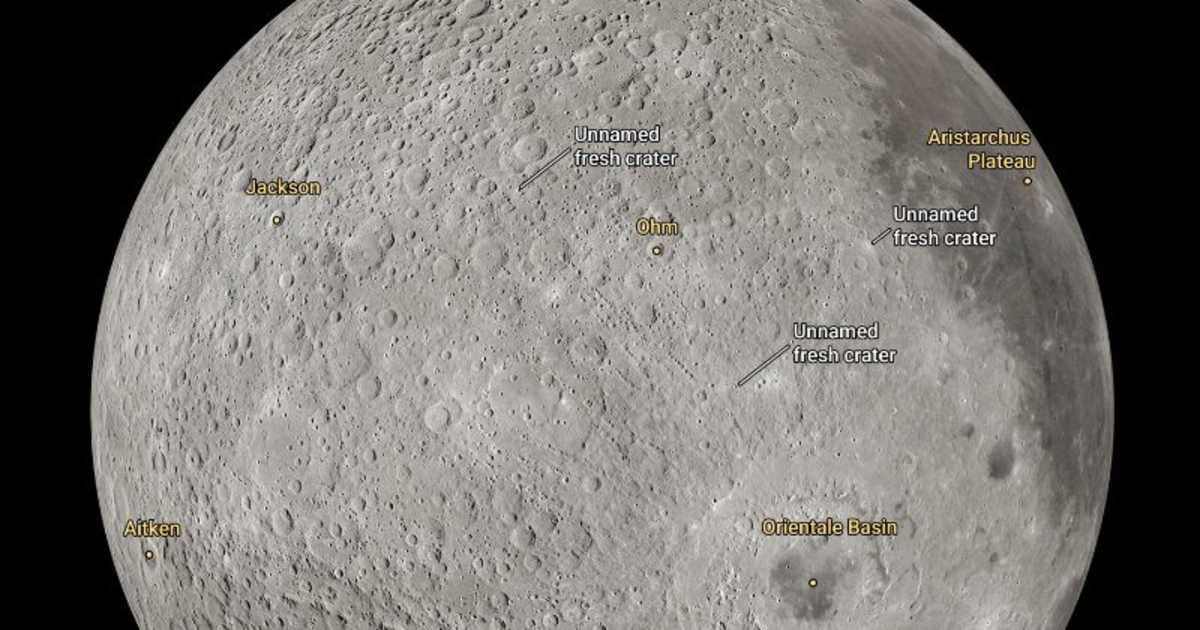
Two new craters, which the crew could spot without any visual aid, were discovered and named. A crater to the northwest of the Orientale basin was named 'Integrity,' after the spacecraft the crew journeyed in. The second crater was named ‘Carrol’ as a tribute to Commander Reid Wiseman’s wife, who died battling cancer in 2020. This crater straddles the near and far sides of the Moon (northeast of the Integrity crater).
8. Six meteoroid impacts seen
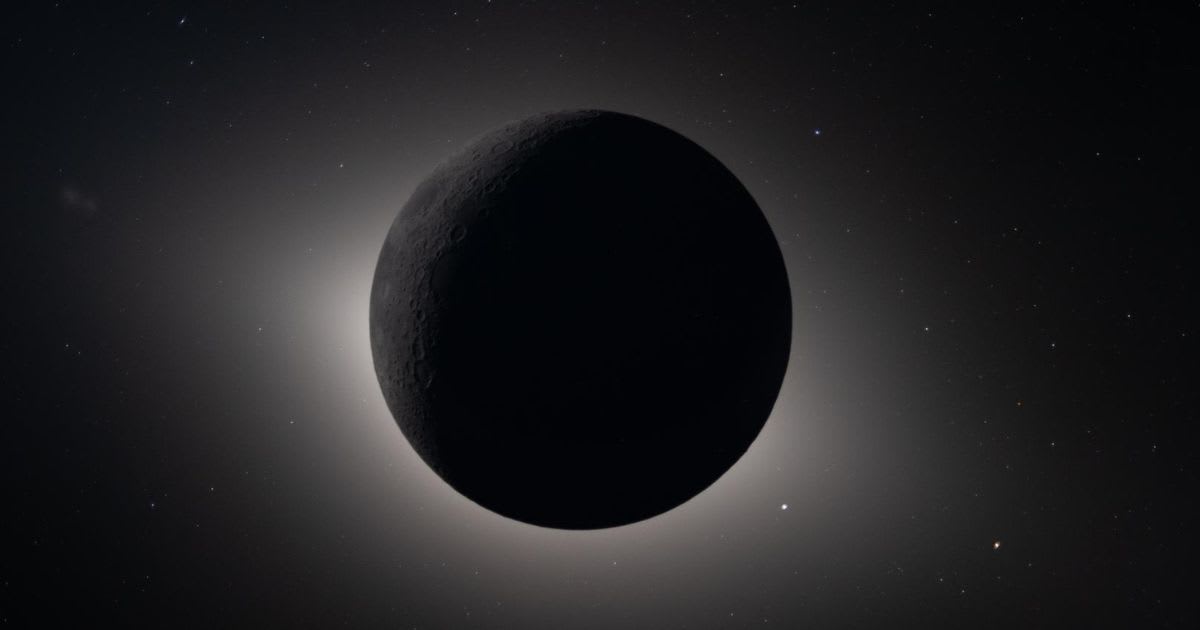
During the lunar flyby, as the Moon eclipsed the Sun from the Artemis II crew's view, causing a total solar eclipse, the astronauts observed as many as six flashes of light created by meteoroids impacting the lunar surface.
9. Highest speed attained
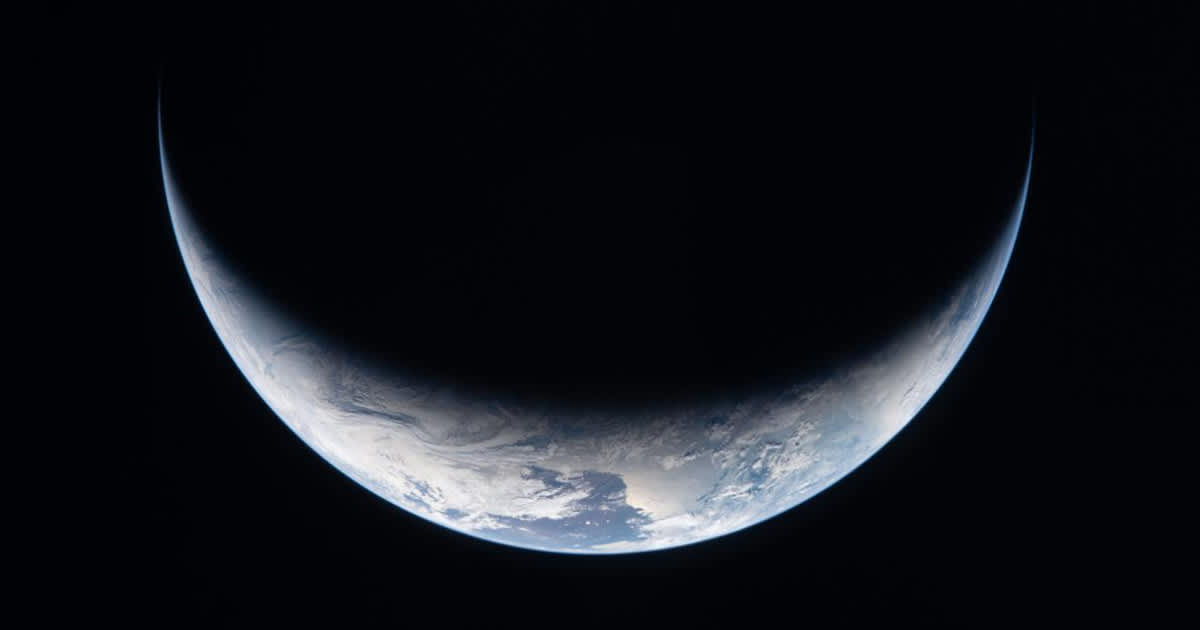
The peak velocity of Orion was 24,664 miles per hour. With the spacecraft having jettisoned its European service module, Integrity fell into Earth's atmosphere with rapidly increasing velocity. Peak velocity was reached just as the spacecraft hit the entry interface of the Earth at an altitude of 400,000 feet.
10. Mission duration
From lift-off to splashdown, the mission spanned a total of 9 days, 1 hour, and 32 minutes, spanning 694,481 miles in total. The mission launched at 6:35 pm EDT on April 1, 2026, from Kennedy Space Center in Florida, and splashed down at 8:07 pm EDT on April 10, 2026, off the coast of San Diego, California.
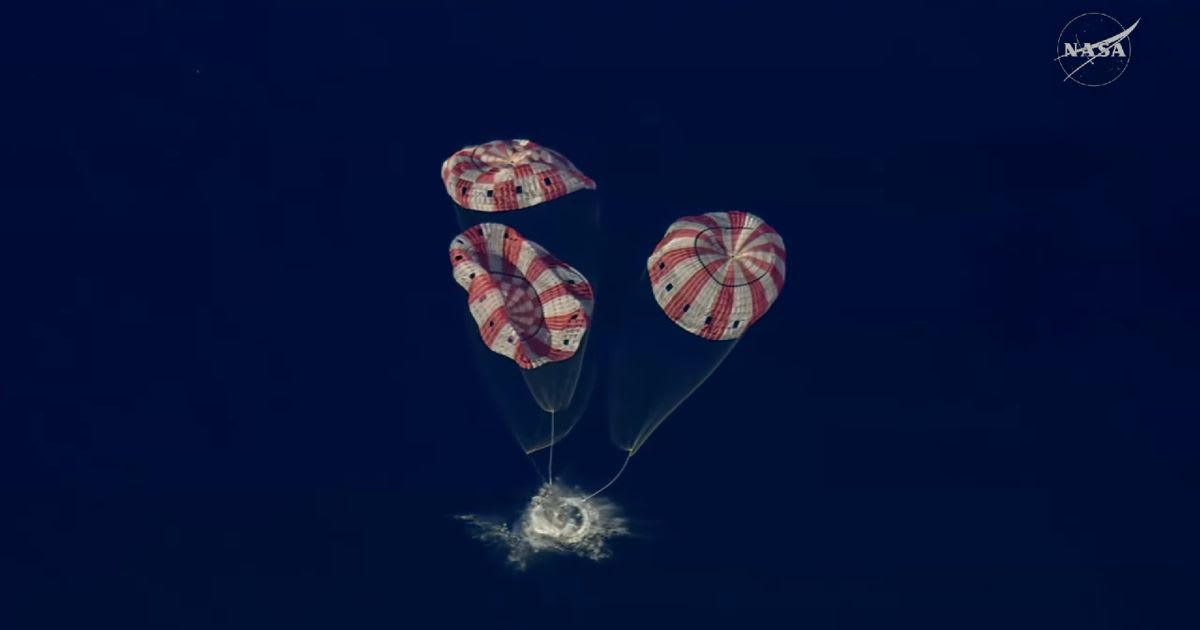
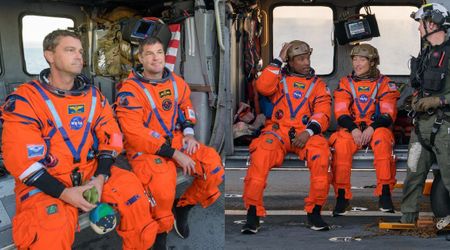
Among other facts about Artemis II are its demographic milestones. It was the first Moon mission for a woman, a non-American and a person of color. Also, during re-entry, the spacecraft achieved 0.4% flight path accuracy, enabling a splashdown within one mile of its target.
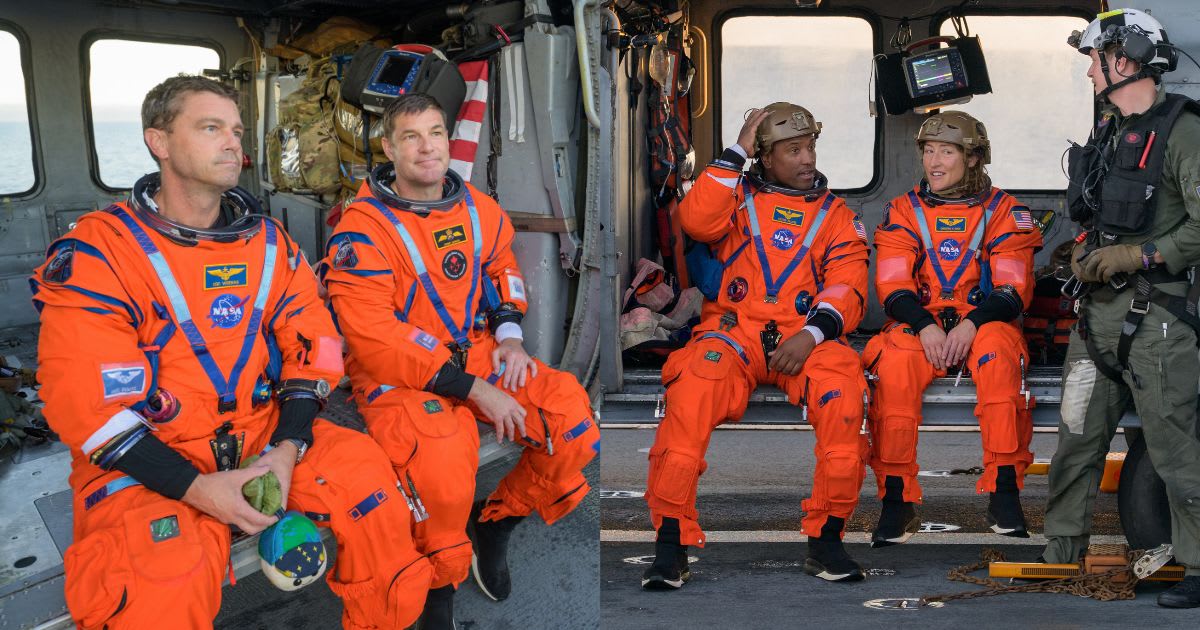
The Artemis program has now received the much-needed boost for NASA to get closer to its desired launch cadence of two launches a year. With more than three years between Artemis I and Artemis II, the next mission is slated for 2027. Its hardware, such as the core stage of SLS, is already nearing arrival at Kennedy Space Center. The central objective of Artemis III will be to test the industry partner-provided human landing systems in Earth’s orbit, to be used for lunar touchdowns in 2028 for Artemis IV and V. Both Blue Origin and SpaceX have been known to have tests planned for their Blue Moon and Starship V3 spacecraft, respectively, in the near future. The likes of the uncrewed CLPS missions will also help NASA prospect the lunar terrain for the determination of landing and settlement locations.
More on Starlust
NASA resets Artemis roadmap, shifts Artemis III from crewed lunar landing to Earth-orbit test
NASA advances Artemis IV preparations with key water system activation at Stennis Space Center