Earthset to Earthrise: Artemis II aces key lunar flyby phase, sets new spaceflight distance record
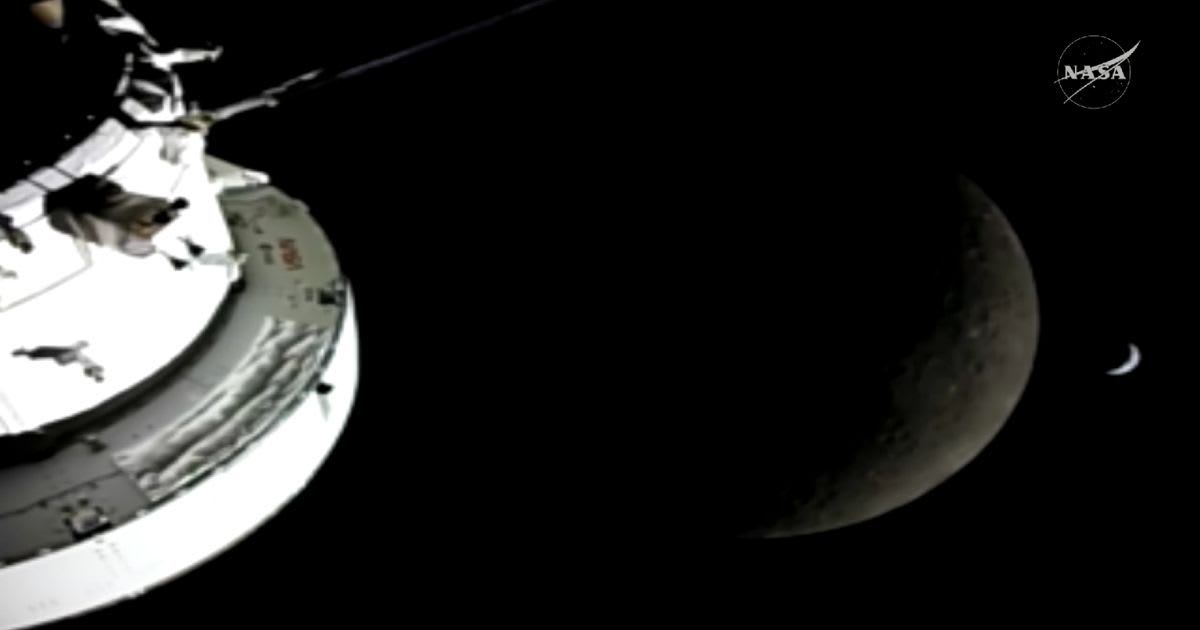
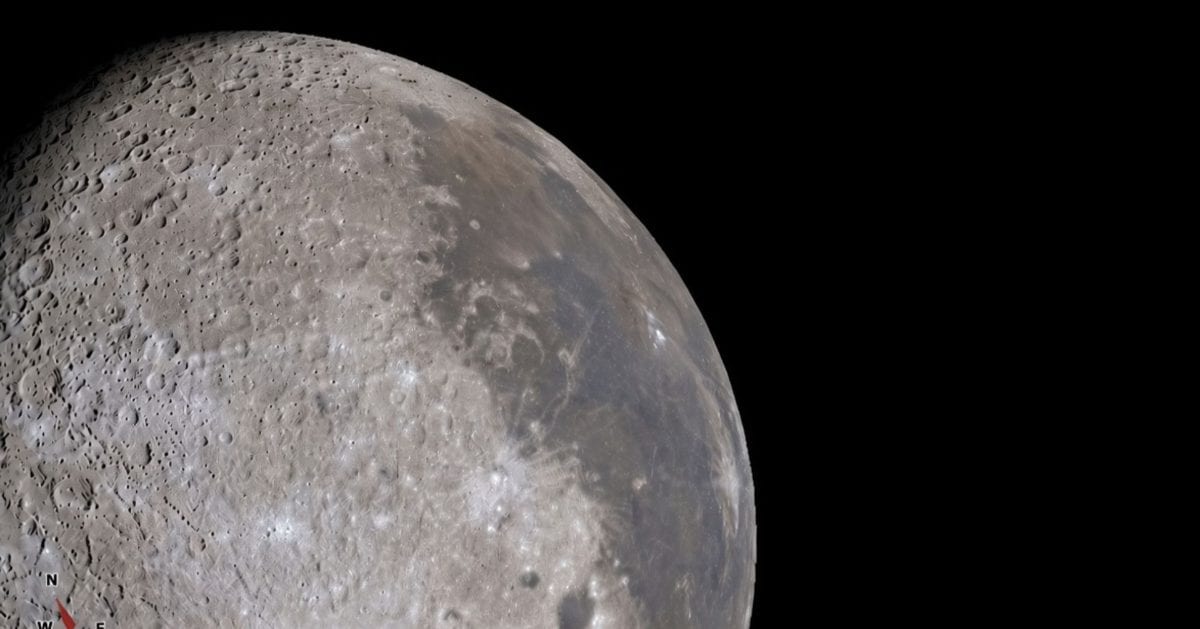
NASA’s Artemis II concluded what is arguably the most dramatic phase in its lunar flyby. The Orion spacecraft successfully passed behind the Moon, reached the point of closest approach, and reestablished contact with Earth after a brief but expected comms blackout. This key sequence, going from Earthset to Earthrise, was a critical part of the already groundbreaking mission. Notably, during this chain of events, the crew extended their record distance away from Earth to a maximum of 252,756 miles, setting a new record for human spaceflight.
During today's lunar flyby, Mission Control regained communications with Artemis II after a planned communications blackout as the Orion capsule traveled on the far side of the Moon.
— NASA (@NASA) April 7, 2026
After a few hours of science observations from the crew during the flyby, the sequence of events began at 6:41 p.m. EDT as the crew witnessed the Earth disappearing below the Moon’s horizon i.e. the “Earthset.” This meant that the Orion spacecraft was all set to lose communications with Mission Control since the Moon blocks all radio signals. In preparation for this blackout period, Artemis II pilot Victor Glover sent a message to people watching this iconic event live. “As we prepare to go out of radio communication, we’re still going to feel your love from Earth,” said Glover. “And to all of you down there on Earth and around Earth, we love you, from the Moon. We will see you on the other side.”
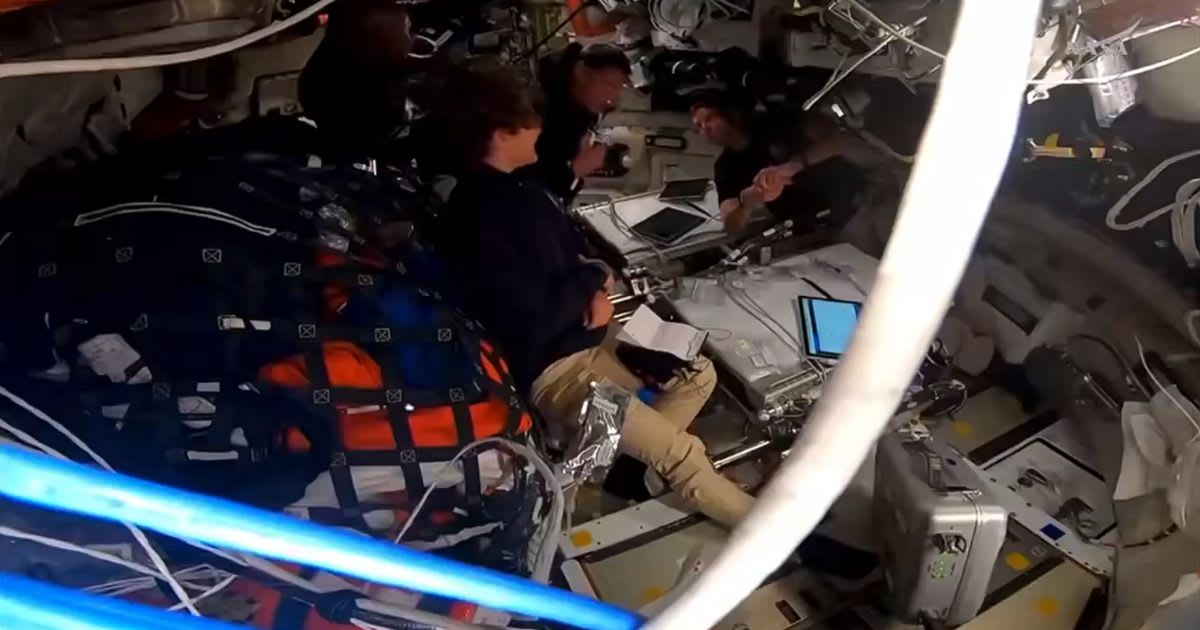
The planned comms drop happened at around 6:44 p.m. EDT. Orion moved behind the Moon, and for nearly 40 minutes, there was no contact with the four astronauts. While it may sound dangerous, the “loss of signal” is a normal event in lunar missions, dating back to the Apollo era. While out of contact, the spacecraft reached its closest approach to the Moon at around 7:00 p.m. EDT, passing just 4,067 miles (6,550 km) above the lunar surface. Minutes later, the Artemis II crew reached its farthest point away from Earth at 252,756 miles — 4,111 miles more than Apollo 13’s previous record.
Artemis II has reached its maximum distance from Earth.
— NASA Administrator Jared Isaacman (@NASAAdmin) April 6, 2026
On the far side of the Moon, 252,756 miles away, Reid, Victor, Christina, and Jeremy have now traveled farther from Earth than any humans in history and now begin their journey home. Before they left, they said they hoped…
At 7:24 p.m. EDT, communications were back to normal as Orion emerged from behind the Moon. The Deep Space Network quickly reacquired the signal, reconnecting the crew with Mission Control. The sequence of events concluded fittingly with an “Earthrise,” as the Artemis II astronauts laid eyes on our planet reappearing from behind the Moon.
NASA Administrator Jared Isaacman took to X (Twitter) to congratulate the crew of Artemis II for setting a new record for the farthest distance traveled by humans away from Earth. Speaking to Mission Control, Artemis II Mission Specialist Christina Koch shared this moving message:
Houston, we have you the same, and it is so great to hear from Earth again. To Asia, Africa and Oceana, we are looking back at you. We hear you can look up and see the moon right now. We see you too. When we burned this bird towards the moon, I said that we do not leave Earth, we choose it, and that is true. We will explore. We will build ships. We will visit again, build science outposts. We will drive rovers. We will do radio astronomy. We will found companies. We will bolster industry. We will inspire, but ultimately, we will always choose Earth. We will always choose each other.
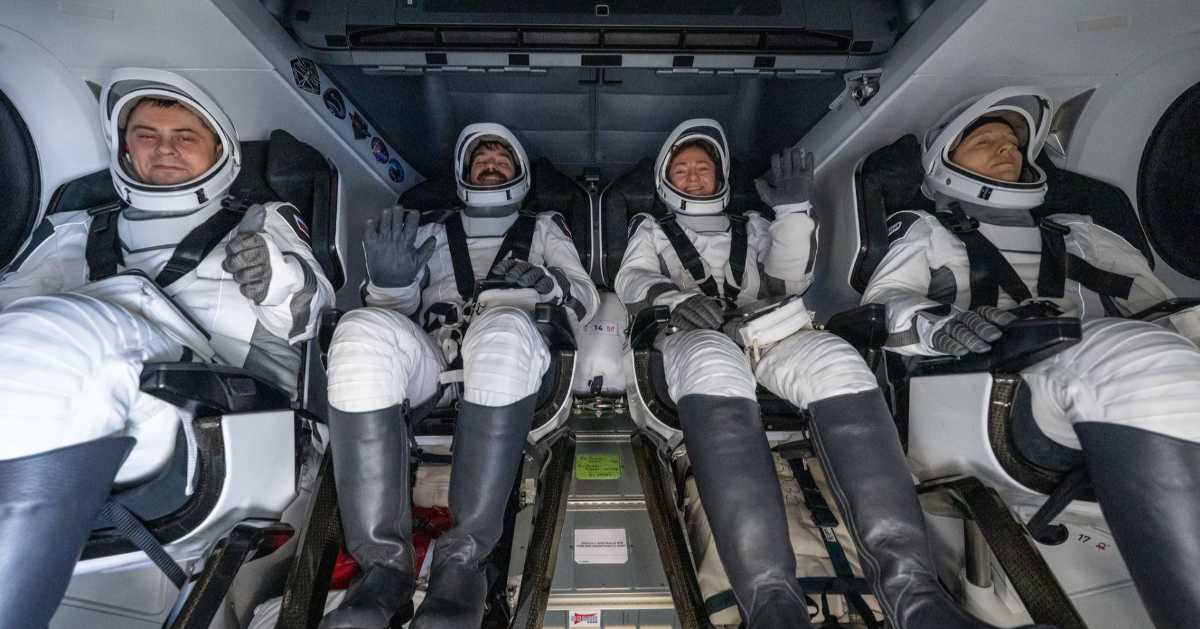
Now, the astronauts are all set to return home over the next 3–4 days, with a splashdown off the coast of San Diego. "All of your flight controllers and your flight director have flipped their Artemis II patches around," said Jenni Gibbons, the capsule communicator in Mission Control. "We are Earthbound and ready to bring you home." But before that, the Artemis II crew will now prepare to witness a solar eclipse from the far side of the moon, becoming the first humans to see an eclipse from space.
More on Starlust
Artemis II crew names Moon craters “Integrity” and “Carroll” in tribute during lunar flyby
Artemis II: NASA working to resolve 'burning smell' reported by crew and issues venting wastewater