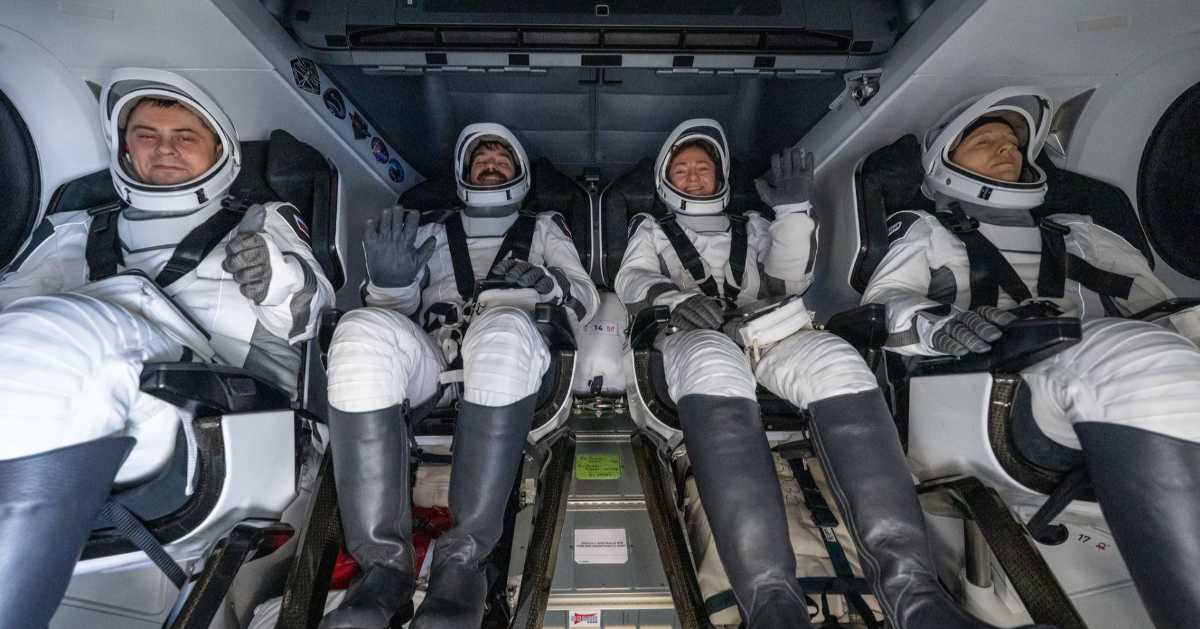
Artemis II crew witnesses first-ever total solar eclipse from space during lunar flyby
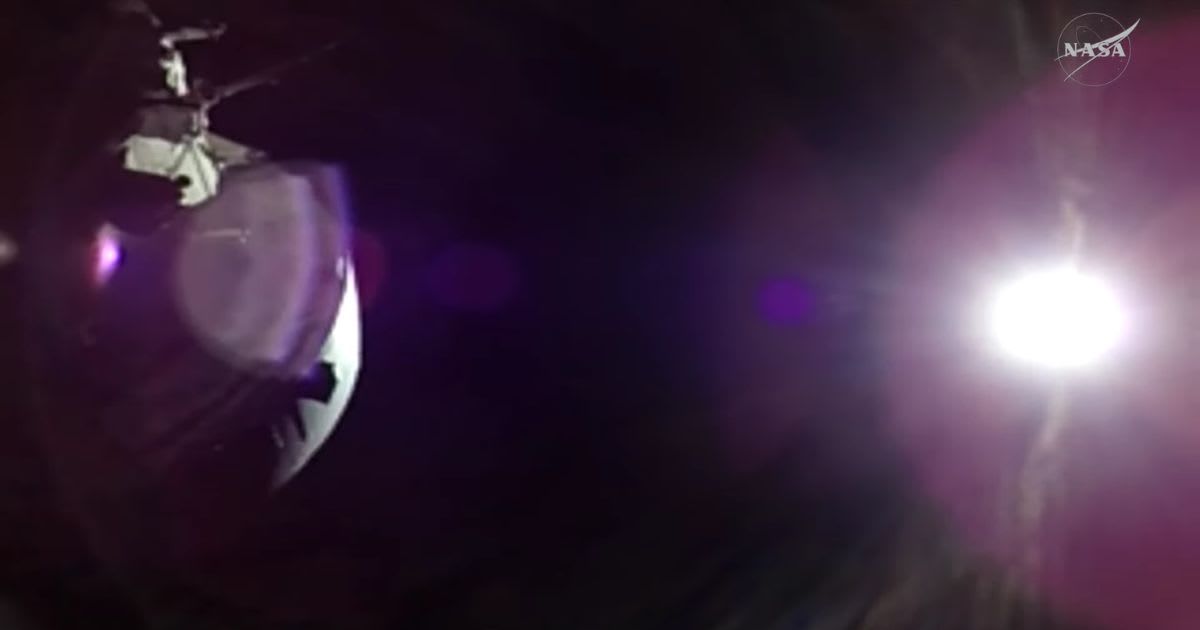
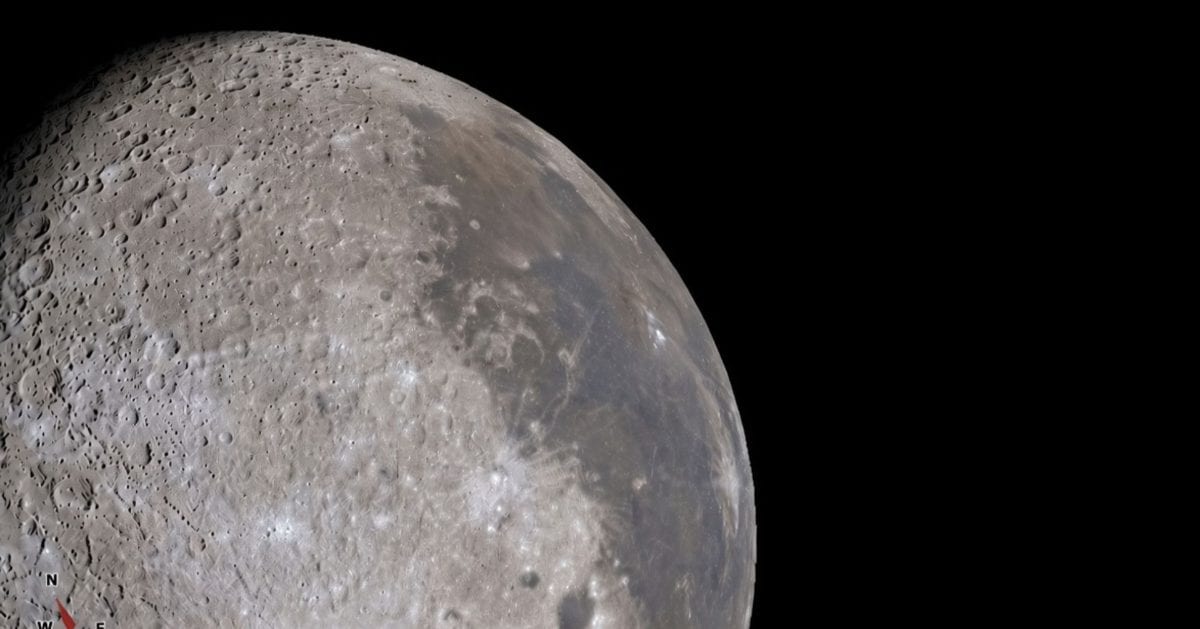
Following a successful lunar flyby, Artemis II astronauts witnessed a one-of-a-kind total solar eclipse. By doing so, they become the first humans to experience a total solar eclipse from space after 1966. The event began at 8:35 p.m. EDT, as Orion entered alignment with the Moon and Sun, which triggered an hour-long eclipse. From the crew’s perspective, the Sun’s disk was completely blocked by the Moon to create this extended eclipse.
Artemis II is now entering a solar eclipse that will last for about an hour as Orion, the Moon and the Sun align. During this phase, the crew will see the Sun disappear behind a mostly darkened Moon. pic.twitter.com/VHdY5oa7aE
— NASA Artemis (@NASAArtemis) April 7, 2026
Speaking to Mission Control, the crew described the striking imagery of the eclipse as it began. Artemis II Pilot Victor Glover compared the Moon to a “black orb” and remarked, “Almost seconds after the Sun set behind the Moon, you can see Earthshine — Earth’s so bright out there.” Clearly in complete awe, he added, “We just went sci-fi. It just looks unreal.” While total solar eclipses last only a few minutes on Earth, Orion’s vantage point allowed the Moon to completely cover the Sun for about 57 minutes. This gave the astronauts an extended view of the Sun’s corona, as it glows around the lunar edge.
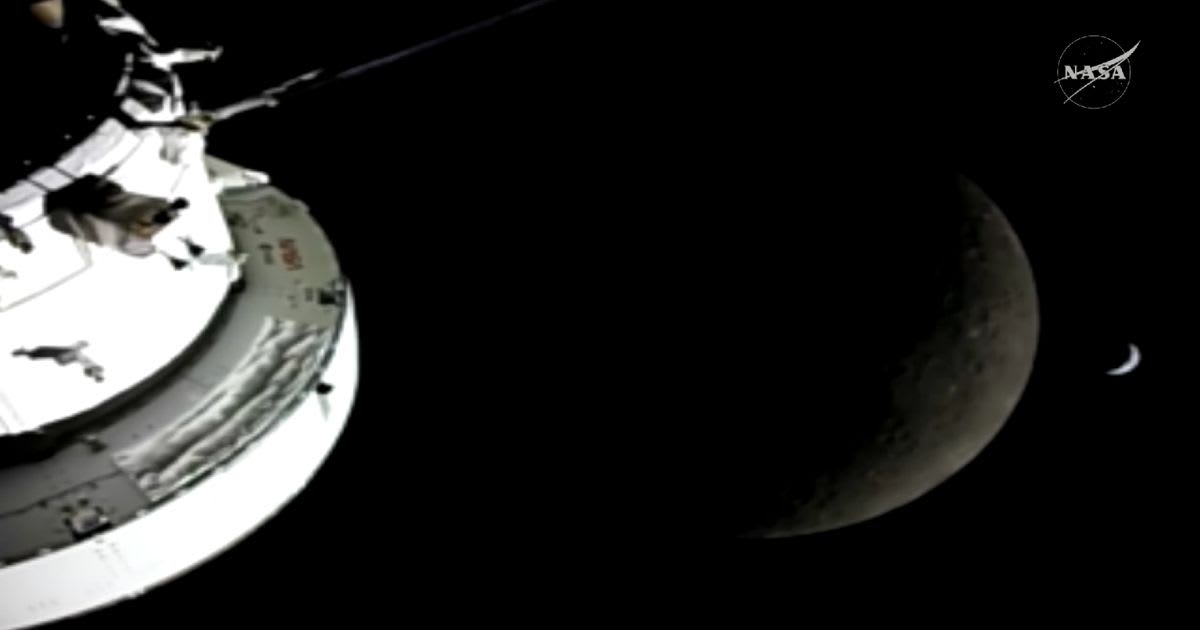
The Artemis II crew has used this rare opportunity to not just witness the eclipse on a visual level, but also study the corona and its structures, like streamers and plumes. They will watch out for meteoroid impact flashes and search for dust lofted from the lunar surface. These factors are key to future missions as they can rise above the surface and pose a threat. During the eclipse, the Moon’s surface would be darkened, and lit only by Earthshine — caused by sunlight reflected off Earth, as the name suggests. With the solar eclipse’s end, Artemis II’s lunar flyby observations conclude.
More on Starlust
Earthset to Earthrise: Artemis II aces key lunar flyby phase, sets new spaceflight distance record
Artemis II crew names Moon craters “Integrity” and “Carroll” in tribute during lunar flyby