'I said a little prayer': Artemis II's Victor Glover on his experience during the comms blackout
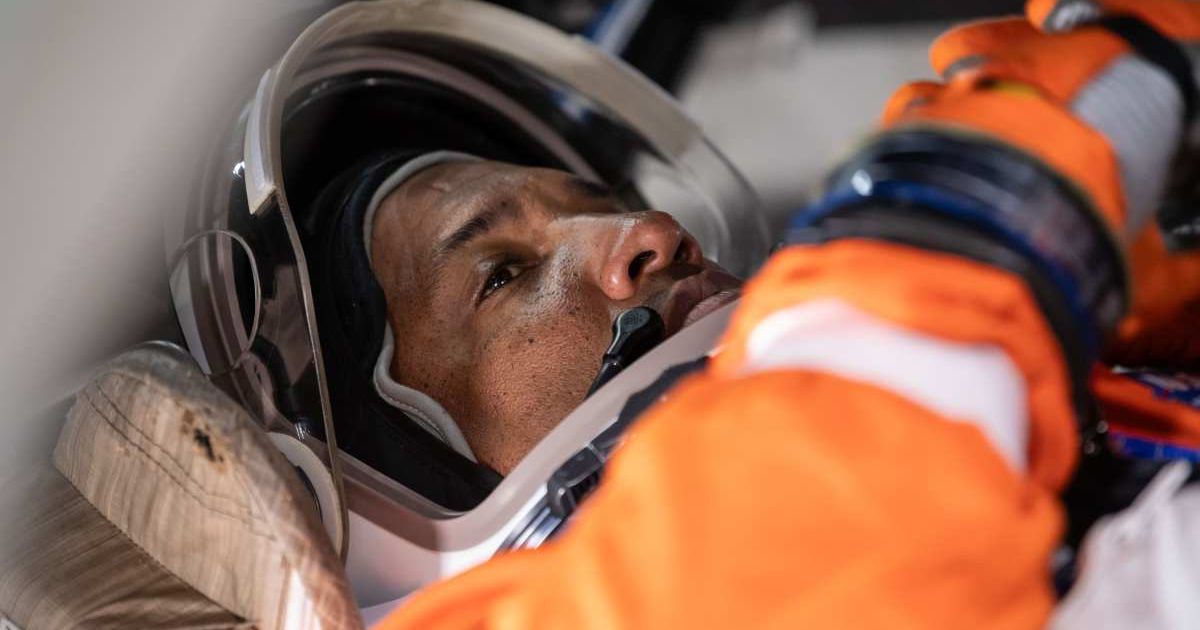
During the recent conversation between U.S. president Donald Trump and the flight crew of Artemis II upon the completion of the lunar flyby on April 6, 2026, one of the topics of conversation was the expected loss of communications with Earth. Pilot Victor Glover, upon being asked what the feeling was inside Orion during the blackout, stated, “I said a little prayer, but then I had to keep rolling." There was no scope to be distressed for too long, despite the situation, as he, along with the rest of the crew, had to make the best out of the flyby. “I was actually recording scientific observations of the far side of the Moon," Glover added.
"We will always choose each other."
— NASA Artemis (@NASAArtemis) April 6, 2026
Mission control has reacquired signal with the Artemis II crew after the mission’s planned loss of signal. Our astronauts are once again using the Deep Space Network to keep conversation and science data flowing between space and Earth. pic.twitter.com/aagRApba1z
It was the first time in more than 50 years that a spacefaring crew had to experience an isolation of this sort. The 40-minute communication blackout began at 6:44 pm EDT, when radio signals from NASA’s Deep Space Network on Earth were obscured by the Moon as the Orion spacecraft sailed behind it. The uncrewed Artemis I had also gone through a similar blackout of communication with Earth back in 2022.
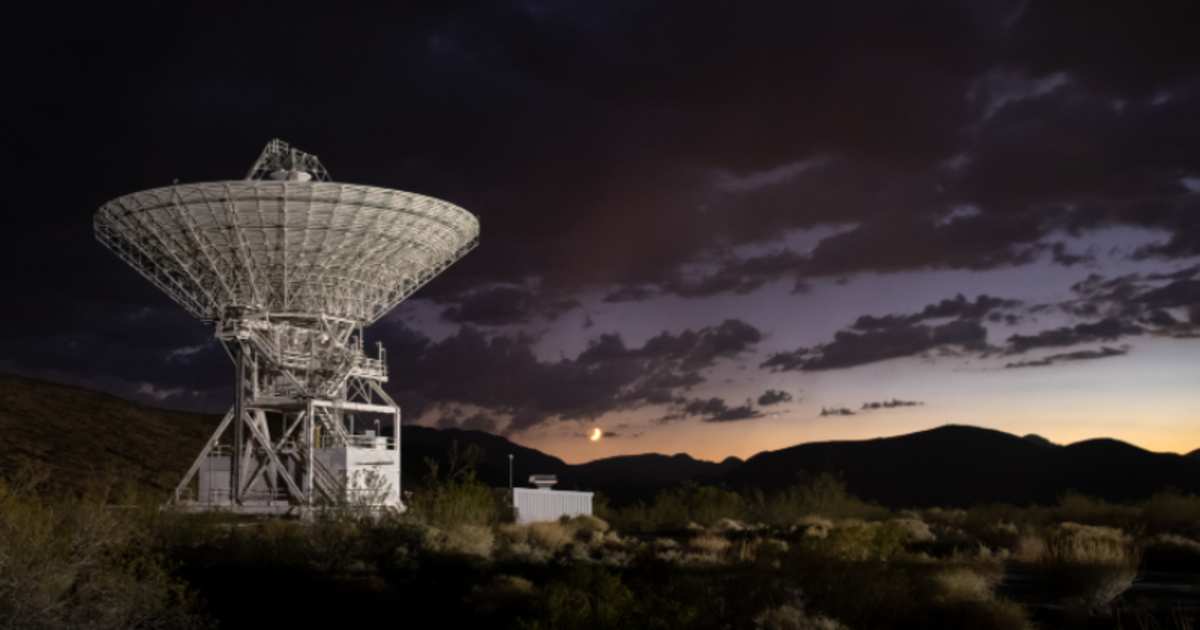
Communications were restored around 7:24 p.m. EDT when Orion emerged from behind the Moon to see an 'Earthrise.' What's amazing is that many mission milestones were reached during this 40-minute blackout. The crew not only made its closest approach to the Moon at 4,067 miles but also broke Apollo 13's record for the farthest distance traveled by humans from Earth at 252,756 miles. Speaking of the same, Glover said, “You know that was actually the time we were the farthest from Earth and the closest to the Moon, and so we were really able to make some of our most detailed observations of the far side of the Moon up close, and so we were busy up here working really hard, and I must say it was actually quite nice."
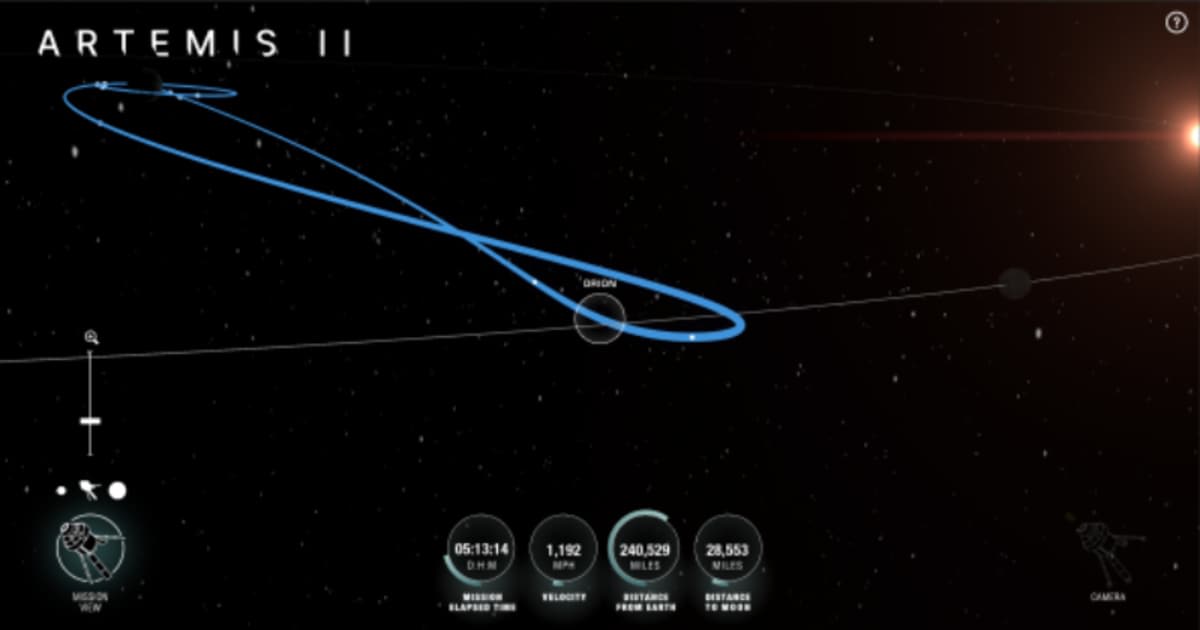
The crew will now depart the lunar gravitational sphere of influence by the early afternoon hours today (April 7). They will also speak with the lunar science team while the experience of the historic flyby is still fresh in their minds. This conversation will be streamed live on NASA’s YouTube channel as part of the agency's 24/7 live broadcast of the mission.
More on Starlust
As Artemis II heads back home, here's a look at the highlights of the historic lunar flyby