Cygnus XL CRS-24 launches on SpaceX's Falcon 9; will deliver 11,000 pounds of cargo to ISS today
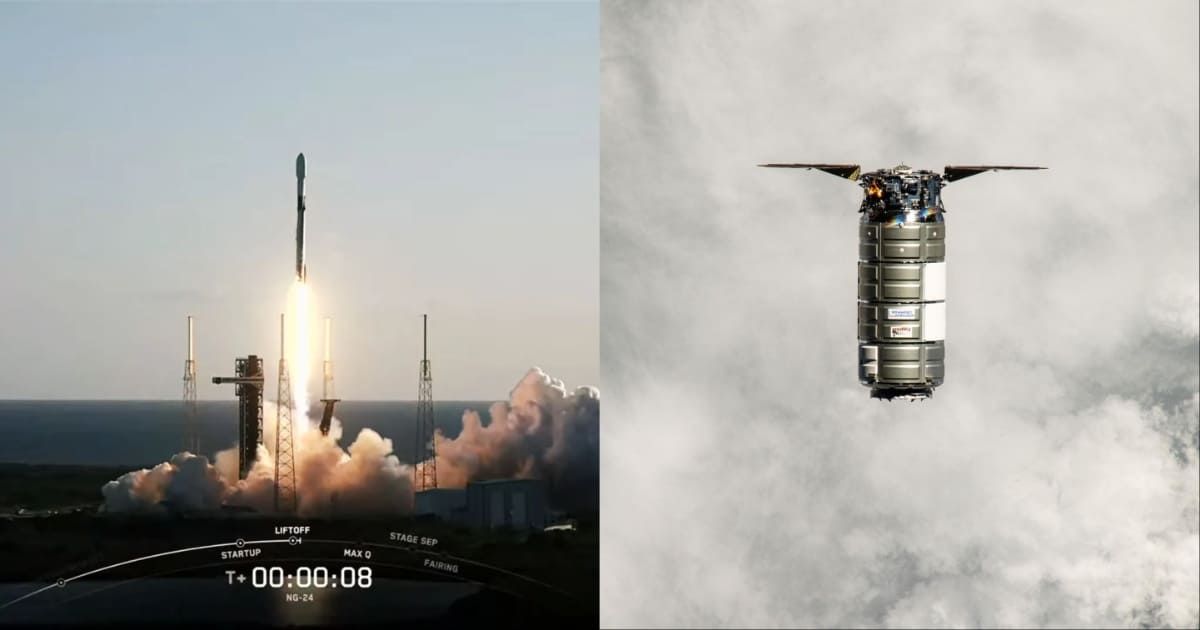
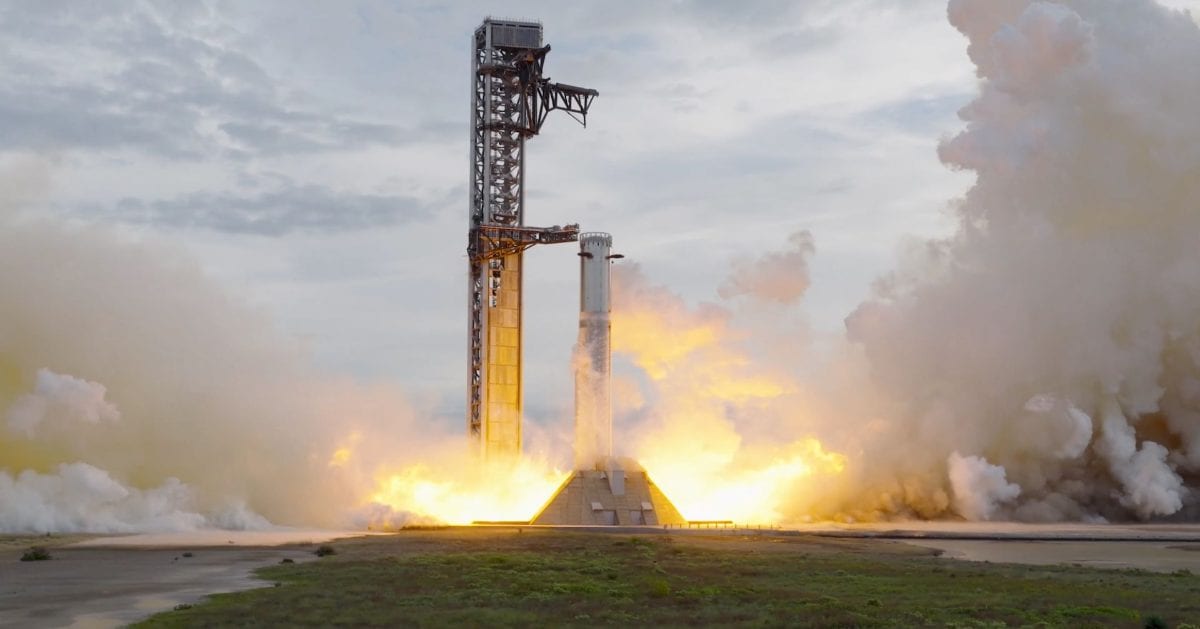
Northrop Grumman’s Commercial Resupply Services 24 (CRS-24) mission launched successfully, carrying approximately 11,000 pounds of science and supplies to the International Space Station. The Cygnus XL spacecraft lifted off aboard a SpaceX Falcon 9 rocket from Space Launch Complex 40 at Cape Canaveral Space Force Station in Florida at 7:41 a.m. EDT on Saturday, April 11. This new cargo mission is the latest in a series of resupply flights to support the ISS with its ongoing research and operations.
#ICYMI: Over 11,000 pounds of new science and supplies are on its way to the International Space Station after @NorthropGrumman's Cygnus XL cargo spacecraft launched atop a @SpaceX Falcon 9 rocket from Cape Canaveral Space Force Station in Florida on Saturday, April 11, 2026. pic.twitter.com/6CdnG2DyyF
— International Space Station (@Space_Station) April 11, 2026
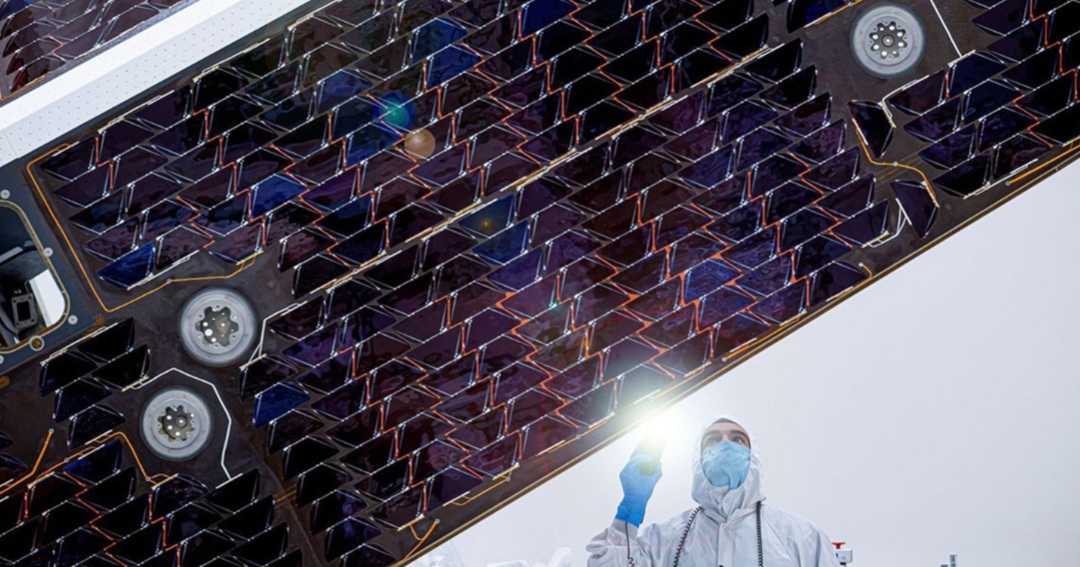
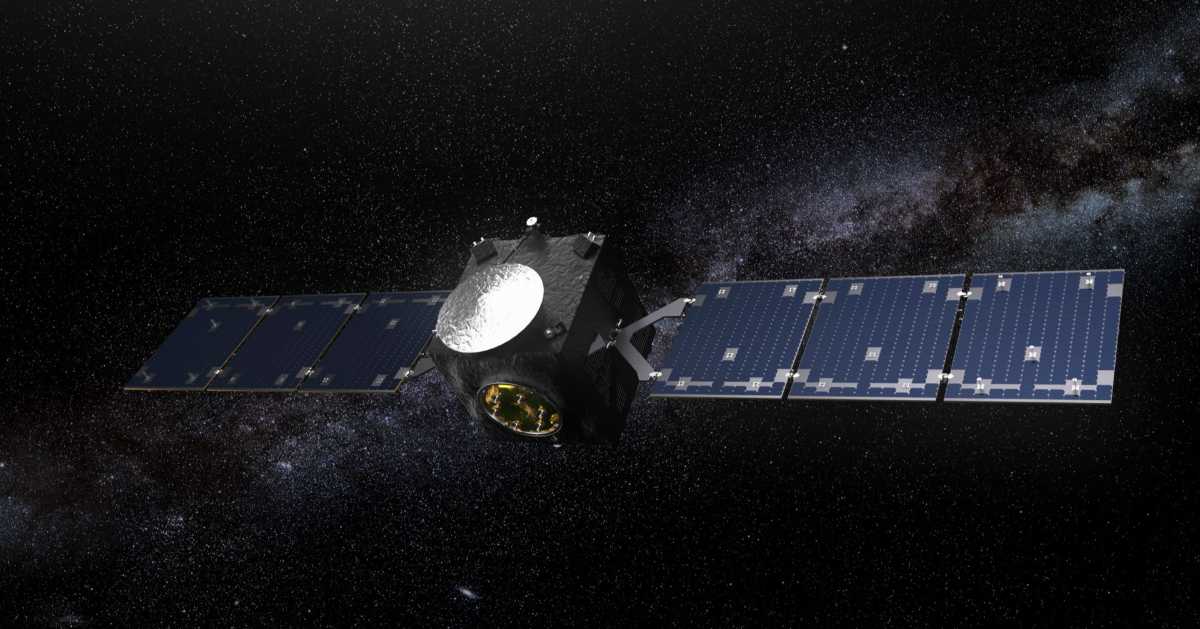
Around ten minutes after launch, the Cygnus XL reached its preliminary orbit, after an hour and 45 minutes of which it deployed its solar arrays. The spacecraft is expected to arrive at the ISS later today (April 13, 2026). NASA astronauts Jack Hathaway and Chris Williams—part of the Expedition 74 crew aboard the orbiting laboratory—will capture it using the Canadarm2 robotic arm at approximately 12:50 p.m. EDT. The cargo craft is all set to be installed on the Unity module’s Earth-facing port. NASA confirms it will begin live coverage of the event at 12 p.m. EDT on NASA+, Amazon Prime, and its YouTube channel.
It’s almost time for another launch! Here’s a first look at our S.S. Steven R. Nagel spacecraft for NG-24 being sealed inside the @SpaceX payload fairing. pic.twitter.com/d5itkIYDu2
— Northrop Grumman (@northropgrumman) April 8, 2026
Like its predecessors, CRS-24 aims to keep the ISS supplied and productive by carrying equipment for dozens of scientific experiments to be conducted during Expedition 74/75. The resupply mission’s science payload includes the Cold Atom upgrade to advance quantum research, help in the search for dark matter, and shed more light on concepts like general relativity. The Cygnus XL craft is also carrying equipment for performing stem cell research (InSPA-StemCellEX-H2) in microgravity, which could potentially improve treatment for blood diseases and cancer.
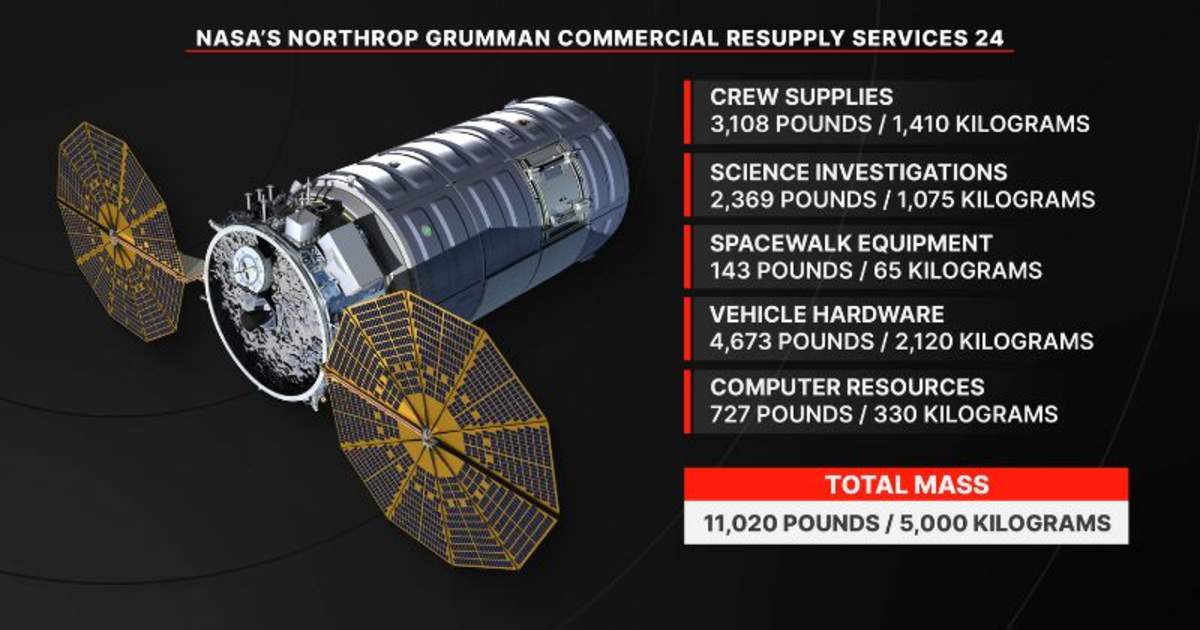
CRS-24 will support a space weather experiment called Nanoracks-ITSI to track how radio signals change through Earth’s upper atmosphere to predict solar activity’s impact on GPS and radar. The cargo will also carry model organisms to study the gut microbiome and help protect astronauts' gut health on future crewed missions to the Moon and Mars. Apart from its science cargo, Cygnus XL will also deliver critical hardware such as an exercise device for the crew’s muscle and bone health, a backup system for thermal control, and a medical imaging device for eye health. Additional supplies include gas (oxygen and nitrogen) and water tanks, batteries, and hatch seal covers for the ISS modules.
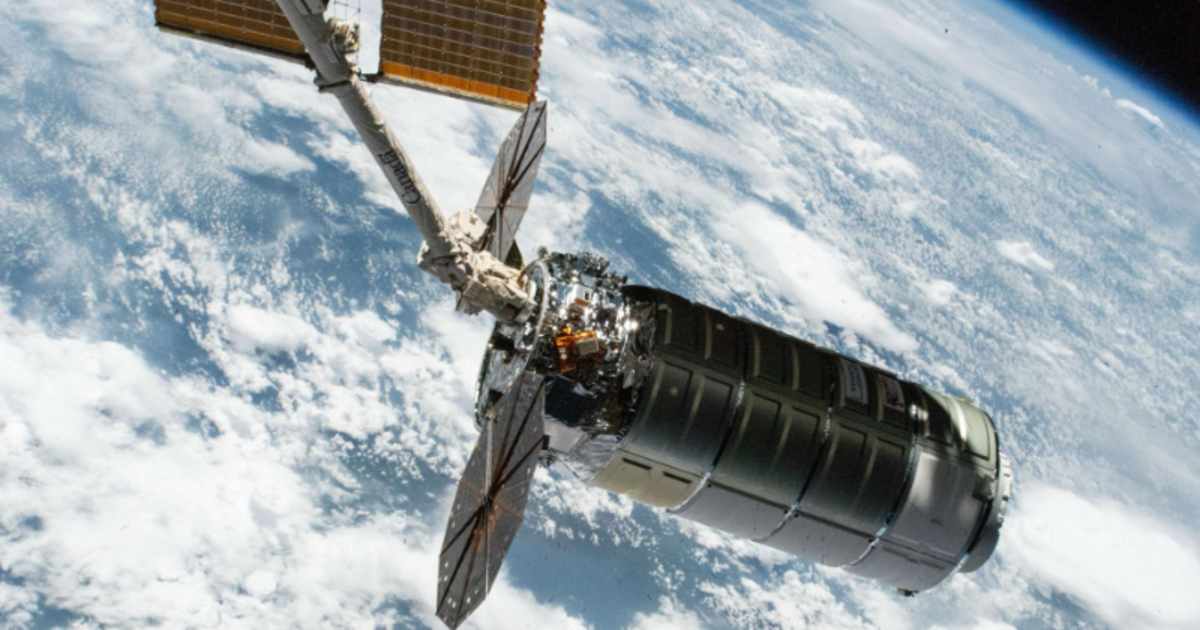
This particular Cygnus XL was named after the late NASA astronaut S.S. Steven R. Nagel, who flew four space shuttle missions and helped deploy the Gamma Ray Observatory. The cargo resupply craft is expected to remain attached to the ISS until October. Once it completes its mission, it will pick up station waste and re-enter Earth’s atmosphere, where it will burn up safely and dispose of it. The previous Cygnus mission, CRS-23, launched in September last year and remained there until March 2026.
More on Starlust
A strange egg-like object is growing on International Space Station—and astronauts are watching it
Artemis II crew just had a long-distance call with ISS astronauts: Here's what they discussed