NASA celebrates Artemis II astronauts' return to Houston after historic Moon mission
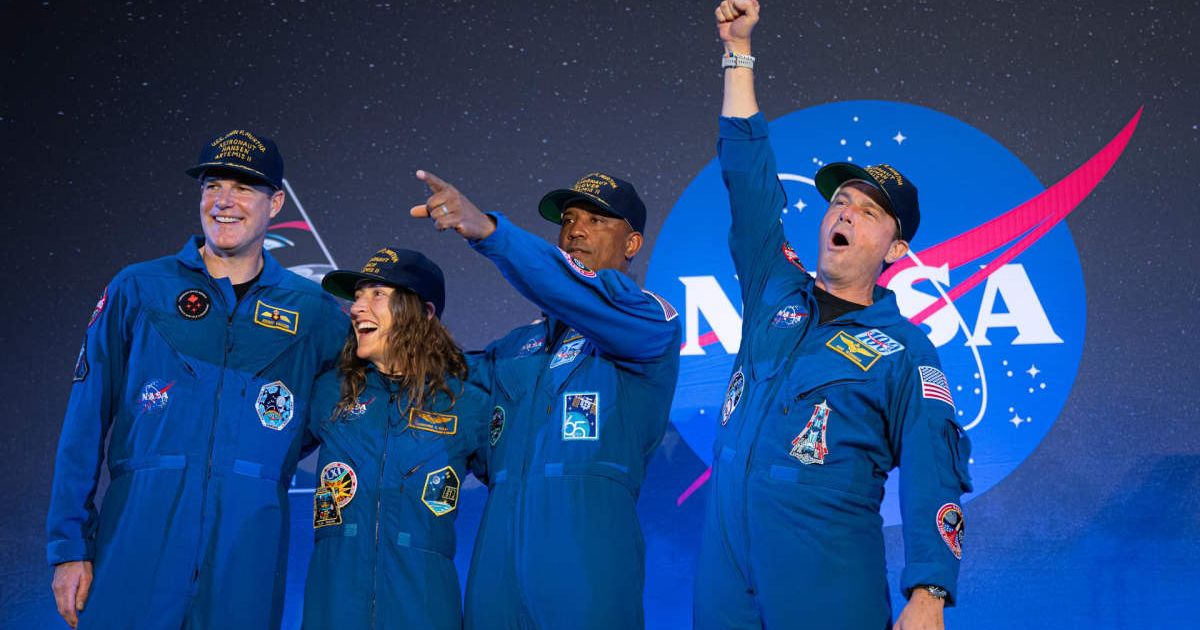
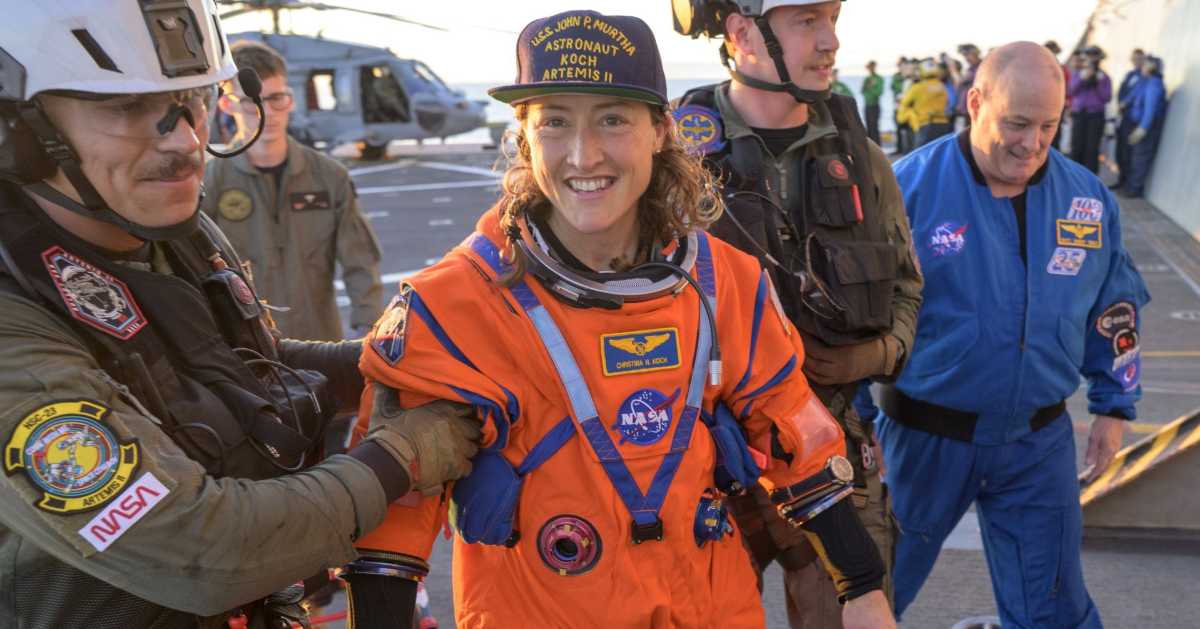
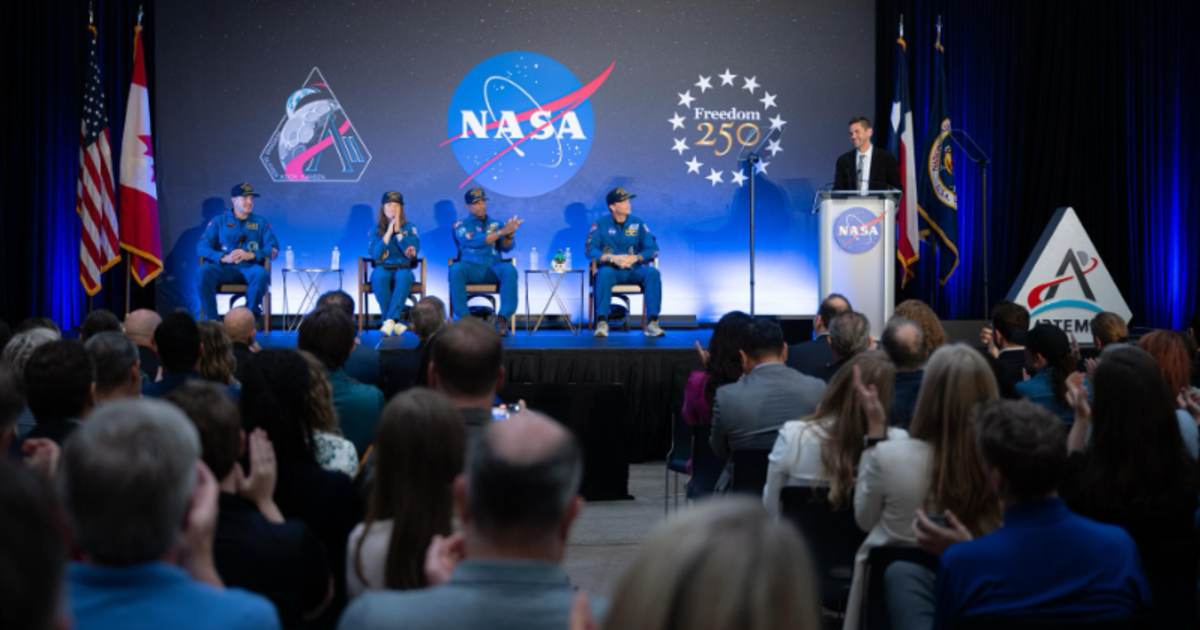
NASA leadership, elected officials, and hundreds of cheering supporters gathered at Ellington Field on April 11, 2026, to welcome the four astronauts - NASA astronauts Reid Wiseman, Victor Glover, and Christina Koch, along with Jeremy Hansen from the CSA (Canadian Space Agency) - of the Artemis II mission back to Houston. After being recovered off the coast of San Diego on Friday, the crew expressed gratefulness for the support they have had throughout the mission at the event, and reiterated the value of unity, similar to the message they delivered in the aftermath of the lunar flyby. This was the first time in over half a century that humans had explored the Moon from its vicinity, and NASA Administrator Jared Isaacman was keen to stress that this was just a beginning. “After a brief 53-year intermission, the show goes on. NASA is back in the business of sending astronauts to the moon and bringing them home safely," said Isaacman.
"We are a mirror, reflecting you."
— NASA Artemis (@NASAArtemis) April 11, 2026
Artemis II mission specialist Jeremy Hansen discusses ways that the crew worked together and supported each other throughout their lunar mission. pic.twitter.com/WJ9XTlgdyf
While the mission achieved dozens of technical milestones, the astronauts focused their remarks on the human connection and the perspective gained from seeing Earth from more than 200,000 miles away. “Planet Earth, you are a crew," said the only woman to venture beyond low Earth orbit, Mission Specialist Christina Koch, driving home the unity and collaboration required to maintain a life board hanging undisturbingly in the vast emptiness of space.
"We are fortunate to be in this agency at this time together."
— NASA Artemis (@NASAArtemis) April 11, 2026
Artemis II pilot Victor Glover expresses gratitude for everyone who supported him throughout his lunar mission. pic.twitter.com/xWhOs5Ie3I
Commander Reid Wiseman spoke emotionally about the bond shared by the four Moon voyagers. “Victor, Christina and Jeremy, we are bonded forever," Wiseman said, “No one is ever going to know what the four of us just went through. It was the most special thing that will ever happen in my life." With opening congratulatory remarks from Norm Knight, the director of flight operations of NASA JSC, the crew’s address was followed by CSA President Lisa Campbell, and US representatives Brian Babin (36th congressional district of Texas) and Michael Cloud (27th congressional district of Texas).
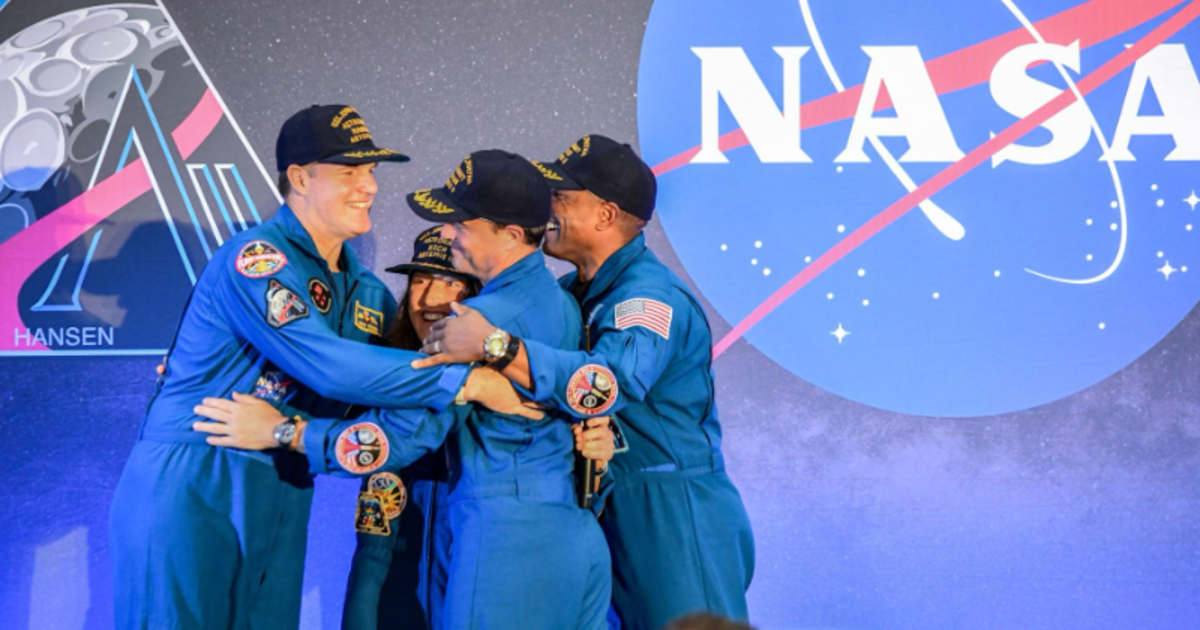
Artemis II may have splashed down, but our photos and videos from the mission are still rolling in! Keep an eye on the latest: https://t.co/rzM1P0QbOl pic.twitter.com/HahXb0gCYC
— NASA (@NASA) April 11, 2026
The crew, consisting of Commander Wiseman, Pilot Glover, Mission Specialists Koch, and Hansen, travelled farther from planet Earth than anyone else in history. Sunday’s splashdown marked the end of a journey spanning 694,481 miles in total. The mission served as a critical test for the life support systems and manual piloting capabilities of the Orion spacecraft. It also marked the first time the mammoth 322 feet-tall Space Launch System rocket was used to launch humans into deep space. Validation of this hardware will be key to NASA achieving its mandate of establishing a Moon Base.
"It's a special thing to be a human and it's a special thing to be on planet Earth."
— NASA Artemis (@NASAArtemis) April 11, 2026
Remarks from Artemis II commander Reid Wiseman upon arriving to @NASA_Johnson. pic.twitter.com/OD5TKebGN1
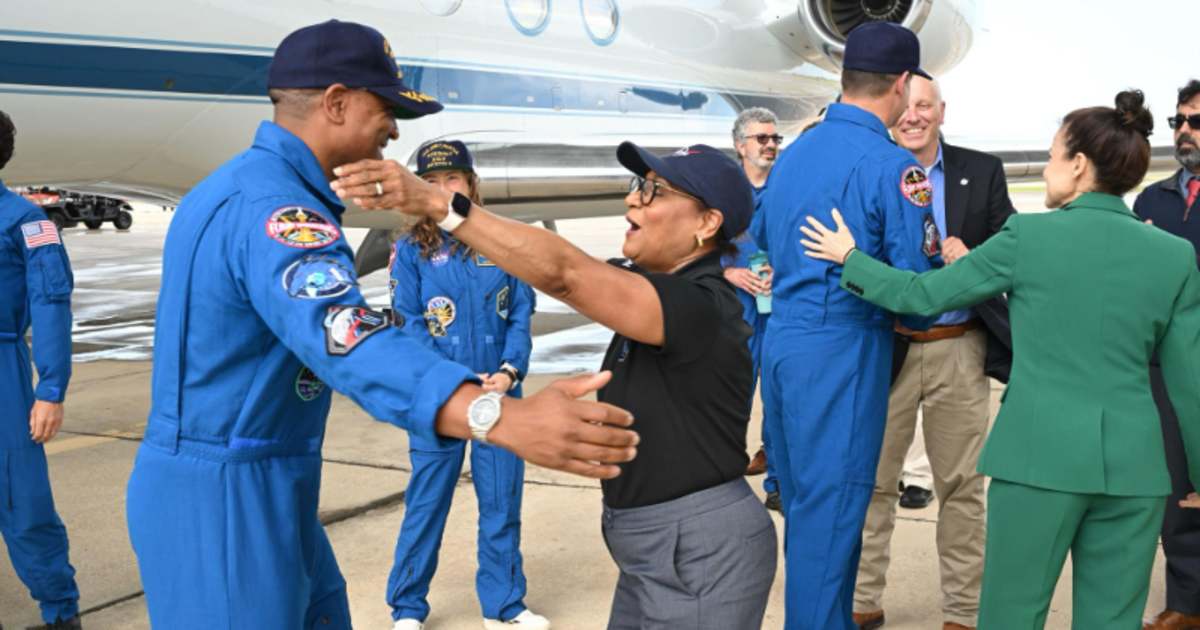
Besides testing these components for future missions, several science goals were achieved, and some breathtaking views unseen by human eyes were captured. A couple of previously unnamed craters were also given names, and the phenomenon of meteoroid impacts was also observed in real-time. During the back end of the mission, navigation and guidance were proven to have been operating ideally, with Integrity making a landing within a mile of its intended target in the Pacific Ocean. Vanessa Wyche, the director of NASA’s JSC, also noted that the mission’s success will “echo for generations to come” while speaking at the event.
More on Starlust
‘There's nothing this nation cannot do’: Artemis II astronauts speak with U.S. Congress from space