A strong G3 storm persists, with an even more powerful G4 blast set to strike Earth this week
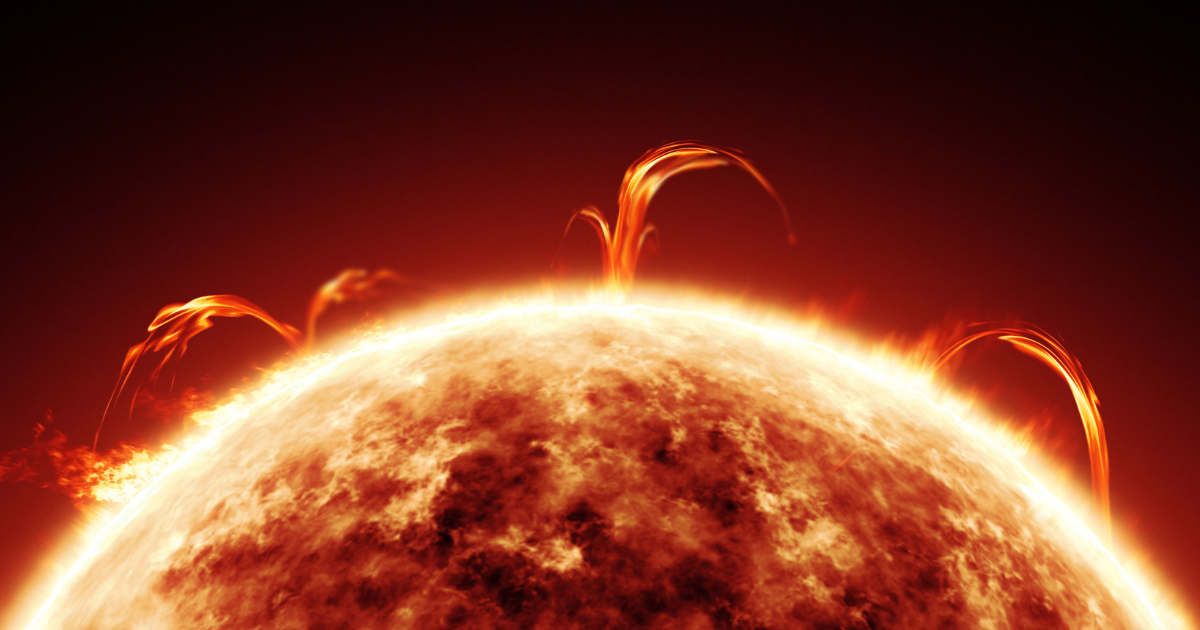
Earth is currently under the influence of a G3 (strong) geomagnetic storm, and space weather experts warn that these elevated storm levels could persist through November 14. While the most intense activity has calmed down a bit following a recent peak, experts at the Space Weather Prediction Center (SWPC) caution that G4 (Severe) conditions may still develop as solar activity intensifies.
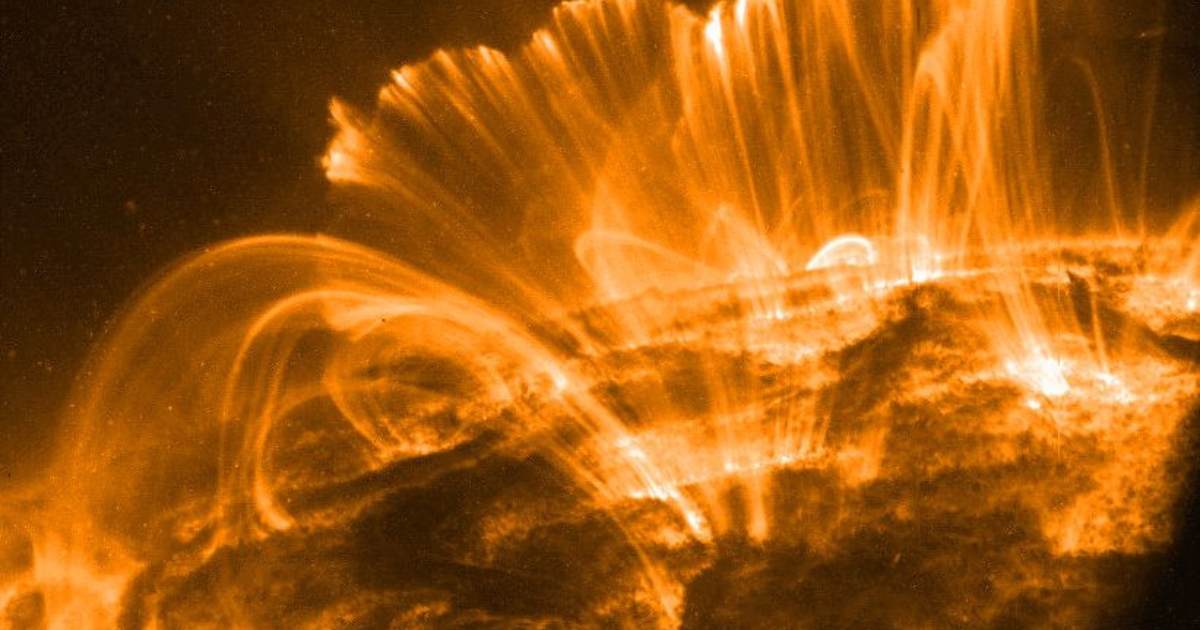
The much-anticipated third Coronal Mass Ejection (CME) hit the Earth's magnetic field late on November 12 at 2:17 p.m. (19:17 UTC), per Space Weather. Fortunately, initial evaluations suggest that the impact was milder than they thought. This period of unrest follows a strong space weather event that peaked earlier on November 12. They officially recorded a G4 (severe) geomagnetic storm, reaching its peak around 01:20 UTC. Forecasters had already warned that severe storm conditions were likely to last throughout that day.

Update (3:55 UTC): conditions continue to be favourable for enhanced geomagnetic activity - solar wind speed very high at around 900 km/s, Bz moatly negative down to -20 nT. Currently at G3 storm conditions. A decent storm, though somewhat underwhelming given the inital… https://t.co/tcfOqG2dry pic.twitter.com/7E9MBvWsLG
— Jure Atanackov (@JAtanackov) November 13, 2025
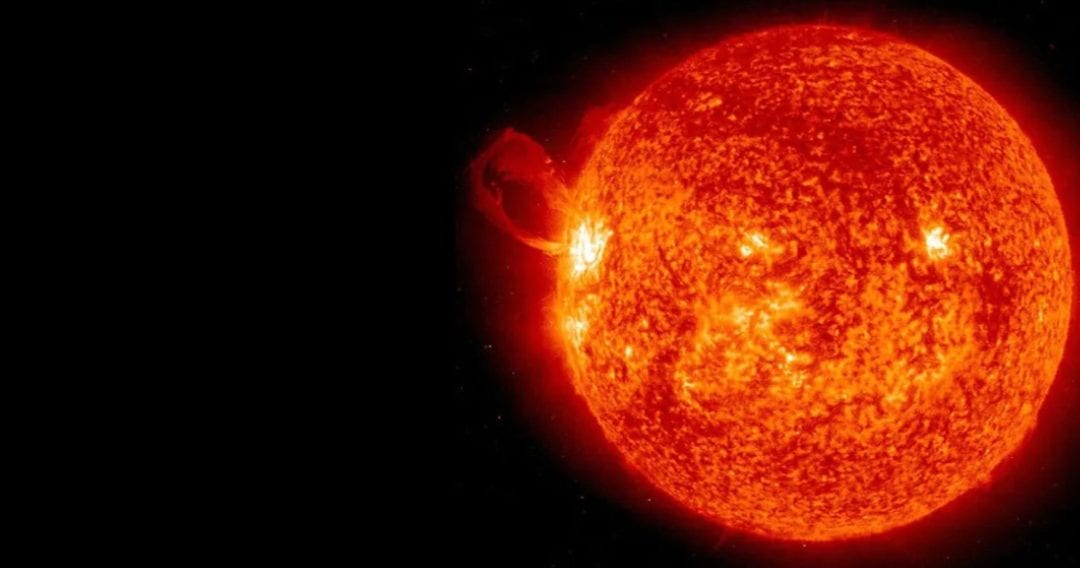
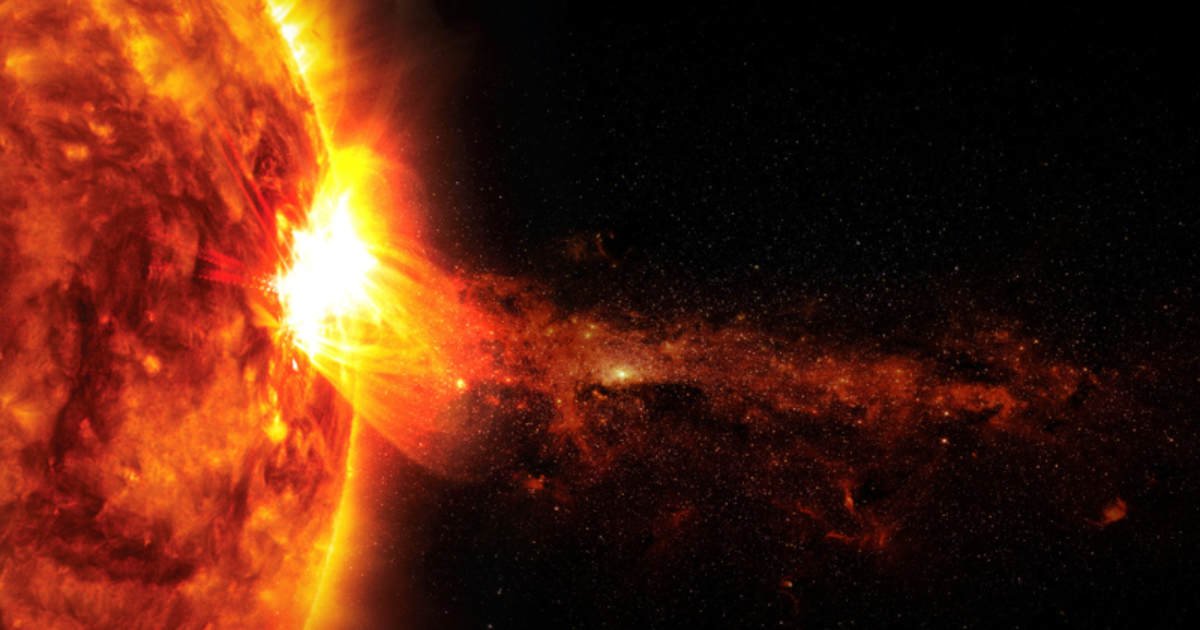
All this activity kicked off because of a very energetic sunspot, AR4274, which has been quite active lately. Earlier in the week, it unleashed two major X-class solar flares, including an X1.7 on November 9 and another one on November 10. The first X1.7 flare caused an R3 (strong) radio blackout, disrupting high-frequency radio communications for about an hour on the sunlit side of the globe.
To add to the turmoil, the powerful X5-class solar flare from sunspot 4274 sent a bunch of high-energy protons straight toward Earth. These particles are currently being tracked by neutron detectors all over the world as part of what's known as a Ground Level Event (GLE). Professor Clive Dyer from the Surrey Space Centre was quoted as saying by Space Weather how the ongoing solar storms are "very significant," highlighting how rare such massive GLEs are; typically, they only happen once or twice during a solar cycle, making this kind of condition a roughly once-in-20-years occurrence in space weather.
It looks like there's a real chance to catch the aurora much further south than normal. This information comes from the data and image provided by the National Oceanic and Atmospheric Administration (NOAA), which shows us that the storm's energy has expanded the area where the aurora can be seen way beyond its usual Arctic limits. Prime locations for viewing the display included states across the Northeast and Midwest, for example, Maine, Michigan, New York, Minnesota, and Wisconsin, along with Western regions like Alaska, Washington, and Montana.
Tonight I was able to help my 83 year old grandma fulfill one of her life long dreams of seeing the northern lights. Hard to describe what it means being able to do this for her. So grateful. Love you grandma.
— Tanner Charles 🌪 (@TannerCharlesMN) November 12, 2025
📍Roseville, Minnesota#northernlights #aurora pic.twitter.com/JPzC7v0V3b
Round 2 of Aurora is possible tonight from after sunset to about midnight! Here are some photos from last nights show in @SaguaroNPS West in #tucson #arizona #aurora #northernlights pic.twitter.com/zj7iZpSJ53
— Sean Parker (@seanparkerphoto) November 12, 2025
The Aurora persisted long enough last night for me to get further west to darker skies and a better foreground. It did not disappoint! This is a loop of the peak of one of the substorms as seen from Palo Pinto County Texas. 🤩
— Matt Lantz (@mattlantz) November 12, 2025
What. A. Night!#Aurora #NorthernLights #txwx pic.twitter.com/wVLYPojMxc
Aurora sightings and forecasts have stretched as far south as Pennsylvania and Nebraska, with the possibility of visibility even in places such as Northern California, Colorado, and even Alabama. However, seeing the aurora this far south is highly dependent on clear skies and a lack of light pollution.
Insane aurora timelapse outside Janesville wisconsin this evening! #wiwx #aurora #timelapse pic.twitter.com/Iuk2voINO6
— Tom Purdy (@TomPurdyWI) November 12, 2025
Northern lights in limestone county Alabama. #northernlights #solarstorm #alabama #weather pic.twitter.com/bqwGJ0BaXy
— Storm Chaser Barbie (@ChaserBarbie) November 12, 2025
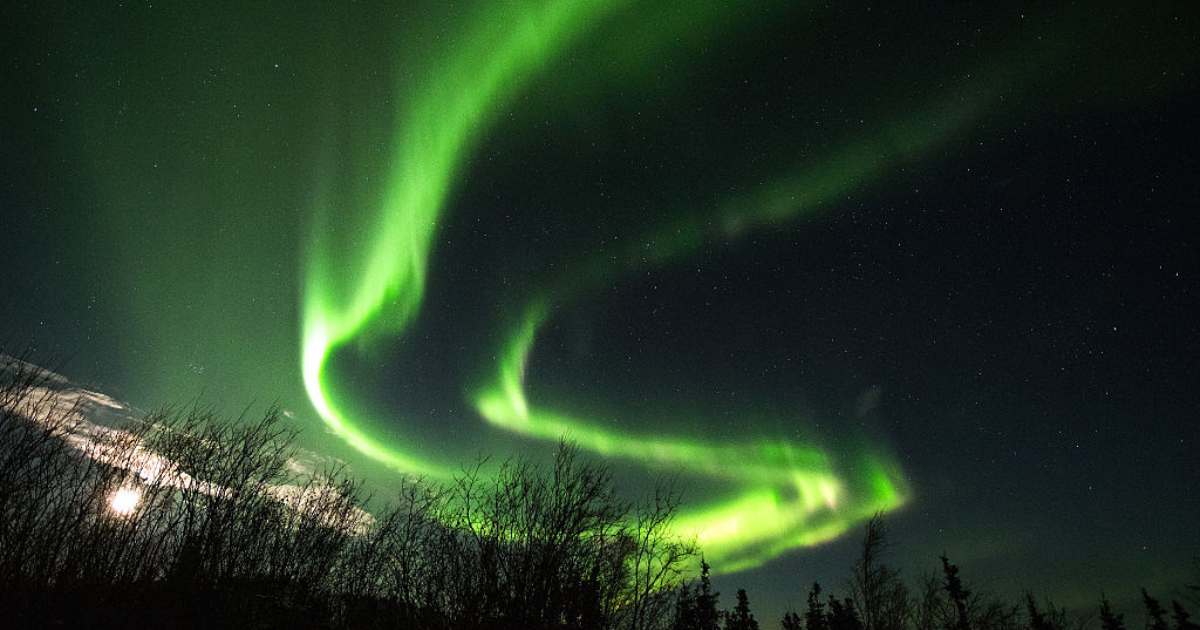
Geomagnetic storms might pose some technical challenges, but the most stunning, highly visible outcome is the spectacle of the Northern and Southern Lights (aurora borealis and australis). These vibrant sights are created when charged particles from the sun interact with Earth's magnetic field. The sun is constantly shooting out a stream of these particles, called solar wind, which releases energy when it hits our planet's magnetic field. And when that built-up magnetic energy finally bursts out, it results in an incredible display of lights in the atmosphere, which is what we see as auroras.
More on Starlust
Solar storm may hit Earth at the autumn equinox, setting the stage for fall auroras