Triple coronal mass ejections are headed to Earth and could trigger auroras in northern skies

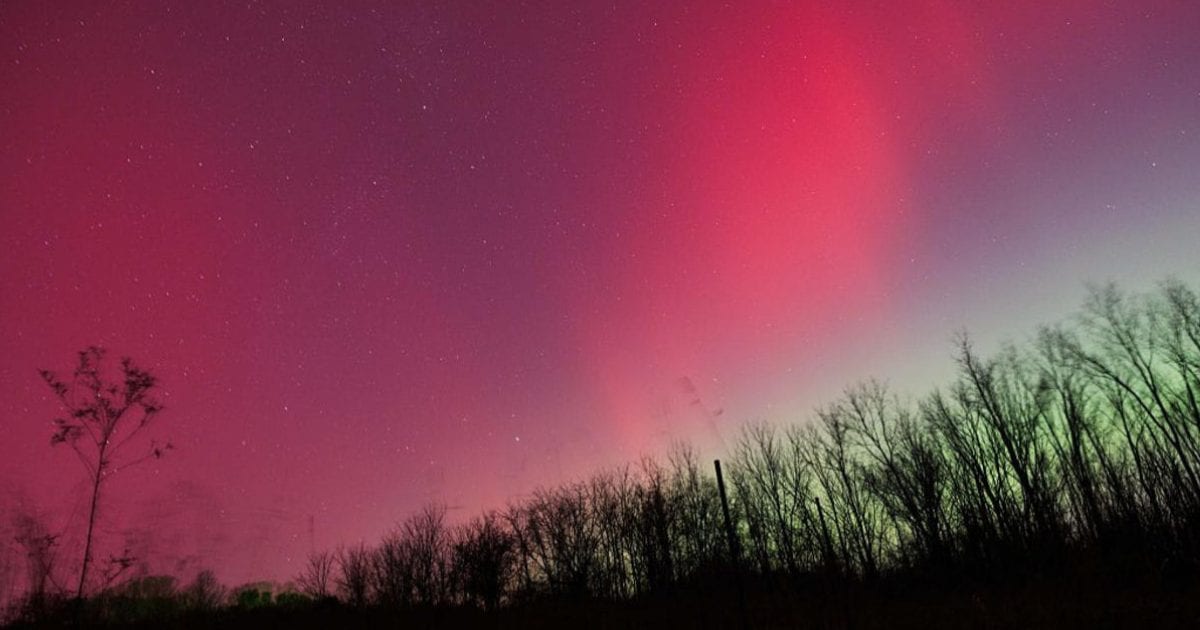
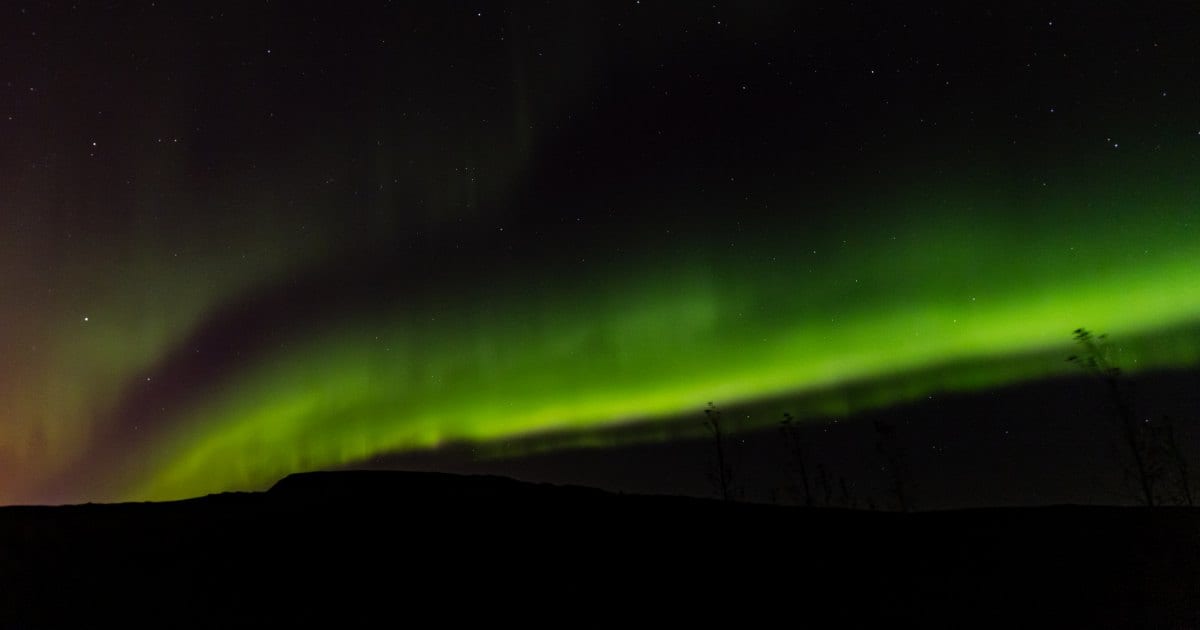
An intense series of solar ejections is hurtling towards our planet, setting the stage for potential auroral displays in the coming days. According to the National Oceanic and Atmospheric Administration's (NOAA) Space Weather Prediction Center, three coronal mass ejections (CMEs) are forecast to impact Earth between October 15 and 17, originating from the highly active sunspot region AR4246. This "train" of solar storms dramatically increases the likelihood of observing the Northern Lights across high-latitude regions, with a chance they may be visible even at mid-latitudes, as mentioned on Space.com.
The most significant disturbances are predicted to occur late on October 16. Forecasters anticipate geomagnetic storming could escalate to G2 (moderate) levels before subsiding to G1 (minor) on October 17. On NOAA's five-point scale, a G1-G2 storm is capable of causing minor fluctuations in power grids and slight impacts on satellite operations, but most notably, it makes the aurora borealis visible much farther south, potentially reaching states like New York and Idaho.

Space weather physicist Tamitha Skov elaborated on the potential duration of the event, noting that the combined effects of these storms and subsequent solar wind could persist until early October 17. Skov, who shared an annotated NASA model illustrating the multiple eruptions, suggested that while the initial CME would likely produce a "mild disturbance," the subsequent three are "pancaked together." This clustering effect could significantly amplify their combined impact upon arrival.
Both NOAA and the U.K. Met Office have circled October 16 as the most probable time for peak space weather activity. This combined impact is expected to generate the minor-moderate (G1-G2) storms necessary to light up the skies for observers across Canada, northern Scotland, and the northern United States. Visibility, however, remains dependent on clear skies and a favorable tilt in the solar magnetic field upon collision with Earth's magnetosphere. Skov further noted in an October 15 update that a "warm-up pitch" has already struck the planet ahead of the primary storms, with three more storms and a fast solar wind stream following close behind.

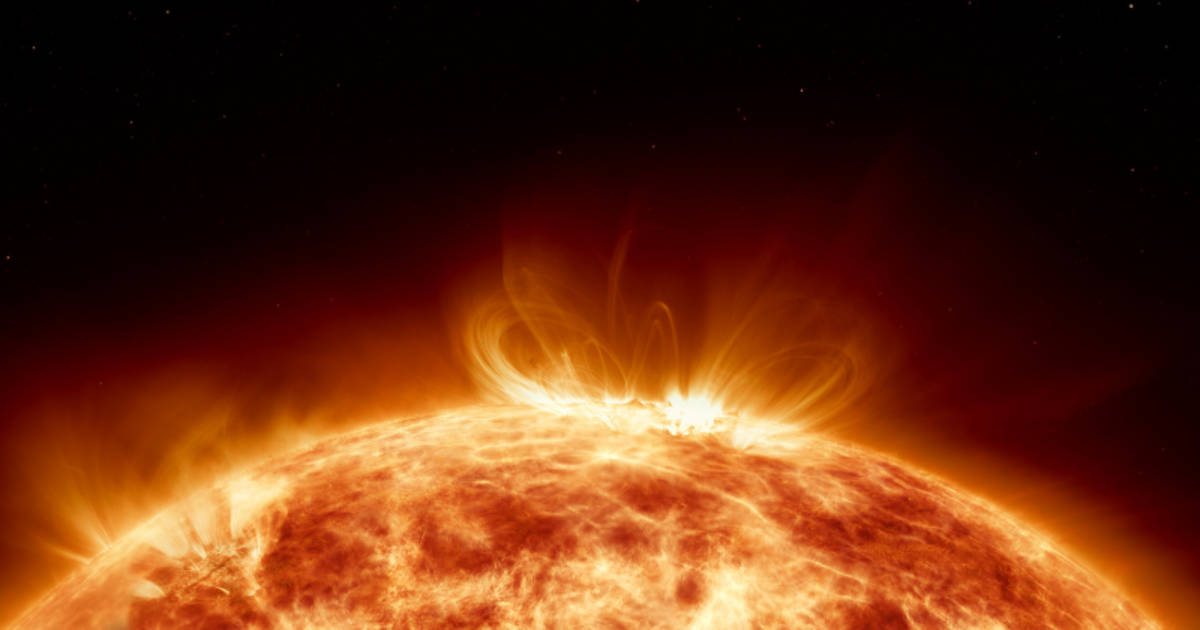
This week's elevated solar activity stems from region AR4246, a large and magnetically complex sunspot group that has launched several powerful M-class flares. CMEs are colossal clouds of magnetized plasma expelled from the sun; when they strike Earth's magnetic field, the resulting collision with atmospheric gases produces the spectacular auroras. While these upcoming storms are categorized as moderate, their close timing and succession make this an especially exciting forecast for skywatchers.
The upcoming sky spectacle, often referred to as the Northern Lights (aurora borealis) or Southern Lights (aurora australis), is the visible result of space weather, an intricate, dynamic dance of charged particles and magnetism between the Sun and Earth, according to NASA. These colorful, often visually delicate, displays occur when highly energetic solar particles slam into the atoms and molecules present in our planet's atmosphere. This atmospheric collision excites the gases, causing them to emit the distinctive, shimmering glow that defines the aurora.
More on Starlust
Dual solar wind streams from two giant coronal holes could reach Earth on October 3
Wildfire season across North America is obstructing stargazers' view