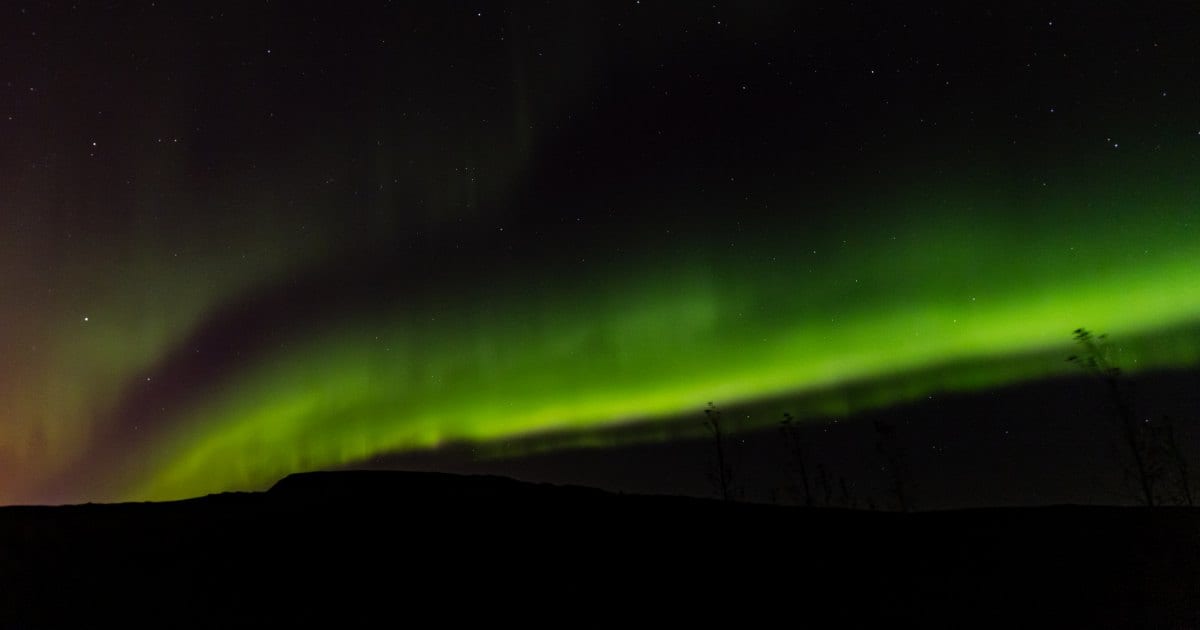
Solar storm may hit Earth at the autumn equinox, setting the stage for fall auroras
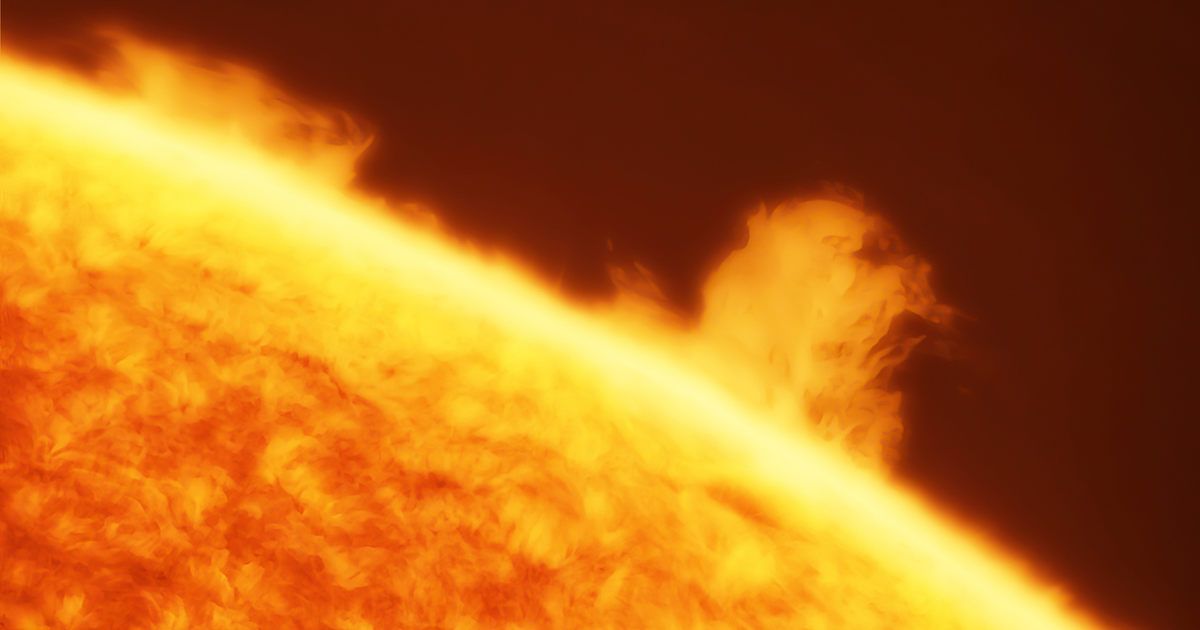
A potential solar storm, known as a co-rotating interaction region (CIR), is forecast to impact Earth on September 22nd. This celestial event is set to align with the autumnal equinox, a time when the planet's magnetic field is more susceptible to solar wind disturbances, as per Space Weather.
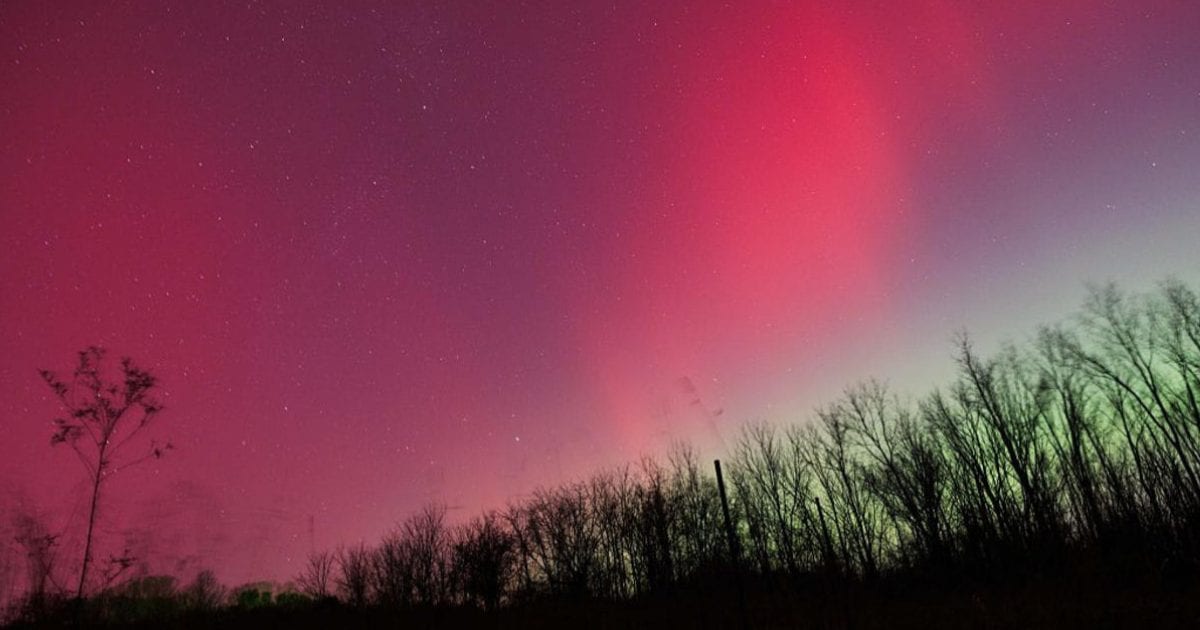
The alignment of the CIR with the equinox could significantly enhance the chances of a geomagnetic storm, potentially sparking vibrant auroral displays. This phenomenon is attributed to the Russell-McPherron effect, which allows even minor solar wind disruptions to trigger powerful light shows.
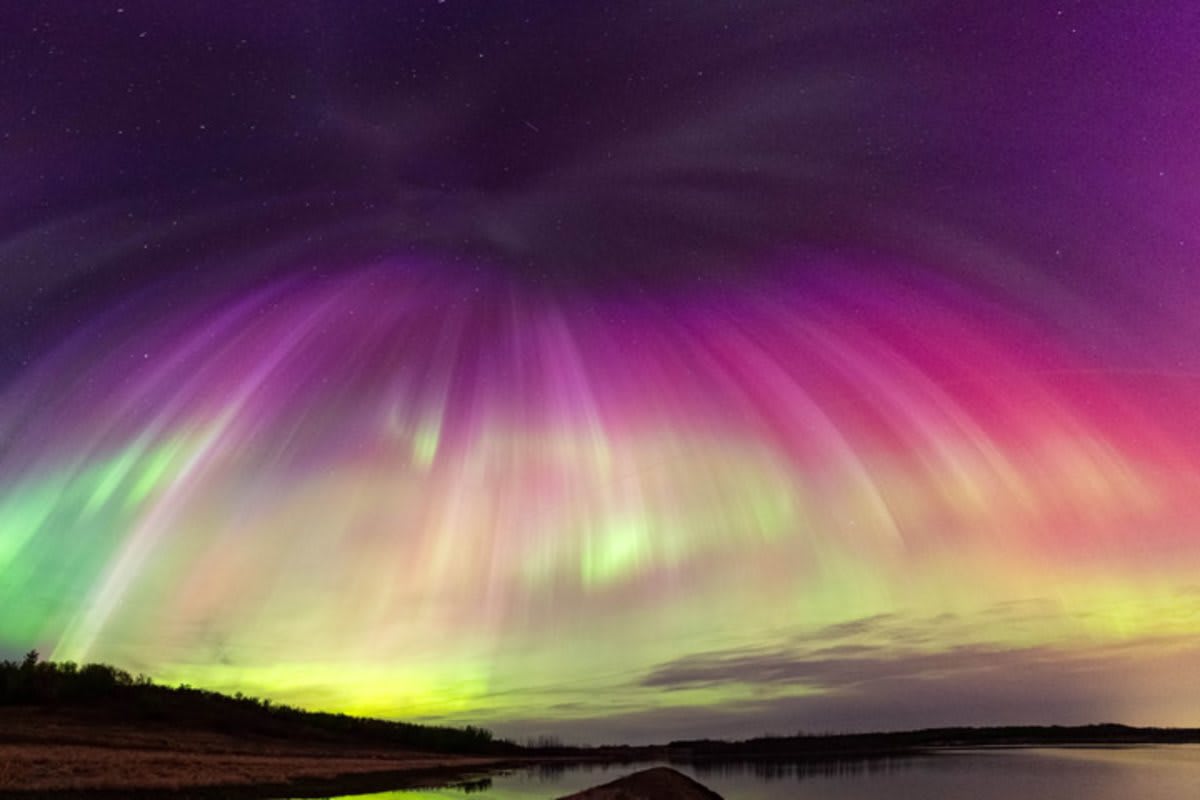
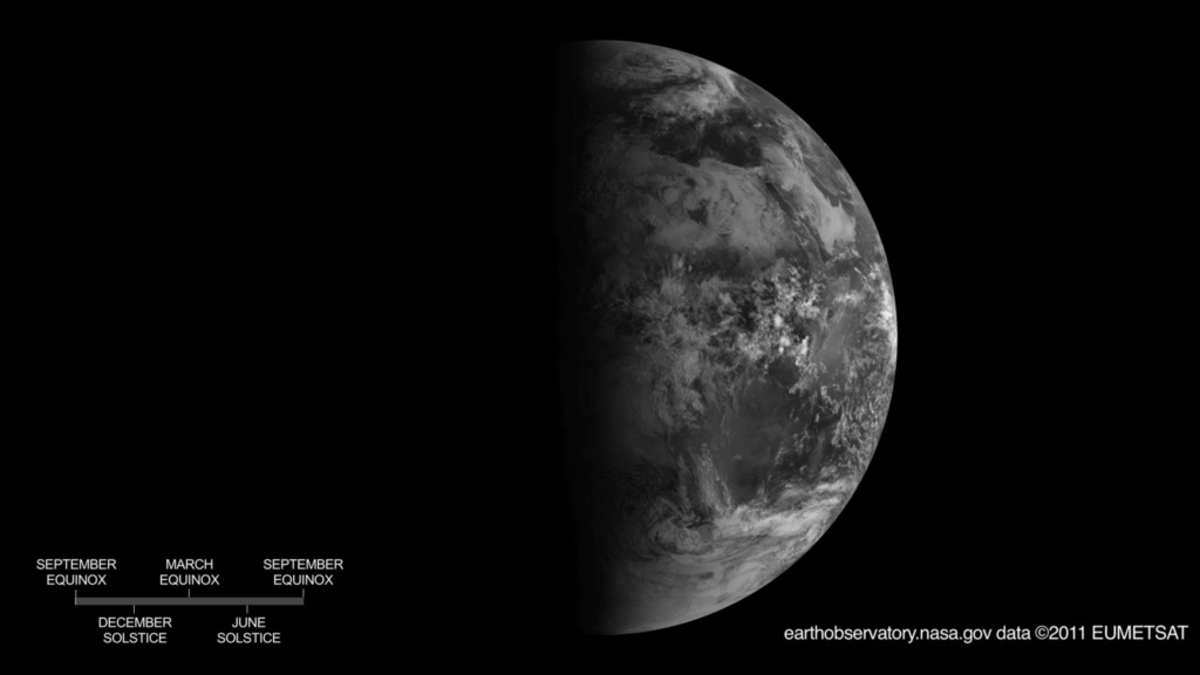
The autumnal equinox on September 22 officially marks the start of fall in the Northern Hemisphere, according to NASA. From an astronomical perspective, this is when the Sun is positioned directly above the Earth's equator. During this precise moment, our planet is not tilted toward or away from the Sun, resulting in nearly equal periods of daylight and darkness across the globe. This unique alignment of the Earth's axis, combined with the incoming solar storm, sets the stage for what could be a spectacular light show.
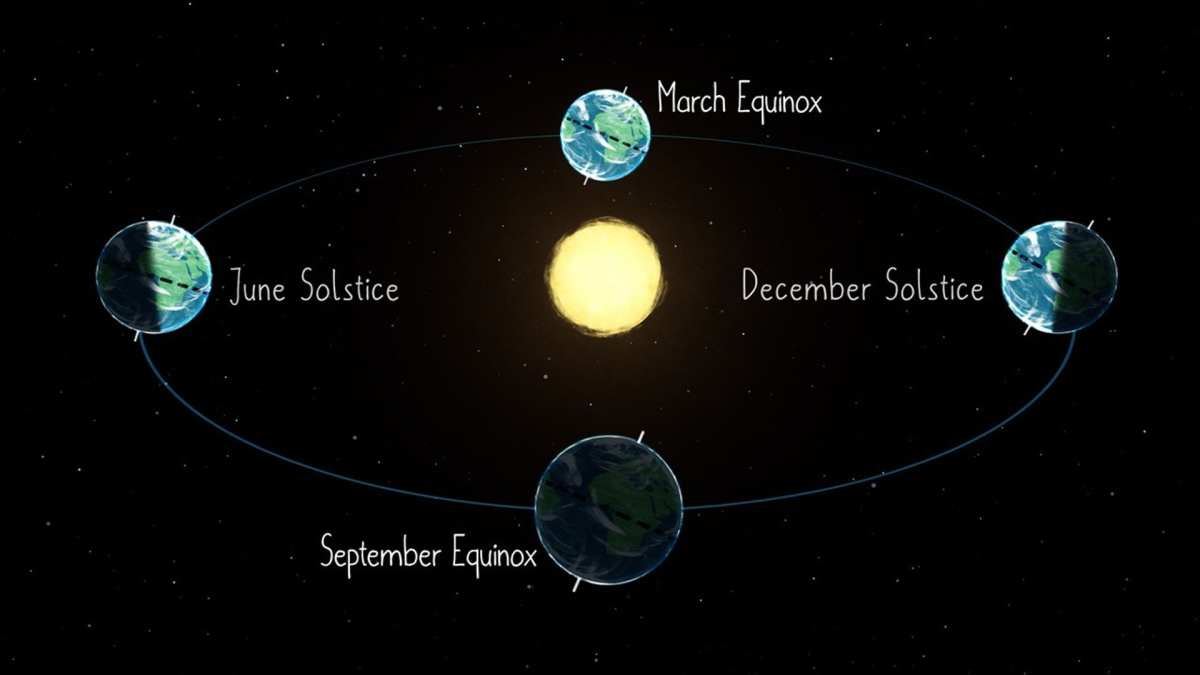
The equinox is more than just a date on the calendar; it is a fundamental astronomical event with historical significance. Ancient civilizations relied on observing equinoxes and solstices to track the changing seasons, a skill that was critical for agriculture and survival. The word "equinox" comes from the Latin for "equal night" (equi-nox), reflecting the nearly even split of day and night.
Equinoxes occur twice annually, in March and September, at the exact moment the Sun crosses the celestial equator. The September equinox marks the beginning of the Sun's apparent southward journey across the sky, while the March equinox signals its movement northward. Although the term "equinox" implies an exact 12-hour day and 12-hour night, the actual duration can vary slightly due to atmospheric refraction, which bends light and makes the sun appear higher in the sky than it actually is.
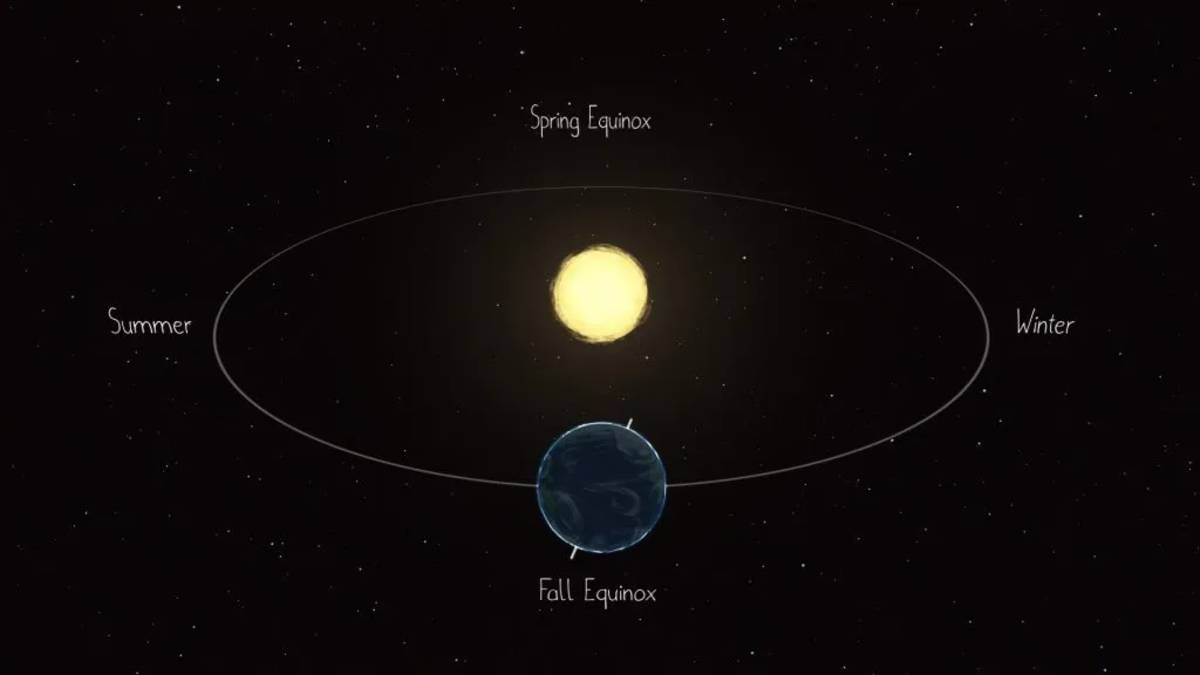
However, the equinox remains the time when the Sun's light is distributed most equally across the Northern and Southern Hemispheres, illuminating both the North and South Poles simultaneously. For those in the Northern Hemisphere, the autumnal equinox ushers in shorter days and cooler weather, while in the Southern Hemisphere, it signals the arrival of spring. This predictable shift, now coinciding with an unpredictable solar event, creates a perfect opportunity for a truly memorable celestial display.
Throughout the Northern Hemisphere, the approach of the equinox is marked by distinct seasonal shifts. This change triggers the southward migration of birds and butterflies, per EarthSky. The diminishing daylight also contributes to cooler temperatures, prompting animals to begin preparing for winter. Trees and plants are also concluding their annual growth cycles, often evidenced by vibrant fall foliage or a final burst of blooms before winter's dormancy. In the night sky, the prominent star Fomalhaut, often referred to as the "Autumn Star," becomes a more visible fixture as the evenings lengthen.
More on Starlust
Don't miss Neptune's closest approach to Earth on September 23—where to find it in the evening sky