Strong solar eruptions to trigger auroras and possible geomagnetic storms on November 11-12
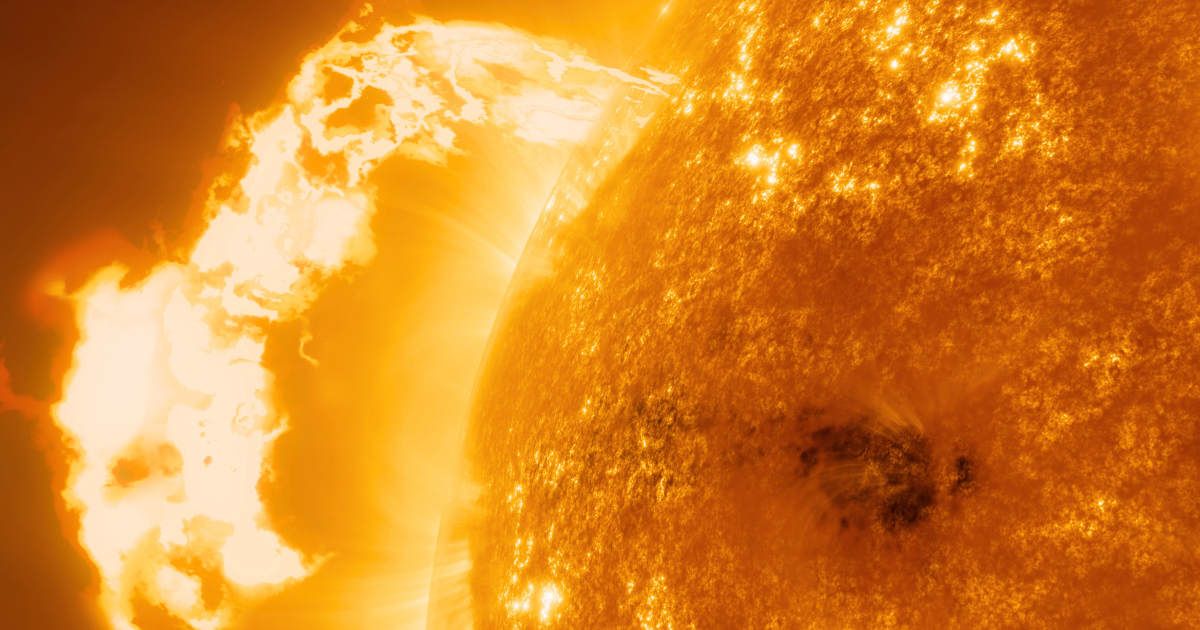
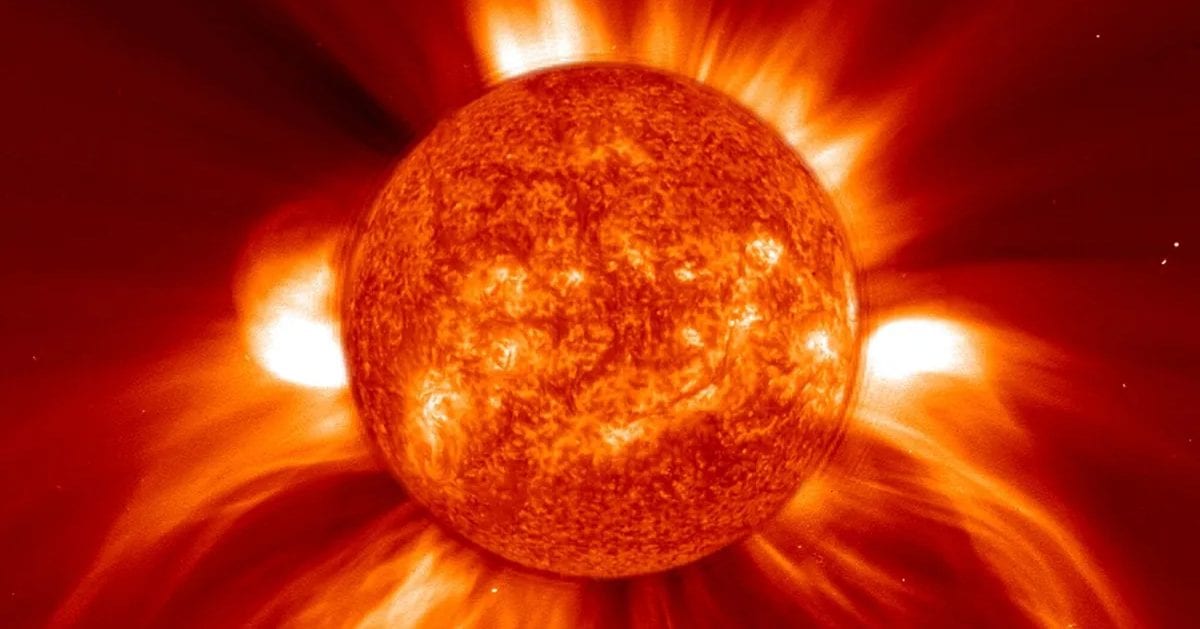
Earth is preparing for a multi-day barrage of solar material, with the most severe space weather impacts now forecast for November 11 and 12, a direct consequence of consecutive X-class solar flares, as per Space Weather. The solar flares would result in beautiful auroras and possible geomagnetic storms on the two days.
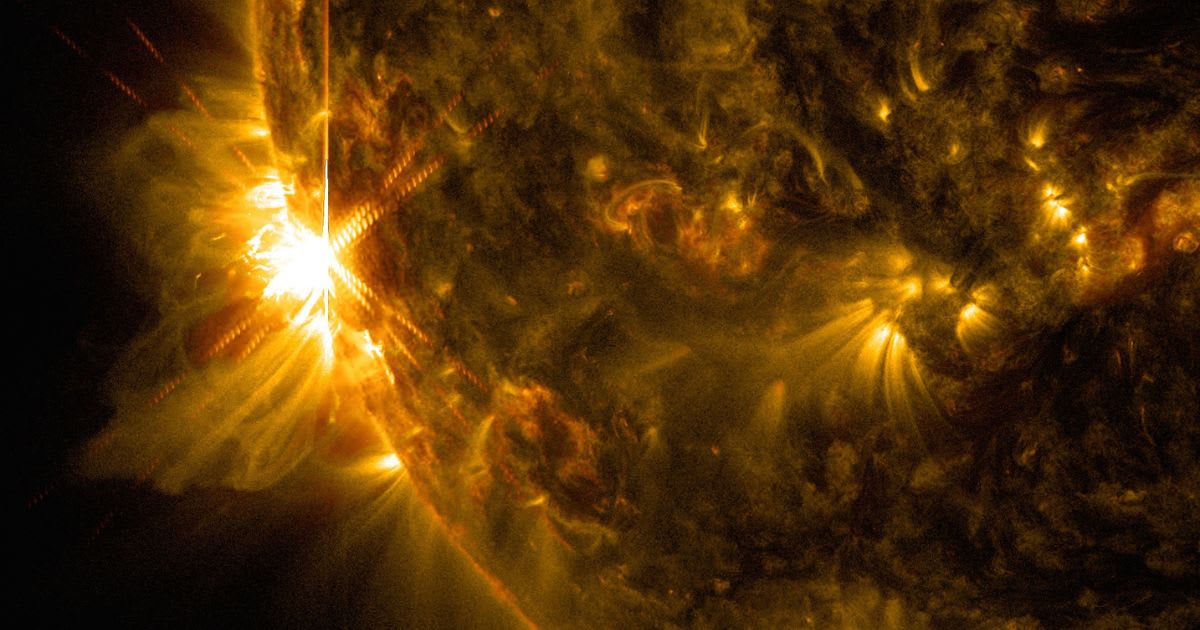
The concern centers on two massive Coronal Mass Ejections (CMEs) expected to deliver a significant one-two punch over the next 48 hours. The first notable arrival, predicted for today, November 11, is associated with a powerful X1.8-class flare that erupted on November 10. A third and potentially more potent CME, resulting from a subsequent X1.2 flare, is scheduled to hit in the early hours of November 12. This latest eruption was tracked as a full-halo event from the sunspot 4274, guaranteeing a direct impact.
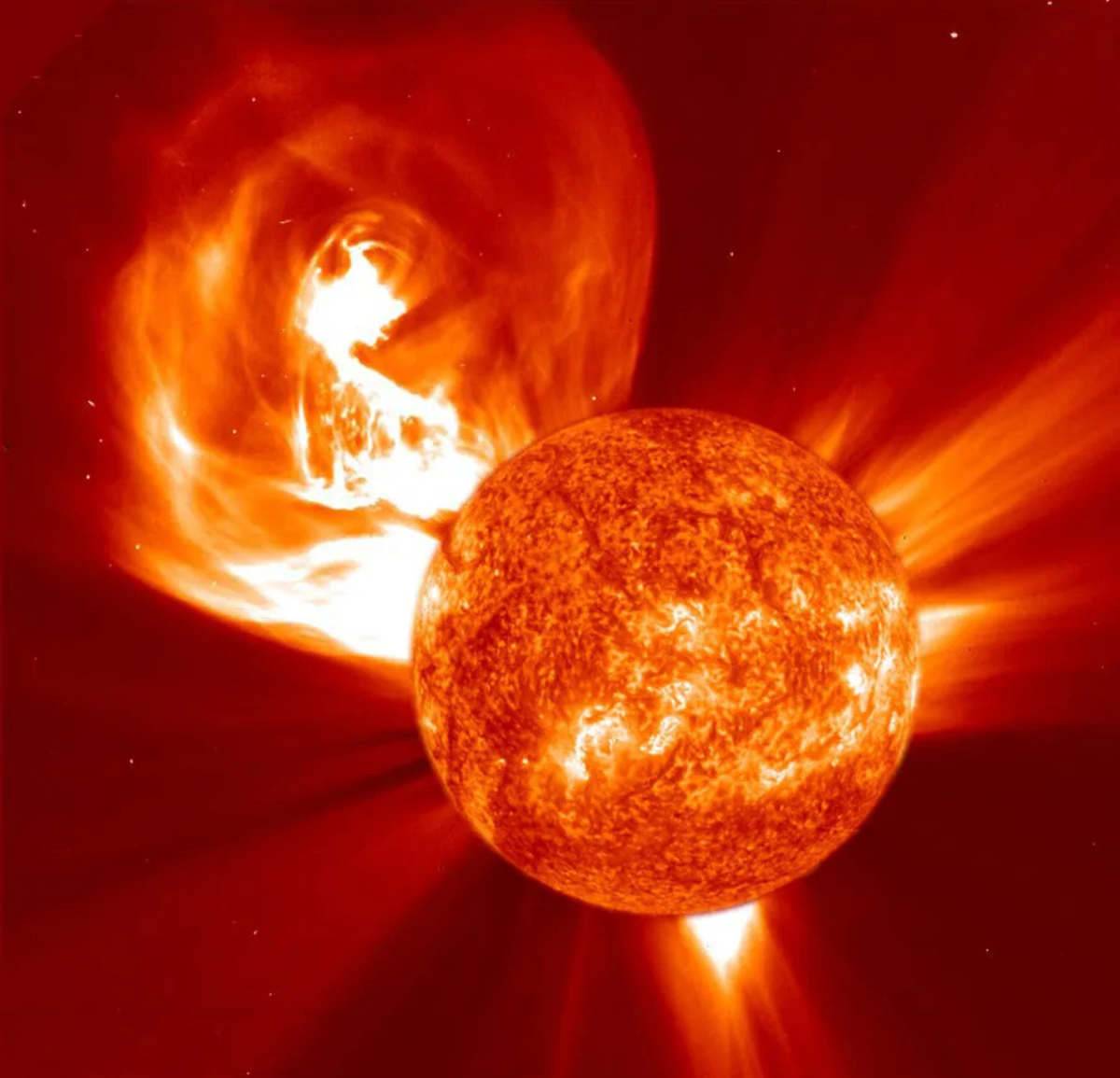
The leading edge of the most recent CME has already accelerated high-energy protons toward Earth, initiating an S1-class radiation storm as it approaches.
The severe space weather sequence was initiated by sunspot AR4274, which experienced a dramatic surge in activity earlier this week. According to Space.com, it produced two major X-class solar flares, an X1.7 on November 9 and a second flare early on November 10, both of which may have launched coronal mass ejections (CMEs) toward Earth. The initial eruption on November 9 peaked with an X1.7-class flare that triggered a strong (R3) radio blackout. Such blackouts widely disrupt high-frequency (HF) radio communications, causing a loss of contact for up to an hour on the sunlit side of the planet.
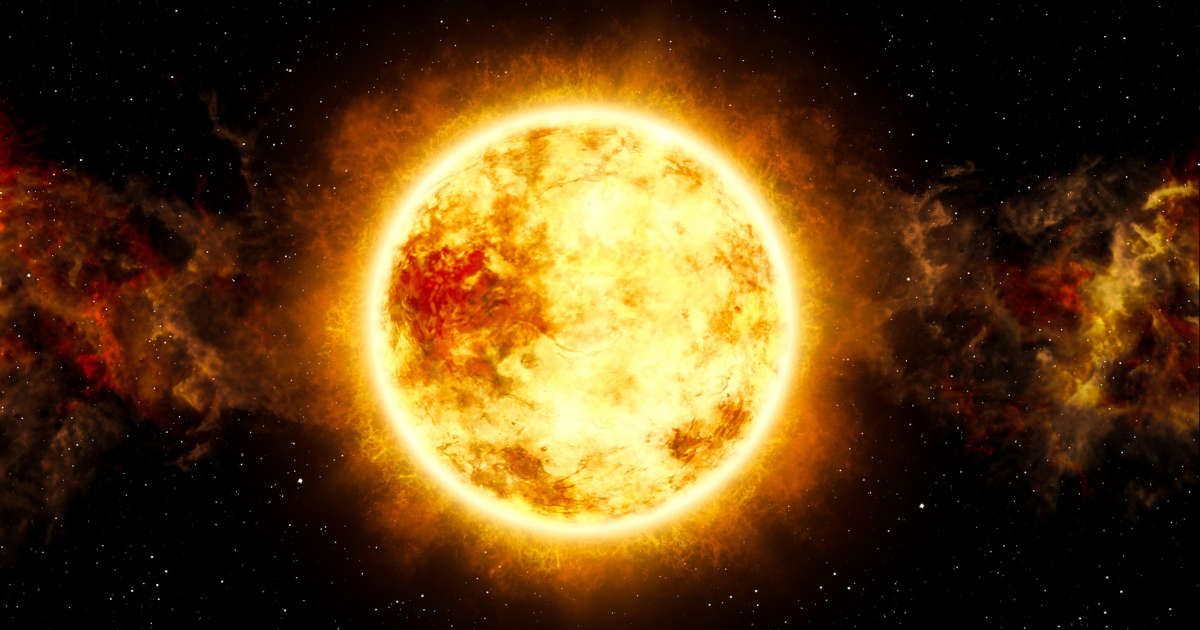
The succession of these events has led NOAA to issue a G1 (Minor) geomagnetic storm watch for November 10, escalating to a G2 (Moderate) watch for the peak impact days of November 11 and 12. These storm levels pose a risk of power system fluctuations and satellite orientation problems. Crucially, they also increase the chances for spectacular auroras, potentially making the Northern Lights visible across lower latitudes in northern U.S. states and parts of northern Europe.

While the geomagnetic storms present a technical hazard, the most visible outcome is the stunning spectacle of the Northern and Southern Lights (aurora borealis and australis). These colorful displays in the sky are a visual manifestation of the interaction of particles and magnetism between the Sun and Earth. Charged particles known as solar wind are continuously released by the Sun into the solar system. The solar wind often deposits energy into Earth's magnetic field upon interaction. And when this accumulated energy is finally released, it rains down on the atmosphere, causing what we refer to as auroras.
The variety of colors that auroras are seen in is a result of space particles bombarding the various gases in the atmosphere, giving their atoms and molecules extra energy that is released as light. The iconic green color is produced by oxygen at elevations between approximately 60 and 120 miles. Higher-altitude reactions, occurring above 120 miles, are responsible for red auroral displays.
More on Starlust
Triple coronal mass ejections are headed to Earth and could trigger auroras in northern skies
Solar storm may hit Earth at the autumn equinox, setting the stage for fall auroras