Severe G4 geomagnetic storm strikes, bringing aurora visibility deep into U.S. states
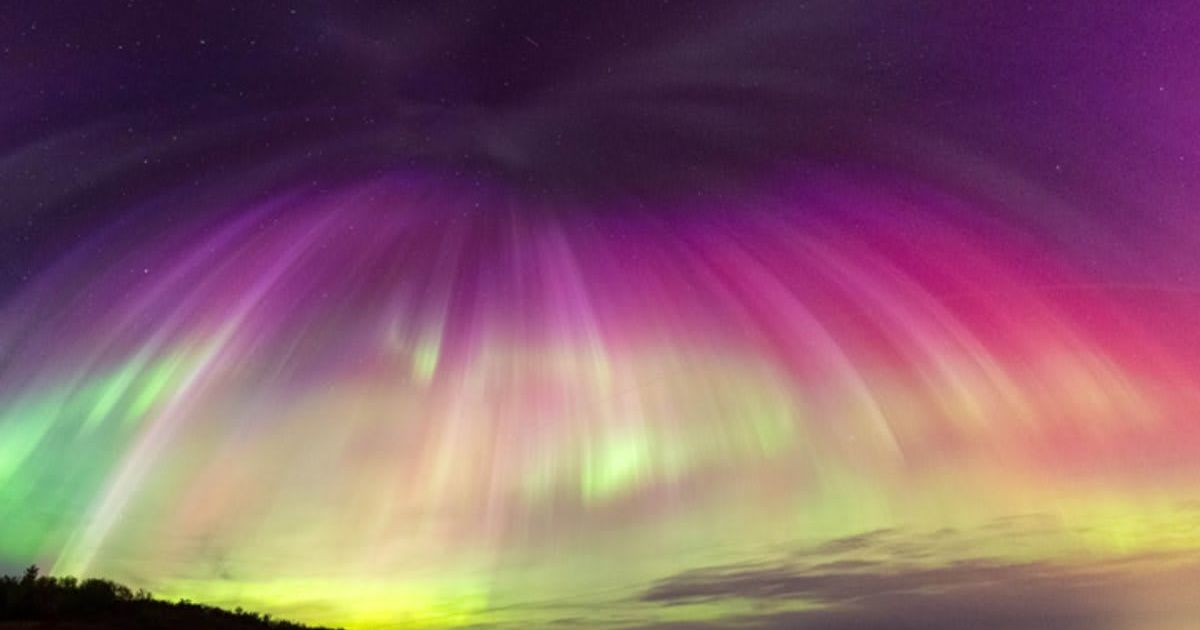
The Earth's magnetic field has been rocked, as a potent G4 (severe) geomagnetic storm was officially recorded and peaked today, November 12, at 01:20 Coordinated Universal Time (8:20 p.m. EST). Forecasters said severe storm conditions will continue throughout the day, according to the Space Weather Prediction Center (SWPC).
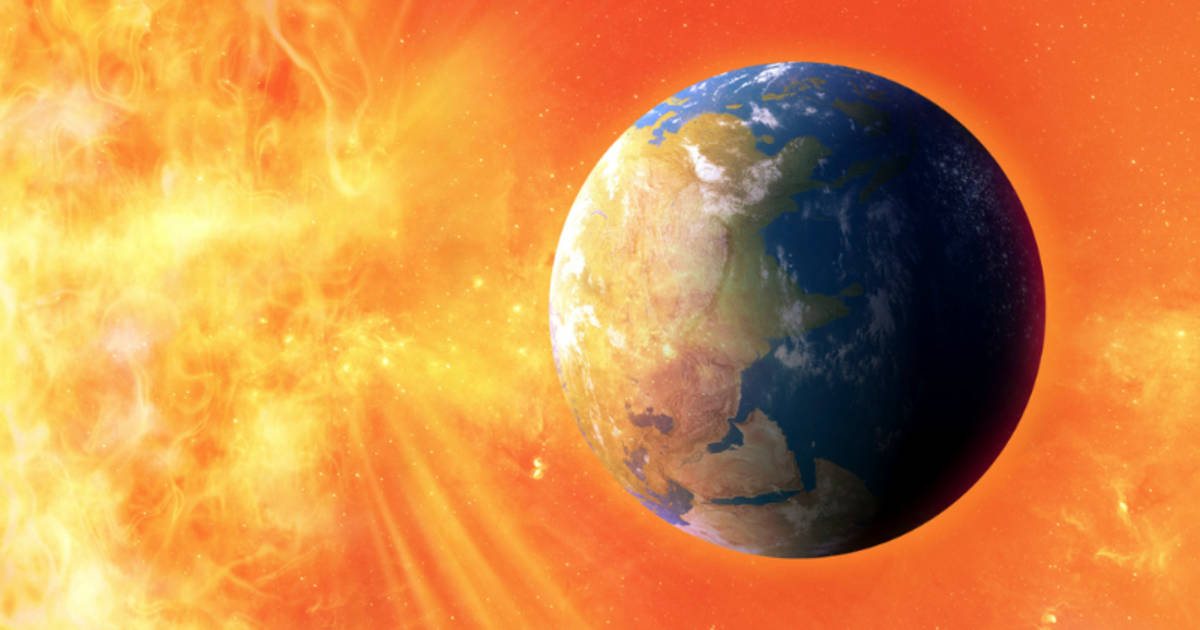
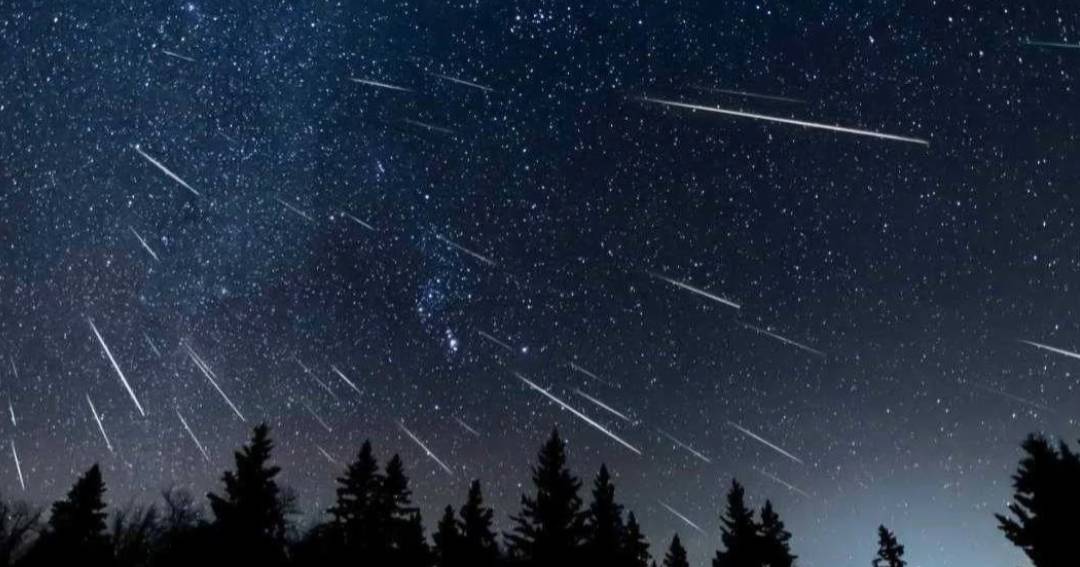
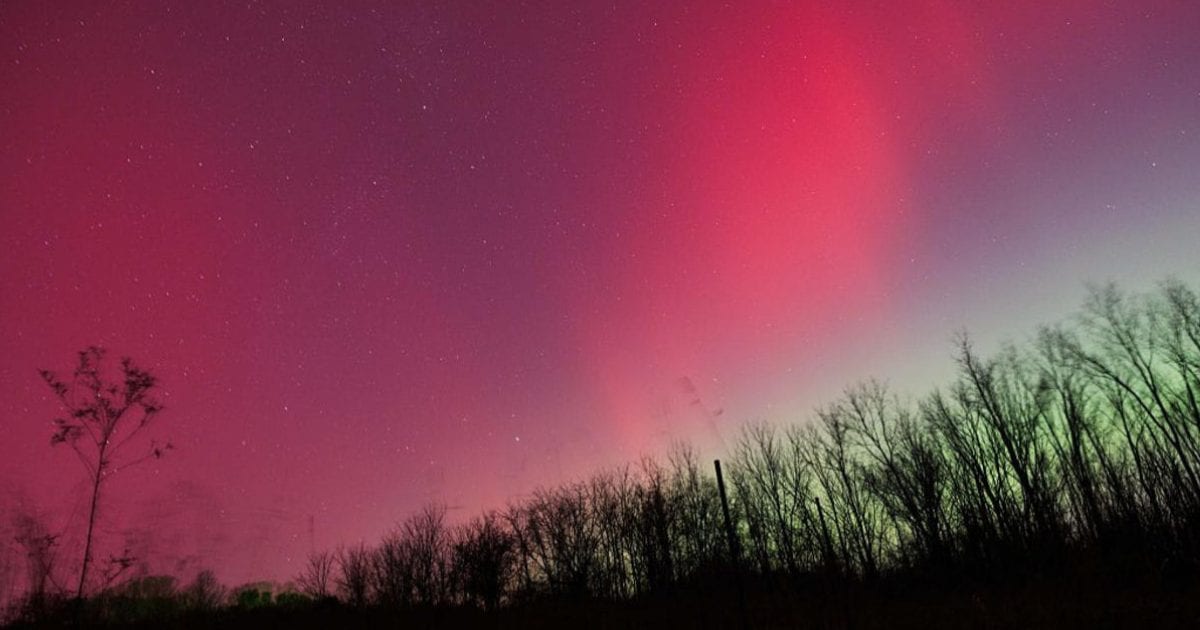
This high-level solar event has dramatically expanded the forecasted range for the Aurora Borealis, promising a rare show for observers across much of the continental United States. Early reports confirmed the phenomenon's unexpected southern reach, with stunning auroral displays already captured over northeastern Colorado.

The G4 classification indicates a powerful disturbance capable of driving the aurora's typical viewing boundary significantly further south than usual. Millions of Americans are now in a prime position to see the celestial glow. States such as Alaska, Washington, Idaho, Montana, North Dakota, South Dakota, Minnesota, Wisconsin, Michigan, and Maine are classified under confirmed high-visibility zones, overhead or strong horizon view.

People in the following states should look north for a possible faint light show: Oregon, Wyoming, Nebraska, Iowa, Illinois, Indiana, Ohio, Pennsylvania, New York, Vermont, New Hampshire, and Massachusetts. Suppose there is a very high level of solar activity and ideal viewing. In that case, that is, clear and dark skies well away from city light pollution, the visibility line could stretch as far south as historic southern latitudes such as Northern California and Alabama. Observers in these locations should keep an eye on the northern horizon.
According to Space Weather, the X5-class solar flare off sunspot 4274 has released a torrent of energetic protons toward Earth. These potent particles aren't shielded by the upper atmosphere; they are currently reaching all the way to the ground, and neutron detectors all over the world are monitoring them. Professor Clive Dyer of the Surrey Space Centre calls it a "very significant event." This is called a Ground Level Event, or GLE. Events this big are infrequent, occurring once or twice each solar cycle, so this is a roughly once-in-a-20-year event.
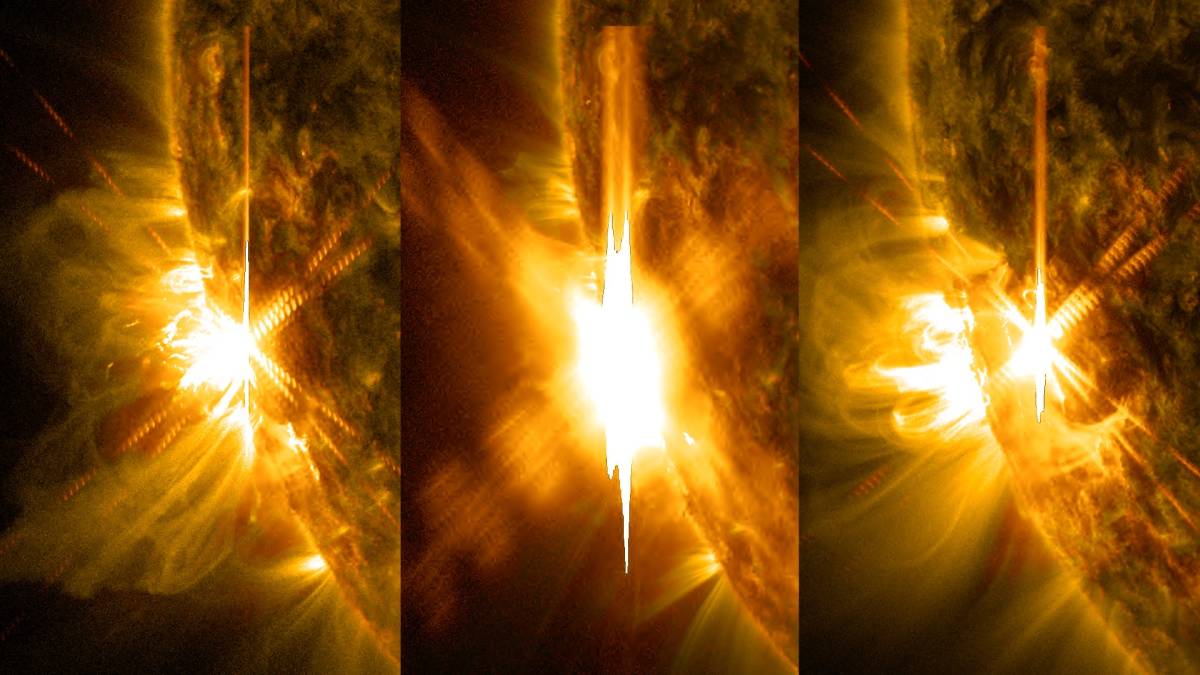
The implications for aviation are significant: the 2006 GLE resulted in passengers on high-latitude flights at cruising altitude experiencing a peak radiation dose rate of 25-30 microSieverts per hour, resulting in an estimated 20% increase in the total effective radiation dose. The same is probably happening now. How today's GLE is studied will be important for the development of better emergency strategies for far larger events, such as the recurrence of a February 23, 1956, event that produced a thousandfold increase in radiation at 40,000 feet, according to Dyer.
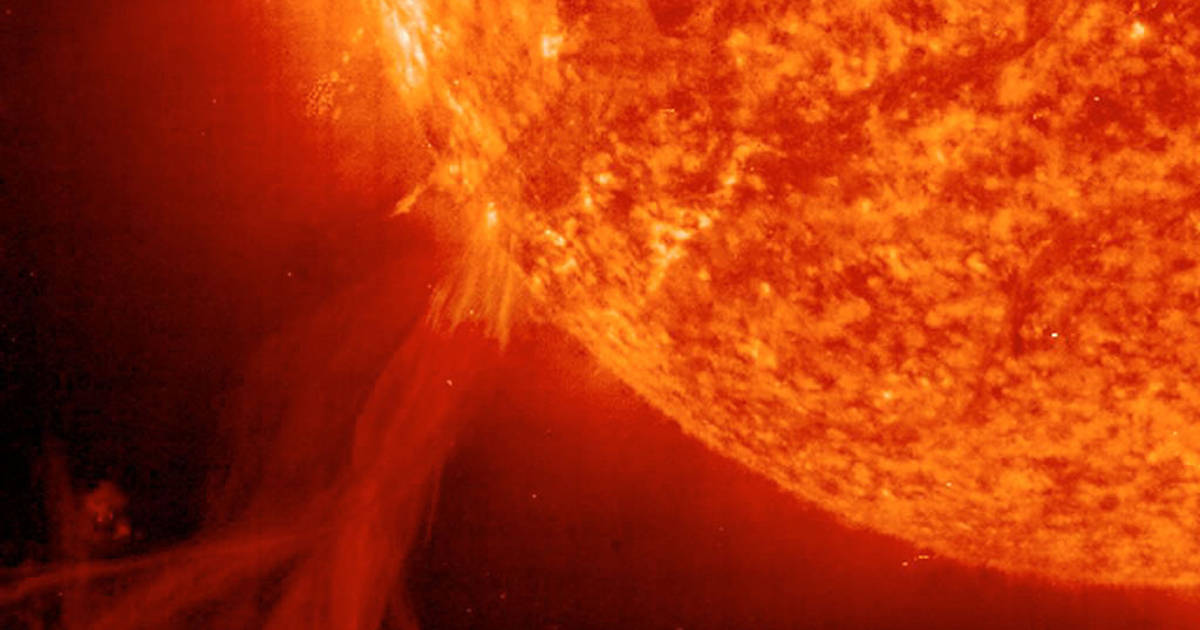
But in addition to atmospheric effects, the solar protons are causing an ongoing problem in space: satellites are being bombarded by the energetic particles, creating a kind of visible "hailstorm" of noise in imaging systems. An animation from SOHO's C3 coronagraph makes clear that all the "snow" is, in fact, due to the high-energy particles striking the camera's CCD detector and serves to underscore fogging as a major side effect of intense radiation.
More on Starlust
Strong solar eruptions to trigger auroras and possible geomagnetic storms on November 11-12