Northern U.S. states could see aurora as NOAA predicts geomagnetic storm on September 8

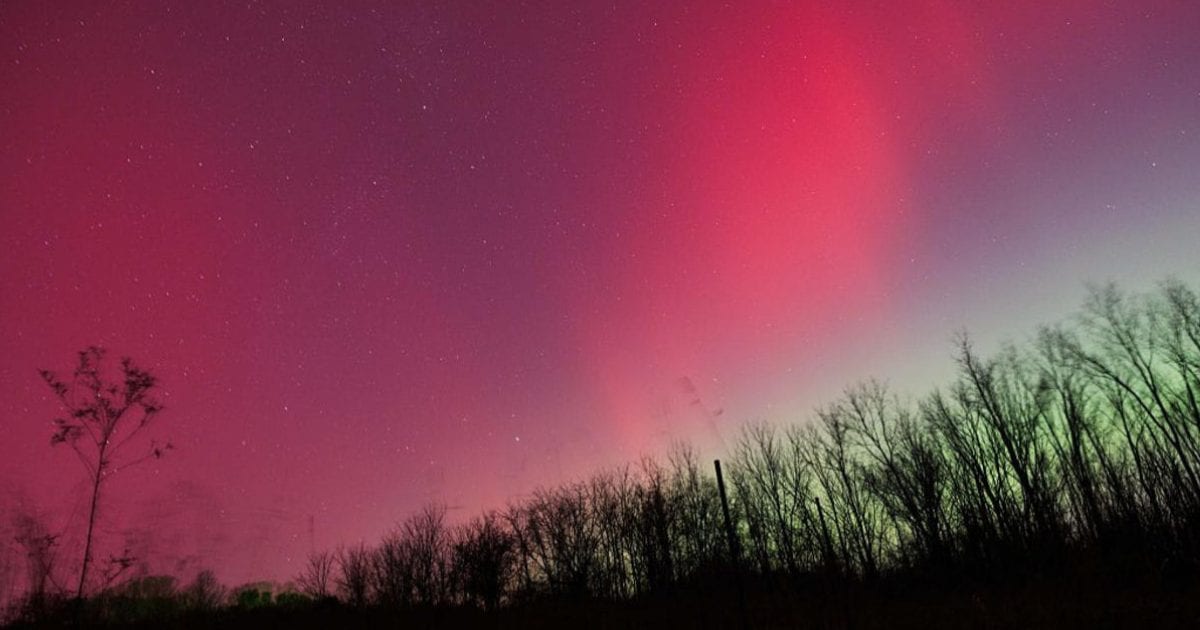
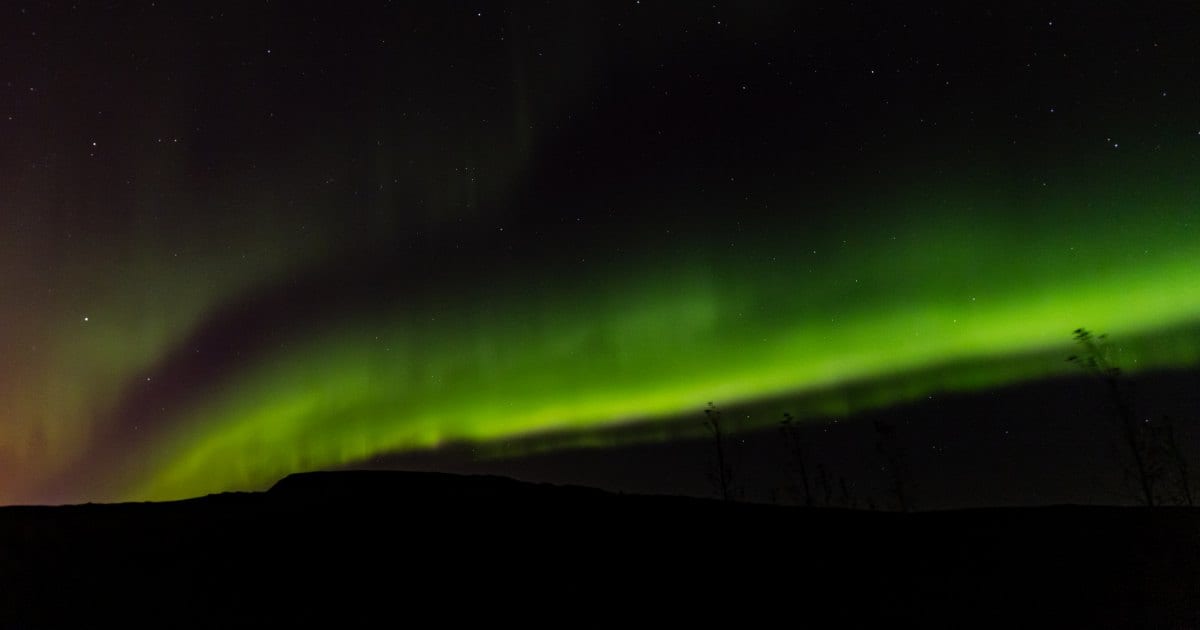
The northernmost parts of the U.S. could get to see the aurora on Tuesday, September 8. NOAA’s Space Weather Prediction Center (SWPC) issued a G1 (minor) geomagnetic storm alert for the day on September 6, and its aurora forecast map suggests that the states of Montana, North Dakota, and Minnesota could get to see the northern lights in the pre-dawn hours.
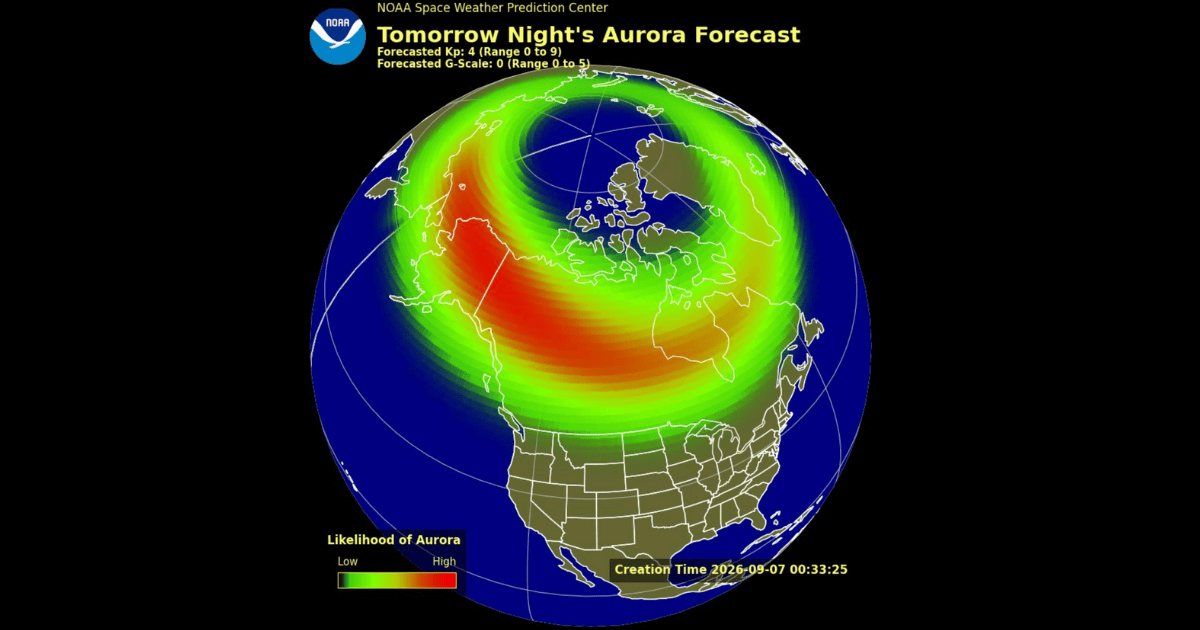
The inbound geomagnetic storm is set to peak by around 2 am EDT on Tuesday, and a drop in its intensity is unlikely until after 11 am. This means that the pre-dawn hours on Tuesday will be the best for aurora viewing, with much of the storm peaking during daylight. The storm and the resultant northern lights are a consequence of a coronal mass ejection (CME)—a large expulsion of plasma from the Sun's outer atmosphere that has been hurled towards Earth. According to Spaceweather.com, the CME itself is understood to be a result of a C9-class solar flare that originated in the sunspot 4524—an area of intense and complex magnetic field on the Sun.
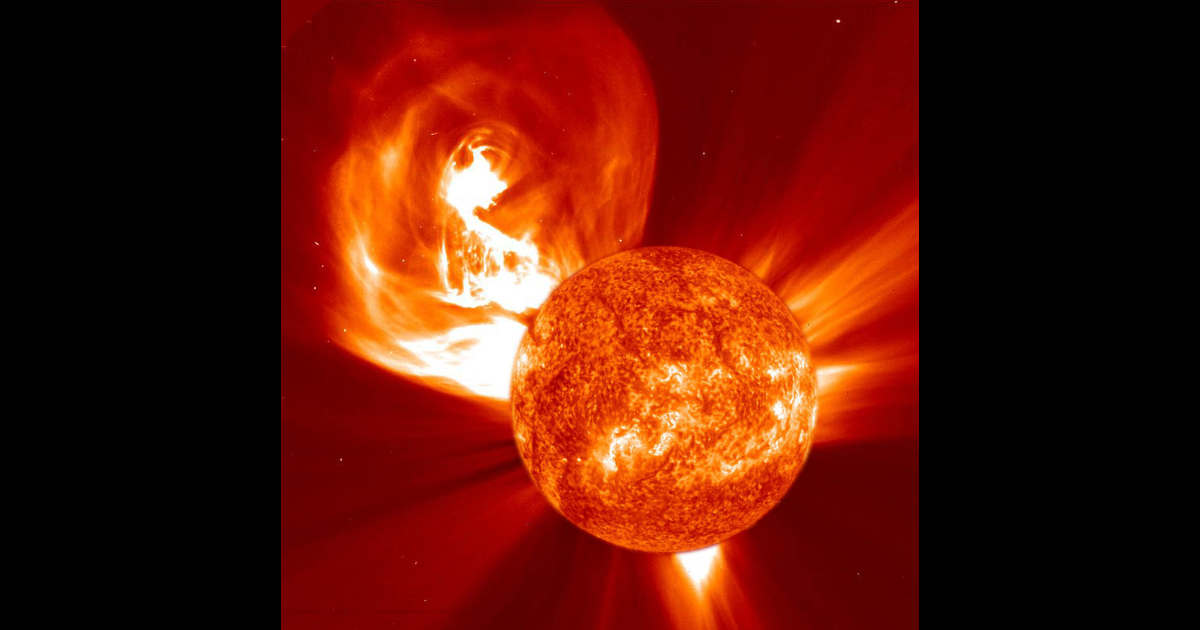
The most powerful explosions in the solar system, according to NASA, solar flares are huge bursts of radiation or light on the Sun. And while they are often accompanied by CMEs, solar flares are also known to occur separately. Flares are also much faster than CMEs. They travel at the speed of light and reach Earth in about 8 minutes, according to the SWPC. CMEs, on the other hand, can take several days to arrive at our planet, traveling at speeds between 250 kilometers per second and 3,000 kilometers per second. Based on their intensity or energy output, solar flares are classified into A (weakest), B, C, M, and X (strongest), with each class representing a 10-fold increase in energy.
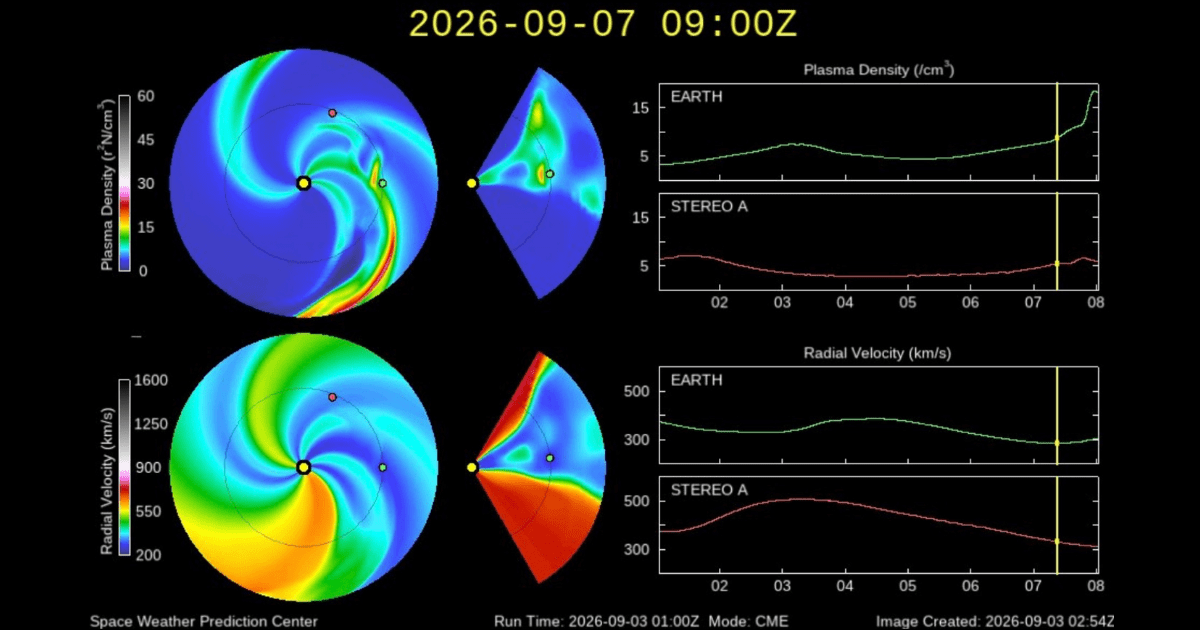
While skywatchers may get to see the aurora under ideal conditions because of the inbound CME, NOAA has also forecast the resultant geomagnetic storm to impact power grids and satellite operations, albeit weakly. Furthermore, research suggests that disturbance within Earth's magnetosphere caused by CMEs can have an impact on the human cardiovascular system, with heart rate and blood pressure increasing during geomagnetic storms. Migraines are also likely to be triggered by such events.
More on Starlust
Solar flares explained: What these giant explosions on the Sun mean for us
Scientists find a new way to predict space weather based on how the Sun goes to 'sleep'