Did you miss the August 2026 lunar eclipse? Find out when you can see the next one
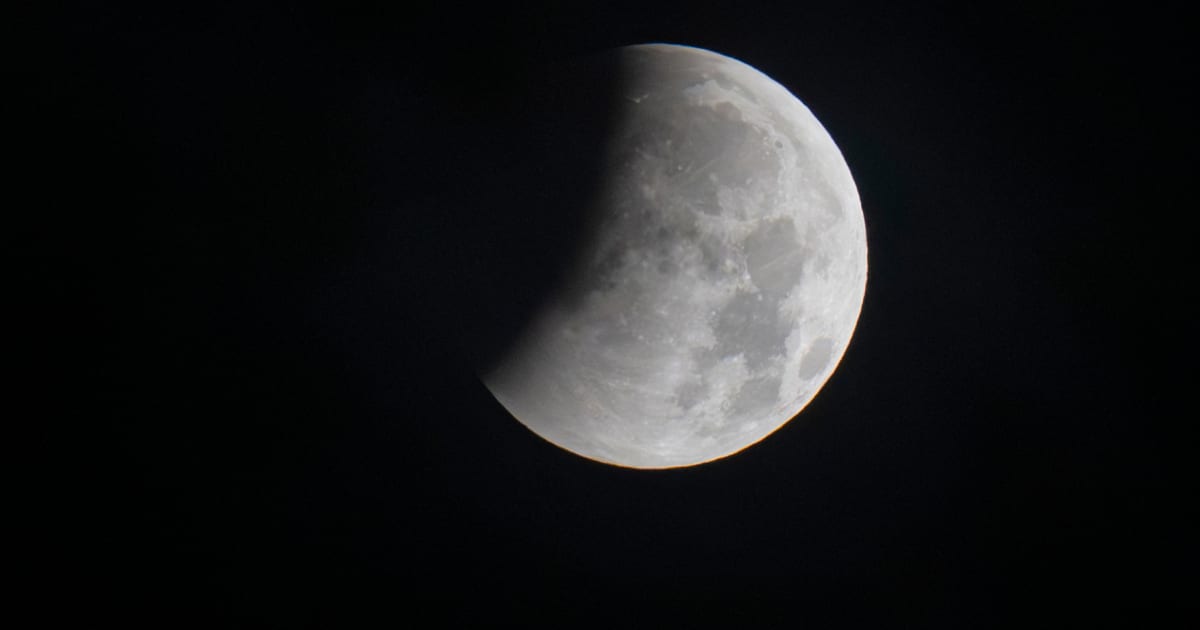
Even though we are past the lunar eclipse on August 27-28, we have a new one on the calendar in February 2027, with Earth's shadow passing over the Moon once again.
When and where is the next lunar eclipse?
The next lunar eclipse will be a penumbral one that will begin at 21:12 UTC on February 20, according to NASA, and will reach its peak at 23:13 UTC, when the Moon will be deepest in Earth’s outer shadow. The eclipse will end at 1:13 UTC on February 21. Since the eclipse will be visible across different parts of the world, the exact local time will depend on where you are watching from.
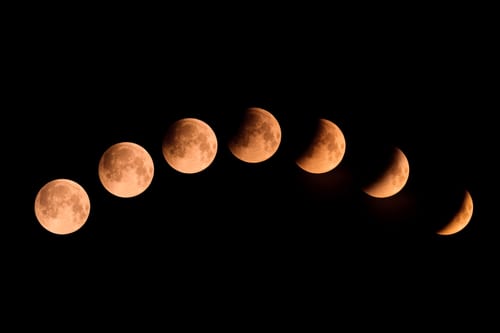
The eclipse will be visible from the Americas, Europe, Africa, Asia, and Australia. For anyone who wants to watch it, the Moon will need to be above the horizon during the eclipse. Some viewers may see the Moon rise or set while the eclipse is taking place. For others, the Moon will remain above the horizon for a longer part of the event, giving them more time to watch it.
How is this eclipse different from a partial lunar eclipse?
A partial lunar eclipse comes about when part of the Moon passes through a part of Earth’s inner shadow called the 'umbra.' On the other hand, a penumbral eclipse occurs when the Moon crosses the outer shadow of Earth called the 'penumbra.' The most prominent kind of eclipse is a total eclipse, which sees the Moon covered entirely by the umbra. The next total lunar eclipse is set to take place on December 31, 2028, and will be visible from Africa, Asia, Europe, Australia, and parts of North America.
What will the February 2027 eclipse look like?
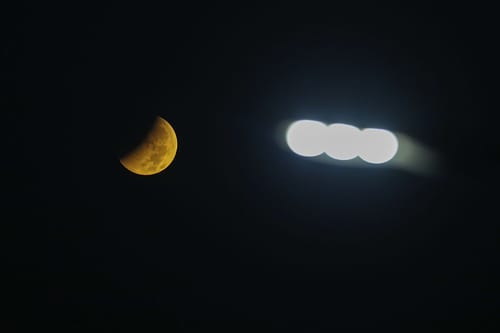
Since it is a penumbral lunar eclipse, the Moon on February 20 will not look as dark as it did during the partial lunar eclipse seen on August 27-28. During the eclipse, most of the Moon will have its usual appearance. Viewers will be able to see a slight change in brightness because Earth’s shadow will block some of the sunlight reaching the Moon. The change will be the most noticeable when the Moon is deepest in Earth’s penumbra during the peak of the eclipse.
How to watch the February 2027 lunar eclipse
Unlike solar eclipses, observing lunar eclipses with the naked eye is completely safe. You don’t need any special equipment because you will be looking at reflected sunlight on the Moon and not at the Sun directly. It, however, helps to have the Moon high in the sky and a clear view to see the eclipse.
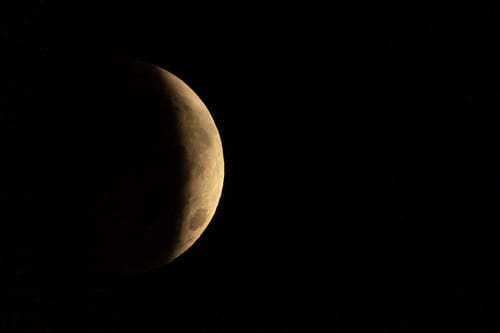
You can use binoculars or a telescope to take a closer look at the Moon’s surface. As stated earlier, since the Moon will remain in the penumbral part of Earth’s shadow during this event, the change in its appearance will be less noticeable than during a partial or total eclipse. So, having a clear view will help viewers see the change better.
More on Starlust
Partial Lunar Eclipse August 2026: Best pictures of the 'almost blood Moon' from around the world