When and where to watch the next 5 total lunar eclipses in the U.S.: Dates and city-wise timings
Editor's note: This article was updated at 12:25 am EDT on September 18, 2026, with the correct local time zone (CDT) for Houston in the June 25, 2029, eclipse table.
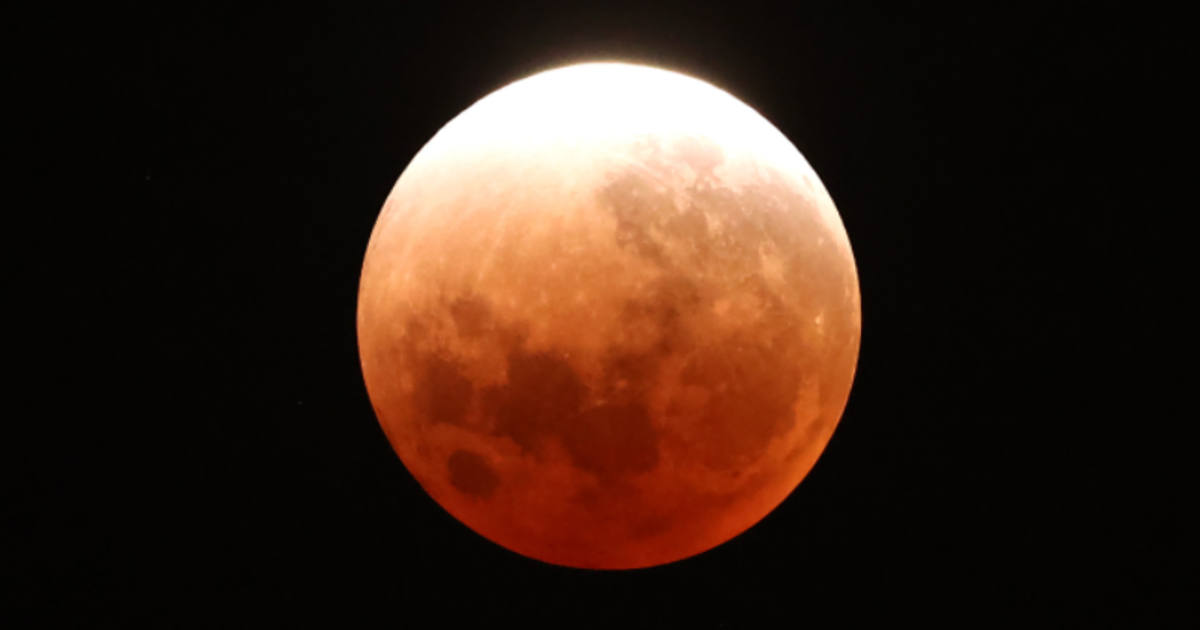
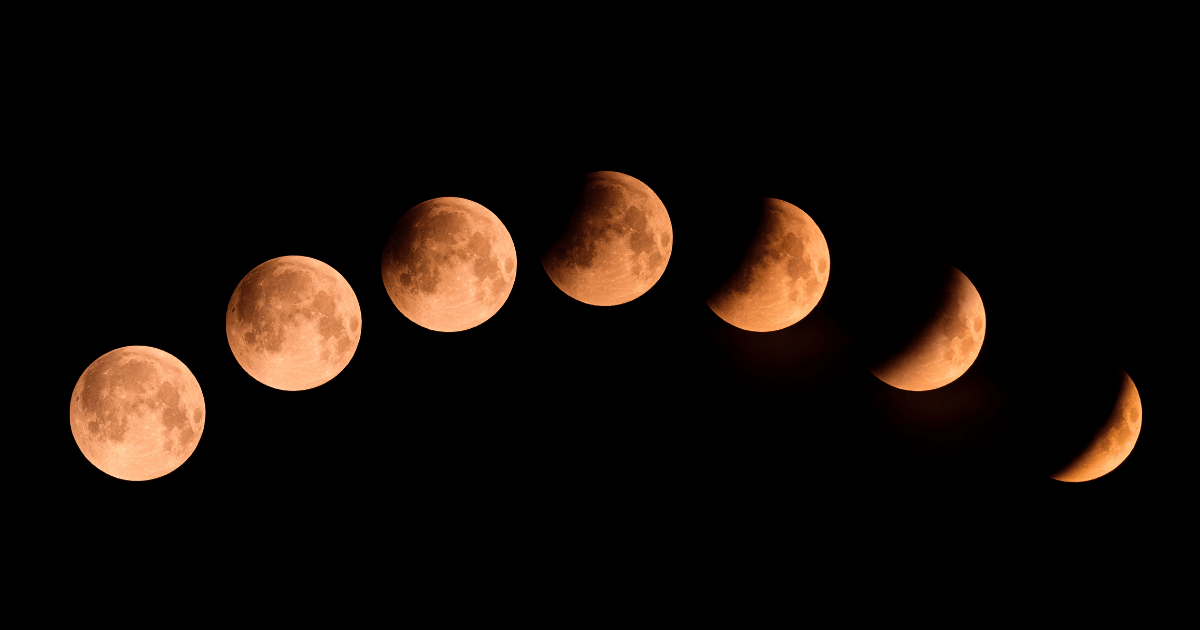
Lunar eclipses are a sight to behold, especially when the Moon gets completely engulfed in Earth's shadow and takes on a copper-red hue. But as beautiful as they are, visibility varies with each total lunar eclipse. Moreover, it's also very important to make a note of the timings, as while a lunar eclipse can last several hours, totality is visible for only about an hour or so. Thus, to help you mark your calendars or to set reminders, here is a list of the next five total lunar eclipses, along with their timings and the details of their visibility across several states in the U.S., based on the information available on Time and Date.
At a glance, the next 5 total lunar eclipses
As per NASA's eclipse catalog, the next 5 total lunar eclipses to watch out for will take place on December 31, 2028, June 26, 2029, December 20, 2029, April 25, 2032, and October 18, 2032. The visibility across the U.S. will vary with each eclipse.
| Date | Overall duration | Duration of totality |
| December 31, 2028 | 5 hours 36 minutes | 1 hour 11 minutes |
| June 25, 2029 | 5 hours, 35 minutes | 1 hour 42 minutes |
| December 20, 2029 | 5 hours, 58 minutes | 54 minutes |
| April 25, 2032 | 5 hours, 43 minutes | 1 hour 5 minutes |
| October 18, 2032 | 5 hours, 15 minutes | 47 minutes |
December 31, 2028 eclipse: City-wise timings
Europe, Asia, Australia, Africa, and North/West North America will get to experience at least some part of the eclipse. It will peak at 12:52 p.m. EDT, but the U.S., with the exception of Alaska, Hawaii, and Washington, will not be able to see the eclipse during totality.
| City | Start of penumbral eclipse | Start of partial eclipse | Start of total eclipse | Maximum eclipse in the city | Actual maximum eclipse | End of total eclipse | End of partial eclipse | End of penumbral eclipse |
| Los Angeles | 6:03 am PST | 7:07 am PST. Not visible. Moon below horizon. | 8:16 am PST. Not visible. Moon below horizon | 6:57 am PST. Eclipse in penumbral phase. | 8:52 am PST. Not visible. Moon below horizon. | 9:27 am PST. Not visible. Moon below horizon. | 10:36 am PST. Not visible. Moon below horizon. | 11:40 am PST. Not visible. Moon below horizon. |
| San Francisco | 6:03 am PST | 7:07 am PST | 8:16 am PST. Not visible. Moon below horizon. | 7:24 am PST. Eclipse in partial phase. | 8:52 am PST. Not visible. Moon below horizon. | 9:27 am PST. Not visible. Moon below horizon. | 10:36 am PST. Not visible. Moon below horizon. | 11:40 am PST. Not visible. Moon below horizon. |
| Seattle | 6:03 am PST | 7:07 am PST | 8:16 am PST. Not visible. Moon below horizon. | 7:59 am PST. Eclipse in partial phase. | 8:52 am PST. Not visible. Moon below horizon. | 9:27 am PST. Not visible. Moon below horizon | 10:36 am PST. Not visible. Moon below horizon | 11:40 am PST. Not visible. Moon below horizon |
| New York | Not visible | Not visible | Not visible | Not visible | Not visible | Not visible | Not visible | Not visible |
| Boston | Not visible | Not visible | Not visible | Not visible | Not visible | Not visible | Not visible | Not visible |
| Chicago | Not visible | Not visible | Not visible | Not visible | Not visible | Not visible | Not visible | Not visible |
| Washington, D.C. | Not visible | Not visible | Not visible | Not visible | Not visible | Not visible | Not visible | Not visible |
| Houston | Not visible | Not visible | Not visible | Not visible | Not visible | Not visible | Not visible | Not visible |
June 25, 2029 eclipse: City-wise timings
The entirety of the U.S. will be able to experience this eclipse in totality, with regions in Europe, West Asia, Africa, and South America also seeing at some parts of the event.
| City | Start of penumbral eclipse | Start of partial eclipse | Start of total eclipse | Maximum eclipse in the city | Actual maximum eclipse | End of total eclipse | End of partial eclipse | End of penumbral eclipse |
| New York | 8:34 pm EDT, June 25 | 9:32 pm EDT | 10:31 pm EDT | 11:32 pm EDT | 11:32 pm EDT | 12:13 am EDT, June 26 | 1:11 am EDT | 2:09 am EDT |
| Los Angeles | 5:34 pm PDT, June 25. Not visible. Moon below horizon. | 6:32 pm PDT. Not visible. Moon below horizon. | 7:31 pm PDT. Not visible. Moon below horizon. | 8:22 pm PDT. | 8:22 pm PDT. | 9:13 pm PDT | 10:11 pm PDT | 11:09 pm PDT |
| Chicago | 7:34 pm CDT, June 25. Not visible. Moon below horizon. | 8:32 pm CDT. Not visible. Moon below horizon. | 9:31 pm CDT | 10:22 pm CDT | 10:22 pm CDT | 11:13 pm CDT | 12:11 am CDT, June 26 | 1:09 am CDT |
| San Francisco | 5:34 pm PDT, June 25. Not visible. Moon below horizon. | 6:32 pm PDT. Not visible. Moon below horizon. | 7:31 pm PDT. Not visible. Moon below horizon. | 8:35 pm PDT. Eclipse in totality. | 8:22 pm PDT. Not visible. Moon below horizon. | 9:13 pm PDT | 10:11 pm PDT | 11:09 pm PDT |
| Boston | 8:34 pm EDT, June 25 | 9:32 pm EDT | 10:31 pm EDT | 11:32 pm EDT | 11:32 pm EDT | 12:13 am EDT, June 26 | 1:11 am EDT | 2:09 am EDT |
| Seattle | 5:34 pm PDT, June 25. Not visible. Moon below horizon. | 6:32 pm PDT. Not visible. Moon below horizon. | 7:31 pm PDT. Not visible. Moon below horizon. | 9:11 pm PDT. Eclipse in totality. | 8:22 pm PDT. Not visible. Moon below horizon. | 9:13 pm PDT | 10:11 pm PDT | 11:09 pm PDT |
| Washington, D.C. | 8:34 pm EDT, June 25 | 9:32 pm EDT | 10:31 pm EDT | 11:22 pm EDT | 11:22 pm EDT | 12:13 am EDT, June 26 | 1:11 am EDT | 2:09 am EDT |
| Houston | 7:34 pm CDT, June 25. Not visible. Moon below horizon. | 8:32 pm CDT | 9:31 pm CDT | 10:22 pm CDT | 10:22 pm CDT | 11:13 pm CDT | 12:11 am CDT, June 26 | 1:09 am CDT |
December 20, 2029 eclipse: City-wise timings
This eclipse, peaking at 6:42 pm EDT, will also be widely visible in the U.S. besides Europe, Asia, North/West Australia, Africa, and South America.
| City | Start of penumbral eclipse | Start of partial eclipse | Start of total eclipse | Maximum eclipse in the city | Actual maximum eclipse | End of total eclipse | End of partial eclipse | End of penumbral eclipse |
| New York | 2:42 pm EST, December 20. Not visible. Moon below horizon. | 3:55 pm EST. Not visible. Moon below horizon. | 5:15 pm EST | 5:42 pm EST | 5:42 pm EST | 6:08 pm EST | 7:28 pm EST | 8:41 pm EST |
| Los Angeles | 11:42 am PST, December 20. Not visible. Moon below horizon. | 12:55 pm PST. Not visible. Moon below horizon. | 2:15 pm PST. Not visible. Moon below horizon. | 4:51 pm PST. Eclipse in penumbral phase. | 2:42 pm PST | 3:08 pm PST. Not visible. Moon below horizon. | 4:28 pm PST. Not visible. Moon below horizon. | 5:41 pm PST |
| Chicago | 1:42 pm CST, December 20. Not visible. Moon below horizon. | 2:55 pm CST. Not visible. Moon below horizon. | 4:15 pm CST. Not visible. Moon below horizon. | 4:42 pm CST | 4:42 pm CST | 5:08 pm CST | 6:28 pm CST | 7:41 pm CST |
| San Francisco | 11:42 am PST, December 20. Not visible. Moon below horizon. | 12:55 pm PST. Not visible. Moon below horizon. | 2:15 pm PST. Not visible. Moon below horizon | 5:05 pm PST. Moon in penumbral phase. | 2:42 pm PST. Not visible. Moon below horizon. | 3:08 pm PST. Not visible. Moon below horizon. | 4:28 pm PST. Not visible. Moon below horizon. | 5:41 pm PST |
| Boston | 2:42 pm EST, December 20. Not visible. Moon below horizon. | 3:55 pm EST. Not visible. Moon below horizon. | 5:15 pm EST | 5:42 pm EST | 5:42 pm EST | 6:08 pm EST | 7:28 pm EST | 8:41 pm EST |
| Seattle | 11:42 am PST, December 20. Not visible. Moon below horizon. | 12:55 pm PST. Not visible. Moon below horizon. | 2:15 pm PST. Not visible. Moon below horizon | 4:24 pm PST. Eclipse in partial phase | 2:42 pm PST. Not visible. Moon below horizon. | 3:08 pm PST. Not visible. Moon below horizon. | 4:28 pm PST. | 5:41 pm PST |
| Washington, D.C. | 2:42 pm EST, December 20. Not visible. Moon below horizon. | 3:55 pm EST. Not visible. Moon below horizon. | 5:15 pm EST | 5:42 pm EST | 5:42 pm EST | 6:08 pm EST | 7:28 pm EST | 8:41 pm EST. |
| Houston | 1:42 pm CST, December 20. Not visible. Moon below horizon | 2:55 pm CST. Not visible. Moon below horizon. | 4:15 pm CST. Not visible. Moon below horizon. | 5:29 pm CST. Eclipse in partial phase. | 4:42 pm CST. Not visible. Moon below horizon. | 5:08 pm CST. Not visible. Moon below horizon. | 6:28 pm CST. | 7:41 pm CST |
April 25, 2032 eclipse: City-wise timings
The totality of this eclipse will primarily be visible in Asia, Australia, and parts of Europe and Africa. The U.S., meanwhile, will be deprived of totality with a small part of the country experiencing the eclipse in its penumbral phase.
| City | Start of penumbral eclipse | Start of partial eclipse | Start of total eclipse | Maximum eclipse in the city | Actual maximum eclipse | End of total eclipse | End of partial eclipse | End of penumbral eclipse |
| Los Angeles | 5:22 am PDT, April 25 | 6:28 am PDT. Not visible. Moon below horizon. | 7:40 am PDT. Not visible. Moon below horizon. | 5:56 am PDT. Eclipse in penumbral phase. | 8:13 am PDT. Not visible. Moon below horizon. | 8:46 am PDT. Not visible. Moon below horizon. | 9:59 am PDT. Not visible. Moon below horizon. | 11:04 am PDT. Not visible. Moon below horizon. |
| San Francisco | 5:22 am PDT, April 25 | 6:28 am PDT. Not visible. Moon below horizon. | 7:40 am PDT. Not visible. Moon below horizon. | 6:16 am PDT. Eclipse in penumbral phase. | 8:13 am PDT. Not visible. Moon below horizon. | 8:46 am PDT. Not visible. Moon below horizon. | 9:59 am PDT. Not visible. Moon below horizon. | 11:04 am PDT. Not visible. Moon below horizon. |
| Seattle | 5:22 am PDT, April 25 | 6:28 am PDT. Not visible. Moon below horizon. | 7:40 am PDT. Not visible. Moon below horizon. | 5:56 am PDT. Eclipse in penumbral phase. | 8:13 am PDT. Not visible. Moon below horizon. | 8:46 am PDT. Not visible. Moon below horizon. | 9:59 am PDT. Not visible. Moon below horizon. | 11:04 am PDT. Not visible. Moon below horizon. |
| New York | Not visible | Not visible | Not visible | Not visible | Not visible | Not visible | Not visible | Not visible |
| Chicago | Not visible | Not visible | Not visible | Not visible | Not visible | Not visible | Not visible | Not visible |
| Boston | Not visible | Not visible | Not visible | Not visible | Not visible | Not visible | Not visible | Not visible |
| Washington, D.C. | Not visible | Not visible | Not visible | Not visible | Not visible | Not visible | Not visible | Not visible |
| Houston | Not visible | Not visible | Not visible | Not visible | Not visible | Not visible | Not visible | Not visible |
October 18, 2032 eclipse: City-wise timings
This will be the least favorable of the next five total lunar eclipses for the U.S., with only a small part of Maine getting to experience the eclipse in its penumbral phase from 5:35 pm to 5:40 pm EST. Meanwhile, totality will primarily be visible from Asia, Europe, Australia, and Africa.
More on Starlust
2025 supermoons recap: 10 best images of the year's grand lunar events