Moon to occult Jupiter in daylight on September 8: When and how to watch
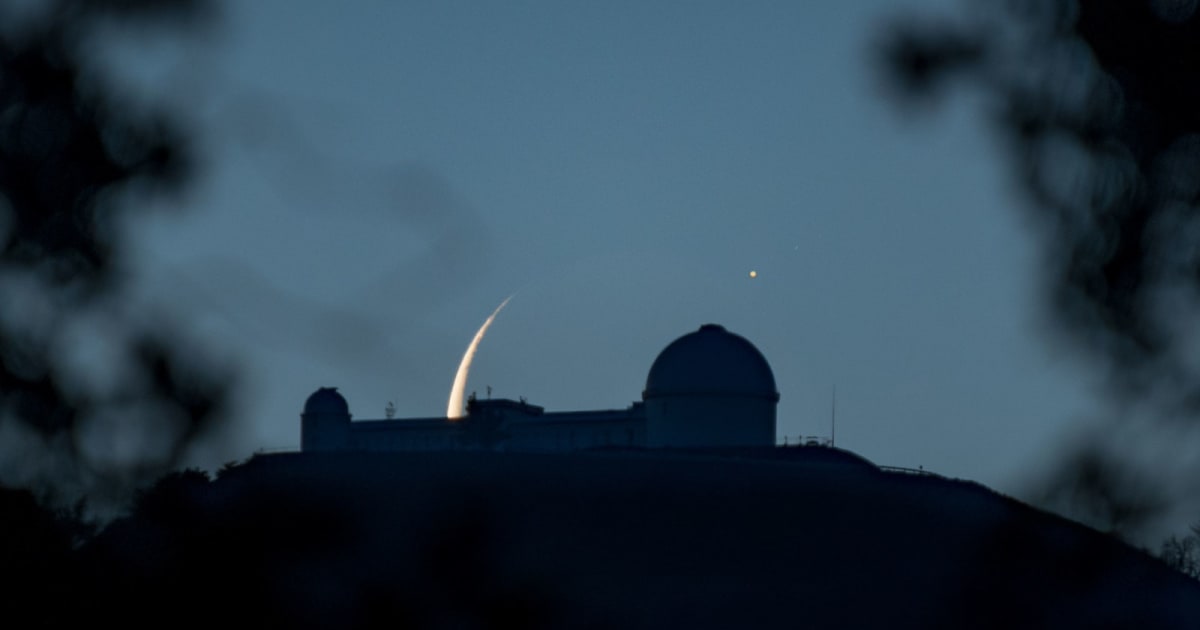
Skywatchers, get ready to watch a rare daylight event on September 8, 2026. On this day, the Moon will pass in front of Jupiter and hide the planet from view for about an hour. This event is known as a lunar occultation, and it will be visible to viewers from Canada, Greenland, eastern Russia, Alaska, most of the contiguous United States, as well as Caribbean islands. You can use binoculars or a small telescope to watch this event, as Jupiter will appear as a small, pale disk against the daytime sky. Just make sure not to point them at the unobstructed Sun, because looking at the Sun directly by accident can cause permanent damage to your eyes.
When to watch the September 8 lunar occultation from the U.S. and Canada?
Here’s a city-wise timing to view this event for viewers across the United States and Canada, according to the Astronomy Club of Asheville:
| City | Disappearance (UT) | Reappearance (UT) |
| Halifax | 18:56.2 | 19:51.5 |
| Boston | 18:57.3 | 19:55.9 |
| Washington, DC | 19:01.4 | 20:00.9 |
| Chicago | 18:50.7 | 19:51.3 |
| Winnipeg | 18:28.2 | 19:31.0 |
| Atlanta | 19:10.2 | 20:04.8 |
| Kansas City | 18:54.9 | 19:48.6 |
| Miami | 19:29.7 | 20:15.5 |
| Denver | 18:54.4 | 19:28.7 |
How to catch the September 8 lunar occultation?
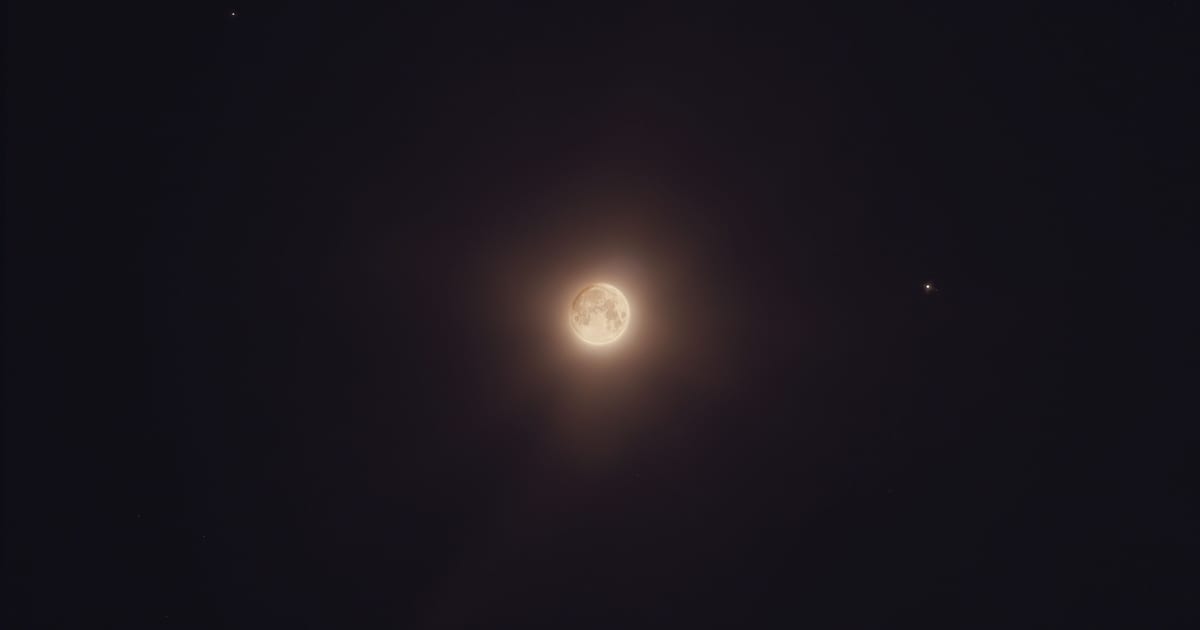
The full event will run from about 17:03 UTC to 20:25 UTC. Skywatchers from Canada will be able to see the occultation between roughly 17:33 and 19:55 UTC, and viewers from Alaska will see it between 17:18 and 18:39 UTC. For those watching from the contiguous United States, the event will run between 18:24 and 20:17 UTC. During this time, the Moon itself might be easy to miss, as a 7% illuminated waning crescent Moon will do the covering.
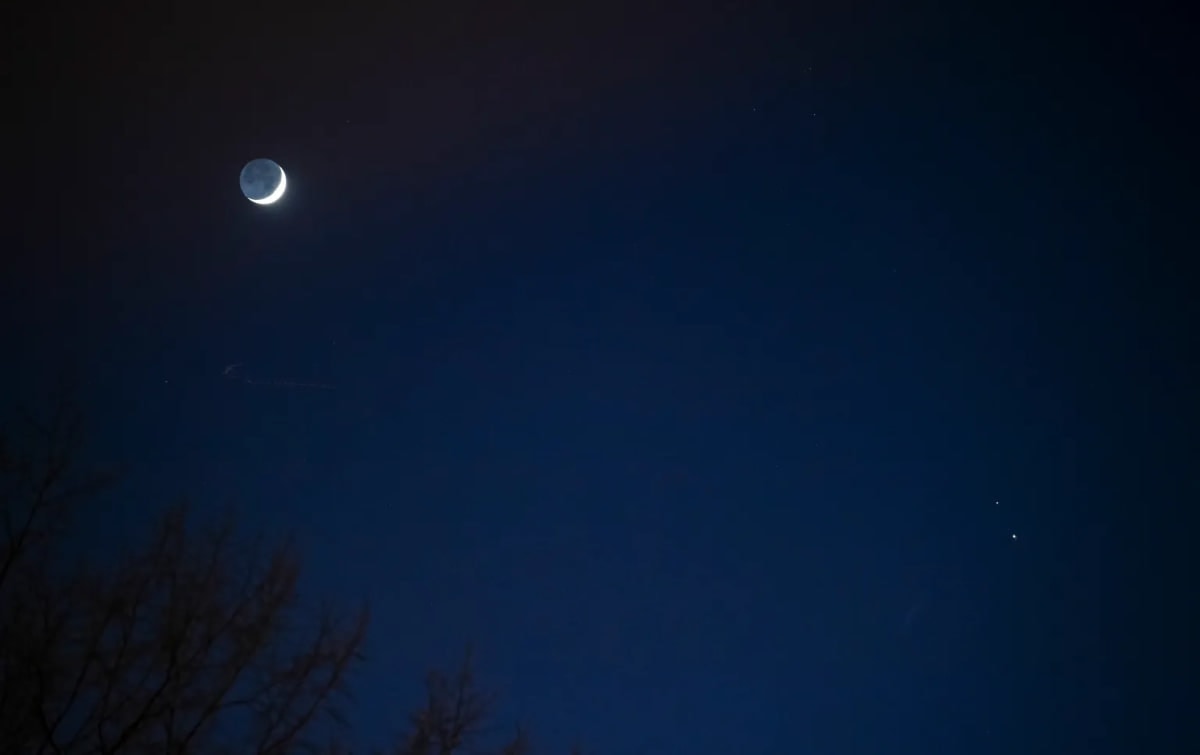
According to the Astronomy Club of Asheville, you can easily observe this event in daylight by using binoculars to first locate the Moon. Then, from that spot, move a bit to the left to Jupiter, which would appear as a small, gray-blue disk. The bright edge of the Moon will slowly approach Jupiter until it eventually covers the planet. After a few minutes to more than an hour, depending on your location, Jupiter will slowly appear again from behind the Moon.
What else is ahead for skywatchers in September 2026?
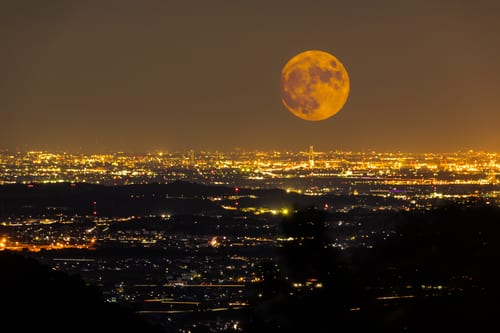
This month brings plenty of skywatching events for people across the world. On September 26, 2026, this month's Full Moon, which is famously known as the Harvest Moon, will be visible in the night sky. The Moon will reach its peak at 12:49 p.m. EDT, so set your alarm and keep an eye on the sky.
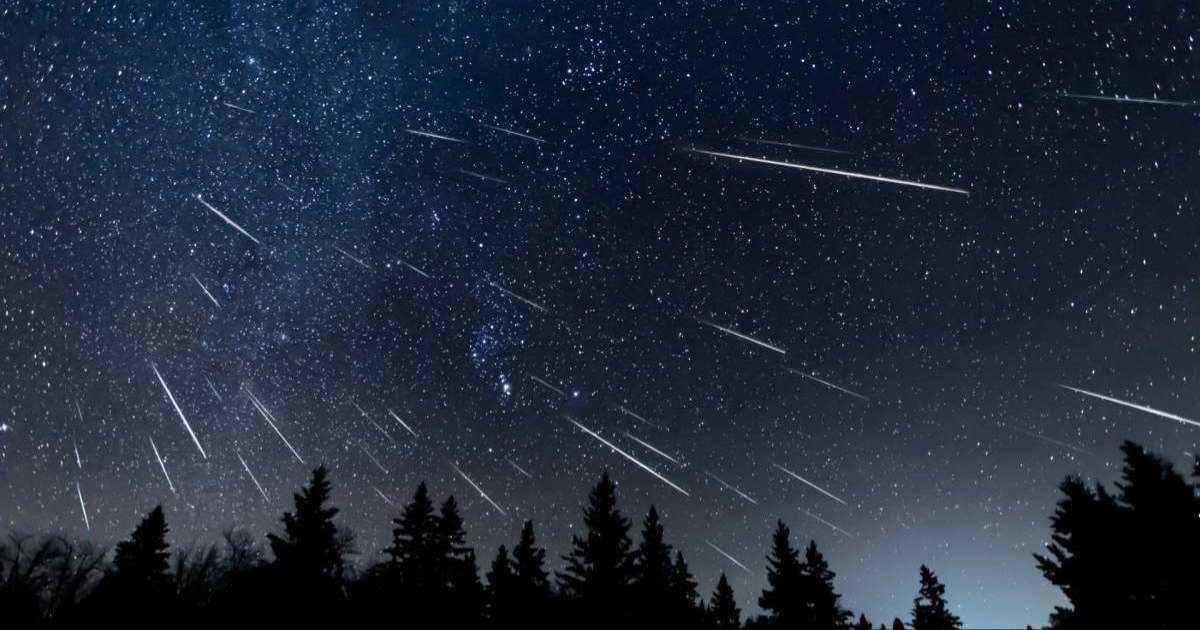
Additionally, the Aurigid meteor shower is now visible and will last until September 5, 2026. This is a lesser-known meteor shower that is best visible to skywatchers in the Northern Hemisphere. Just one day ahead, the Moon-Mars conjunction will appear in the sky on September 6 and September 7. During this event, the Moon and Mars will be in conjunction in the pre-dawn sky. Next up, we have a Moon-Venus occultation coming up on September 14, 2026.
More on Starlust
Partial Lunar Eclipse August 2026: Best pictures of the 'almost blood Moon' from around the world
Did you miss the August 2026 lunar eclipse? Find out when you can see the next one