Spot Comet McNaught before it fades away: Here's how you can view it this September
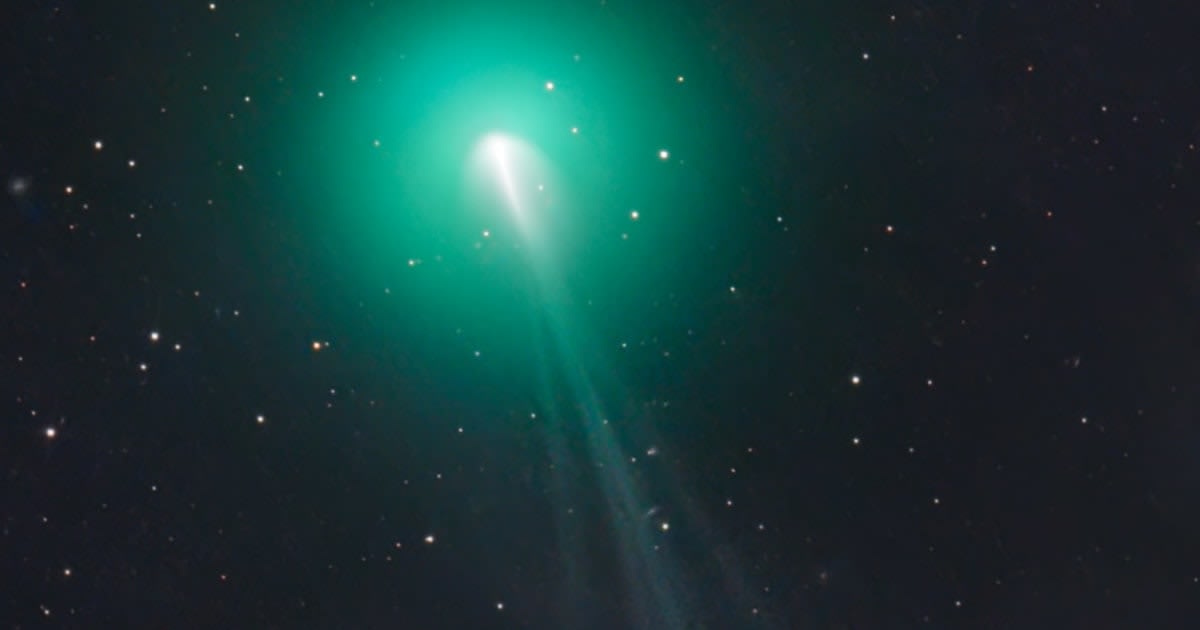
Comet 220P/McNaught spent most of 2026 appearing faintly in the sky, needing a telescope to be seen. A couple of surprise outbursts, however, made it appear 20,000 times brighter than usual. However, 220P, which approached perihelion on June 14, is most likely to become dimmer as it moves farther from the Sun, although another sudden eruption may take place, causing an increase in brightness in the coming weeks. Here's how you can catch the comet before it fades out.
Dramatic outbursts: 220P brightened up twice in 2026
The comet showed 2 sudden flare-ups in 2026: a huge explosion, which occurred in early June around the time of its perihelion, increased the comet's brightness by almost 10 magnitudes—a massive 8,000-fold increase. Another flare-up in early August demonstrated a substantial 600-fold, or approximately 7 magnitudes, increase in brightness, causing the obscure comet to be visible through binoculars and long-duration camera exposures. The fascinating trend shown by the comet can continue, and it can experience another outburst in October around the time of its closest approach to Earth (October 12).
Where to spot it in September?
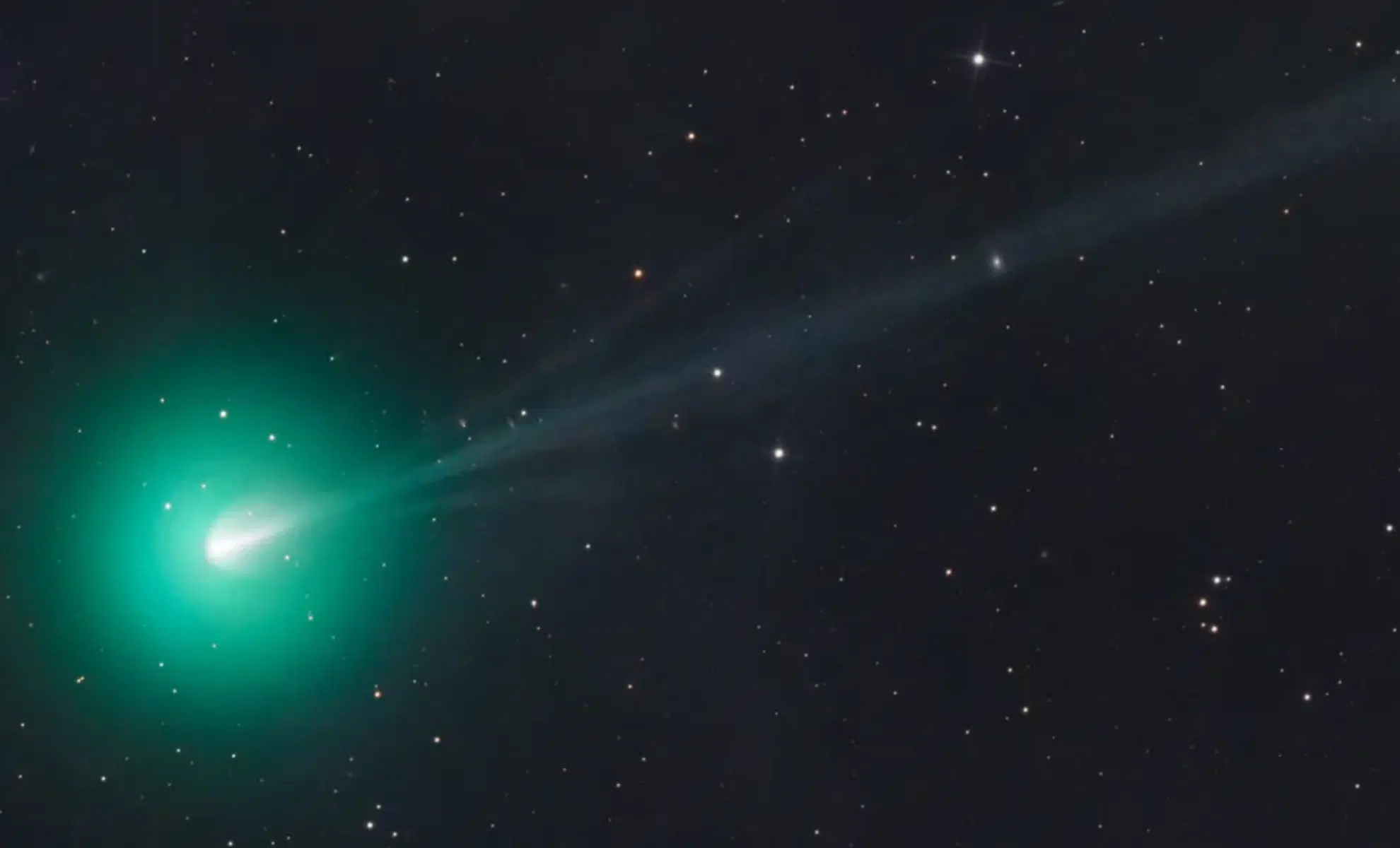
Based on data from the Comet Observation Database of the Crni Vern Observatory, Comet McNaught currently exhibits a brightness or magnitude of +9.4. This would make detecting the comet a difficult task if you use a pair of binoculars under skies that are not pitch dark. However, you can try to spot it in the form of a faint patch using a telescope. Many astrophotographers have successfully captured the comet, sharing stunning images of it on social media.
Gökyüzünde sakin sakin yol alıyordu… sonra bir anda patladı. ☄️
— Emre Özden (@emrozdnim) August 23, 2026
220P/McNaught, Haziran 2026’da beklenmedik bir aktivite göstererek yaklaşık 600 kat parlaklaştı.
Yaklaşık 5,5 yılda bir Güneş’in çevresini dolaşan bu küçük ve uzak buz dünyasının son geçişini ben de görüntüledim.… pic.twitter.com/2qmsrEjJru
To spot the comet in the coming days, skywatching enthusiasts should turn their gazes towards the east at midnight to trace the stars of the Taurus constellation, following which they can spot the bright "V" formation of the Hyades open star cluster at the center. Space.com says you can detect Comet 220P/McNaught near the binary star system Omicron Tauri, two stars out from the point of the stellar "V." Spotting the comet would be an easy task during the New Moon phase on September 10-11.
How was Comet McNaught discovered?
Comet 220P/McNaught, a relatively novel discovery, was first spotted by astronomer Robert McNaught at the Siding Spring Observatory in Australia on May 20, 2004. Belonging to the Jupiter family of comets, 220P/McNaught's 5.5-year orbit around the Sun is heavily influenced by the gas giant.
Watch out for more activity in the coming weeks!
Yes, comets are unpredictable, and this is exactly why you should look out for any unexplained activity as you try to spot Comet McNaught. Meanwhile, astronomers continue to spy on 220P's brightness and chemical configuration, with the hope of unmasking the physical mechanisms responsible for the rare outbursts observed in the comet.
More on Starlust
A near-Earth asteroid has revealed itself as a comet 27 years after its discovery in a NASA study