Raining gold: What scientists found in a meteorite impact crater in Western Australia
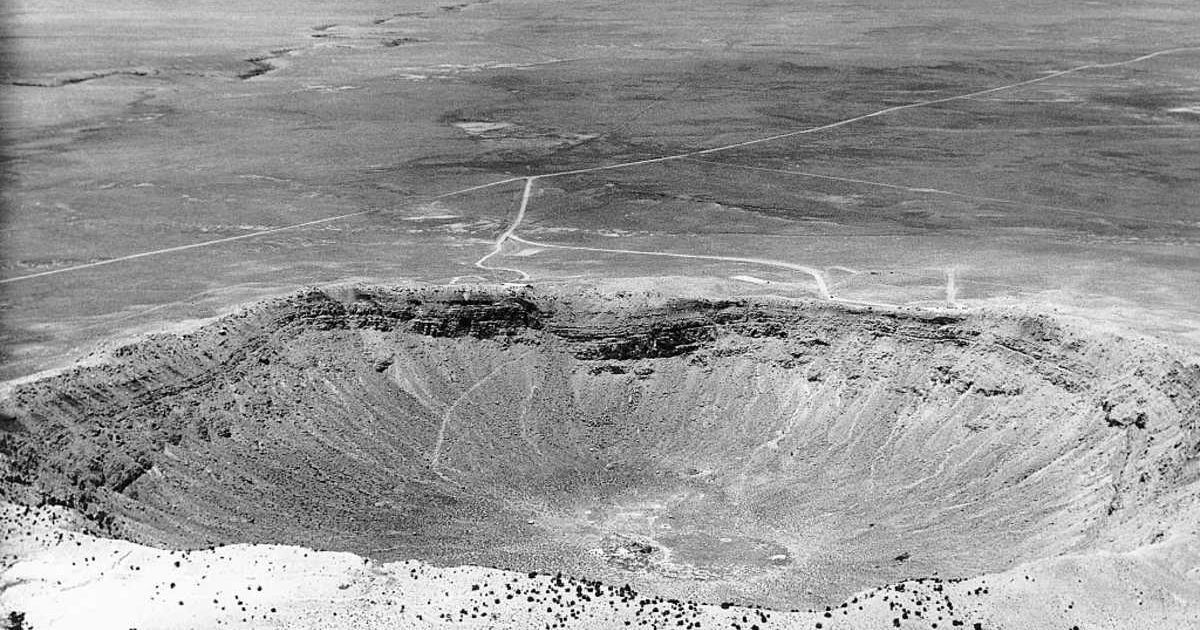
Many years ago, a meteorite struck the Earth, creating a 4-km-wide impact crater in the Eastern Goldfields of Western Australia. A team of geologists has now discovered the site and reconstructed the chain of events that followed the impact, detailing their findings in a paper published in the journal Meteoritics and Planetary Science. They have described how the impact-generated heat and pressure fragmented rocks, formed glass, and even formed gold nuggets—small irregularly shaped pieces that went skyward and then rained down onto the surface, settling down on the crater floor.
The impact crater is near the town of Ora Banda (Spanish for “gold band”), a gold mining district 50 kilometers north of Kalgoorlie. The researchers say that they named the crater site “Ora Banda impact structure” because of its proximity to the mining district. The impact site has interesting geological features. It is one of the few impact craters on Earth that has greenstones, which form through the metamorphosis of volcanic rocks like basalt.
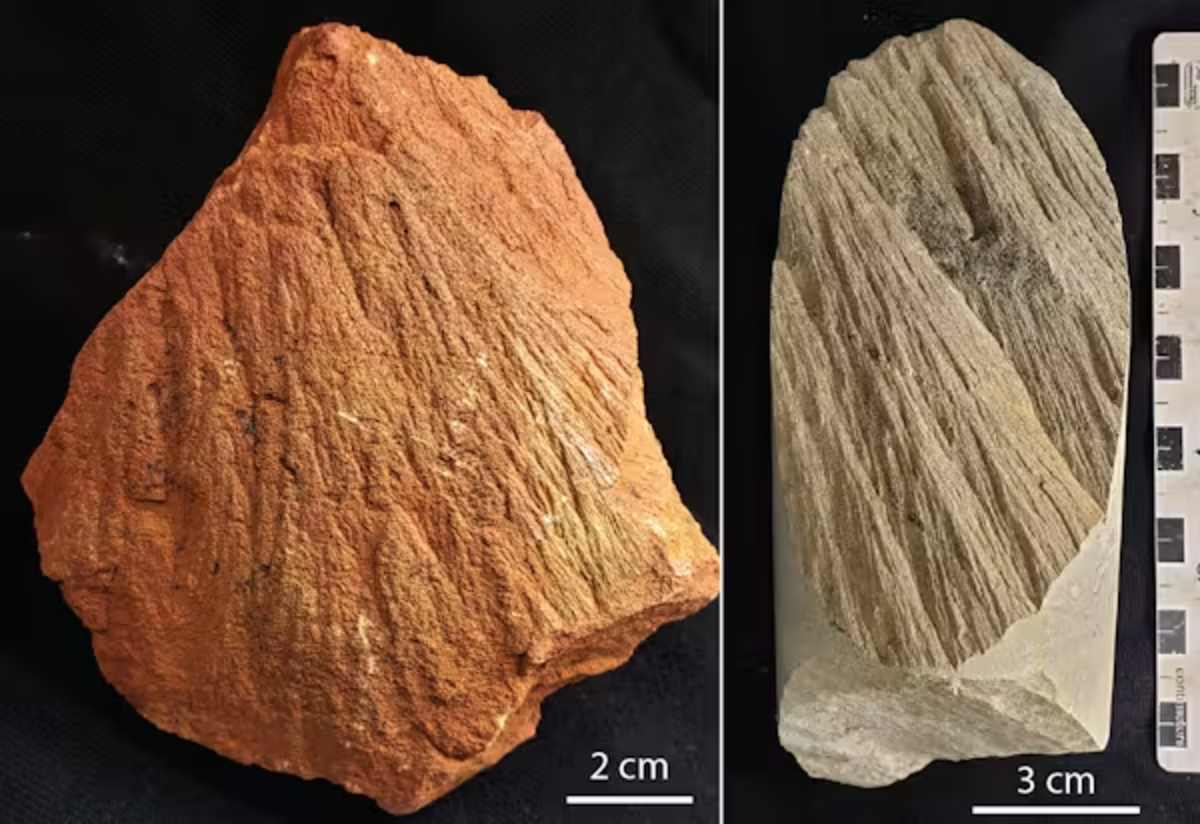
Although meteorites are space-faring objects, they are no stranger to Earth. Each day about 14 tons of micrometeorites pelt Earth. Larger meteorite falls, which also occur daily, can be seen as fireballs streaking across the night sky. When an asteroid collides with Earth, it generates even stranger debris. Researchers have found tektites, glassy droplets forming via a meteorite impact. Such droplets spread hundreds to thousands of kilometers away from the impact site. In Australia, a tektite field formed some 790,000 years ago from an unknown impact that covers 10%-30% of Earth’s surface. The first evidence of impact that the Ora Banda team, which included researchers at the University of Puerto Rico, Curtin University, and the University of Western Australia, found was shatter cones. These are conical features in rocks that capture the moments of outgoing shock waves when rocks and other materials fly apart after an impact. They found shatter cones on outcrops and even in drill cores.
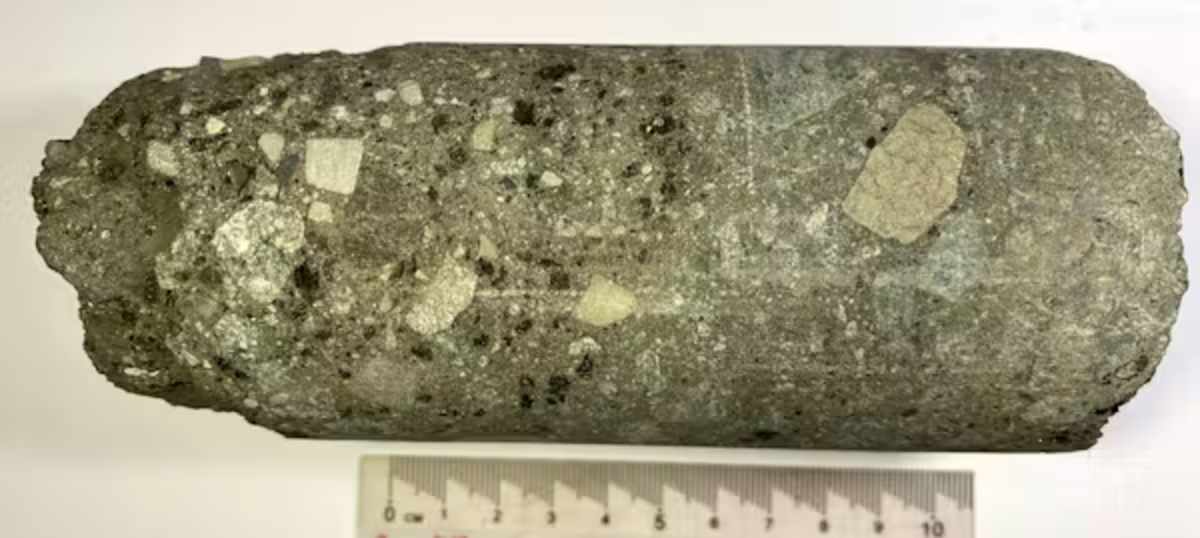
Shatter cones helped the researchers nail it to be an ancient impact site. But they kept looking for more evidence to further support their hypothesis. Analyzing drill cores, they found different types of rocks. The top part contained clay-rich sediments that possibly washed into the crater after its formation. At the bottom lay rocks known as impact breccias. Breccias, which are small rock fragments, are common at impact sites because high-energy shockwaves break down rocks into smaller fragments. Breccia that consists of one type of rock is called “monomict," whereas breccia that contains pieces of different rocks is called "polymict." Polymict breccias indicate a history of strong mixing that led to their formation. As for Ora Banda, it had both types of breccias. In addition, there was breccia that contained suevite—glassy melt particles mixed with other bits of rocks.
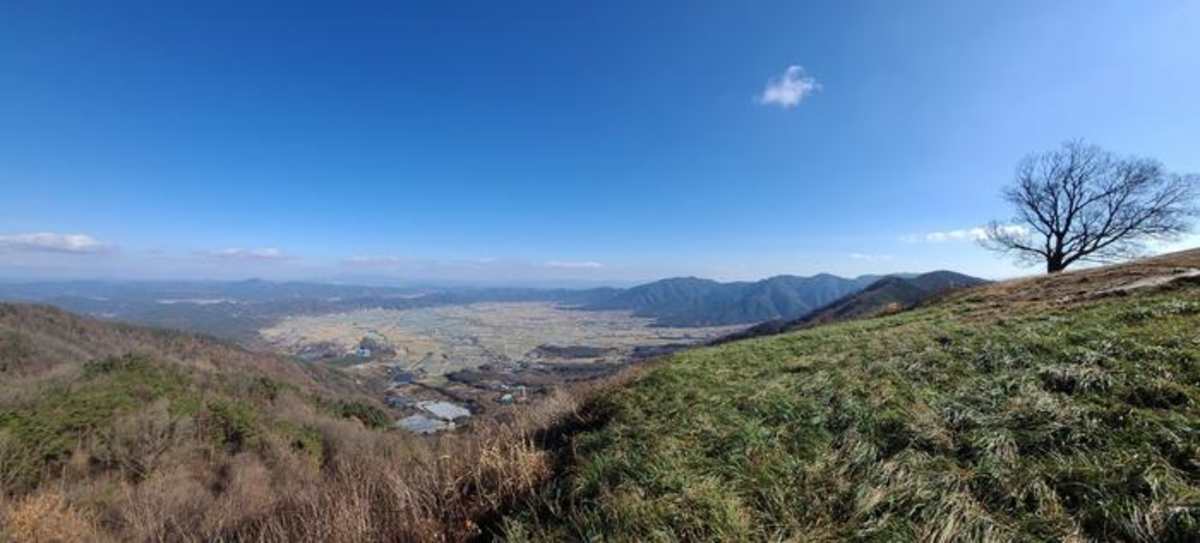
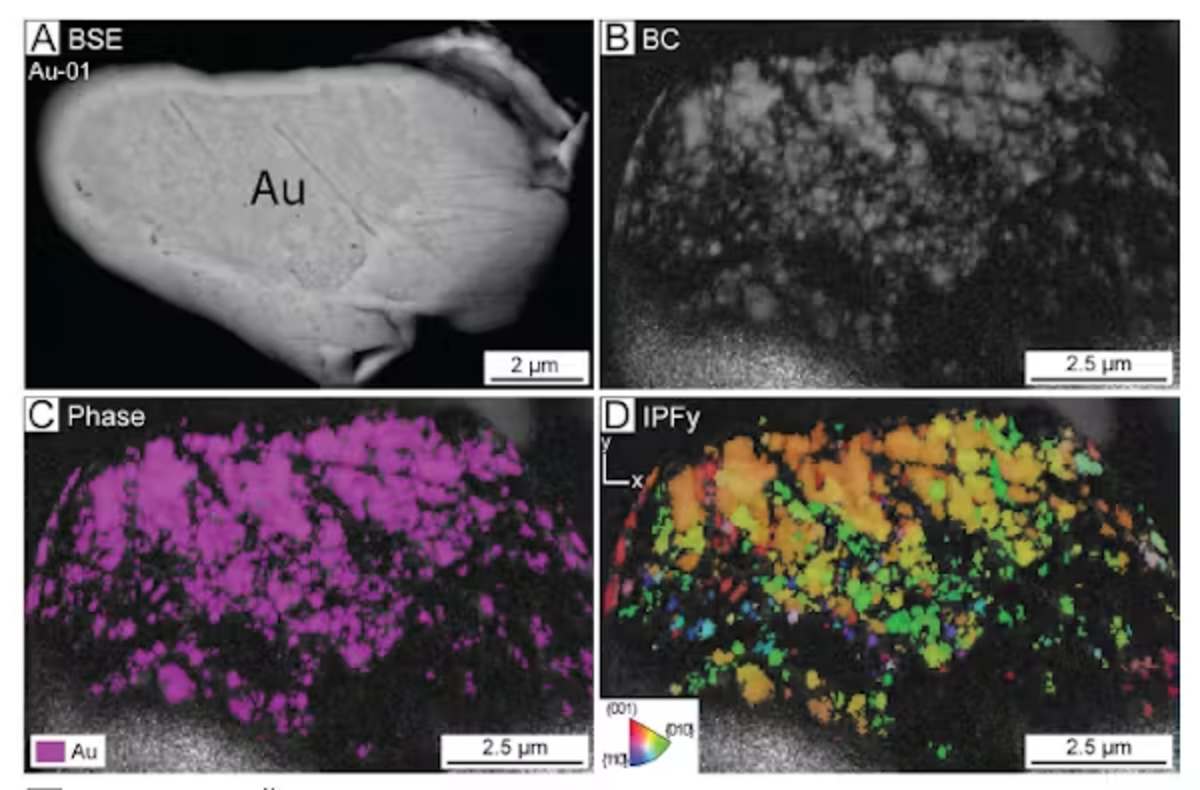
The glassy bits point to an even stranger aspect of the impact process. Such bits indicate that molten material was hurled into the sky when the meteorite crashed into Earth. While moving skyward, the molten particles formed glass before landing back into the newly formed crater, creating a layer of suevite breccia. They also found shocked quartz grains in breccia and meteorite residue trapped in the glass—two features that support the team's impact-crater hypothesis. Lastly, the team also came across small nuggets of gold in the Ora Banda breccias—something that is not typically found in impact craters. This suggests that gold particles rained down on the surface when the impact event threw shock fragments and glass into the sky. With the discovery of Ora Banda, the tally of meteorite impact craters across Australia now stands at 34. Their age ranges from a few thousand years old to the 2.2-billion-year-old Yarrabubba structure.
More on Starlust
Caught on CCTV: Fireball meteorite that lit up northern Europe
NASA's Perseverance Mars Rover strikes gold, discovers a trove of ancient rocks on Jezero Crater