Rock samples from the Moon's far side reveal secrets of early Earth and the solar system
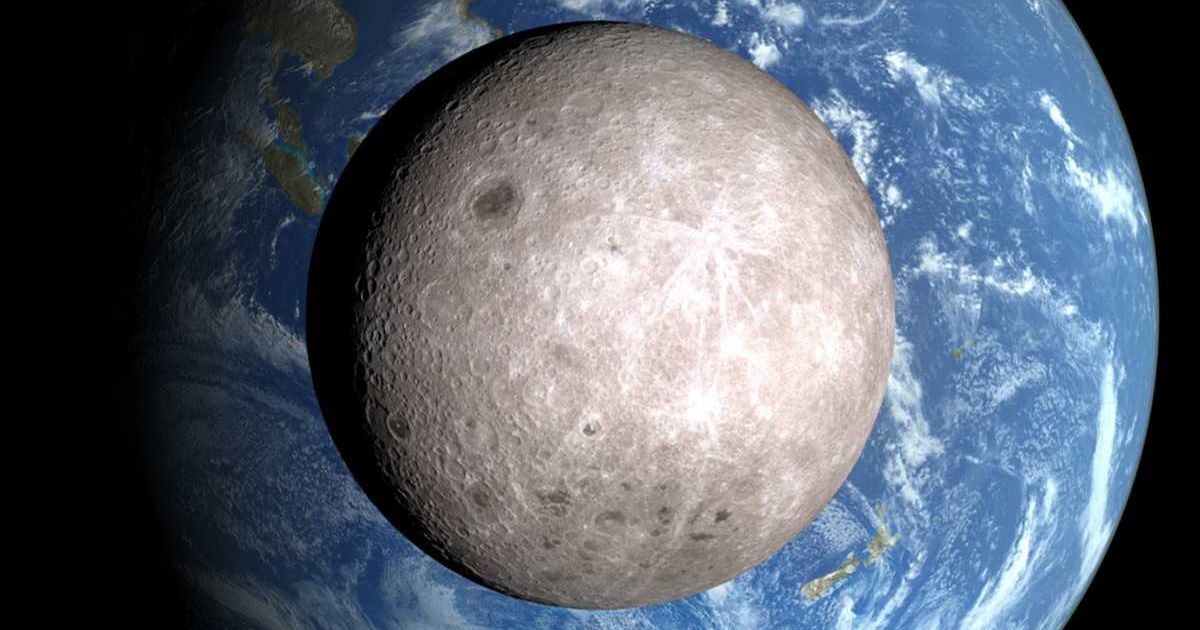
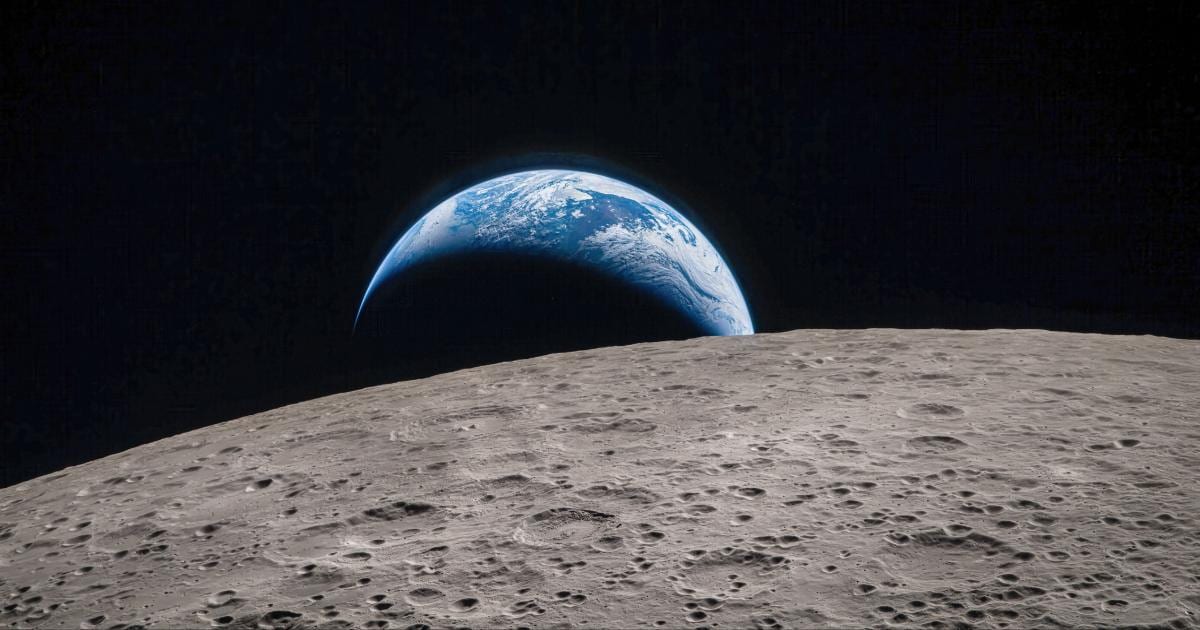
Compared to the much-explored near side that faces Earth, the Moon’s far side largely remains shrouded in mystery. Now, an analysis of rock samples returned from the far side by China's Chang'e-6 mission is helping scientists understand how the solar system was shaped by asteroid impacts. The findings, published in Science Advances, are reshaping our understanding of lunar history, showing that the impacts on the Moon declined gradually rather than suddenly. And since the Moon and Earth are understood to share a common history, the study is offering fresh insights into the evolution of our own planet as well.
Earth retains little evidence of its early days because of volcanic activity, erosion, and shifting tectonic plates. On the other hand, "The Moon is like a time capsule," said co-author Dr. Fred Jourdan from Curtin University's School of Earth and Planetary Sciences and the John de Laeter Centre in a statement. "It has preserved a record of events that have been erased from Earth by erosion, plate tectonics, and other geological processes."
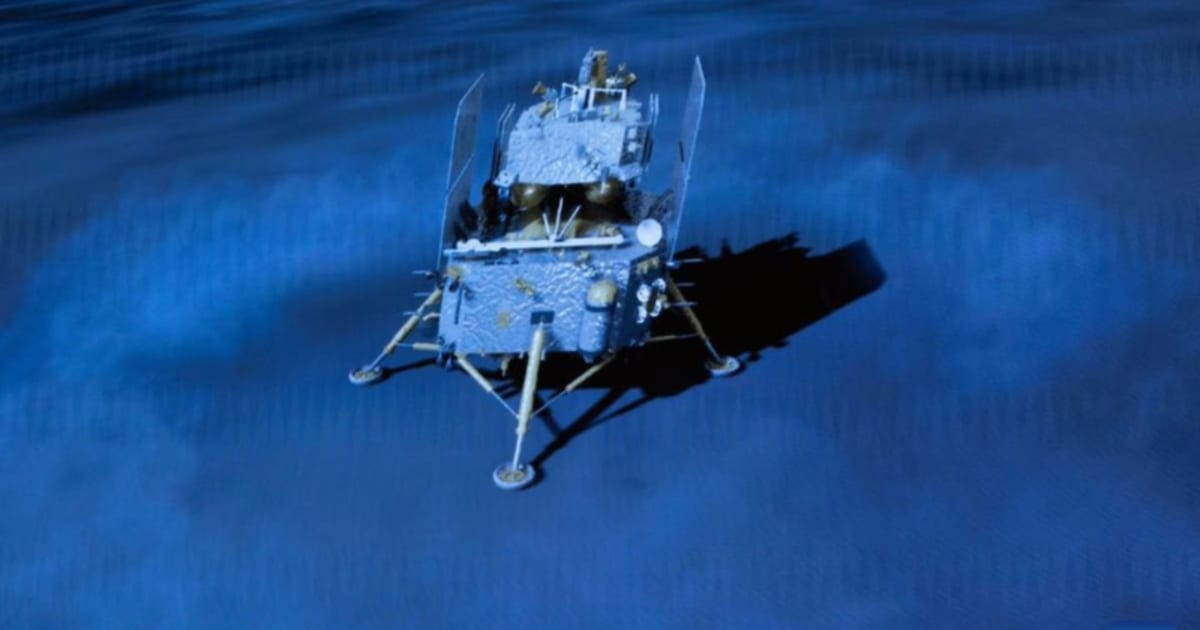
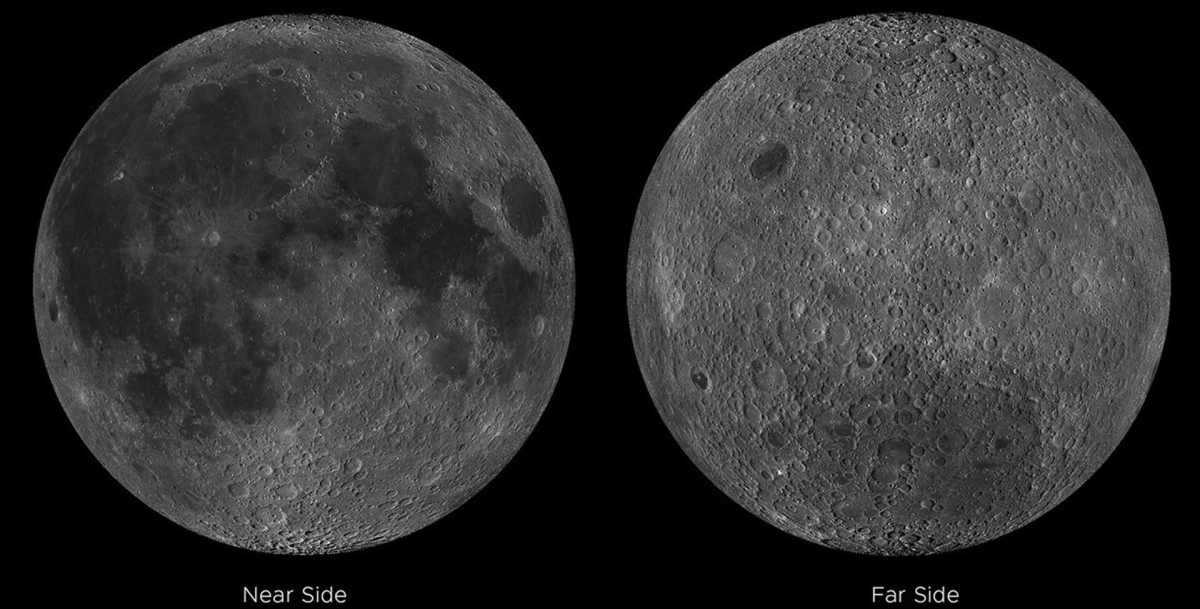
Previous lunar studies heavily relied on samples collected from the near side of the Moon. But China's Chang'e-6 mission ushered in a change by bringing back samples from the lunar far side, offering an opportunity to compare two regions of the lunar surface that are vastly different from each other. The far side preserves a much clearer record of ancient impacts because it experienced fewer geological changes than the near side. "By analyzing these ancient rocks, we can better understand when major asteroid impacts occurred and how the early solar system evolved," explained Dr. Jourdan.
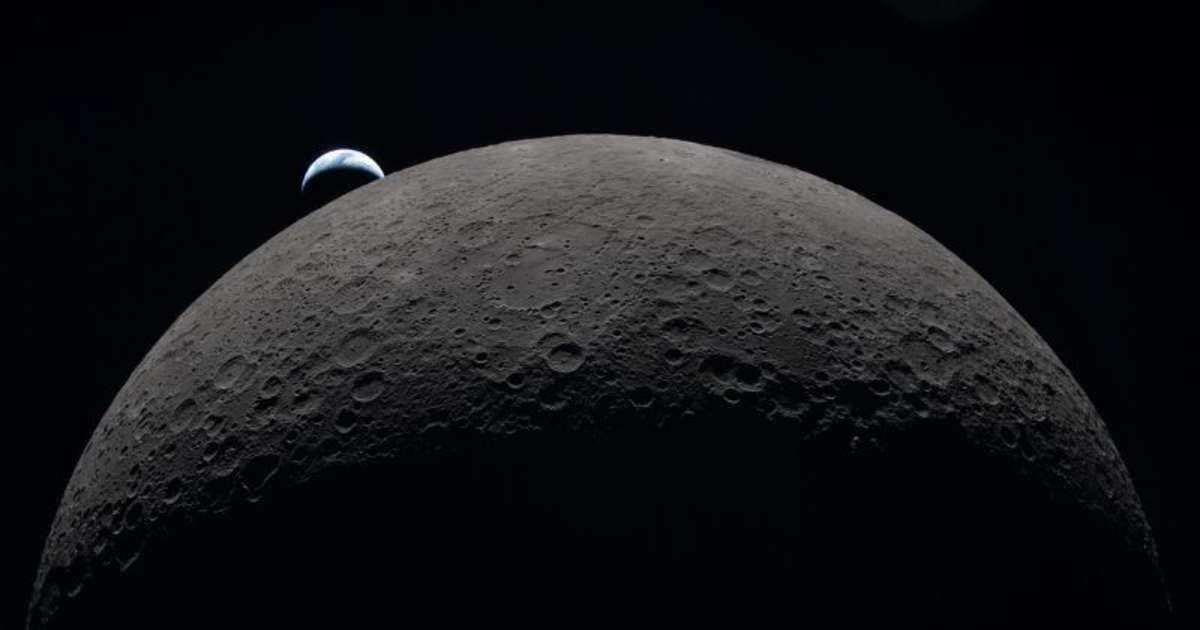
The rock samples contain microscopic fragments whose analysis helped the researchers reconstruct more than three billion years of lunar impact history. They found that asteroid impacts on the Moon spanned billions of years. The rock samples bear clear signs of asteroid collisions dating from approximately 4.33 billion years ago to around 1.13 billion years ago. This challenges the theory that the young solar system underwent a single brief period of catastrophic bombardment. The new study indicates that asteroid collisions lingered and are likely to have declined over a much longer span of time. The solar system, it turns out, slowly settled into the quieter neighborhood as we know it today.
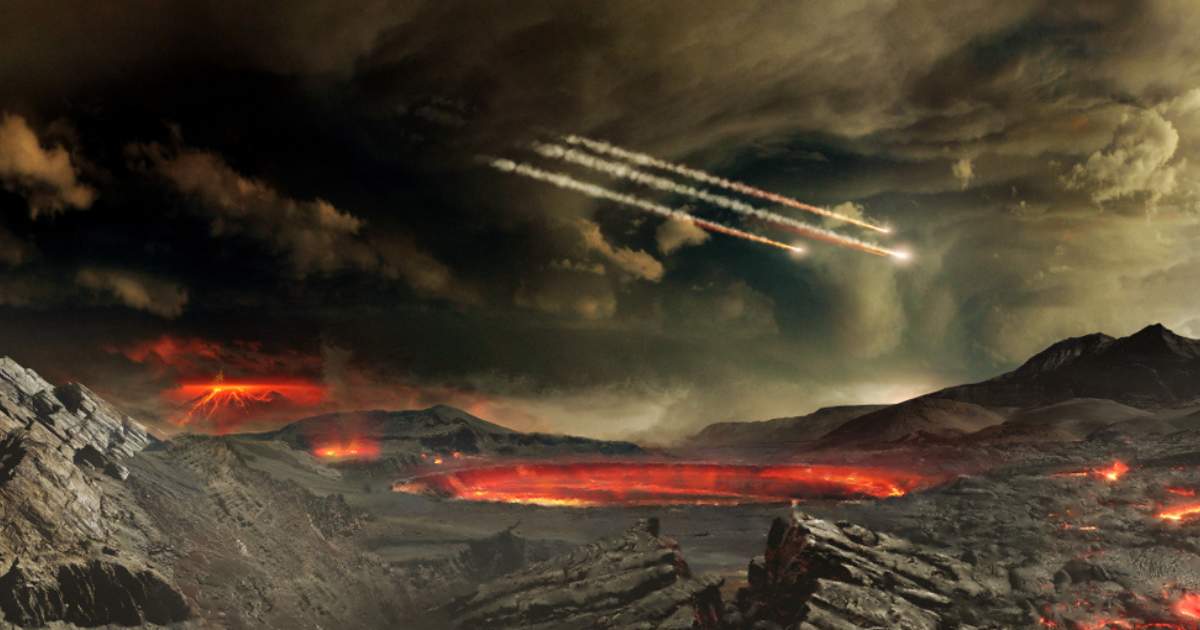
The implications extend far beyond the Moon because Earth and the Moon formed together roughly 4.5 billion years ago; their histories are deeply related. "Every major impact recorded on the Moon tells us something about the conditions experienced by the young Earth," said Dr. Jourdon. The far side of the Moon, once beyond reach, is providing vital clues to some missing pieces that will help scientists reconstruct a clearer picture of Earth’s earliest history.
More on Starlust
Moon’s far-side soil may offer sturdier foundations for future bases, AI analysis suggests
How ESA's Moonlight program aims to provide navigation and communications services on the Moon