China’s Tiangong space station will be visible over the eastern U.S. till September 9—here's how to spot it
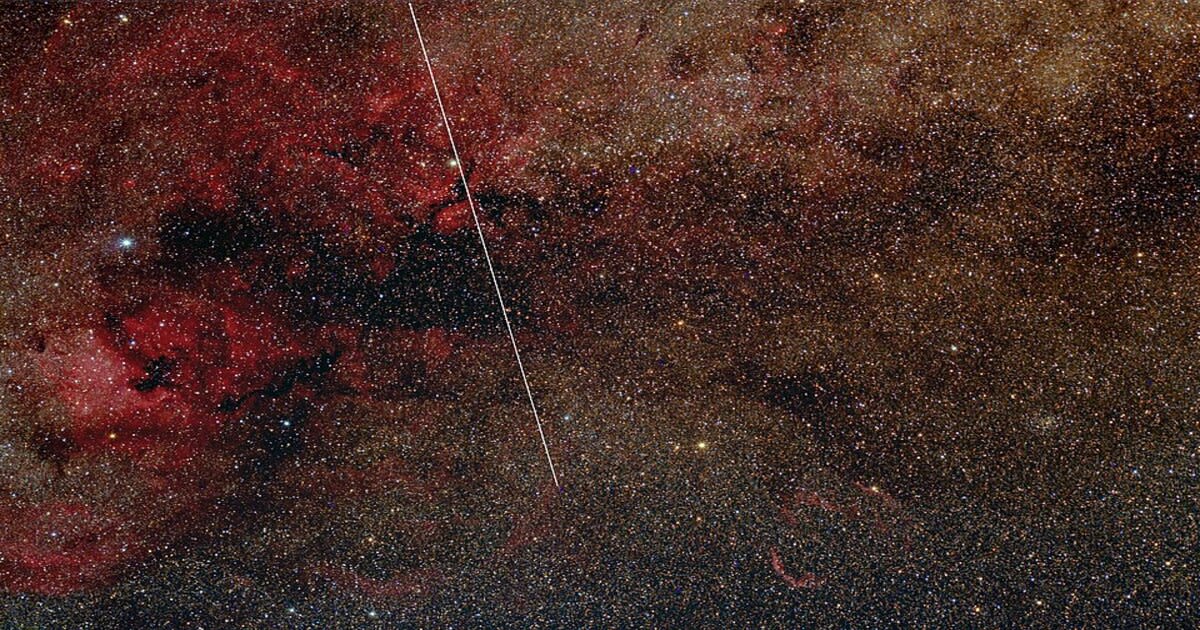
Skywatchers across the eastern U.S. have a bright space station to look out for this week. China's Tiangong space station will make several high passes, and on the best ones, it could appear almost directly overhead. The station can pass over parts of the eastern U.S., including New York City.
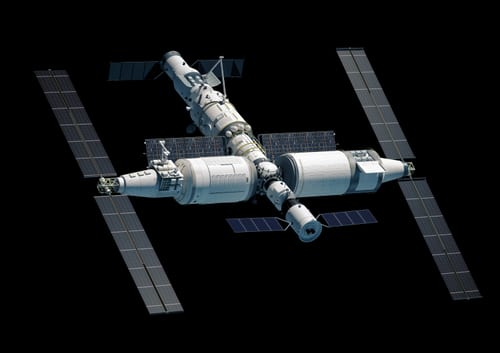
When can you see Tiangong from the eastern U.S.?
Tiangong will be visible during several evening passes over parts of the eastern U.S. through September 9. The station will pass high over the East Coast on some evenings, making it bright enough to spot without a telescope. In New York City, it will be visible around 8:46 p.m. EDT on Thursday, September 3, reaching as high as 84 degrees above the horizon.
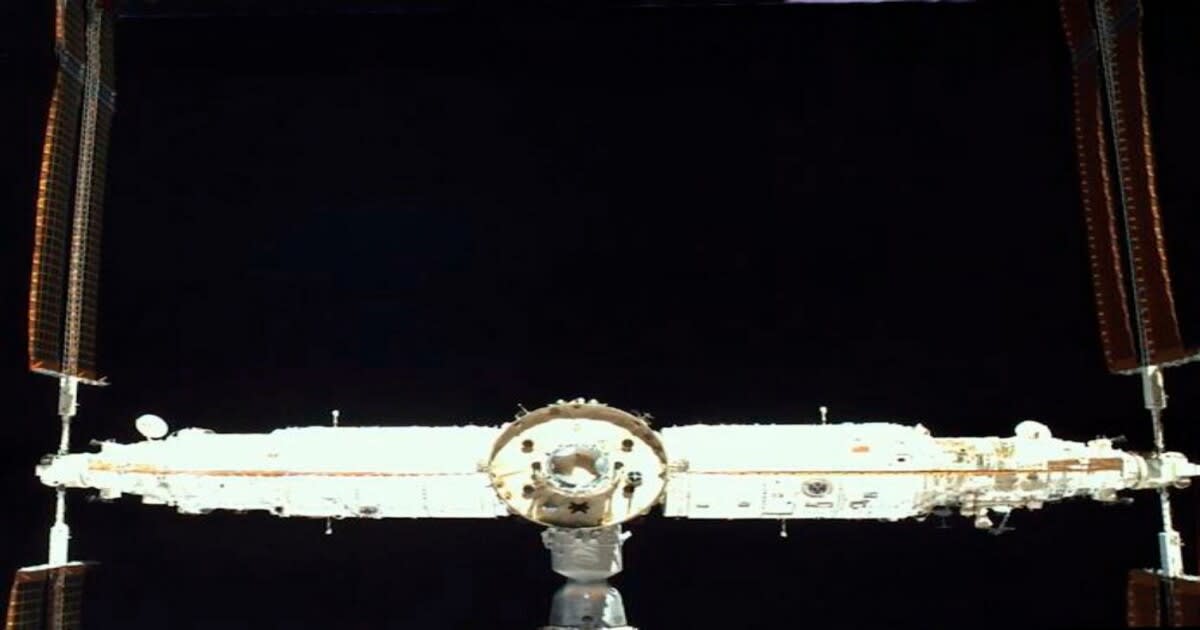
On Wednesday, September 9, it will appear around 7:47 p.m. EDT and reach about 88 degrees above the horizon. The exact time and path will be different in other locations, so check the pass for your area before stepping outside to spot the station. Tiangong will typically remain visible for a few minutes as it moves across the sky.
What would make Tiangong so bright?
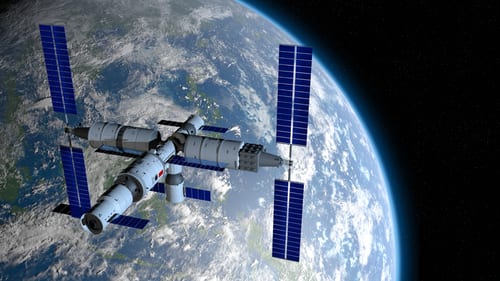
For people on the ground, Tiangong will pass after sunset time and the sky will be dark. However, the station's two large solar-panel wings, along with its modules and other components, will reflect sunlight, thus making it visible from Earth. The brightness, though, will not remain consistent. At some points, it may look brighter, while often, it may look fainter. During a good pass, Tiangong can reach about magnitude –2, making it roughly as bright as Jupiter.
How does Tiangong compare with the ISS?
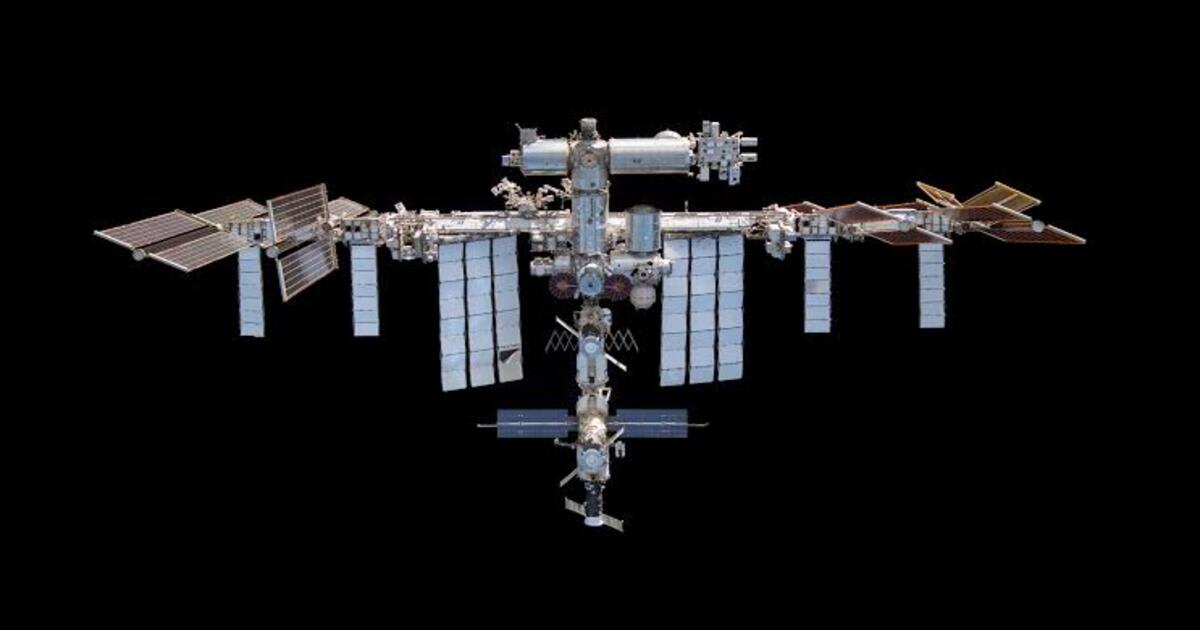
Tiangong is not as bright as the International Space Station, but it can still put on a good show in the evening sky. During a favorable pass, Tiangong can reach about magnitude –2, while the ISS can appear brighter, around magnitude –4 to –5. The station is also smaller than the ISS. It orbits at a similar height above Earth, but its orbit is tilted about 41.5 degrees, compared with about 51.6 degrees for the ISS. This means Tiangong does not travel as far north or south of the equator as the ISS, so it is seen less often from some parts of the U.S.
Tiangong viewing times from New York City
New York City is in for several good chances to spot Tiangong this and next week. The station will make evening passes from September 2 through September 9. Here are the upcoming viewing times for New York City:
| Date | Time (EDT) | Highest point | Brightness |
| September 2 | 8:07–8:13 p.m. | 51° | –1.8 |
| September 3 | 8:46–8:50 p.m. | 84° | –2.2 |
| September 4 | 7:48–7:54 p.m. | 77° | –2.1 |
| September 5 | 8:26–8:31 p.m. | 75° | –2.0 |
| September 6 | 9:05–9:08 p.m. | 74° | –2.0 |
| September 7 | 8:06–8:12 p.m. | 77° | –2.1 |
| September 8 | 8:45–8:49 p.m. | 67° | –2.1 |
| September 9 | 7:47–7:53 p.m. | 88° | –2.1 |
How can you spot Tiangong in the evening sky?
Tiangong will look like a bright, steady point of light moving across the sky. It will not have the flashing lights seen on an aircraft. The station will move quickly enough for you to notice its movement against the dark backdrop. It can remain visible for only a few minutes, so it is better to be outside before the listed time for your area.
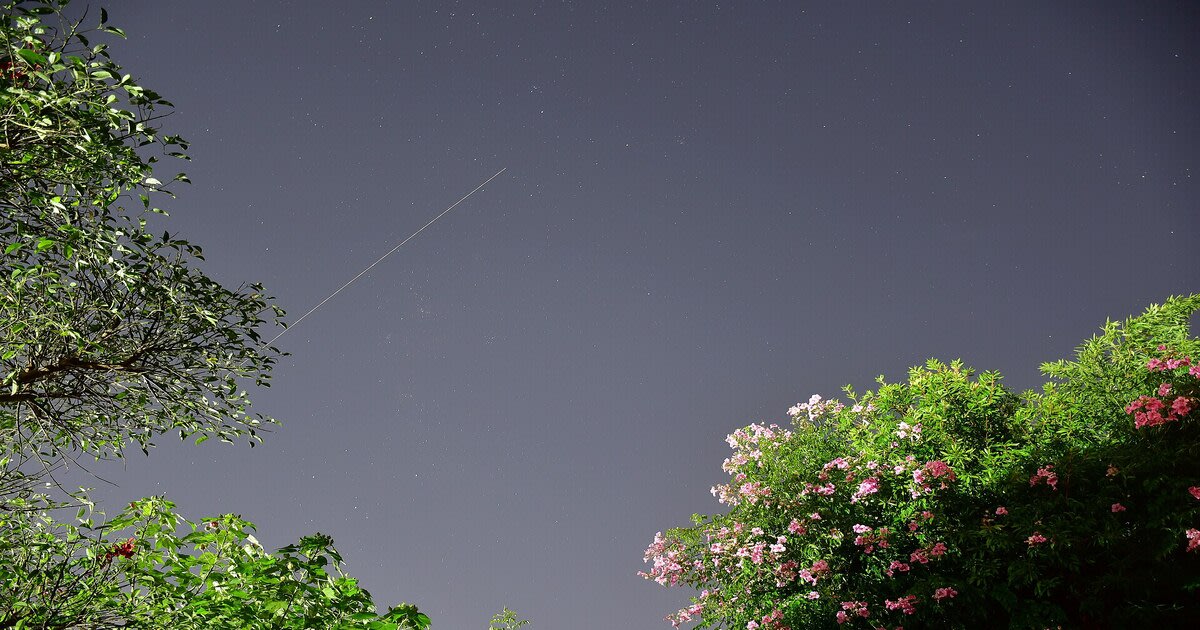
A telescope is not required to see Tiangong. A clear view of the sky should be enough because of its brightness. However, cloudy weather can make the station difficult to spot. The exact time and path will change according to your location. Check a local Tiangong pass prediction before going outside so you know where and when to look.
More on Starlust
China launches Tianzhou-10—its largest resupply mission to the Tiangong space station
China's Tianzhou-9 cargo spacecraft undocks from Tiangong space station, headed for re-entry