69th anniversary of the Sputnik 1 launch: How the world’s first satellite ushered in the space age
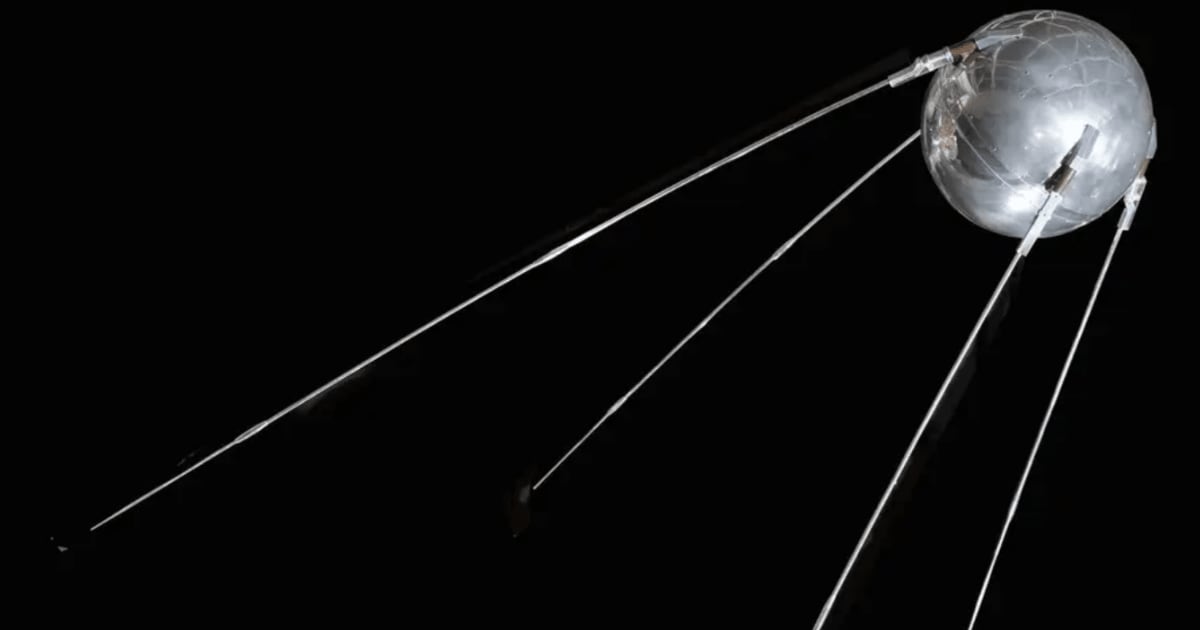
Sunday marked the 69th anniversary of the launch of the first-ever artificial satellite. Called Sputnik 1, its name translated to "traveling companion" in Russian. The 22-inch spherical satellite with four antennas simply transmitted beeping sounds down to Earth as it orbited. But as simple as its design was, its launch proved to be seismic for spaceflight as well as for history in general. For one, its launch directly led to the formation of NASA in 1958. The success of Sputnik 1 also triggered fears of nuclear threat in the U.S.
More than 3000 satellites have been launched into orbit so far just in 2026, but let's go back to the first. On this day in 1957, a new chapter in the technological and scientific history of our planet began with the launch of Sputnik I. More about the dawn of the Space Age: https://t.co/AhkVy37i6d 📷 Sputnik I replica at @airandspace
— NASA History Office (@NASAhistory) October 4, 2026
Backdrop of Sputnik 1 launch
In 1952, the International Council of Scientific Unions decided that the period between July 1, 1957, and December 31, 1958, would be celebrated as the International Geophysical Year. During this period, the Sun was quite active, and scientists saw it as an opportunity to deploy scientific payloads in orbit to map the Earth's surface. A number of different government agencies in the U.S. were asked to come up with ideas for artificial satellites hosting science payloads under the direction of the White House in July 1955. One of these agencies was the Naval Research Laboratory, which put forth the Vanguard project in September of the same year.
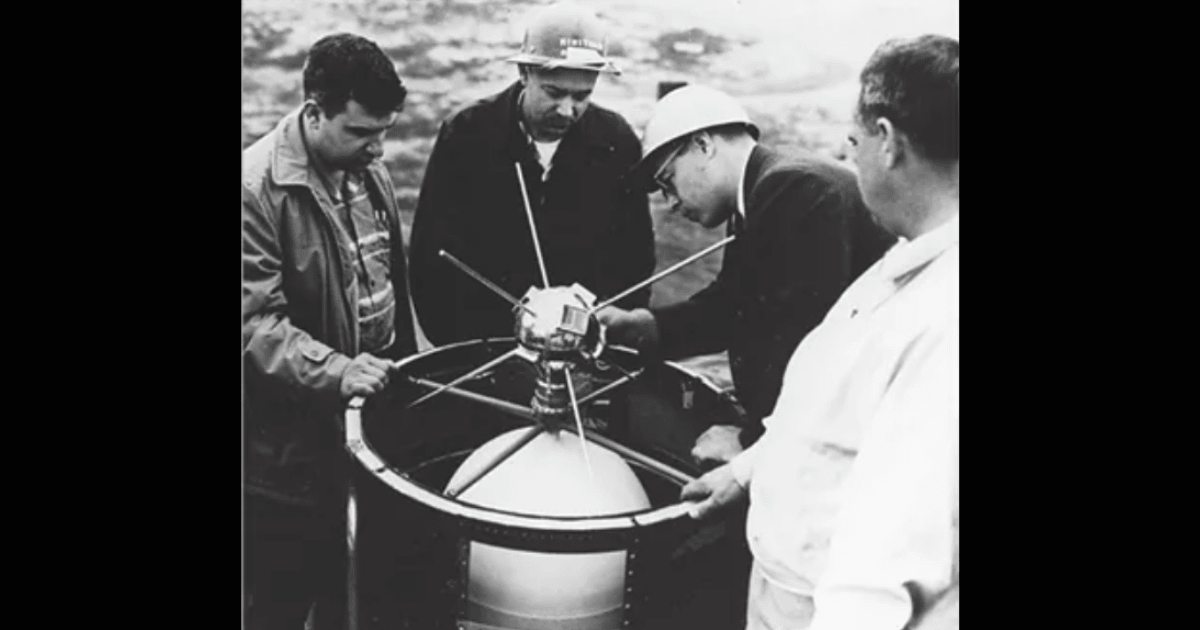
Launch of Sputnik 1
October 4, 1957, saw a Sputnik 1 launch from a site in modern-day Kazakhstan that later became the Baikonur Cosmodrome. After launch, it followed an elliptical orbit around the Earth. It didn't carry any scientific instrumentation and sent beeping sounds down to Earth that could even be picked up by amateur radio operators. The sounds sped up when it was near and slowed down when it ventured further away. This allowed radio amateurs to map its trajectory. Its batteries ran out after 22 days, and on January 4, 1958, it re-entered the atmosphere, burning up in the process.
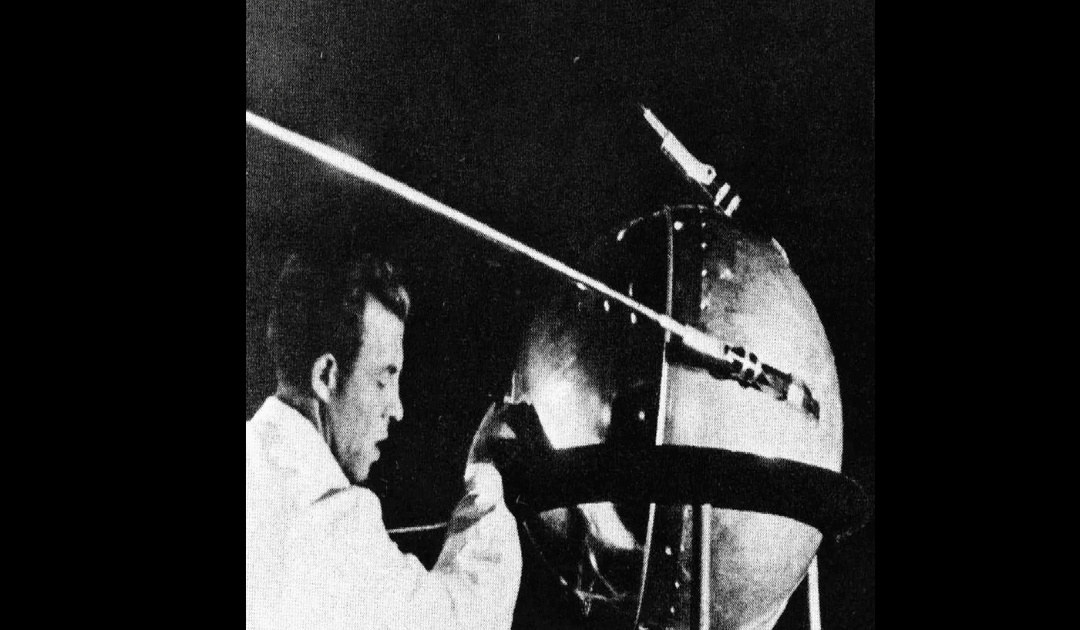
Reception to Sputnik 1
At the time, the U.S. president was Dwight D. Eisenhower. Documents from his presidential library reveal that rather than celebrating what a momentous scientific feat was, Americans reacted with a great deal of fear. They believed that if the U.S.S.R. could send satellites into orbit, they could also launch nuclear missiles that could reach the U.S. as well. In response, the U.S. Department of Defense quickly approved funding for another program besides the aforementioned Vanguard project, called Explorer. Eisenhower also called for the establishment of a civilian space agency, which ultimately led to the formation of NASA.
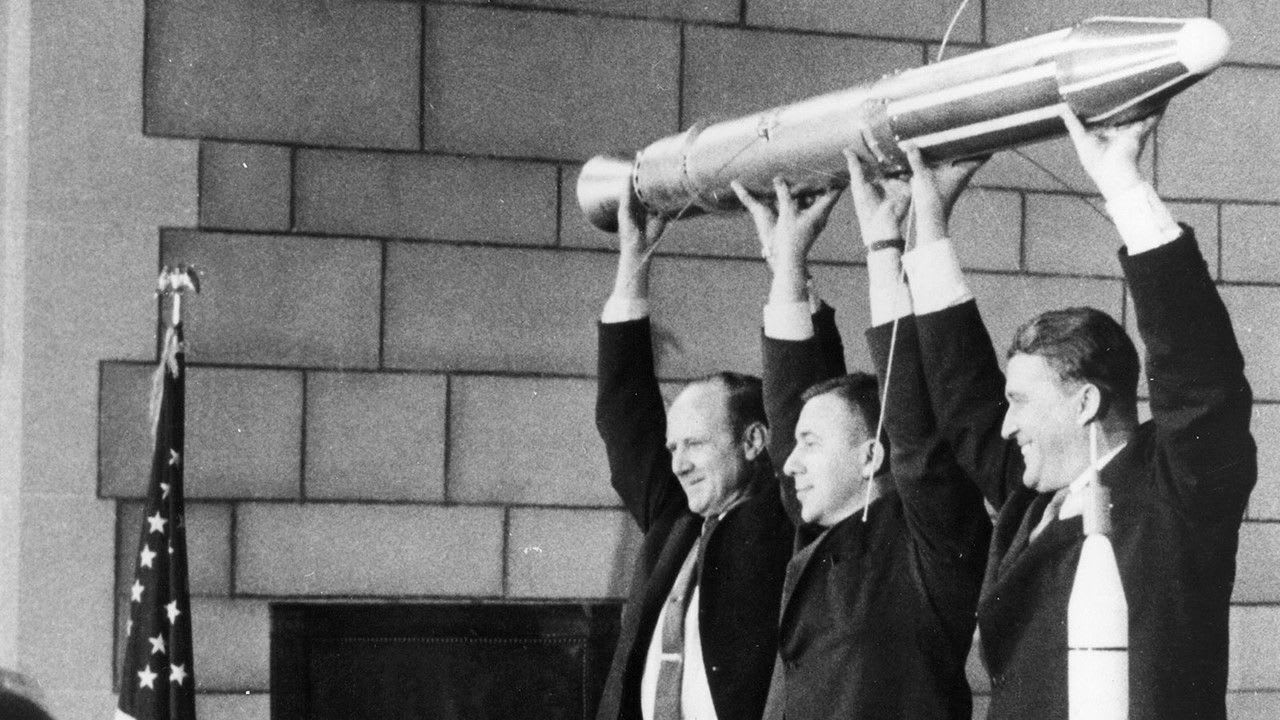
Aftermath of Sputnik 1
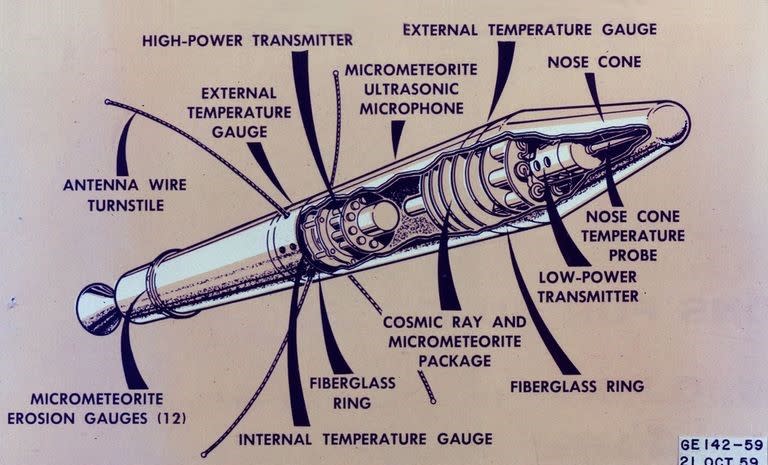
The Vanguard project was met with several catastrophic blows in the early days. In December 1957, a Vanguard rocket exploded at the pad at Cape Canaveral in Florida. By this time, the U.S.S.R. had already launched Sputnik 2 with a dog named Laika on board. However, on January 31, 1958, the U.S. finally managed to launch its maiden satellite to space as part of its new program. It was called Explorer 1. Despite this success, the U.S. remained behind in the space race. The follow-up mission—Explorer 2—failed to orbit. Meanwhile, the Vanguard project also continued to face setbacks, seeing as many as five failures in 1958.
Legacy-
The launch of Explorer 1 with its science instruments helped establish the presence of radiation belts around Earth, which were named the Van Allen belts after the mission's principal investigator. The Explorer program is still ongoing to this day, creating opportunities for missions like PRIMA, which are aimed at deep space exploration. The kickstart to the space race with the launch of Sputnik 1 also ushered in an unprecedented era of forward leaps in human spaceflight, which culminated with Apollo missions to the Moon. Humanity is yet to return to the Moon now, more than five decades later, with plans to land on the lunar surface set for 2028 through Artemis IV and V.
More on Starlust
The space race then and now: From the erstwhile US-Soviet rivalry to the current China factor
Space weekly recap, September 26 - October 2, 2026: Key stories you may have missed