NASA’s Van Allen Probe A to make fiery re-entry into Earth's atmosphere today
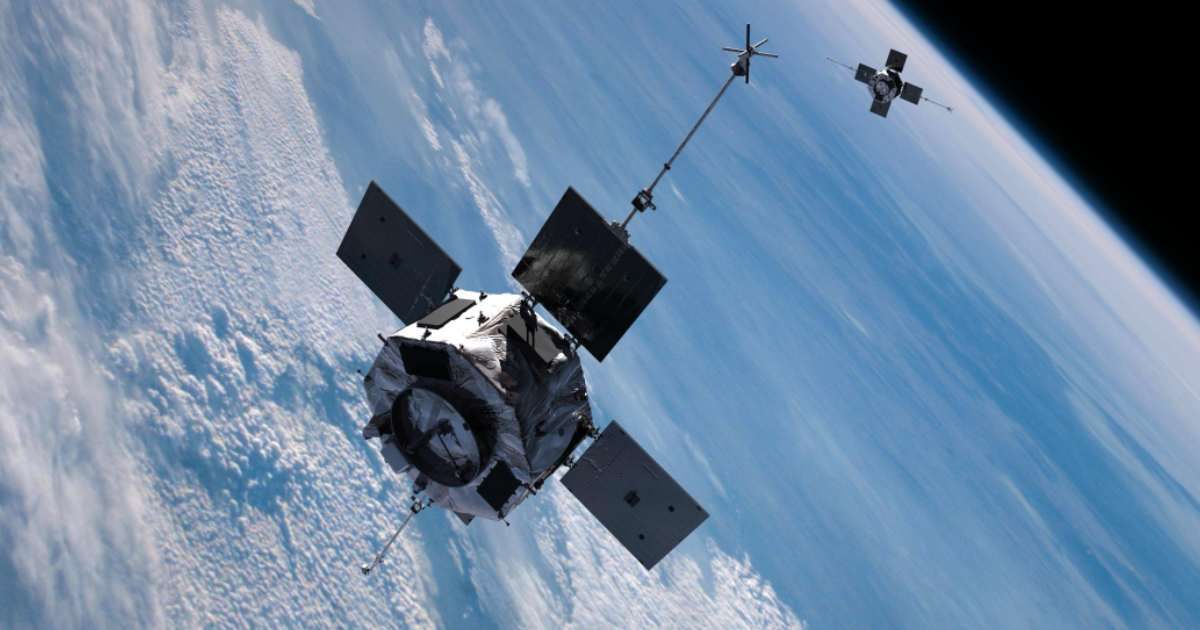
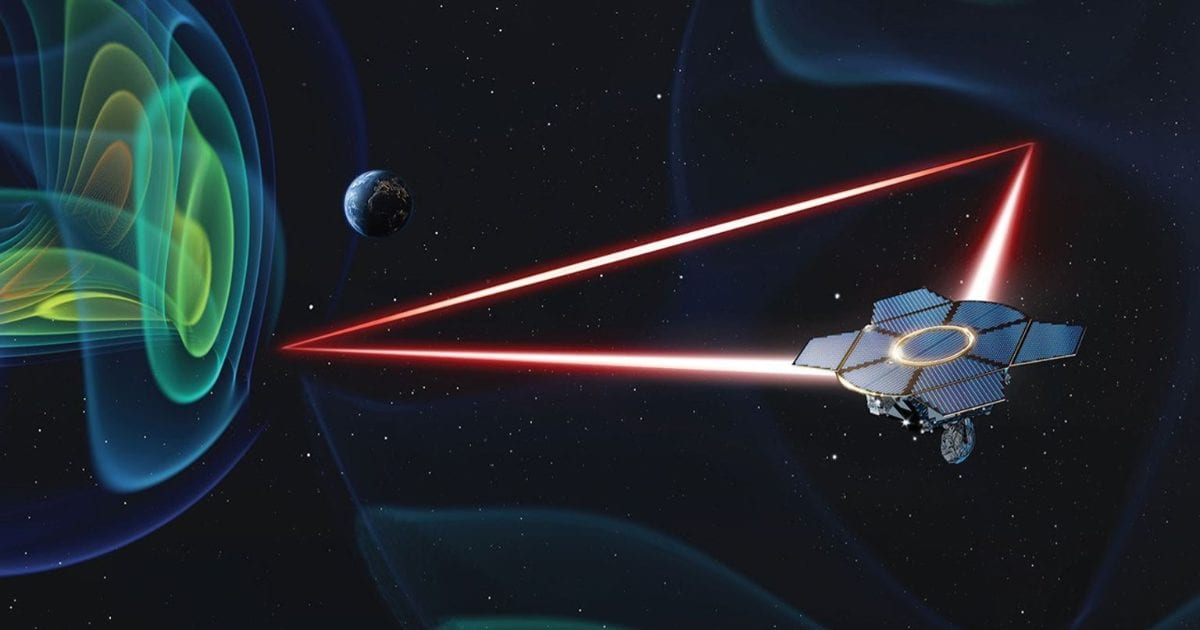
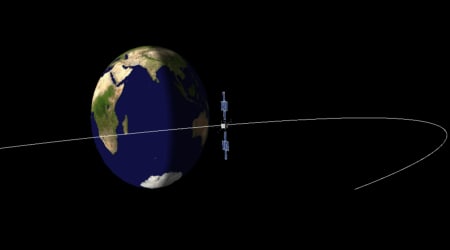
NASA has confirmed that its Van Allen Probe A is about to begin its descent through the Earth’s atmosphere. With an uncertainty of plus or minus 24 hours, the US Space Force expects the probe to make its re-entry at about 7:45 pm EDT on March 10, 2026. Its twin, Van Allen Probe B, is not expected to do the same until 2030, even though both spacecraft ran out of propellant to keep themselves pointed at the Sun more than 5 years ago. These two spacecraft were designed to study the Van Allen belts that surround the Earth, which trap solar radiation and pose a considerable threat to astronauts and satellites. These belts simultaneously act as a shield for surface dwellers against any high-energy particles from the Sun.
Though most of its contents, weighing cumulatively in at 1,323 pounds, are expected to burn up, some components of Probe A may yet make their way to the surface. NASA has informed that the odds of being at risk from debris are low at 1 in 4200. The US Space Force is working alongside the space agency to update their predictions with more accuracy based on their continued observations. The two probes were being operated by Johns Hopkins University Applied Physics Lab in Maryland, US. Their orbits had been expected to last till 2034, but intensified space weather events around the solar maximum in October 2024 meant the probes experienced increased drag. This atmospheric drag during its circular orbit meant an earlier re-entry than expected for Van Allen Probe A.
It is important to note that at the time of their launch on August 30, 2012, the twin Van Allen probes were meant to last just 2 years. However, they kept providing valuable scientific data far beyond their intended timelines. Probe B was the first to be shut down after instructions from Johns Hopkins’ APL on July 19, 2019, while Probe A followed suit on October 18, 2019.
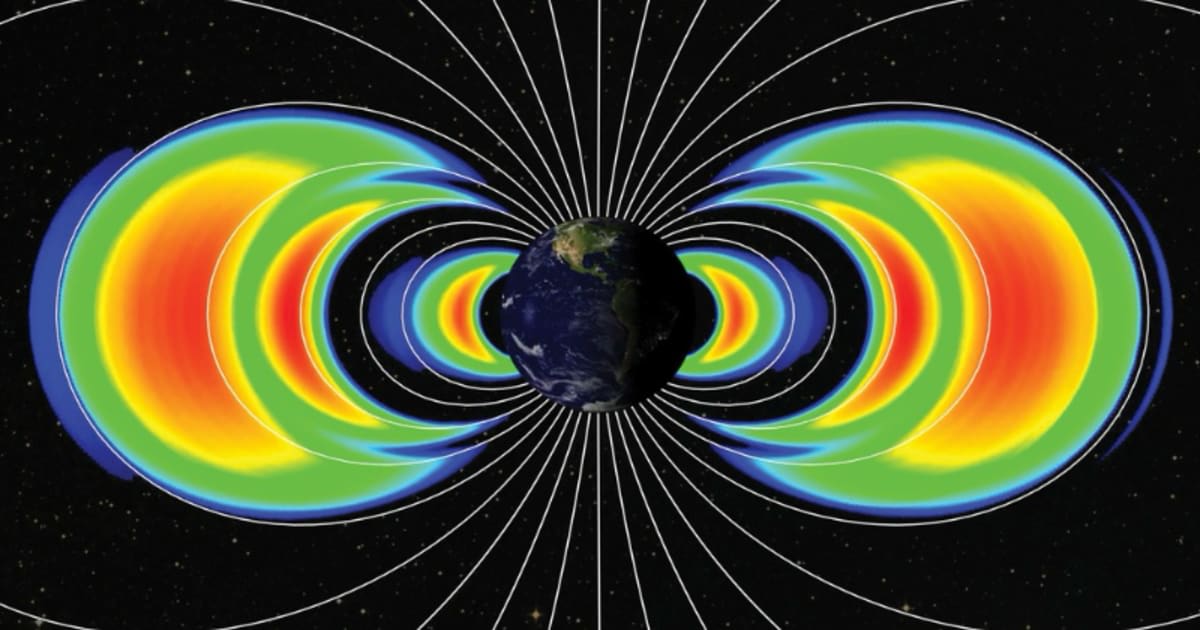
These ring-shaped radiation zones around our planet were first discovered in 1958 by American astrophysicist James Van Allen. Thanks to this discovery, from the very early days of spaceflight, it was understood that one must escape these belts with urgency. These belts were thought to have two zones before Van Allen probes A and B—the outer one being full of billions of high-energy photons from the Sun, and the inner featuring cosmic ray interactions with our atmosphere. Thanks to the twin probes, a third belt was also discovered that forms during periods of intensified solar activity.
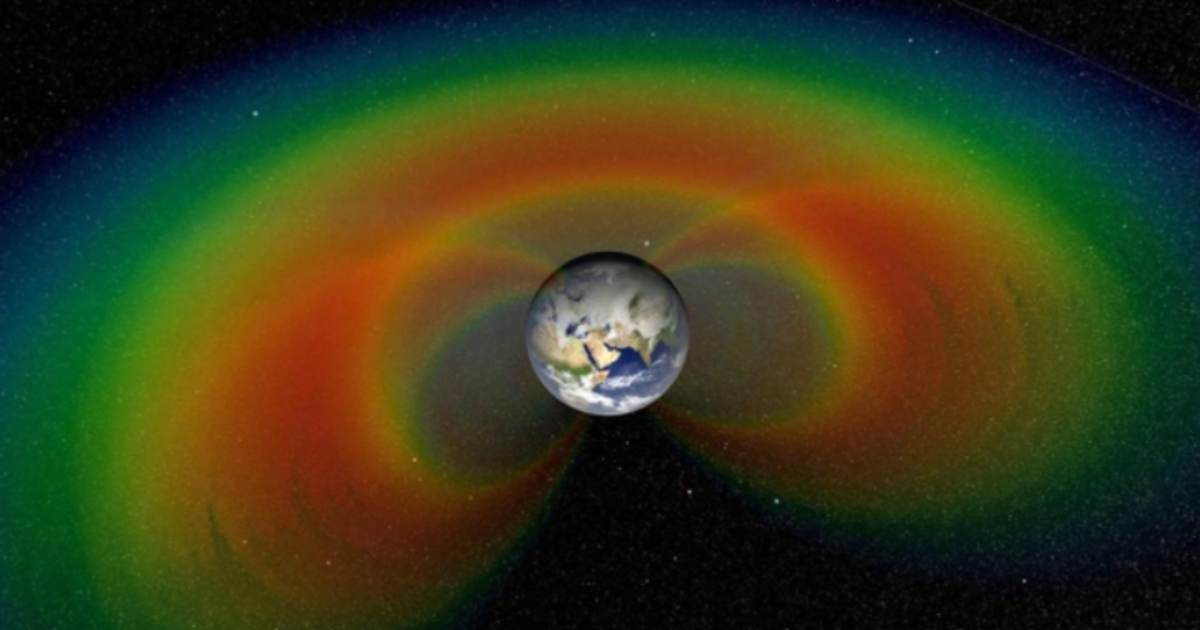
As mentioned earlier, the entrapment of radiation particles by the Earth’s magnetosphere presents risks for anything passing through it, living or otherwise. Today, most satellites are made to minimize their time in these belts. The scientific data gathered by the Van Allen probes still plays a crucial role in making sense of space weather events and how they affect satellites, astronauts, and even communication systems on Earth.
More on Starlust
NASA to send supplies to ISS with Northrop Grumman CRS-24; CRS-23 to undock this week