1 km-wide potentially hazardous asteroid to zoom past Earth on June 27—how to observe 1997 NC1
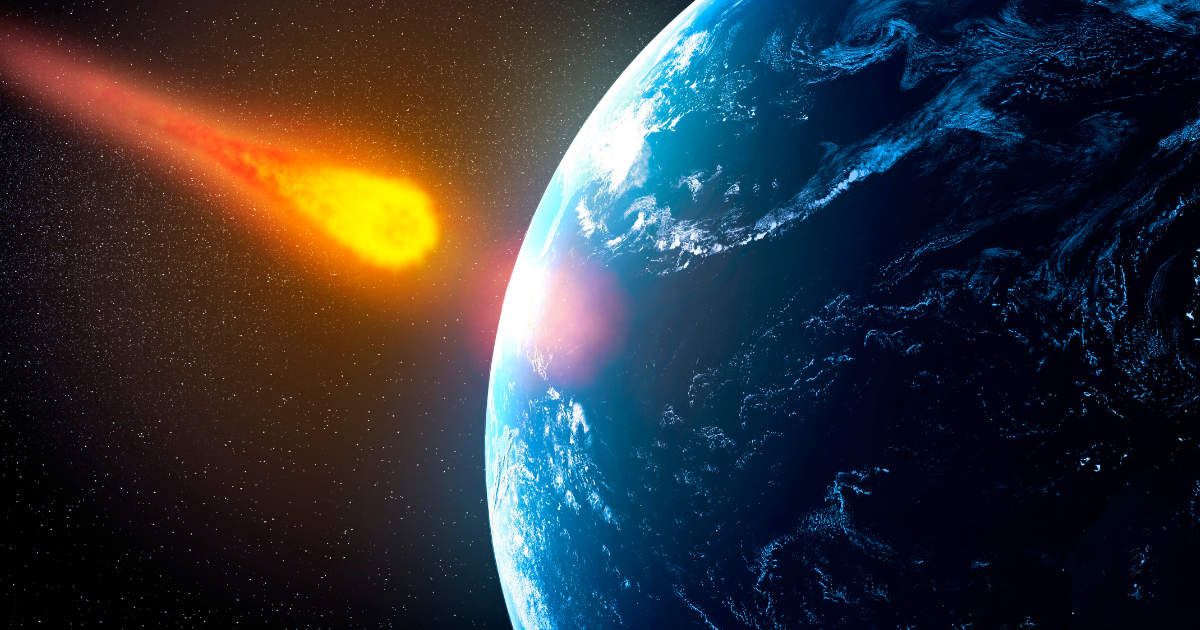
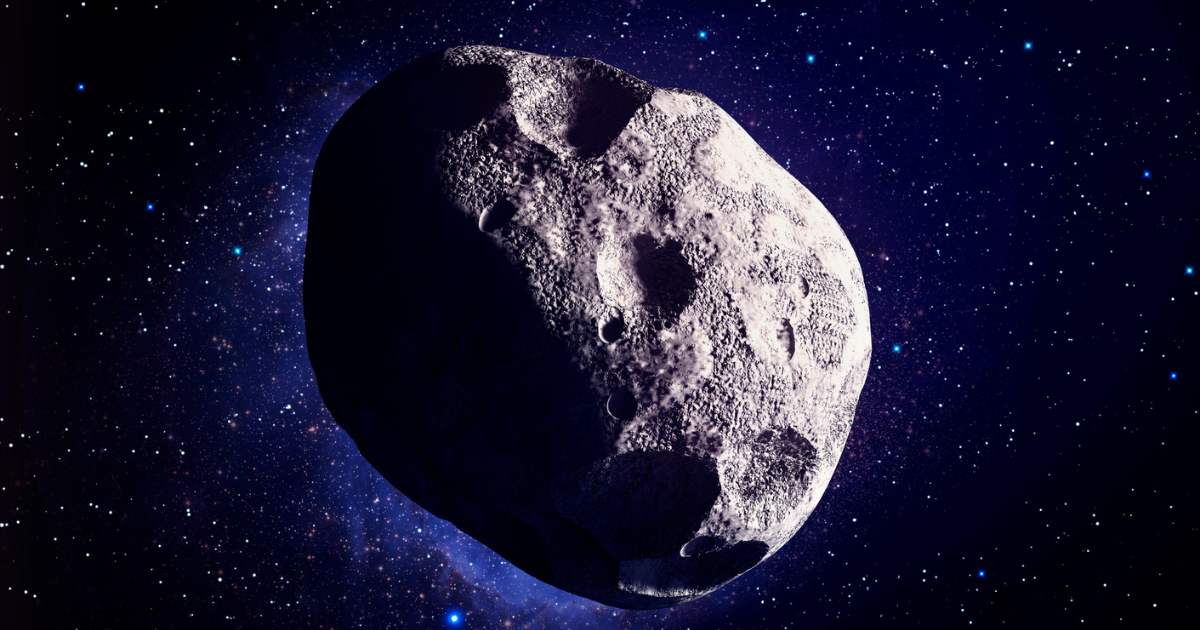
An asteroid estimated to be a kilometer (0.6 miles) wide will pass by the Earth on June 27, 2026, at 7:14 AM EDT. The asteroid, named 1997 NC1, is almost 50 to 60 times wider than the infamous Chelyabinsk meteor that tore through the atmosphere over Russia back in 2013. Coming in at a spectacular pace, that smaller asteroid produced huge shock waves and sonic booms that were strong enough to shatter glass windows in six Russian cities. However, despite its width, asteroid 1997 NC1 will not pose any threat to the people of Earth. That’s because it will fly past our Blue Planet at a safe distance of nearly 1.6 million miles. While it is still close for an object of this size, the flyby is about 6.6 times the lunar distance. Even though the asteroid has been termed harmless, astronomers will be keeping a close eye on its trajectory. Here’s how they will do it.
How to observe 1997 NC1?
Discovered by the Near-Earth Asteroid Tracking system at Haleakala, Hawaii, this asteroid will pass at a relatively close distance to the Earth by astronomical standards. The asteroid has been categorized as an Aten-type—meaning its orbit lies predominantly inside that of Earth—and has also earned the tag of being a Potentially Hazardous Asteroid (a routine label for large objects passing within 4.6 million miles of our orbit). Astronomers and stargazers looking up at the sky will require a telescope with an aperture of roughly 6 inches or more to get a clear view of the passing asteroid. It will not be visible to the naked eye.
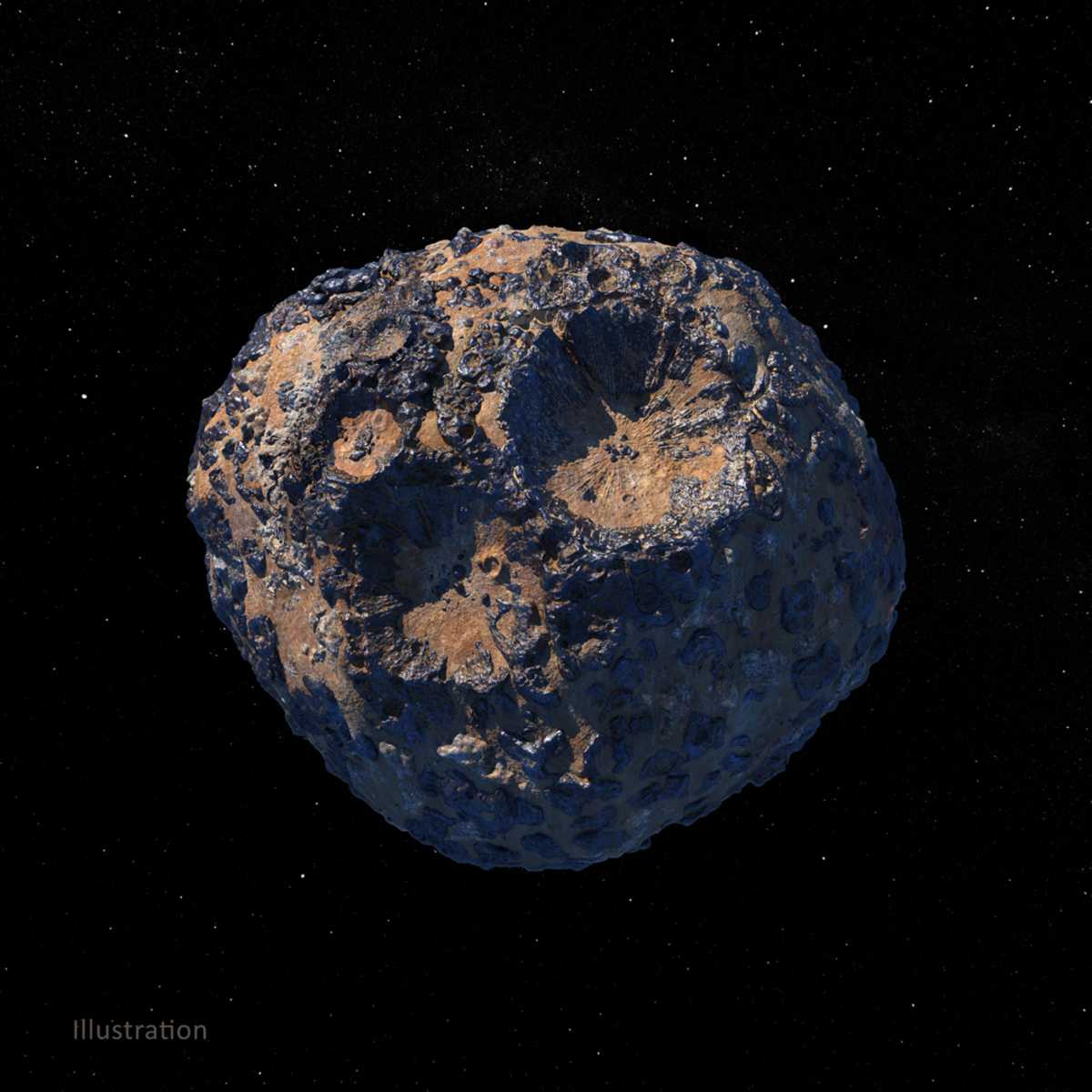
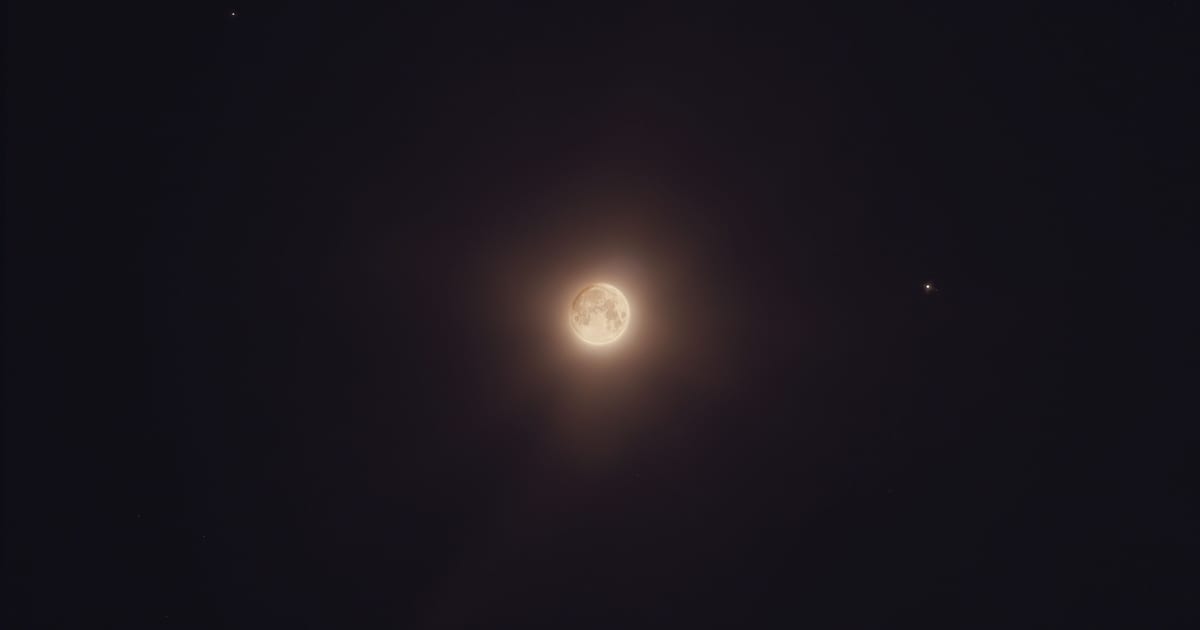
The estimated relative speed of asteroid 1997 NC1 will be 19,886 miles per hour. The asteroid will not appear as a fast streak of light similar to a shooting star. Rather, the celestial object will look like a faint star gliding through space over a timescale of minutes. Unfortunately, the bright moonlight from the waxing gibbous moon will hamper a seamless viewing experience. Reflecting on the procedure of asteroid watching, astronomer and asteroid expert Lance A.M. Benner at NASA's Jet Propulsion Laboratory wrote, “This object has not been observed with radar previously. We will use the 34-meter DSS-26 antenna as a transmitter (7190 MHz) and the 34-meter DSS-13 antenna as a receiver... Observing time is scheduled on June 24, 25, 27, and 29.” Interestingly, the Virtual Telescope Project has plans to live-stream the celestial phenomenon for people who do not have access to telescopes.
Is this the first time an asteroid like 1997 NC1 has come close to Earth?
No, there have been instances of large asteroids flying past close to our planet. An recent example of a similar phenomenon was the asteroid 1994 PC1, back in January 2022. The asteroid was quite similar in terms of its size to asteroid 1997 NC1. However, it passed closer to the Earth at 1.23 million miles, or roughly 5 times the lunar distance.
While both 1994 PC1 and 1997 NC1 have spared our planet, impact by asteroids such as these would be catastrophic for Earth. While the much smaller Chelyabinsk meteor exploded 18 miles up in the atmosphere back in 2013, as asteroid the size of 1997 NC1 would punch straight through the air and make direct contact with the Earth’s surface, creating a crater that would likely be several kilometers wide. An impact of such a magnitude would be devastating and would immediately flatten the surrounding region across a massive radius. Landscapes hundreds of miles from the impact, too, would turn barren, while the ejected dust and debris could trigger severe climate disruptions and a global food scarcity likely to persist for several years.
More on Starlust:
A "quirky" peanut-shaped asteroid is wobbling through space: What NASA's Lucy just discovered
Asteroid impacts may have helped create microbes that gave Earth its oxygen-rich atmosphere