Asteroid impacts may have helped create microbes that gave Earth its oxygen-rich atmosphere

Asteroids do not always end life. They also shape it. Billions of years ago, oxygen-producing microbial life flourished in an impact-generated crater filled with warm water, according to a study by a research team at the Korea Institute of Geoscience and Mineral Resources (KIGAM). The researchers found evidence of stromatolites, mat-like layered structures formed by microbial communities within the Hapcheon crater, the only confirmed asteroid impact crater on the Korean Peninsula. The study, published in Communications Earth & Environment, could explain how Earth's atmosphere became so rich in oxygen.
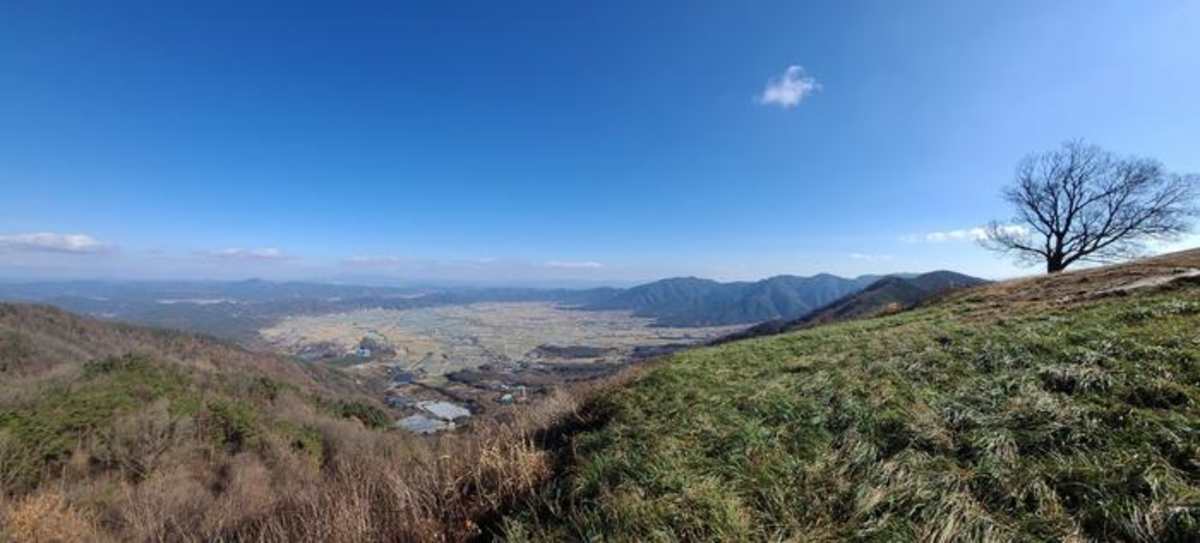
Asteroids are known to have bombarded Earth and other terrestrial planets about 4 billion years ago. The study says that the stromatolites came into being in a hydrothermal lake environment created by such impacts. The impacts melted rock, and the heat generated kept the water warm and rich in minerals for a long period. This created conditions conducive to microbial growth. Microorganisms such as cyanobacteria grew, which, in turn, created stromatolites, which are among the oldest known signs of life on Earth.
![Illustration showing the formation of stromatolites in a post-impact hydrothermal lake environment and the potential development of oxygen oasis (Reproduced from Lim et al., Communications Earth & Environment (2026)/ KIGAM; Image Edited on Canva]](https://de40cj7fpezr7.cloudfront.net/47f4bcf4-43a9-4988-ae7c-4b29cc63f571.png)
Currently, oxygen fills about 21 percent of Earth’s atmosphere. But for nearly half the planet’s history, oxygen was almost entirely absent. Then came the Great Oxidation Event—a planetary turning point roughly 2.4 billion years ago when oxygen levels surged dramatically. The cyanobacteria drove this change through photosynthesis, generating oxygen as waste. The research team says that the hydrothermal lakes created by impact events may have acted as local habitats where oxygen-generating microbes could thrive. The team describes these environments as "oxygen oases."
![Sample of stromatolite collected from the Hapcheon impact crater, along with analytical position used to characterize its formation and composition. [Image Source: Korea Institute of Geoscience and Mineral Resources(KIGAM); Image edited on Canva]](https://de40cj7fpezr7.cloudfront.net/5714b48e-cc0b-4c66-8106-de083addf28f.png)
The Korean team identified multiple stromatolites in the northwestern part of the crater, each measuring approximately 10 to 20 centimeters in diameter. “This is the first comprehensive evidence suggesting that stromatolites could form in hydrothermal lakes created by asteroid impacts,” said Dr. Jaesoo Lim, lead author of the study, in a statement. “Such environments may have provided favorable conditions for early microbial ecosystems.”
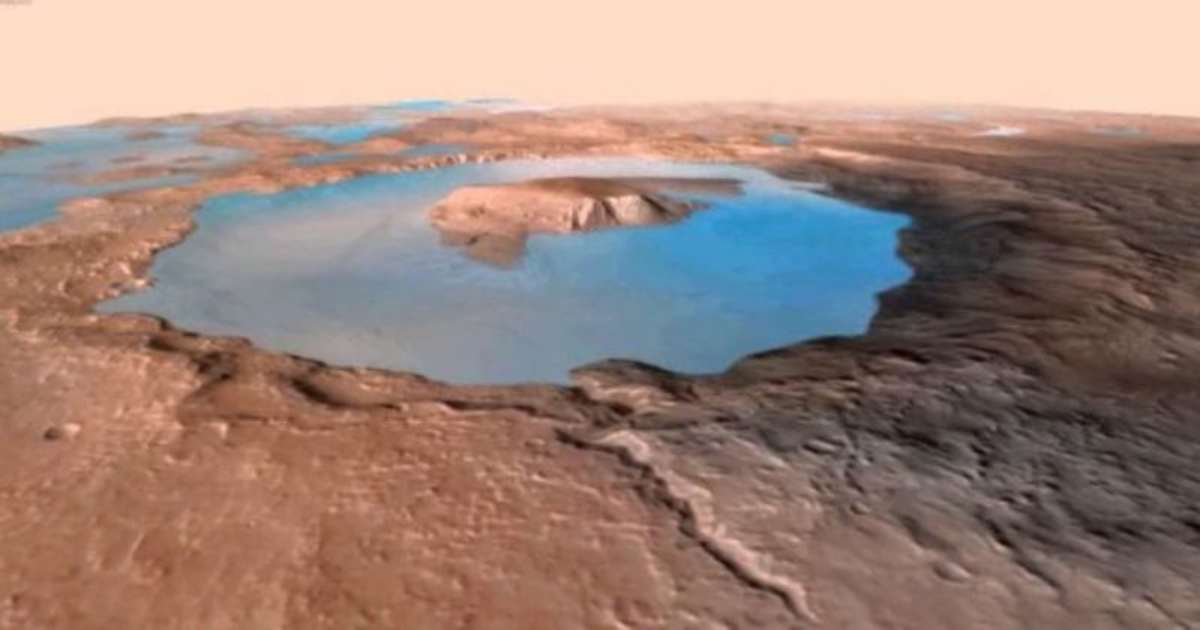
The researchers also carried out geochemical analyses of the stromatolites. They found signatures of extraterrestrial material and surrounding bedrock and signs of changes induced by high-temperature water. Deeper layers show hydrothermal signals, indicating that they formed during an earlier, hotter phase. These findings suggest that the stromatolites were produced in a post-impact warm lake that cooled over time. The research may help us in our search for signs of ancient life on Mars as well, as it raises the possibility that similar environments could have existed on the Red Planet as well. After all, Mars is believed to have harbored water-filled impact craters during its early days.
More on Starlust
NASA Curiosity rover detects new organic compounds, strengthening case for Mars’ past habitability
Microbes may survive asteroid impacts and travel between planets, new study finds