
Biplab Das
A science journalist and writer who has been writing since 1997 on a wide range of science and technology topics. Worked with print, audio, audio-visual and online media. Over the years, he honed his skills to tell stories of how we and other living organisms emerged on earth and our and their place in cosmos.
He is elated to get the opportunity to write for ‘Starlust’. He hopes that it will give him scope to know, explore and portray space and its unending mystery more intimately.
He is an avid reader. His favorite subjects are origin of the universe, big bang, black holes, evolution and films. The books by Carl Sagan, Paul Davies, and Lee Smolin fuel his interest in space further.
His stories appeared in online magazines of Springer Nature, UK, Australian magazine ‘Cosmos’, US-based ‘Chemical & Engineering News’, London-based ‘SciDev.Net’, and India-based ‘Down To Earth’, ‘The Telegraph’, and ‘The Statesman’. He wrote scripts for science documentary films for CSIR, New Delhi, and science radio talks for ‘All India Radio’, Kolkata and did research work for an audio-visual series on zero-waste for Mumbai-based ‘Times Television Network’.
Latest From Biplab Das
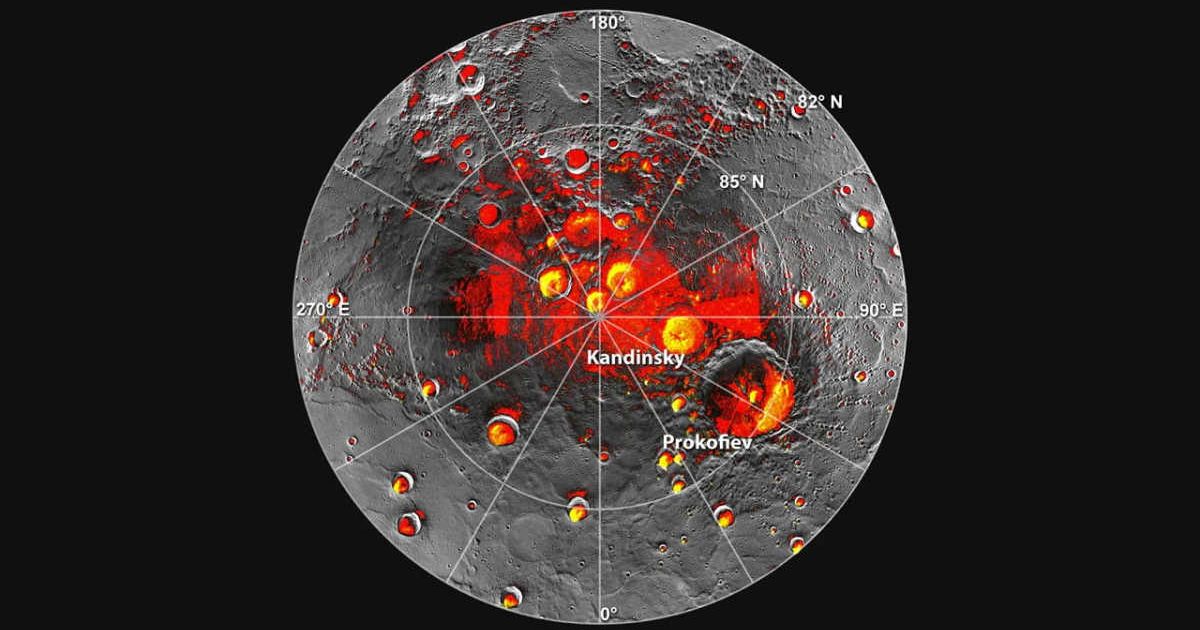
New rover concept would traverse Mercury by following its terminator line
It will explore fresh craters, water ice and volatile-rich deposits at the poles.
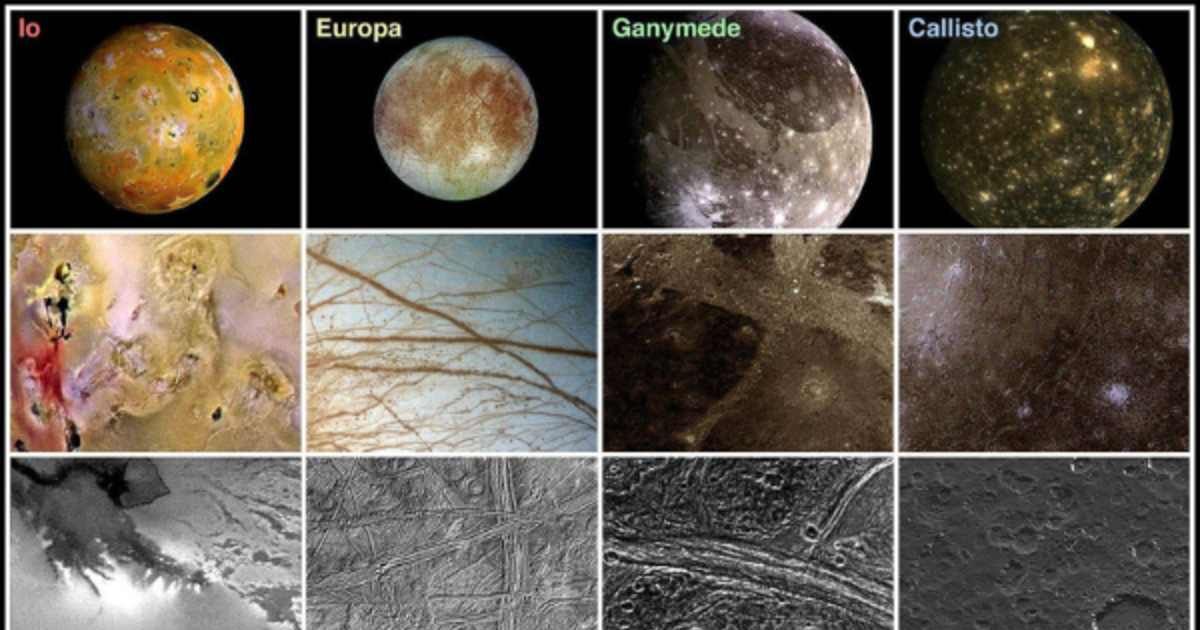
How Jupiter ended up with more large moons than Saturn
A simulation-based study reveals that Jupiter does this with its stronger magnetic fields.
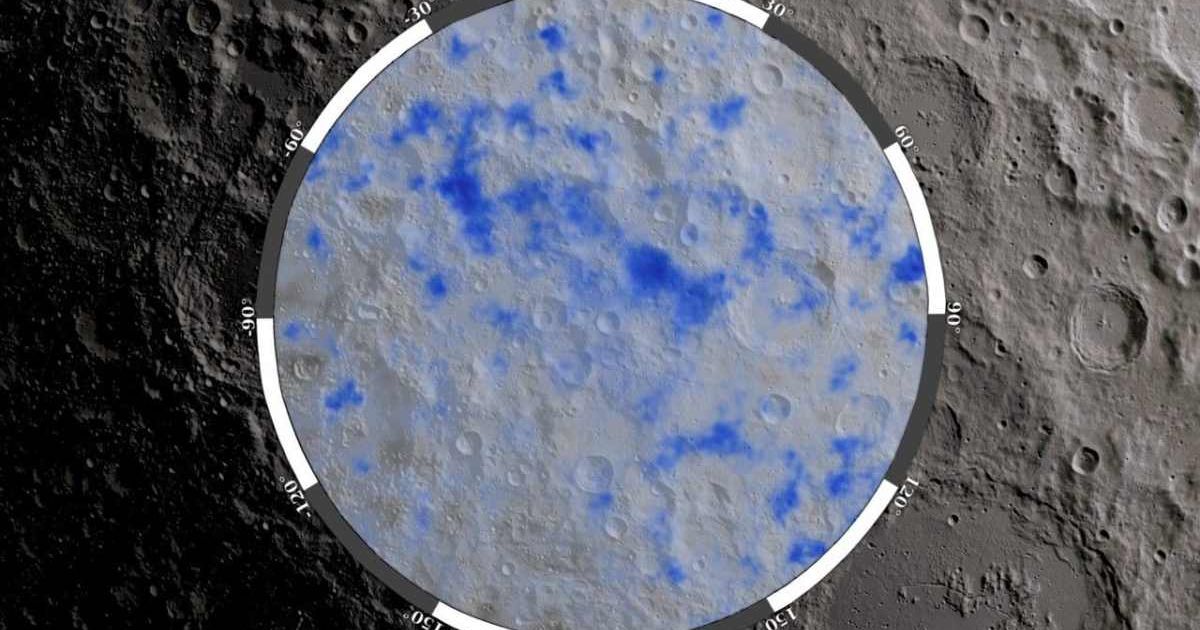
New research identifies where water is most likely to be found on the Moon
They reconstruct the history of ice-trapped craters through computer simulations.
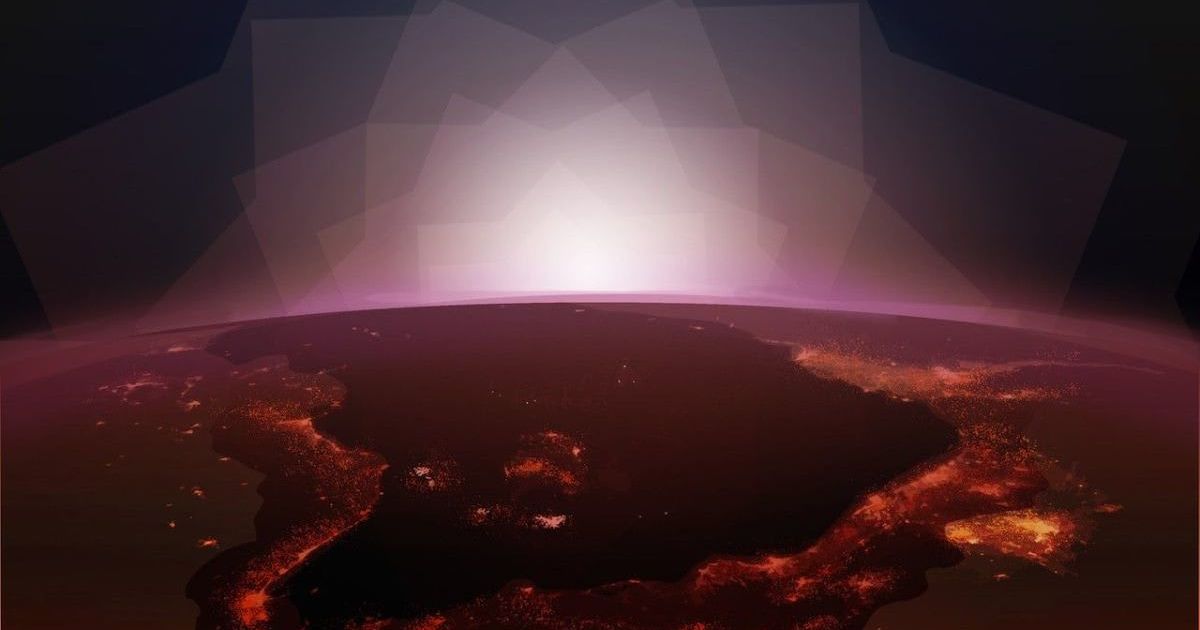
We may be missing signals from alien civilizations. Astronomer reveals why
In an exclusive interview with Starlust, astronomer Vishal Gajjar of the SETI Institute discusses how stars may be responsible for the distortion of alien signals.
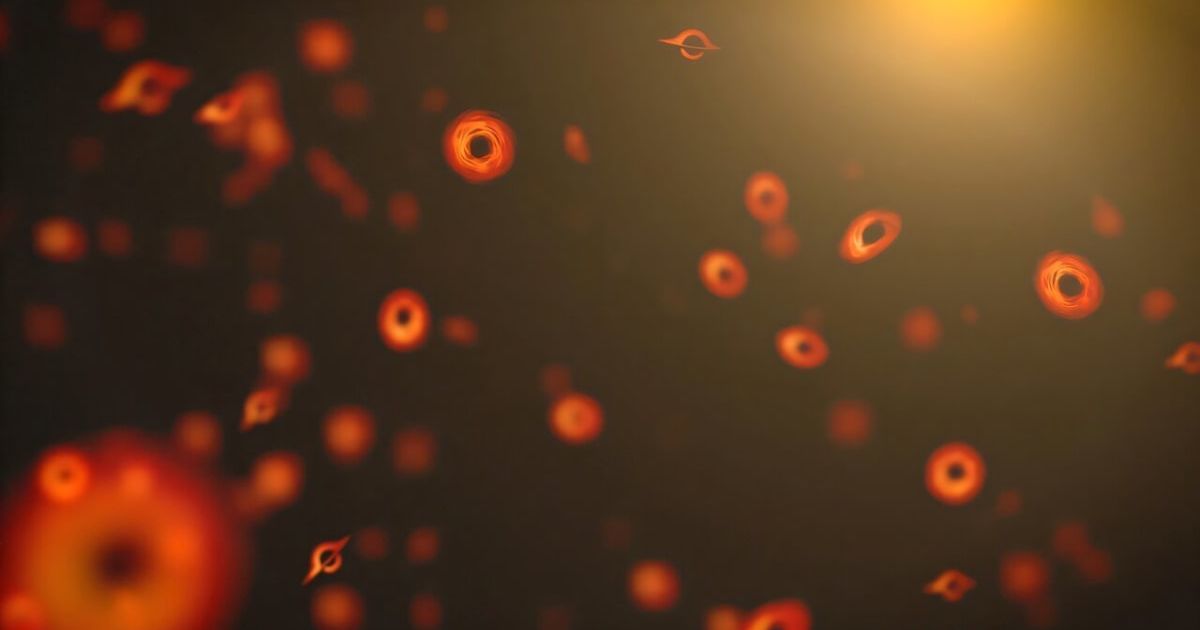
Were we born from exploding primordial black holes? New study suggests so
The new study suggests that primordial black holes helped create the matter-antimatter imbalance, resulting in the formation of matter as we know it.
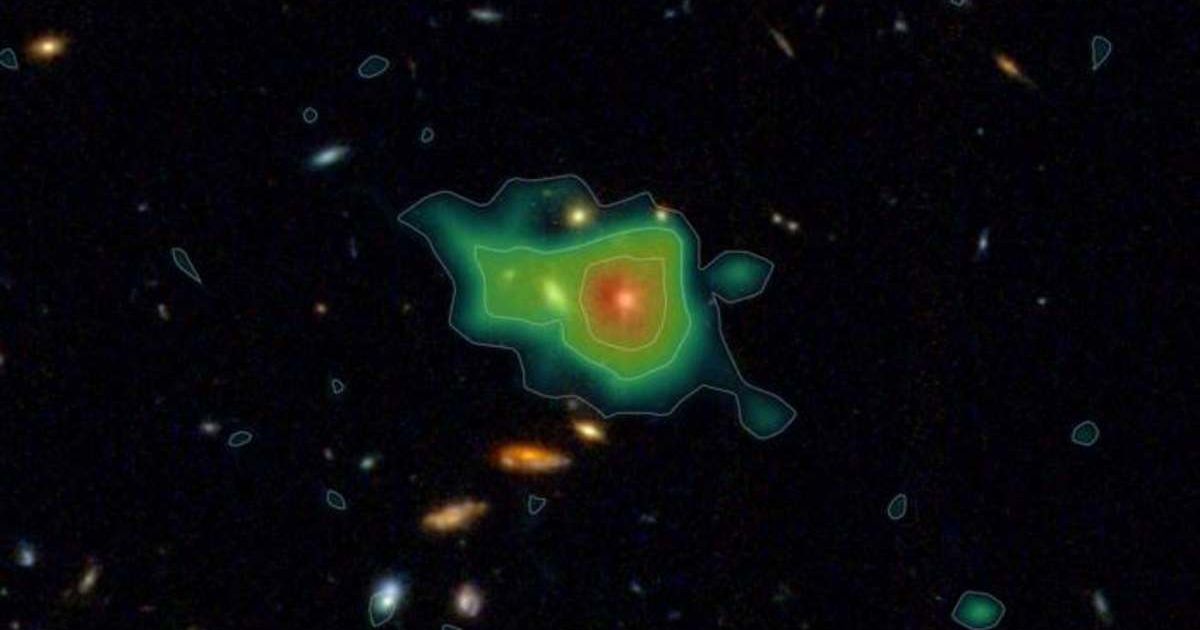
Early universe was suspected to be rich in hydrogen—now astronomers have confirmed it
A new study has increased the number of known hydrogen gas halos from around 3,000 to more than 33,000.
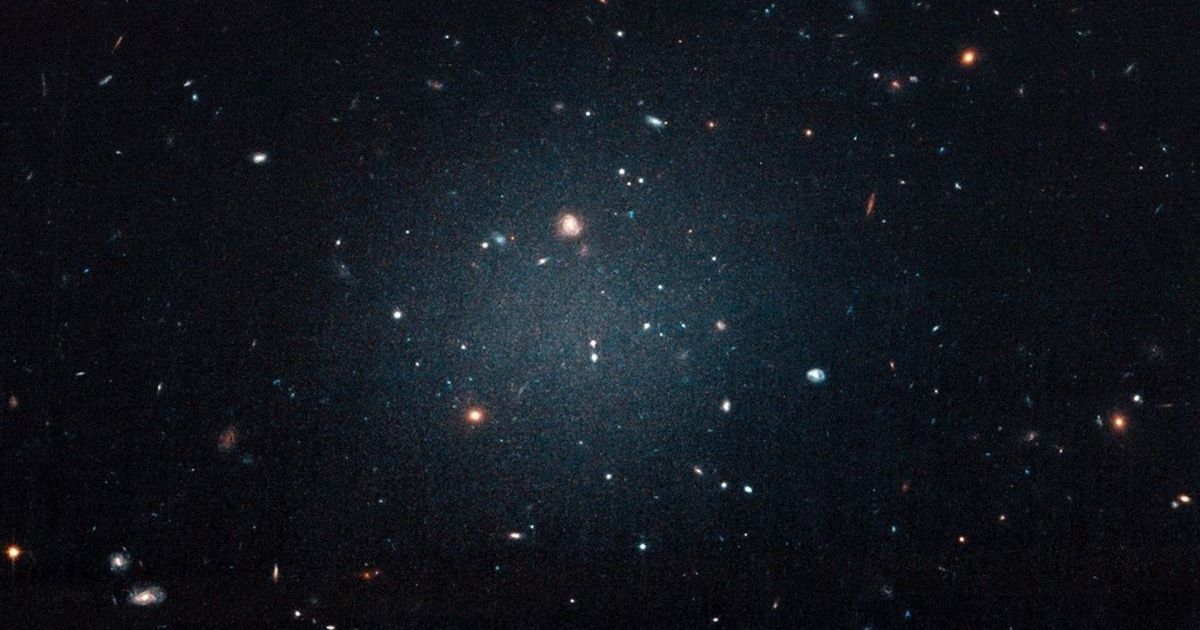
Astronomers identify another galaxy missing dark matter, supporting collision theory
A violent collision between two dwarf galaxies strips them of their dark matter.
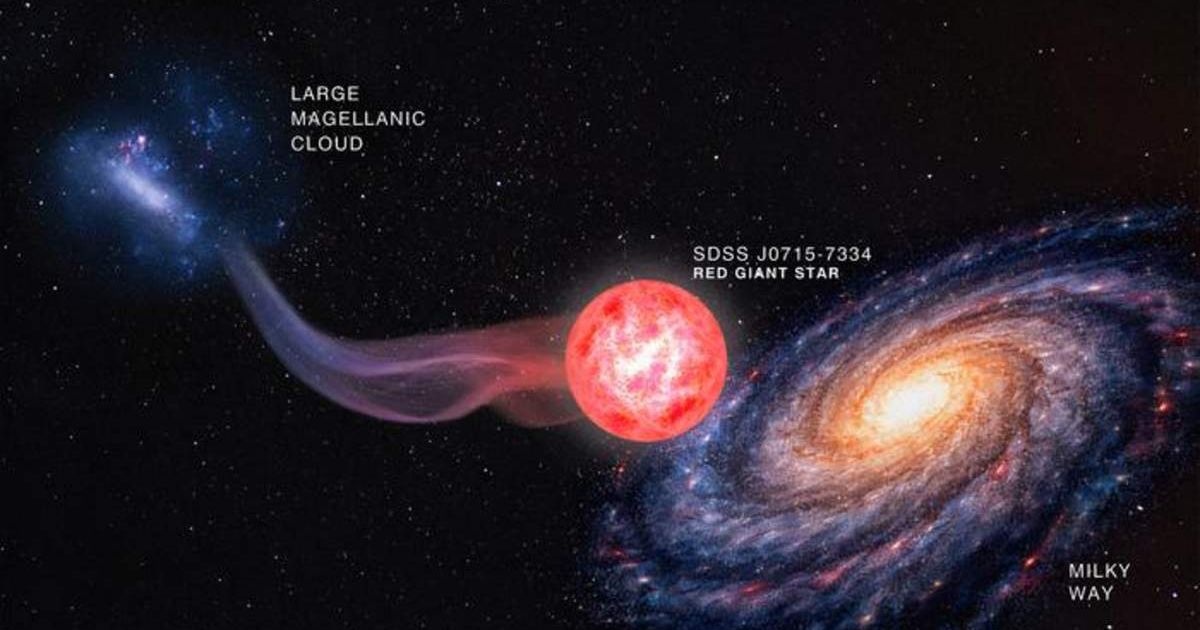
Scientists have found the most 'pristine' star in the universe—and it's right here in the Milky Way
Not only does the star have less metal content than our Sun, but it is also the most iron-poor known star.
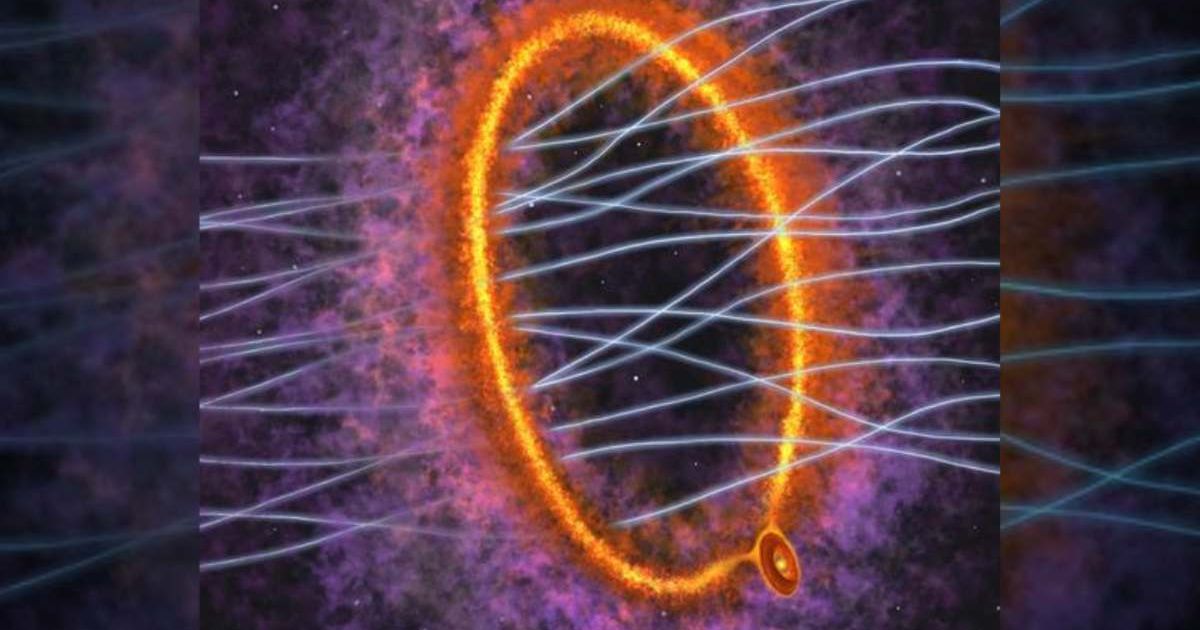
Baby stars don’t grow quietly—ALMA captures how a young star 'sneezes' rings of energy into space
The data provides a snapshot of early growth period of the baby star.
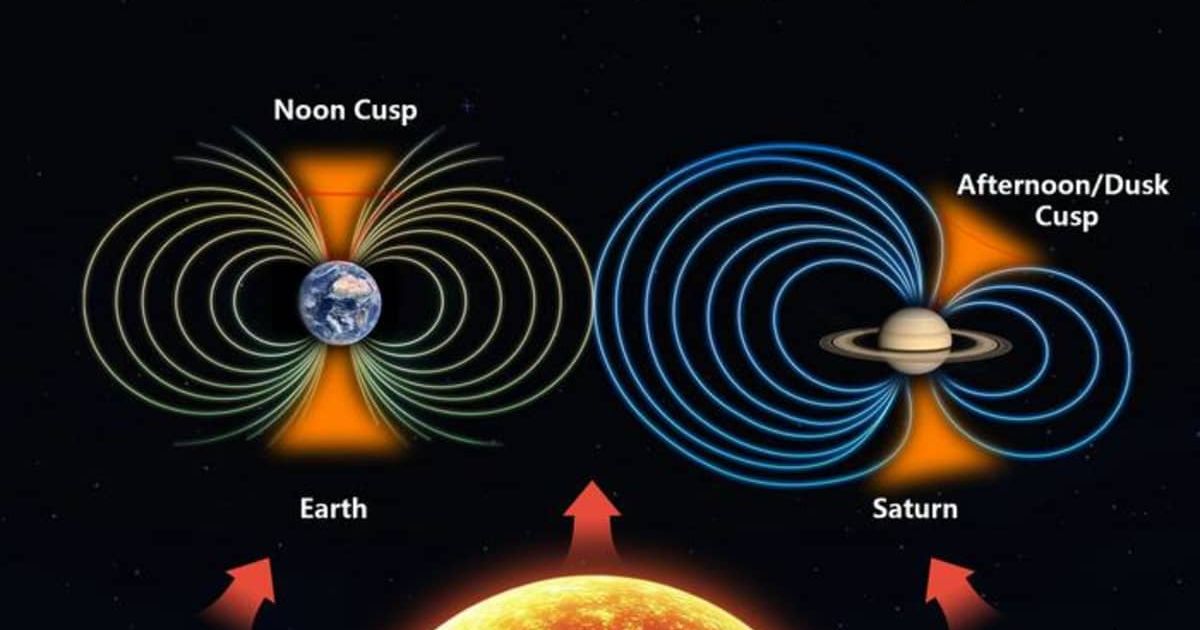
Saturn has an asymmetric magnetic shield, unlike Earth, suggests NASA's Cassini mission data
The gas giant’s rapid rotation and its active moons have contributed to such asymmetry.
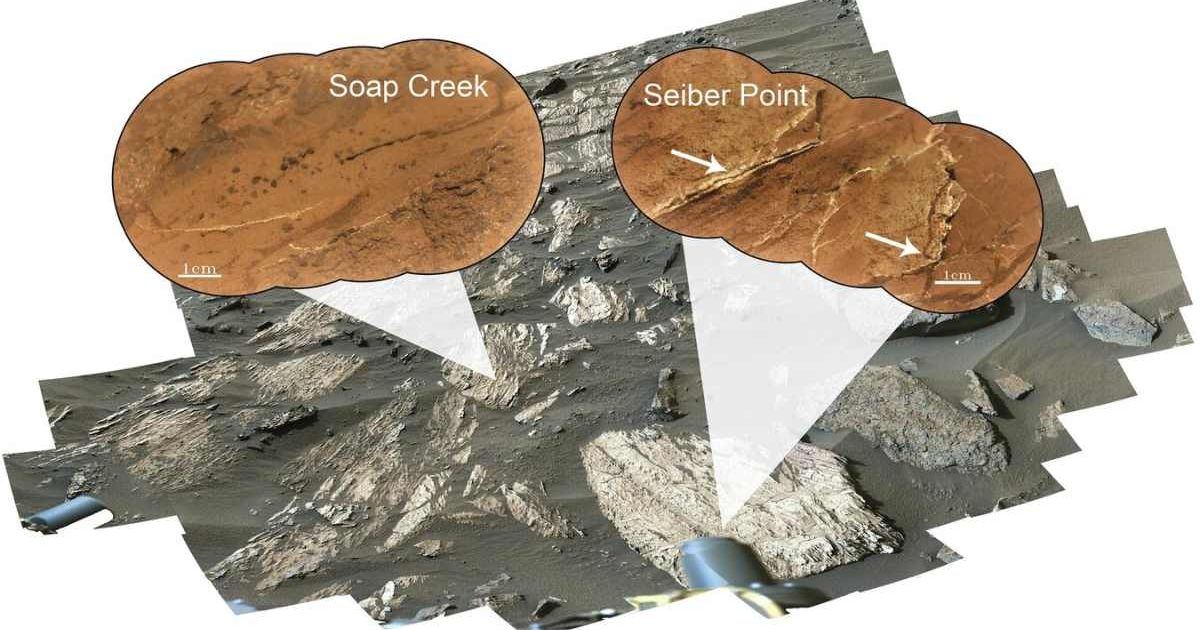
Perseverance had found nickel in Martian bedrock—now, study claims it could be sign of ancient life
Nickel on Earth is used by many microorganisms to run their metabolic processes.
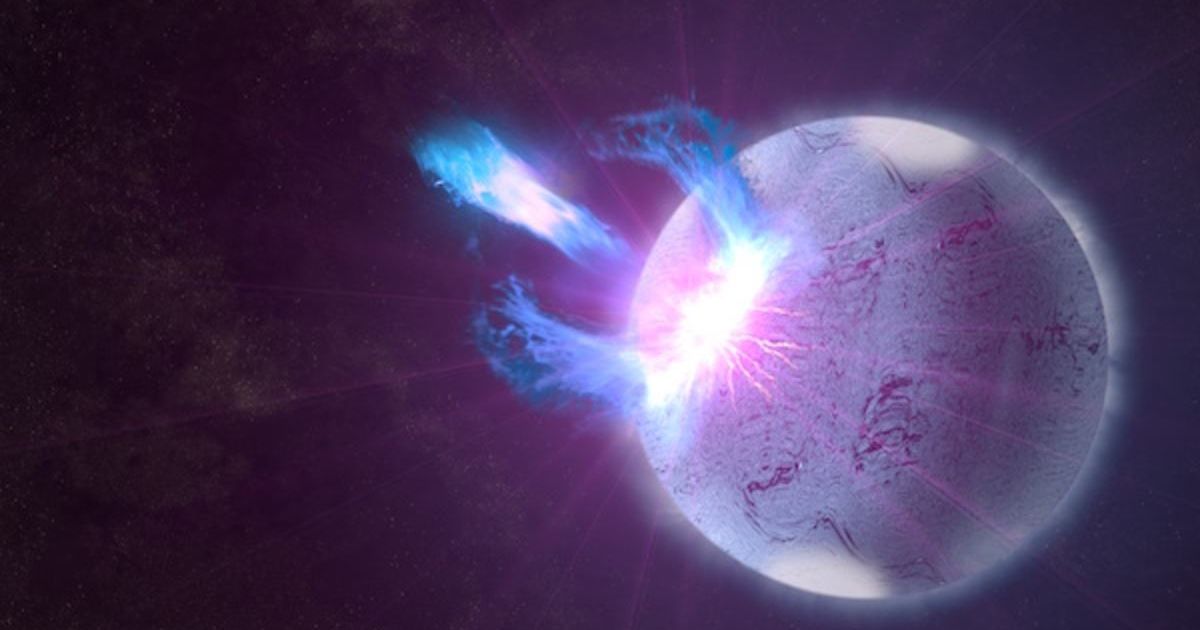
Scientists simulated neutron star reaction in a lab. The results fixed a major 'roadblock.'
The study shows how some stars churn out heavy elements with no roadblock.
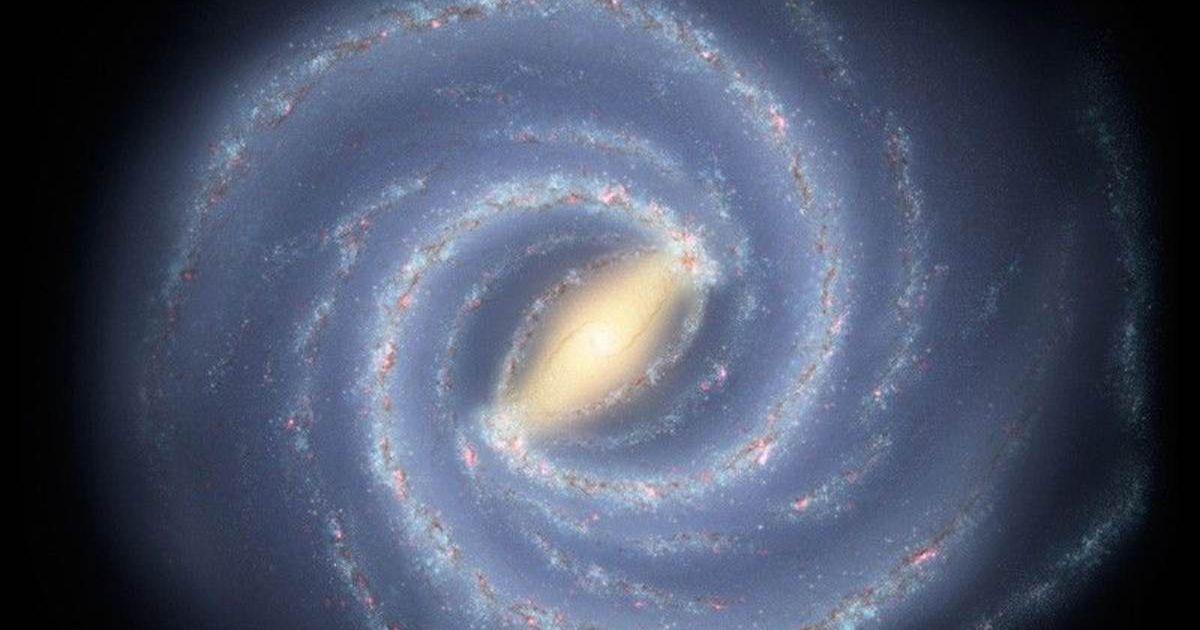
Scientists explain why Milky Way's southern gas is glowing 12 percent hotter than the northern part
The gaseous halo in our galaxy has a mass of 100 billion solar masses, which implies that it has more matter than in the galactic disc.
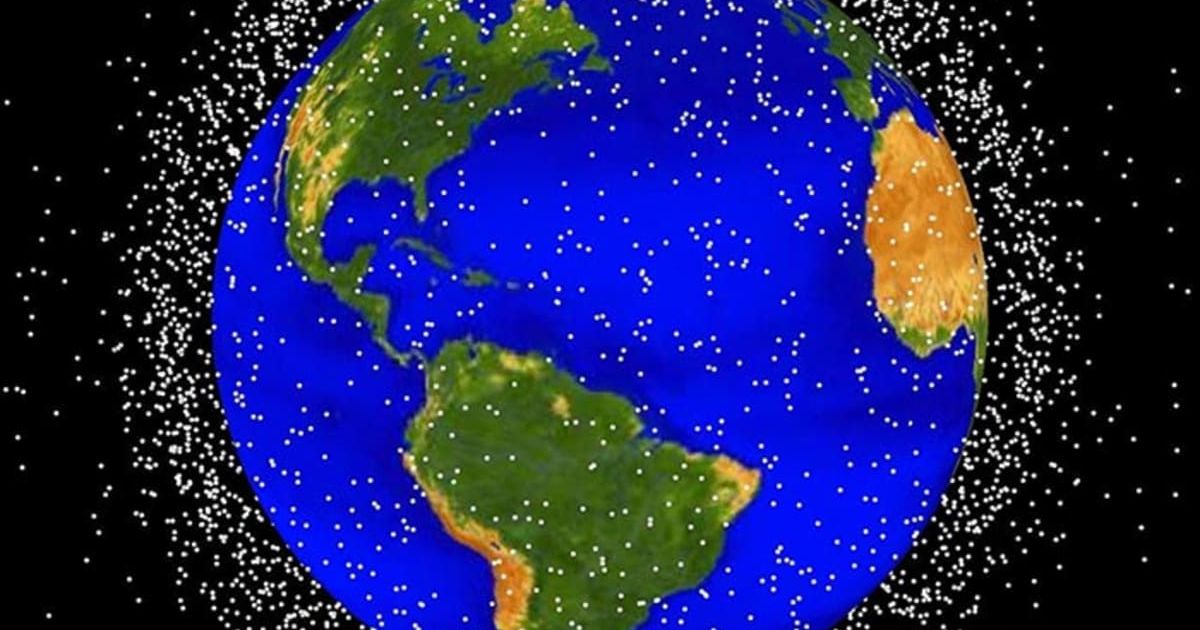
Scientists aim to curb space junk risks by using AI to locate debris in the Earth–Moon region
It can even alert occupants of a moon base if there is radioactive debris to hit the lunar surface.
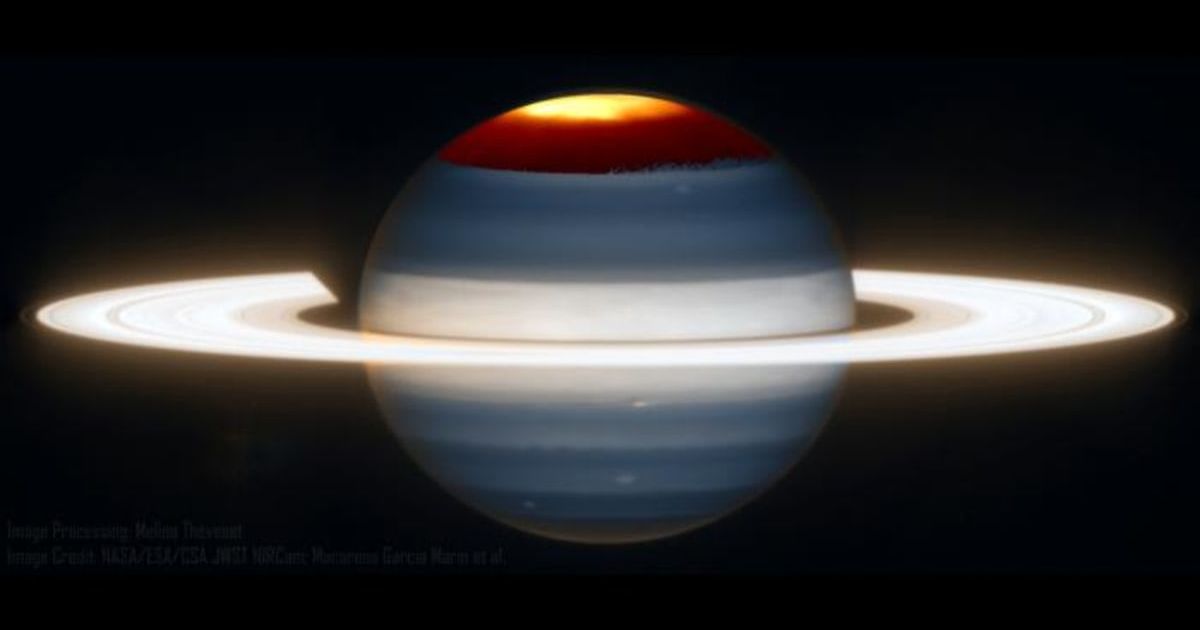
Saturn's auroras are the reason why the planet appears to change its spin, new study finds
Back in 2004, Cassini noticed that Saturn's rotation rate was slowly changing. But this was not possible as planets are not known to do that.
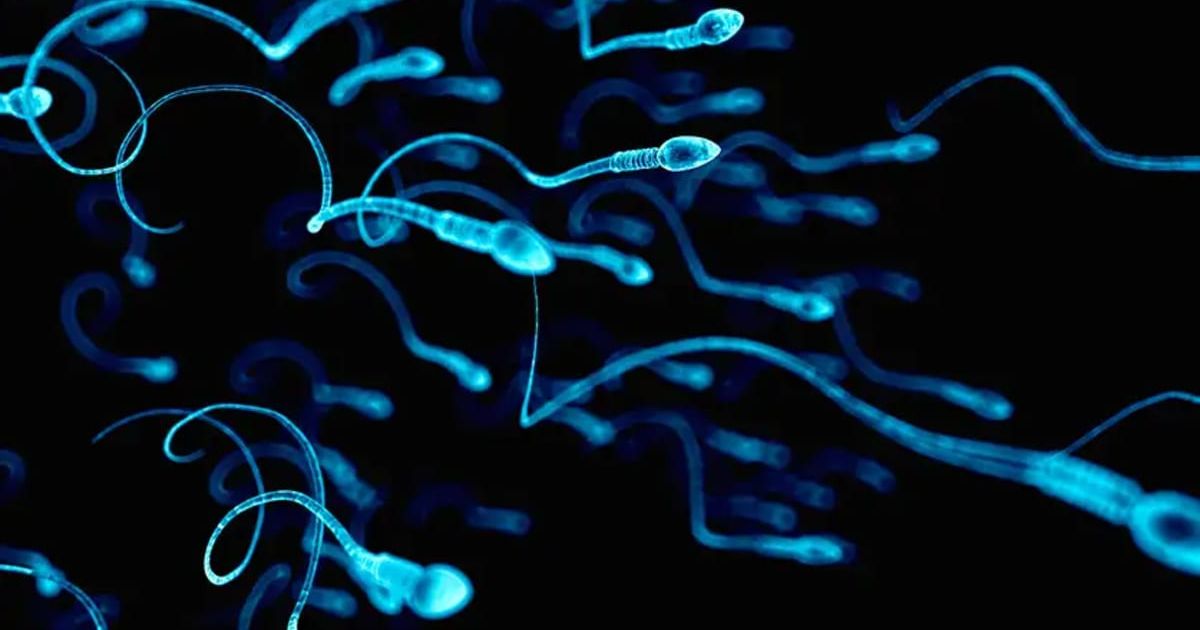
Getting pregnant in space may be tricky, as human sperm may lose its way without gravity
"This is the first time we have been able to show that gravity is an important factor in sperm’s ability to navigate through a channel like the reproductive tract."
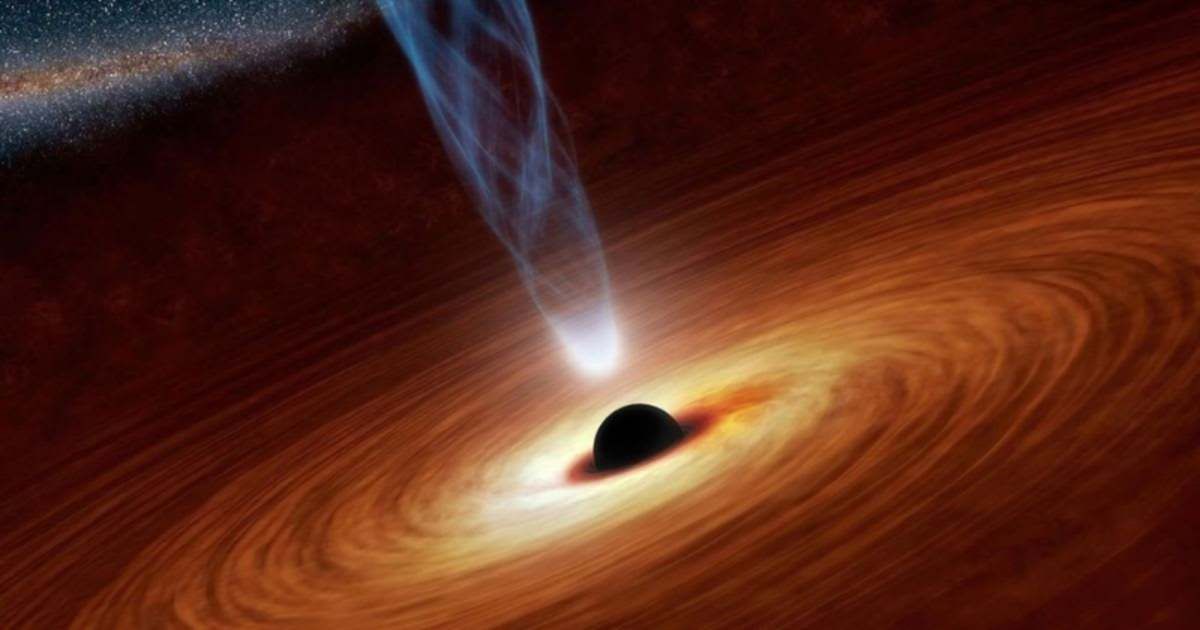
A supermassive black hole dimmed its galaxy 20-fold—in just 20 years
The galaxy, dubbed J0218−0036, is located 10 billion light-years away from us.
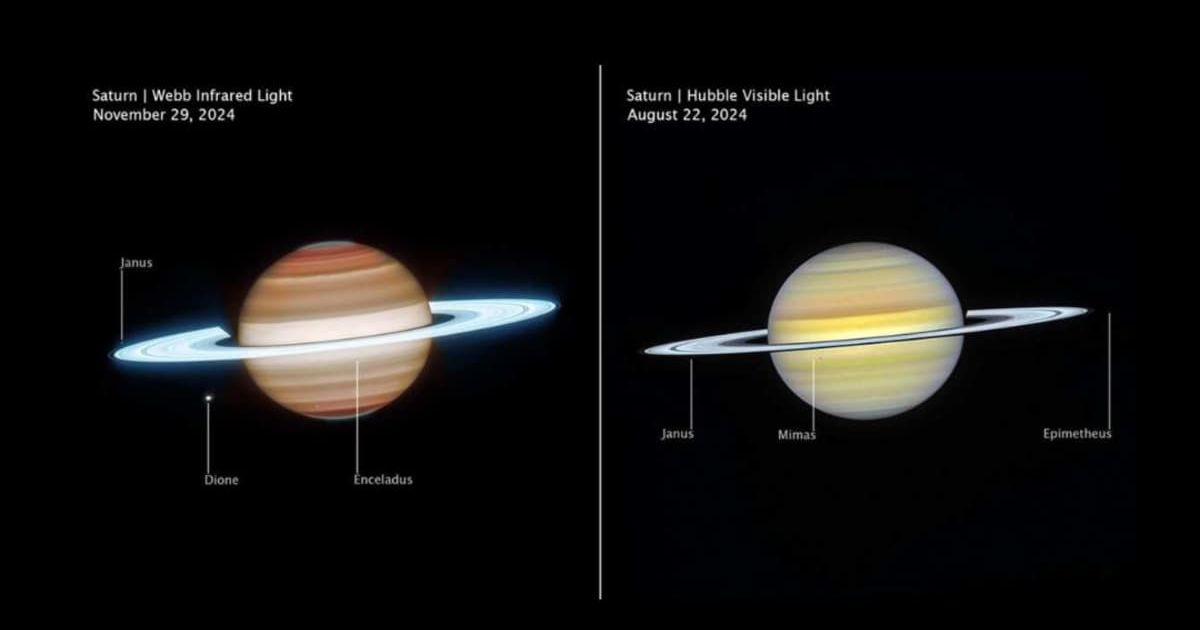
NASA's James Webb teams up with Hubble to image Saturn's atmosphere in unprecedented detail
The two images are helping researchers figure out how the gas giant's atmosphere works as a connected three-dimensional system.
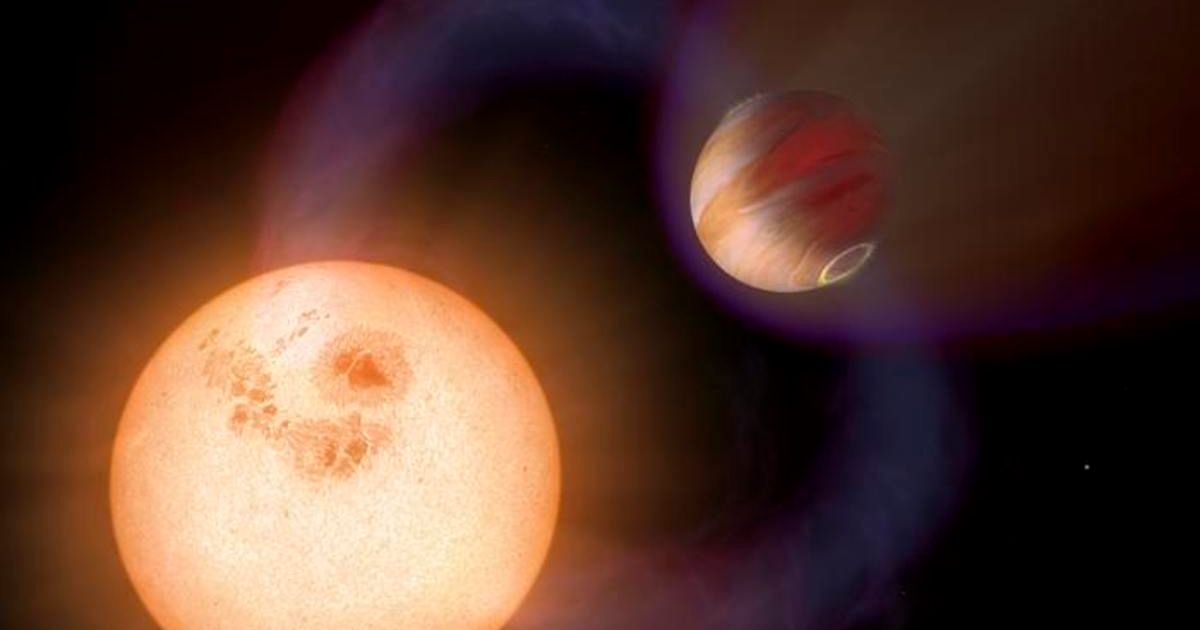
AI tool confirms over 100 exoplanets from NASA's TESS data after scanning 2.2 million stars
The tool, called RAVEN, managed to deliver the results to researchers in less than 16 days.
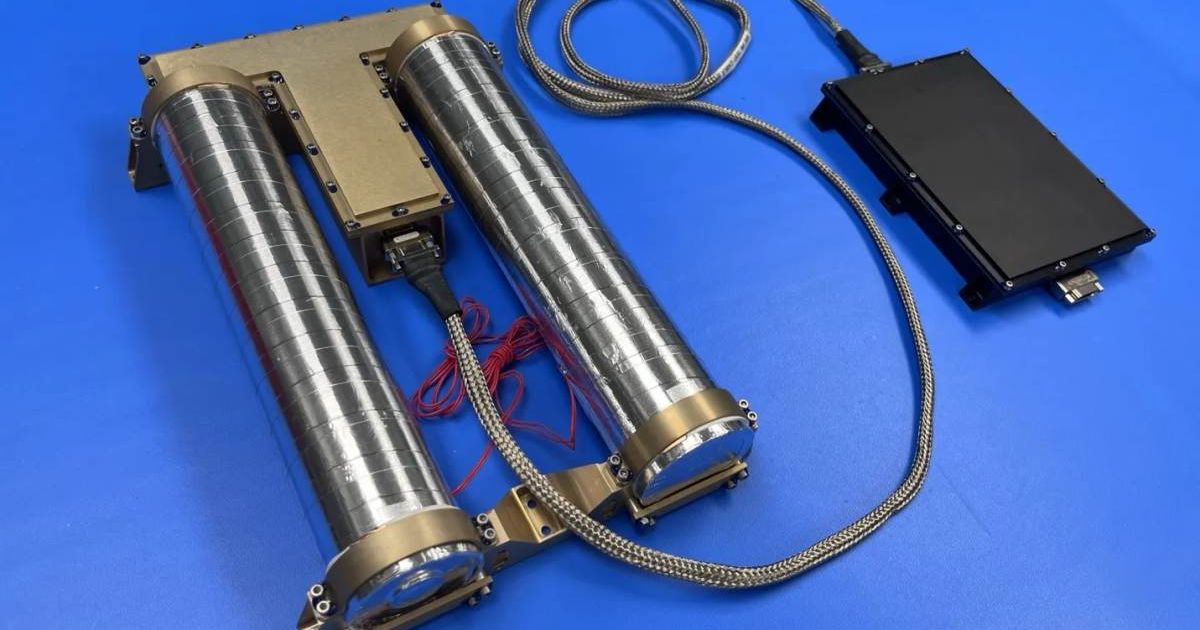
This NASA tool will fly aboard a JAXA-ISRO mission to look for water in the Moon's south pole
The device, dubbed the Neutron Spectrometer System, will detect the presence of the H in H₂O without drilling into the surface.