Artemis II mission will take bone marrow cells on thumb-drive-sized chips to the Moon
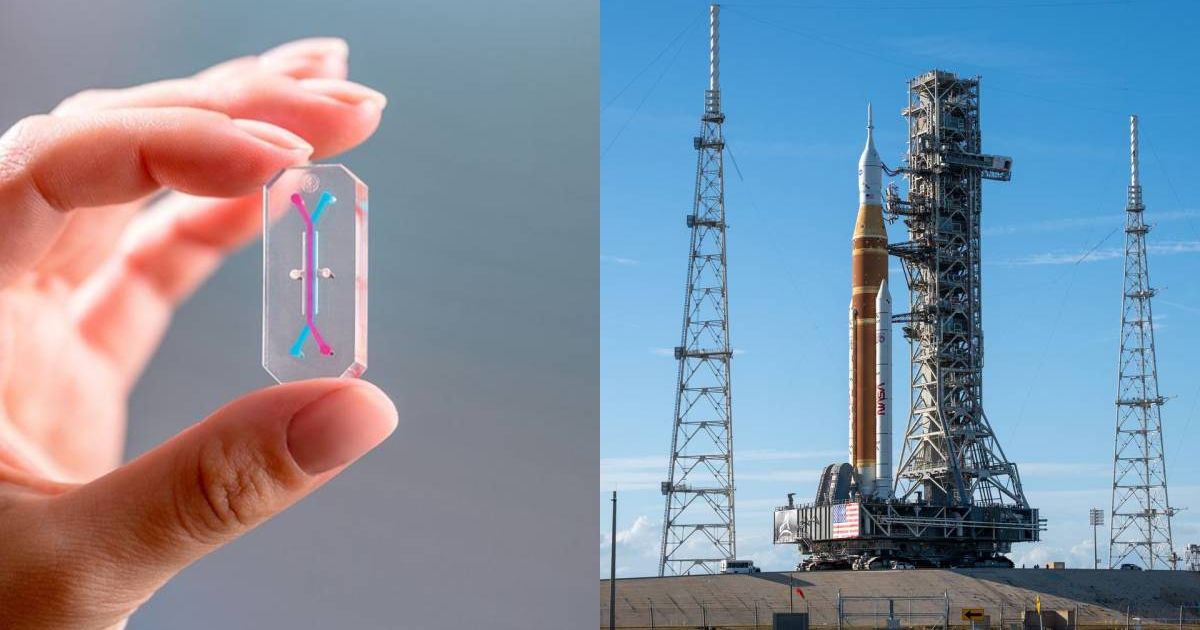
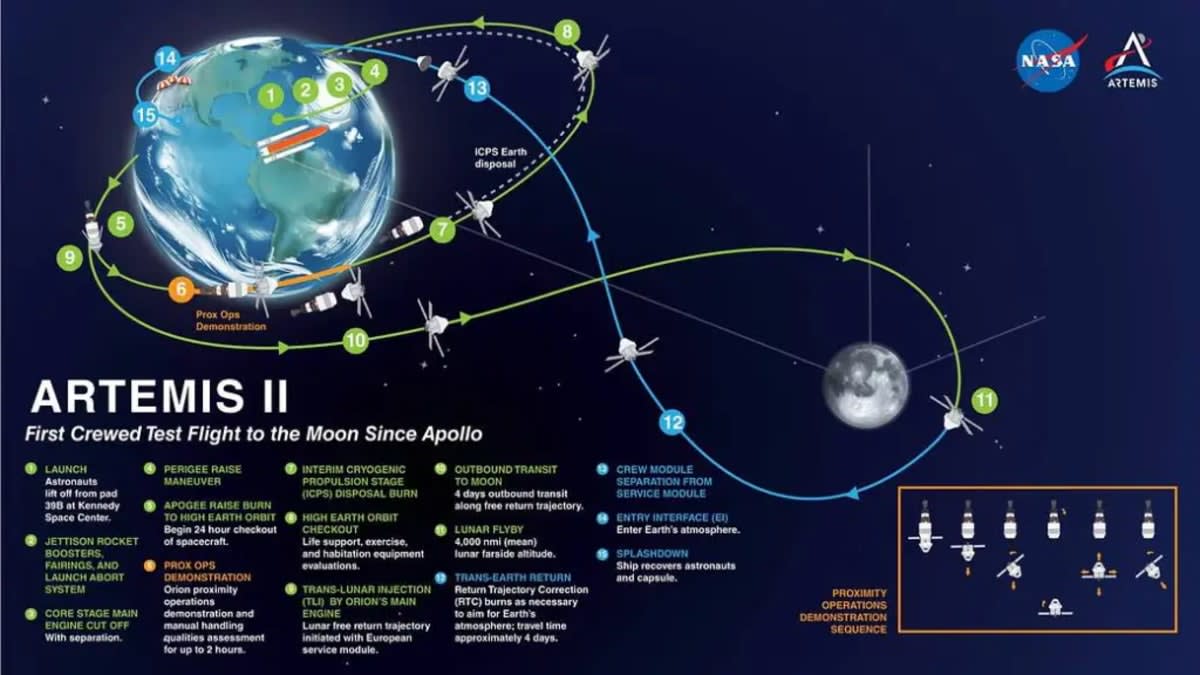
Bone marrow cells collected from the four astronauts of the Artemis II mission will go on a 10-day trip around the Moon. Sequestered on a chip, the cells will be exposed to microgravity and space radiation, shedding light on how they behave and change themselves in the harsh environment of deep space. This could help gain new insights into human biology and diseases, accelerating innovations in personalized medicine. The experiment has been designated AVATAR, which is short for A Virtual Astronaut Tissue Analog Response.
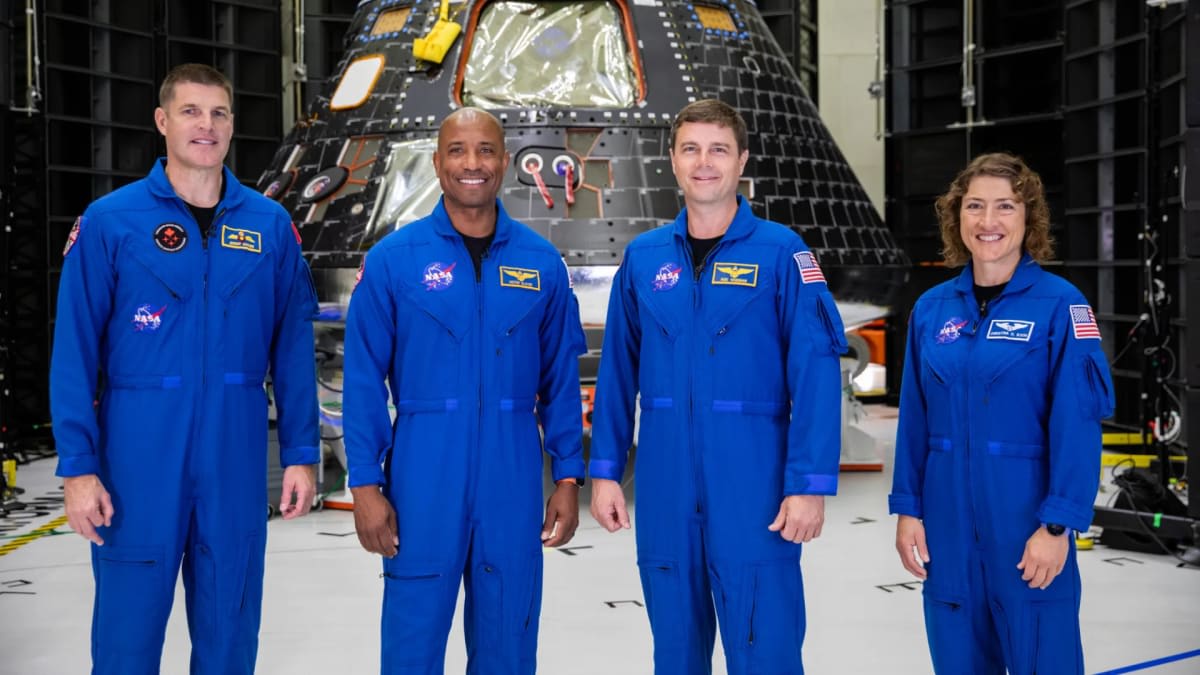
Humans evolved on a warm planet, protected by a veil of atmosphere and a magnetic field that deflects most cosmic rays away. Except for the protected milieu of the International Space Station, which has also seen loss of bone density in astronauts, we don’t know much about how microgravity and space radiation affect us. To better understand this, NASA scientists chose cells from bone marrow that creates red and white blood cells. The red ones ferry oxygen to all cells throughout the body, and the white ones patrol the bloodstream to keep germs at bay.

Roughly the size of a USB thumb drive, organ chips can hold living human cells that are grown to mimic the structures and functions of specific parts of the human brain, lungs, heart, pancreas, and liver. These miniature organ-like cellular entities can beat like a heart, breathe like a lung, or metabolize like a liver. On Earth, such chips have been able to keep human cells healthy for 30 days. But NASA wants to stretch the boundary and time. They want to examine how space radiation and microgravity shape these cells on a long-distance cosmic voyage.
“AVATAR is NASA’s visionary tissue chip experiment that will revolutionize the very way we will do science, medicine, and human multi-planetary exploration,” said Dr. Nicky Fox, Associate Administrator at NASA Science Mission Directorate, in a statement. “Each tissue chip is a tiny sample uniquely created so that we can examine how the effects of deep space act on each human explorer before we go to ensure we pack the appropriate medical supplies tailored to each individual’s needs as we travel back to the Moon, and onward to Mars.”
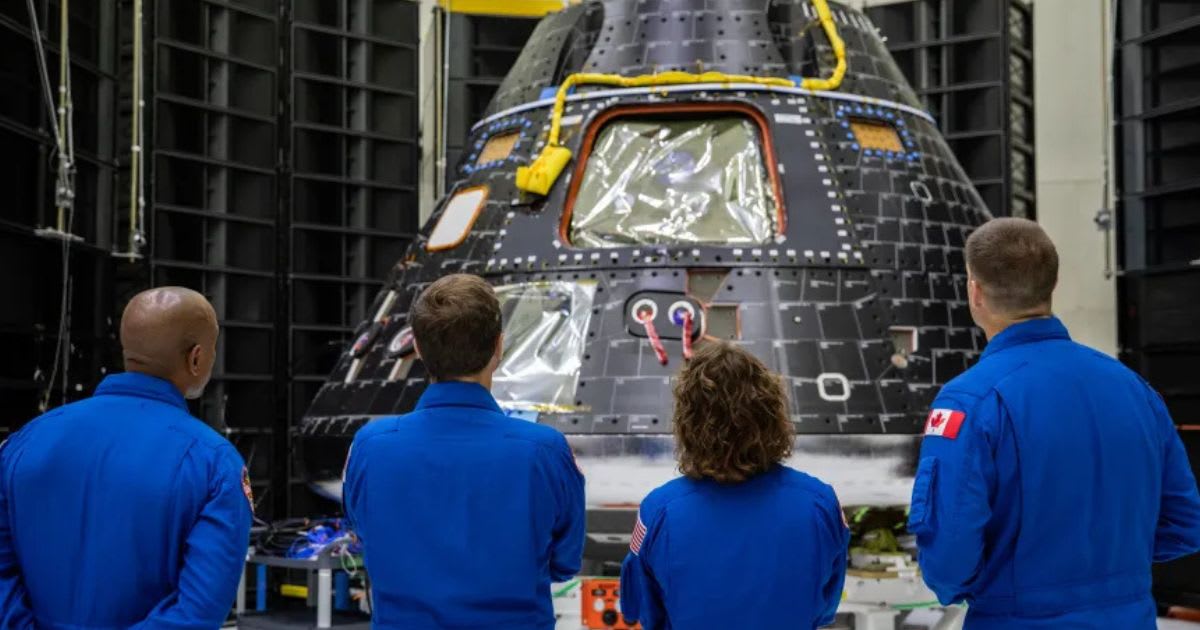
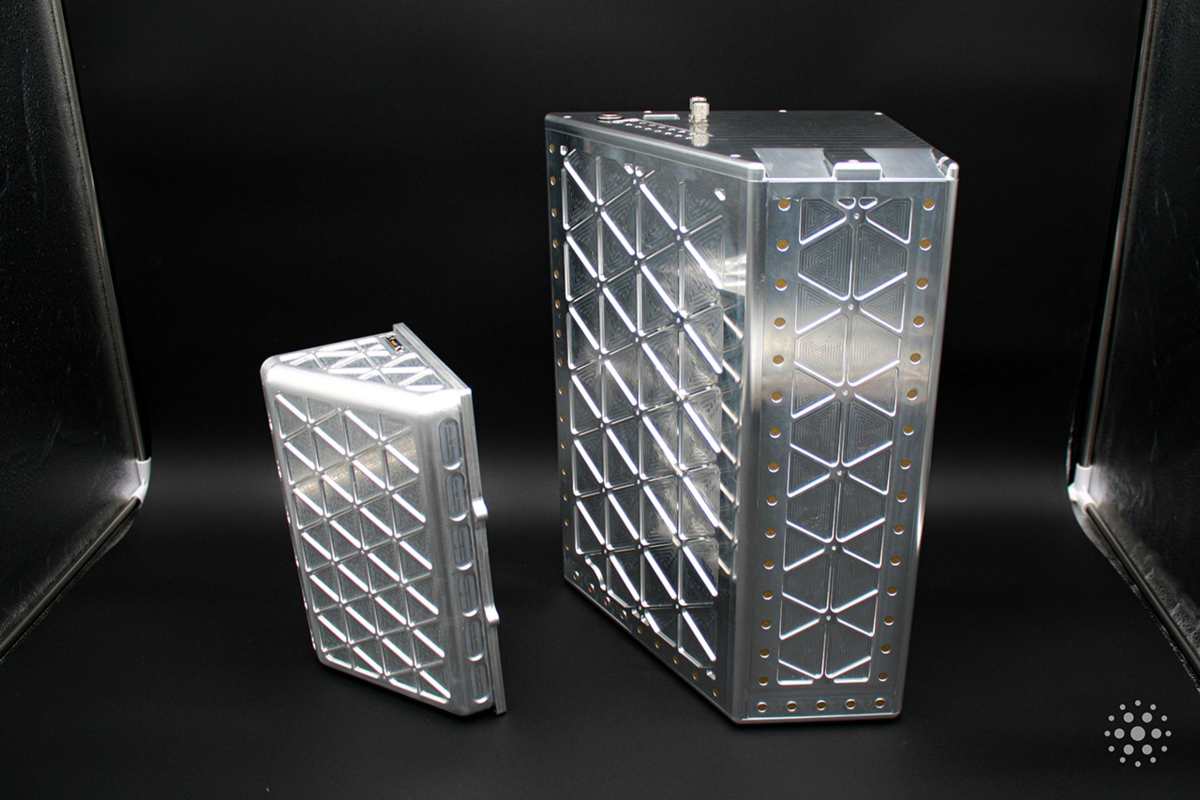
The development of chips began with the Artemis II crew donating their platelets to a local healthcare system. The cells in the samples that had a small percentage of stem and progenitor cells derived from bone marrow were purified by NASA-funded scientists at Emulate, Inc., using specific magnetic beads. These purified cells were then placed in the bone marrow chips, the technology of which was also developed by Emulate, next to blood vessels and other cells to imitate the structure and function of the bone marrow. During the mission, the organ chips will be housed in a battery-powered custom payload developed by Space Tango in the Orion capsule. The payload itself will be responsible for automated environmental control and media delivery to the organ chips.
On their return to Earth, the space-faring bone marrow tissues will be subjected to rigorous tests that include single-cell RNA sequencing, a powerful technique to measure gene expression in individual cells. Then the scientists will compare data from the flight samples to those of the crews’ cells studied in a ground-based lab, providing novel insights into the effects of spaceflight and space radiation on the developing blood cells. “For NASA, organ chips could provide vital data for protecting astronaut health on deep space missions,” said Lisa Carnell, the director of NASA’s Biological and Physical Sciences division at NASA Headquarters.“As we go farther and stay longer in space, the crew will have only limited access to on-site clinical healthcare. Therefore, it’ll be critical to understand if there are unique and specific healthcare needs of each astronaut, so that we can send the right supplies with them on future missions.”
More on Starlust
Artemis II's free return trajectory: What it is and how it will protect the astronauts
NASA's Artemis II mission: Why the four astronauts won't land on the Moon