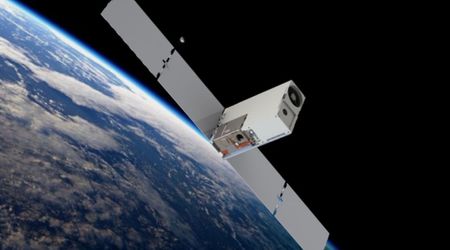
SPHEREx images show a marked difference in 3I/ATLAS' activity before and after perihelion
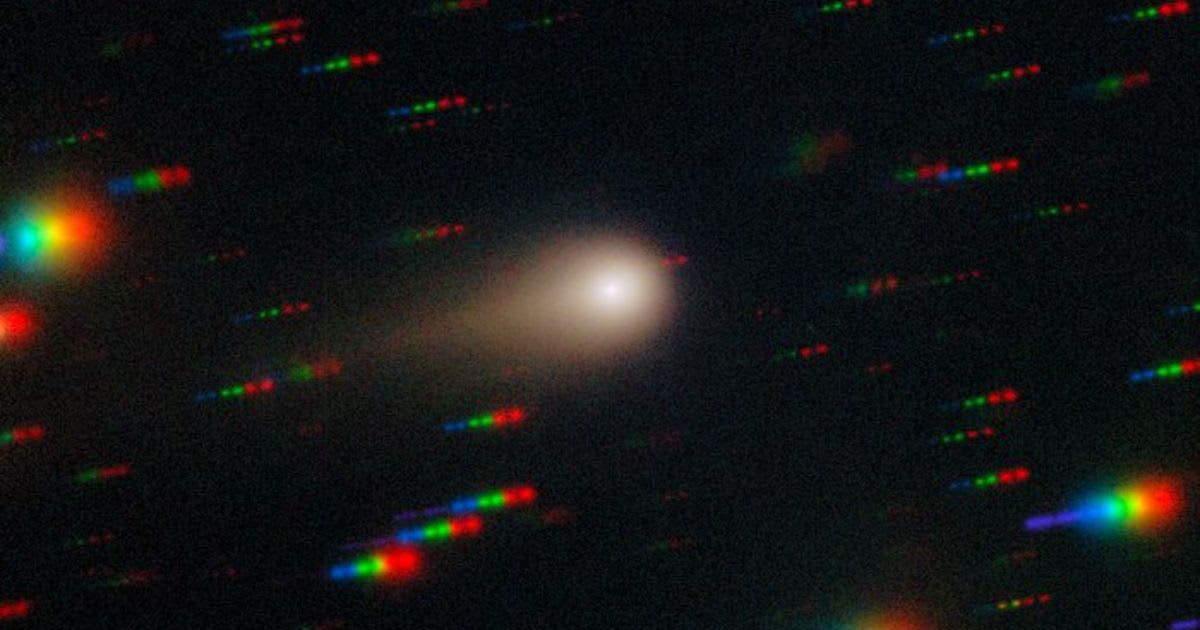
After its closest approach to Earth, the interstellar comet 3I/ATLAS is leaving the inner solar system. But it still continues to be an object of interest. Observations made by the SPHEREx observatory in December have been reported in a paper on arXiv, and analysis of the images captured by the telescope reveals some dramatic differences from the ones taken before the comet reached perihelion, the closest position to the Sun.
Discovered in July 2025, the comet reached its closest position to the Sun by late October. By August 2025, the comet was getting closer to the Sun when SPHEREx first analyzed data from it. At the time, the stony straggler was zipping through space between Jupiter and Mars. The analysis revealed extremely small traces of water along with a carbon dioxide coma. It was producing copious amounts of carbon dioxide molecules per second, but a lower number of carbon monoxide molecules, with no traces of organic compounds like methanol, methane, and formaldehyde.
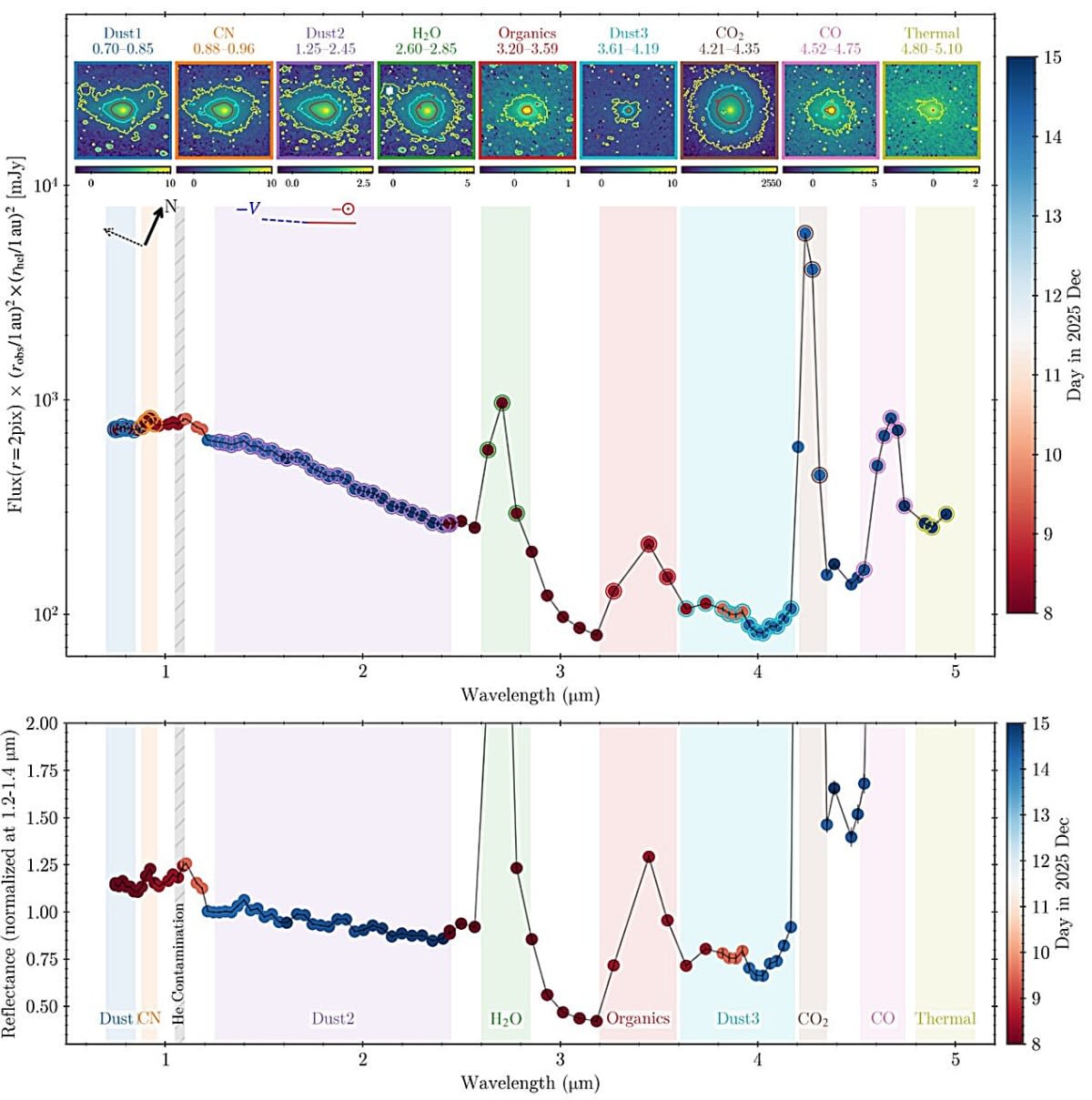
However, the comet turned out to be pretty active when it was speeding away from the Sun. Observations during this period showed a full ice sublimation in it. Strong emissions indicated the production of cyanide, carbon dioxide, and carbon monoxide gases. Emissions of carbon monoxide and water vapor rose by 20 times. The carbon dioxide was only about 33% larger than in August, which verifies that this species was fully active in August pre-perihelion. “The CO emitted flux has increased ~20x, meaning that the CO/CO₂ abundance ratio has also increased ~15-fold. Along with the greatly enhanced H₂O flux and new C-H species emission, this implies that a new ice reservoir is now active along with the one supporting the CO₂ coma," the study authors explained.
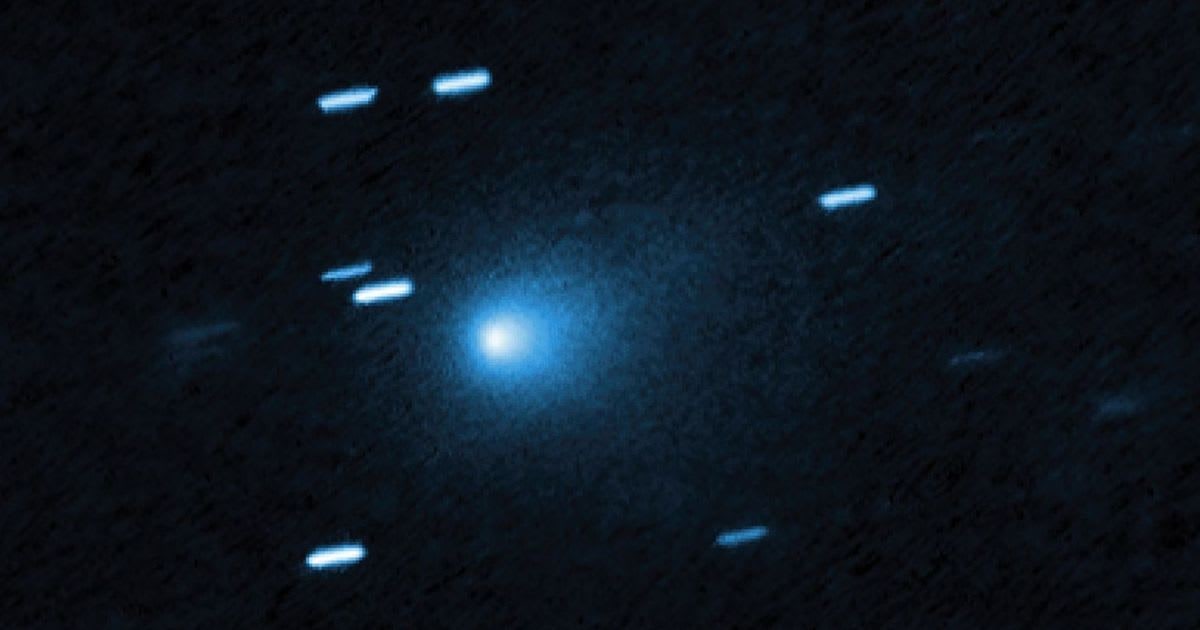
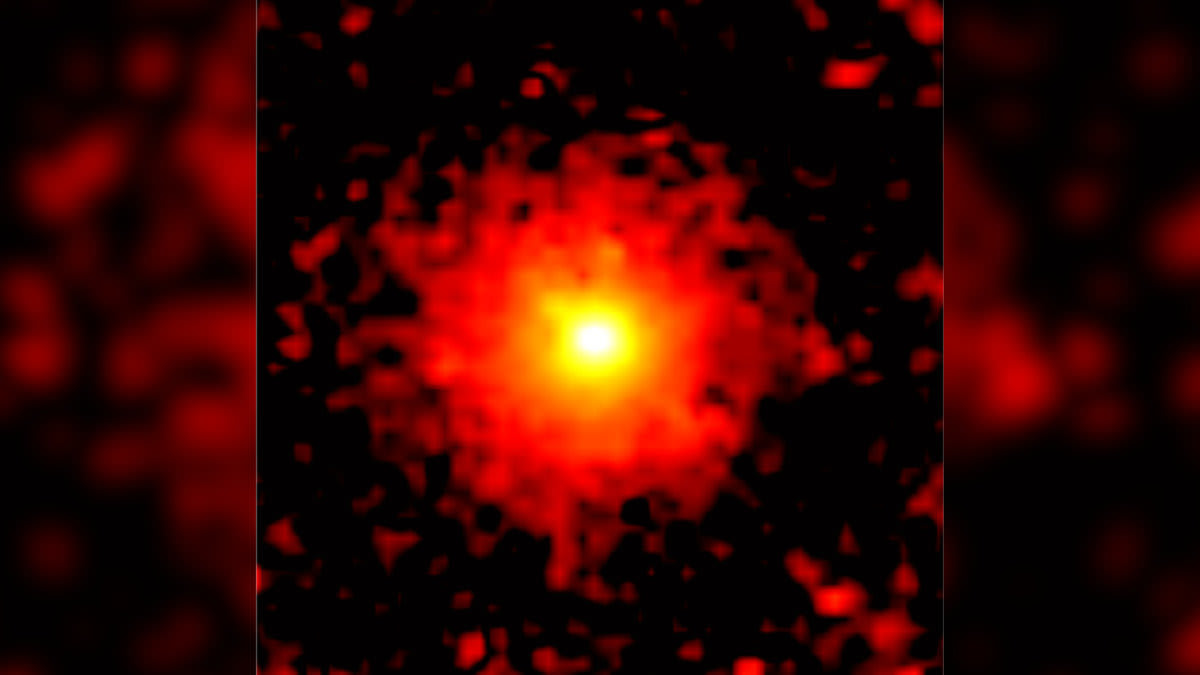
Imaging uncovered changes in the shape of 3I/ATLAS’s comae. All comae displayed a round shape except the ones made of cyanide and organic compounds. The dust comae and organics comae are pear-shaped, pointing sunward. According to the researchers, cyanide and organic species originate from the dust, and carbon dioxide and carbon monoxide come from a region near the comet’s nucleus. Changes seen in the comet reflect the change in temperature. As it travelled through the solar system’s region where the temperature is very low, volatile compounds such as water, ammonia, methane, carbon dioxide, and carbon monoxide condensed into solid grains. The reverse happened when the comet approached the Sun, resulting in sublimation.

"This change from pre-perihelion observations makes sense because, in August 2025, 3I's behavior was dominated by large icy dust grain emission, with the icy grains too cold to sublimate anything more volatile than CO₂ fully," the researchers wrote. According to the researchers, the composition of 3I/ATLAS resembles that of typical solar system comets. These similarities between interstellar and solar system comets suggest that similar processes form both. But detailed pictures are likely to emerge before April 2026, when the next SPHEREx survey will start.
More on Starlust
3I/ATLAS: Where is the interstellar comet headed next after skimming past Earth?
Comet C/2025 R3 (PanSTARRS) may become the brightest comet of 2026