
Biplab Das
A science journalist and writer who has been writing since 1997 on a wide range of science and technology topics. Worked with print, audio, audio-visual and online media. Over the years, he honed his skills to tell stories of how we and other living organisms emerged on earth and our and their place in cosmos.
He is elated to get the opportunity to write for ‘Starlust’. He hopes that it will give him scope to know, explore and portray space and its unending mystery more intimately.
He is an avid reader. His favorite subjects are origin of the universe, big bang, black holes, evolution and films. The books by Carl Sagan, Paul Davies, and Lee Smolin fuel his interest in space further.
His stories appeared in online magazines of Springer Nature, UK, Australian magazine ‘Cosmos’, US-based ‘Chemical & Engineering News’, London-based ‘SciDev.Net’, and India-based ‘Down To Earth’, ‘The Telegraph’, and ‘The Statesman’. He wrote scripts for science documentary films for CSIR, New Delhi, and science radio talks for ‘All India Radio’, Kolkata and did research work for an audio-visual series on zero-waste for Mumbai-based ‘Times Television Network’.
Latest From Biplab Das
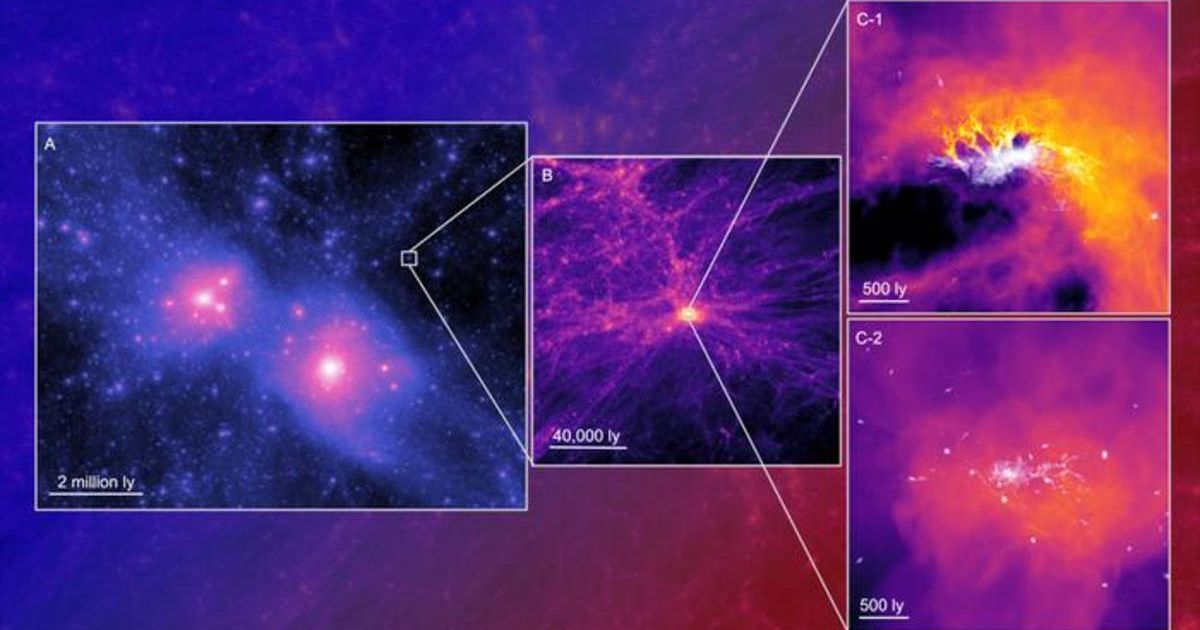
Tiny satellite galaxies orbiting the Milky Way could reveal the 'climate' of the early universe
The properties of faint dwarf galaxies around the Milky Way can reveal a lot about the conditions of the early universe, the same way crop yields can tell a lot about spring weather.
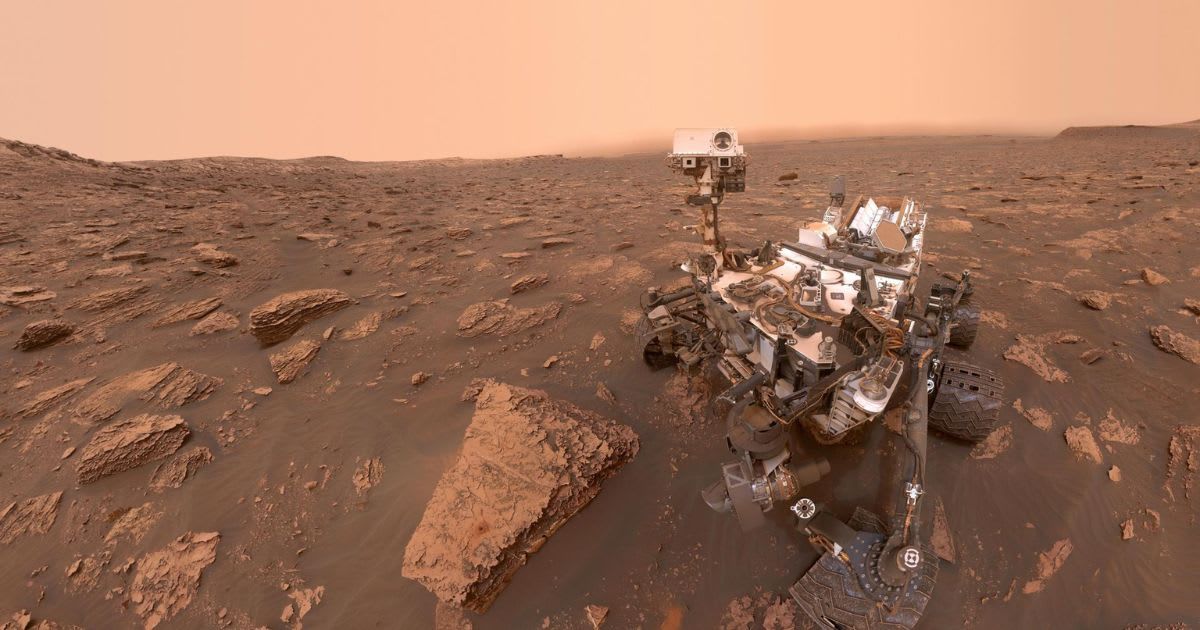
Ancient metal-rich Martian lake could power future human industries on Mars
The metal deposits date back to a time when Mars' climate was changing from wet to dry
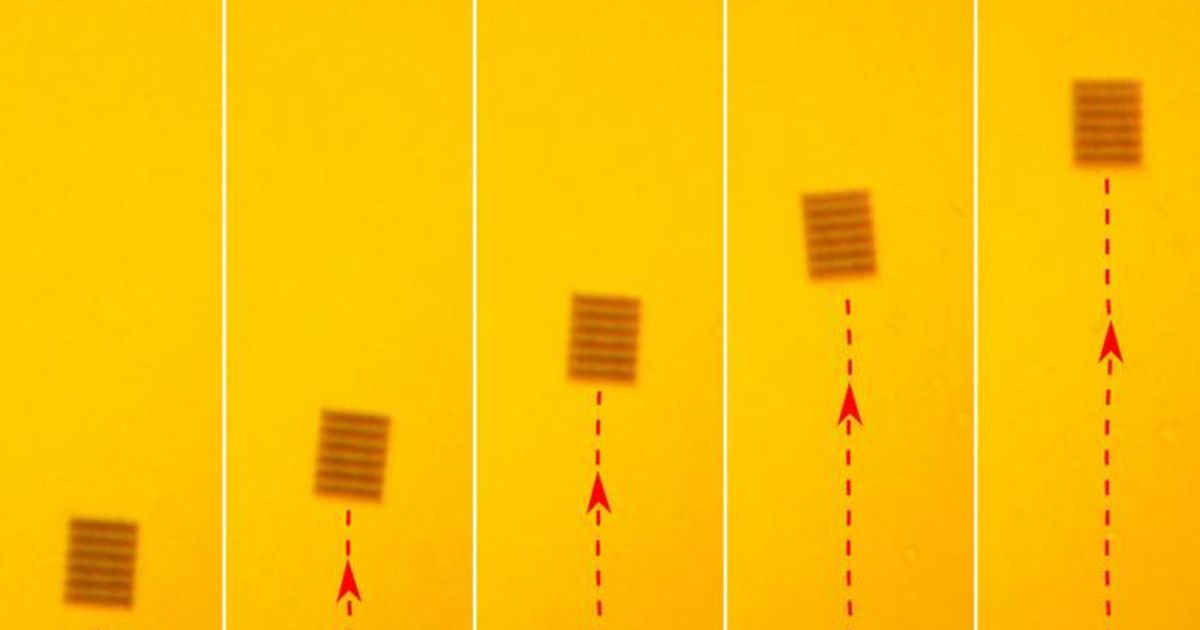
Humans can reach Alpha Centauri within lifetime by boarding a light-powered spacecraft
New laser-assisted technique may one day replace fuel-driven rocket propulsion
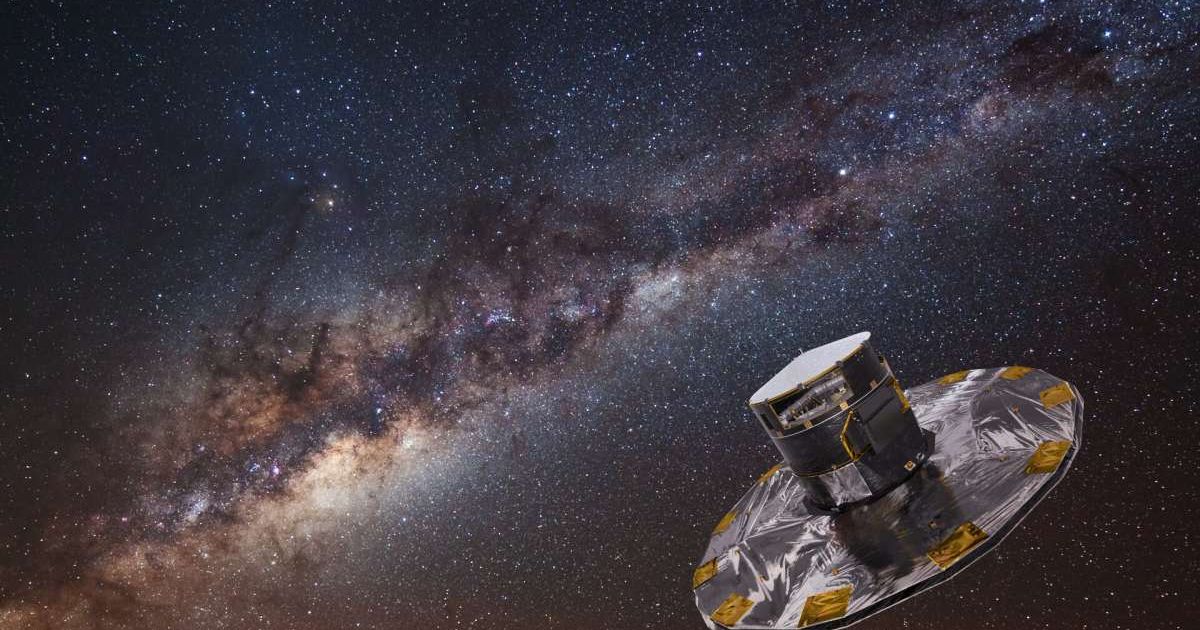
Scientists may have finally found where stars stop forming in the Milky Way's disc
The older stars migrated out from the galactic center, leaving the younger ones inside.
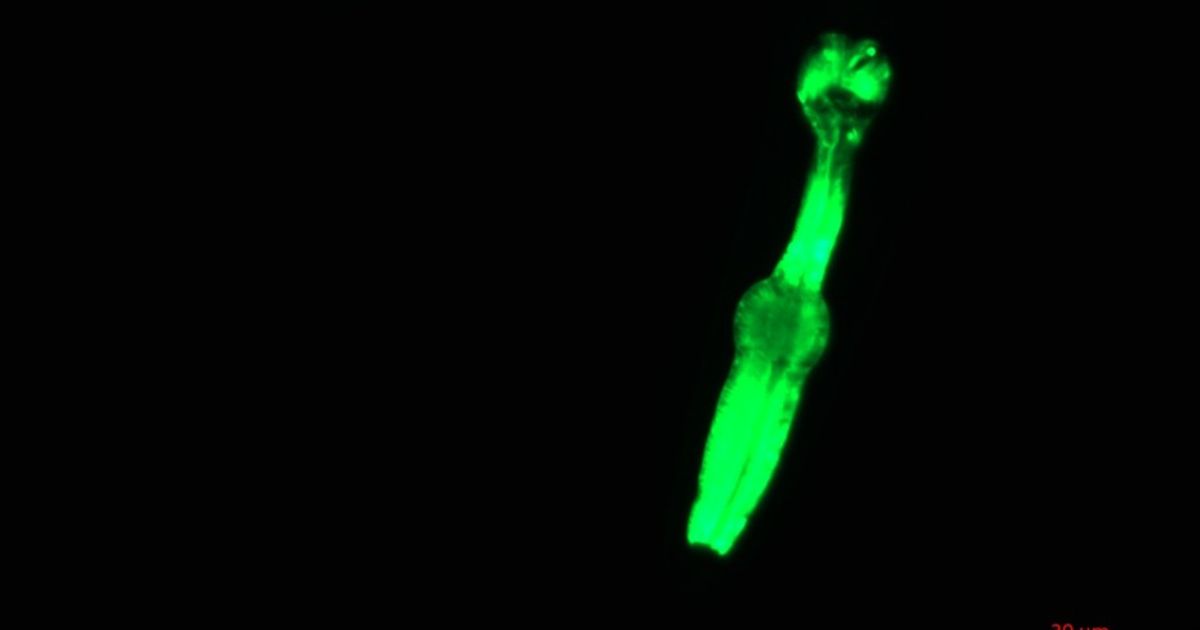
Scientists send microscopic worms to space to aid future Moon missions
A boxful of soil-living worms was sent to the International Space Station to assess the dangers.
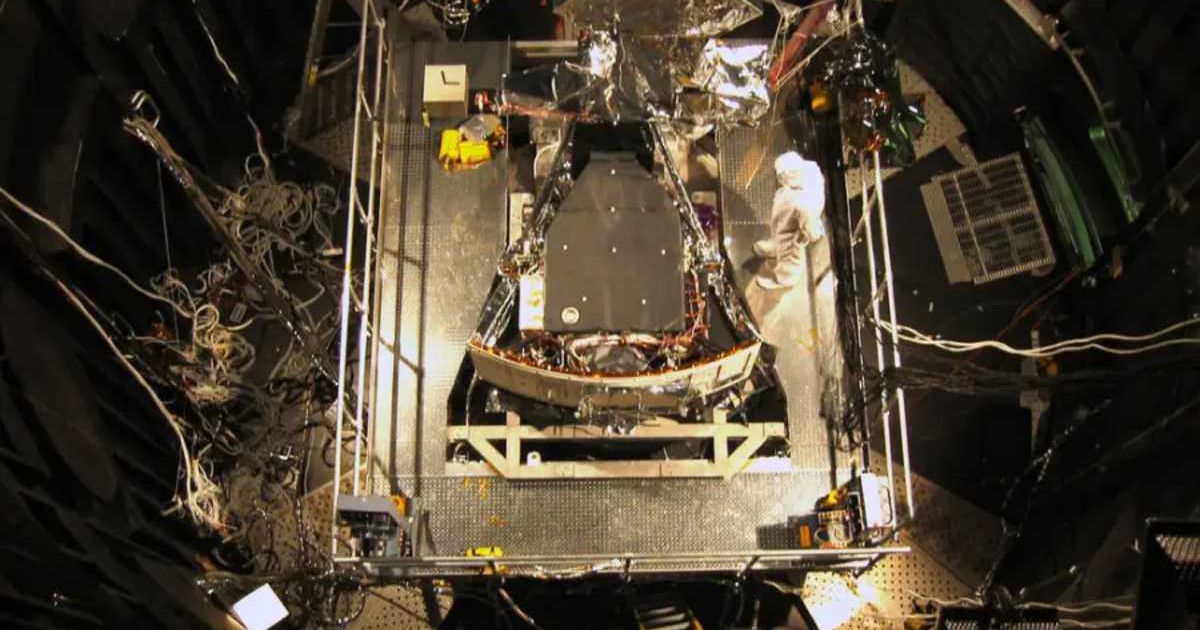
Resilient fungus found on NASA spacecraft could survive trip to Mars. Here's why it surprises scientists.
It can also make leather-like materials and building blocks for a Martian house.
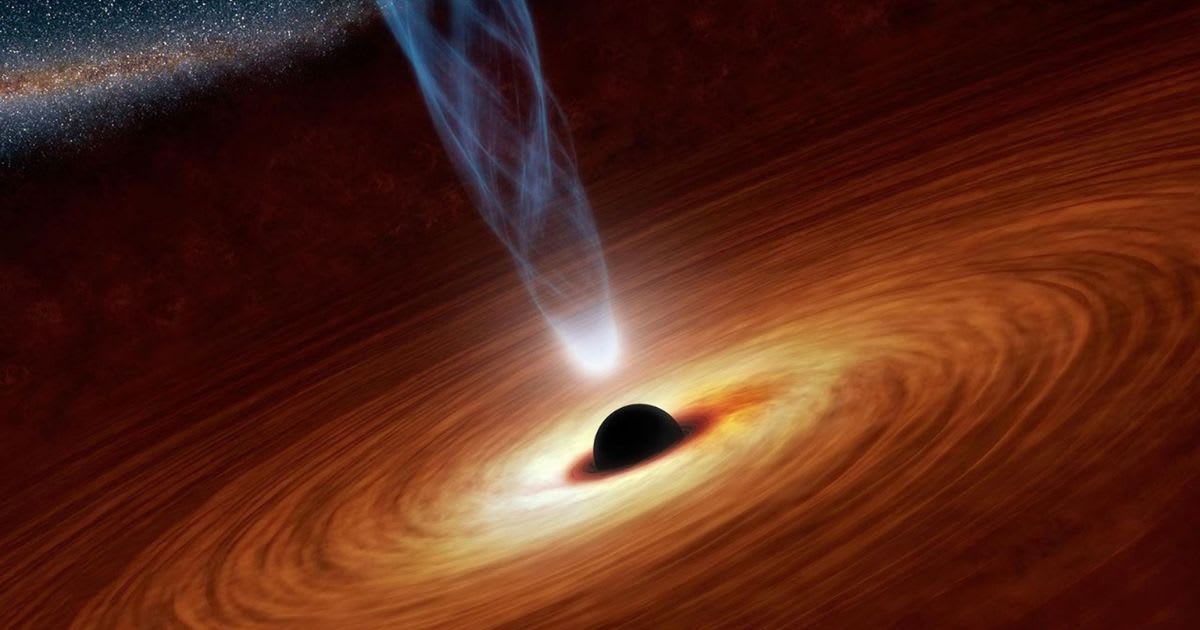
Scientists find evidence a supermassive black hole existed long before the galaxy around it took shape
The black hole formed when the universe was only 700 million years old.
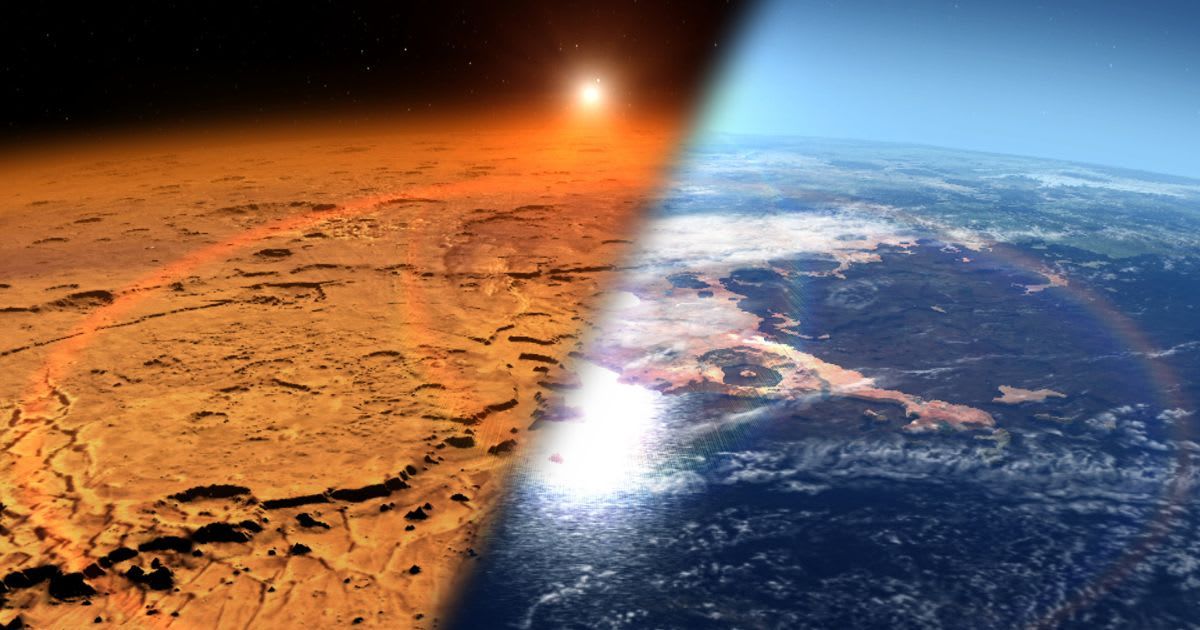
Scientists identify a 'bathtub ring' on Mars, hinting at a long-lost ocean on the Red Planet
The ancient ocean on Mars probably occupied a third of its surface.
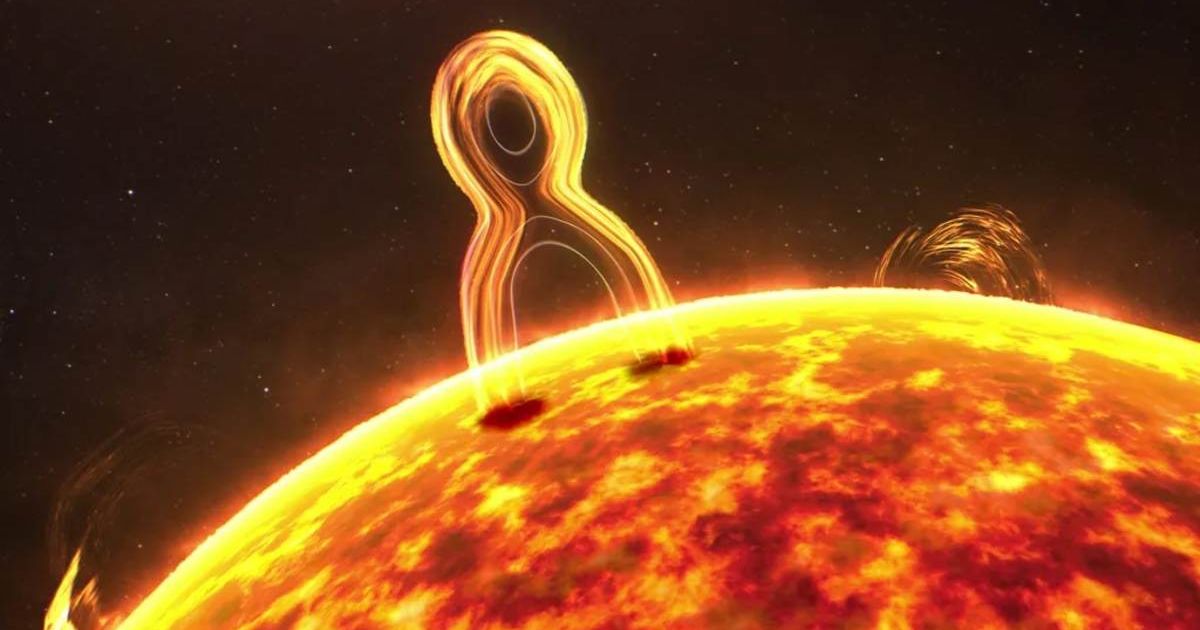
NASA's Parker Solar Probe makes surprising revelation about mechanism behind solar storms
Parker Solar Probe has uncovered new details about how magnetic reconnection on the Sun flings charged particles at insane speeds.
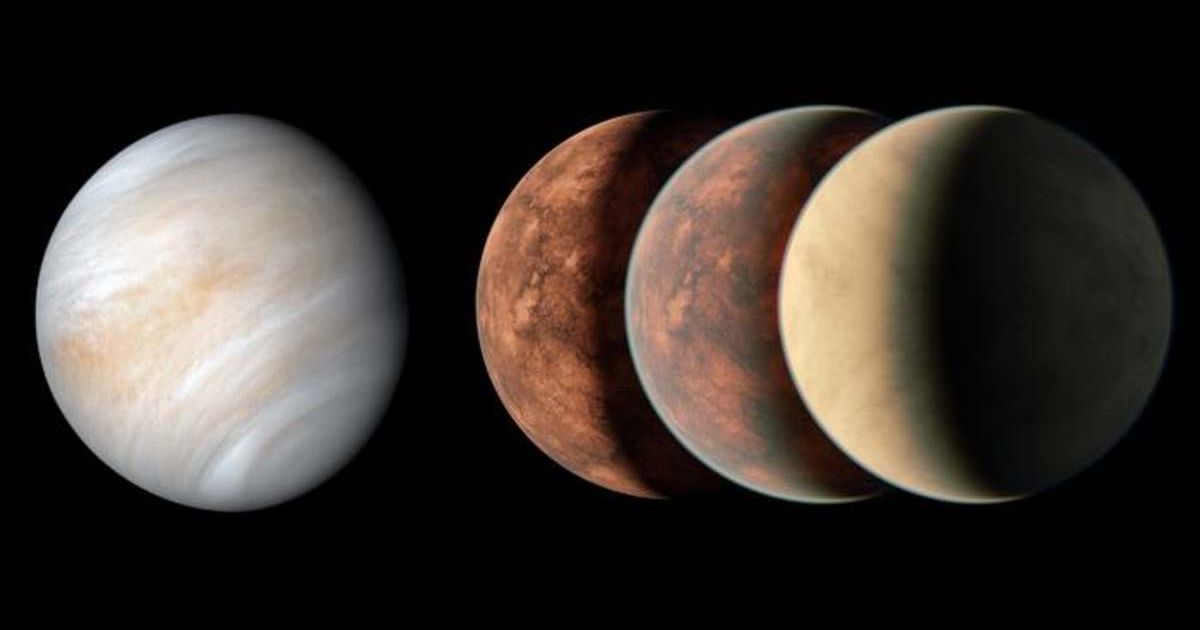
How much water does an Earth-like planet need to harbor life? A new study has the answer
Maintaining liquid surface water is one of the preconditions that a planet has to meet in order to support life as we know it.
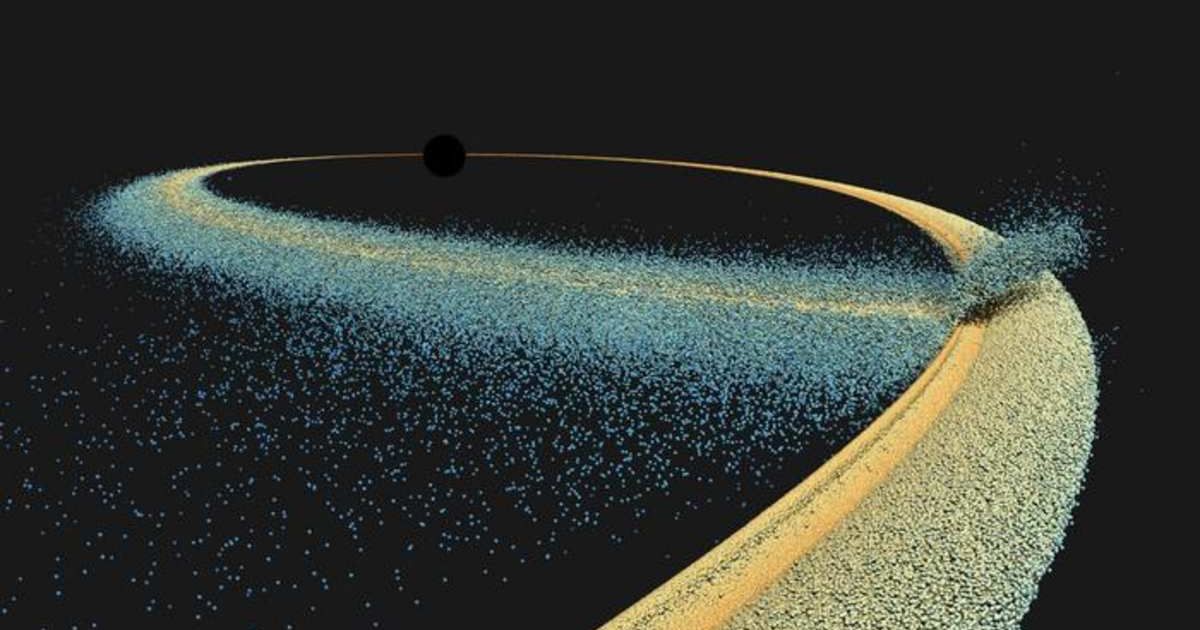
A new simulation shows what happens when a supermassive black hole tears a star apart
A supermassive black hole feeding on a star is accompanied by intense radiation that can briefly outshine the galaxy where the event is taking place.
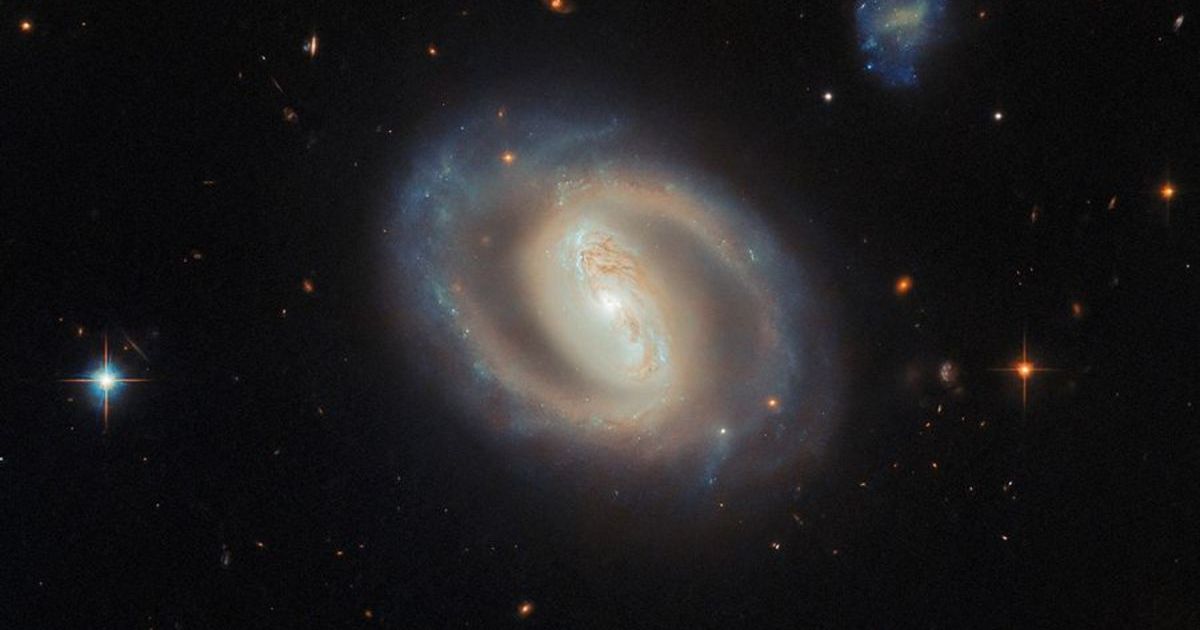
NASA's Hubble provides spectacular views of a barred spiral galaxy 380 million light-years away
The spiral galaxy may look calm, but it is a rather dynamic system characterized by stellar evolution, among other things.
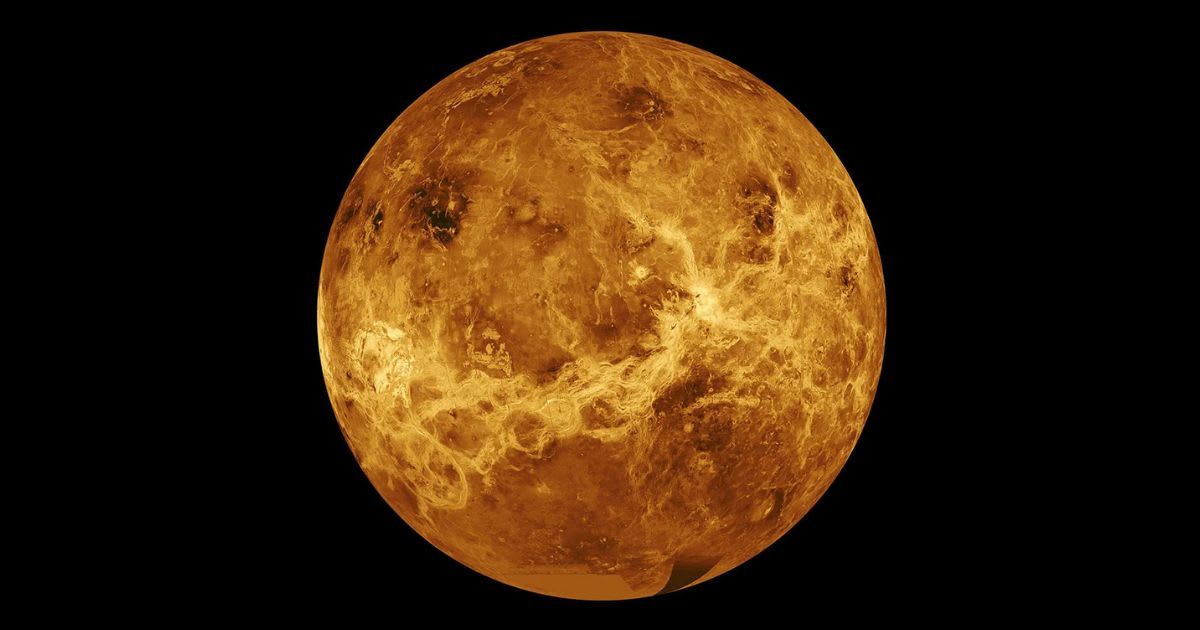
What creates Venus' mysterious lower haze? Astronomers may finally have the answer
Scientists have long been puzzled by the haze that hangs low above Venus' surface.
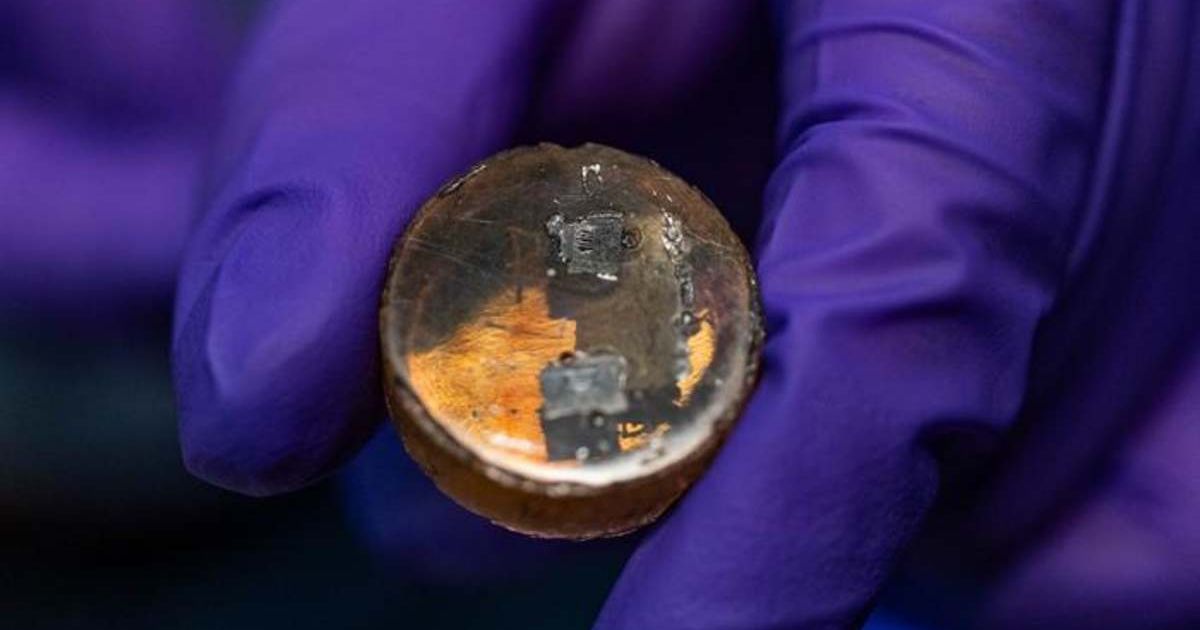
Century-old meteorite from Azerbaijan reveals new clues about Mercury
A piece of rock from the meteorite reveals that this planet has sulfur-rich compounds.
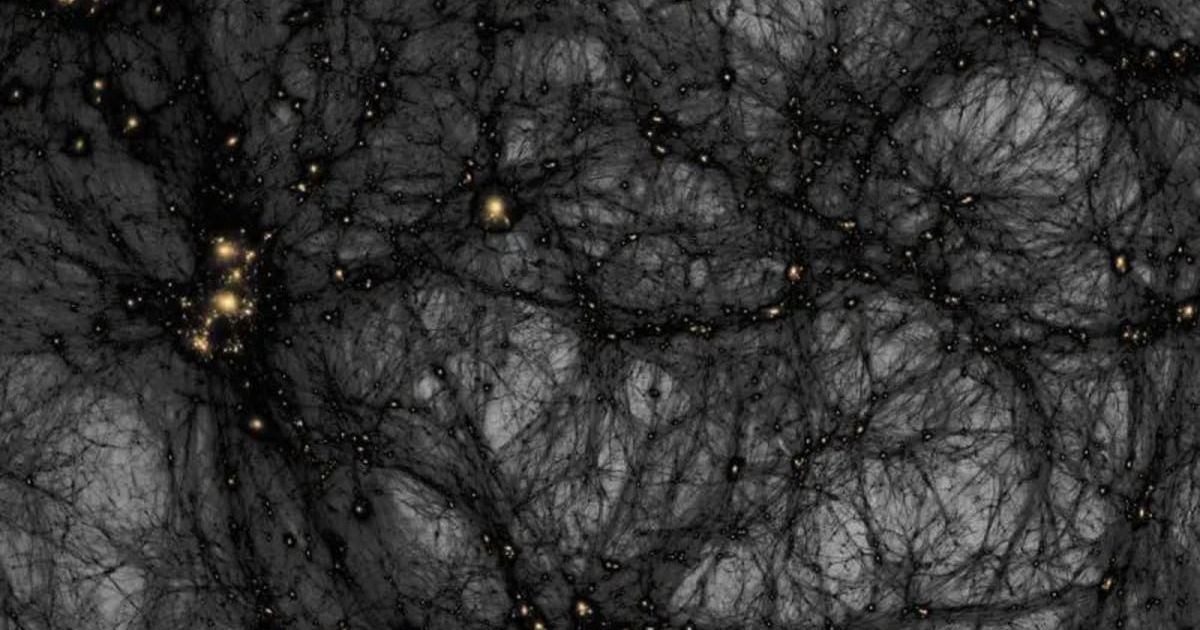
Clumps of apparently 'collisionless' dark matter may explain certain cosmic puzzles
Dark matter has been thought to be cold and collisionless, meaning its particles don't interact with each other. The new study, however, challenges this assumption.
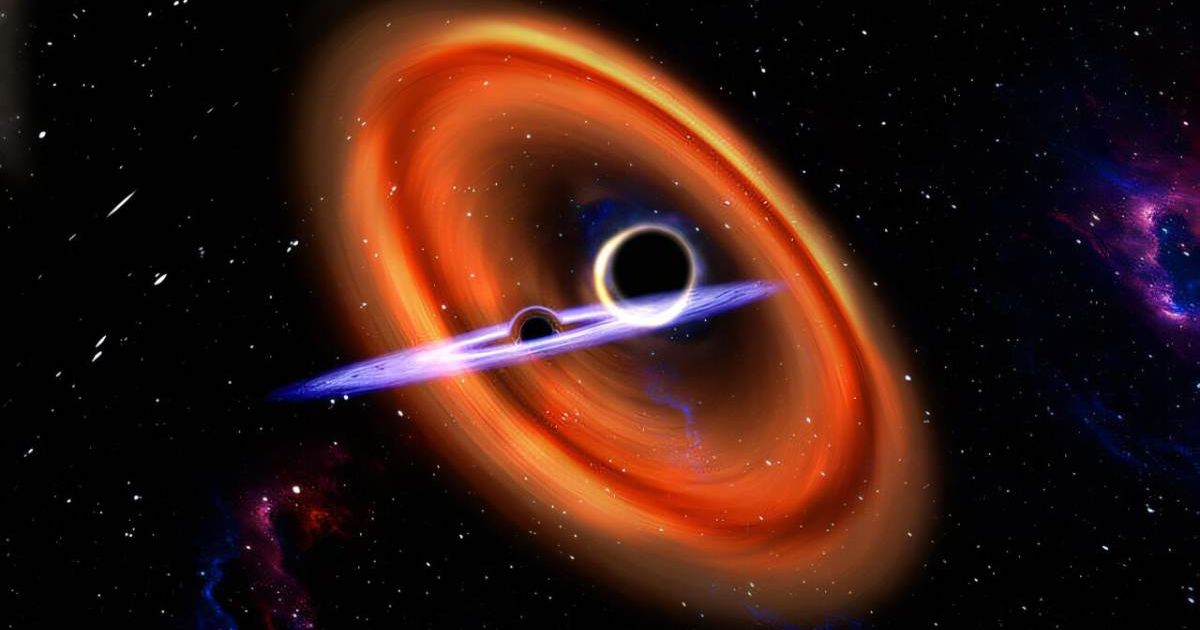
Scientists discover three types of binary black hole mergers in the universe—here's what they are
The majority of the merging black holes are around 10 solar masses.
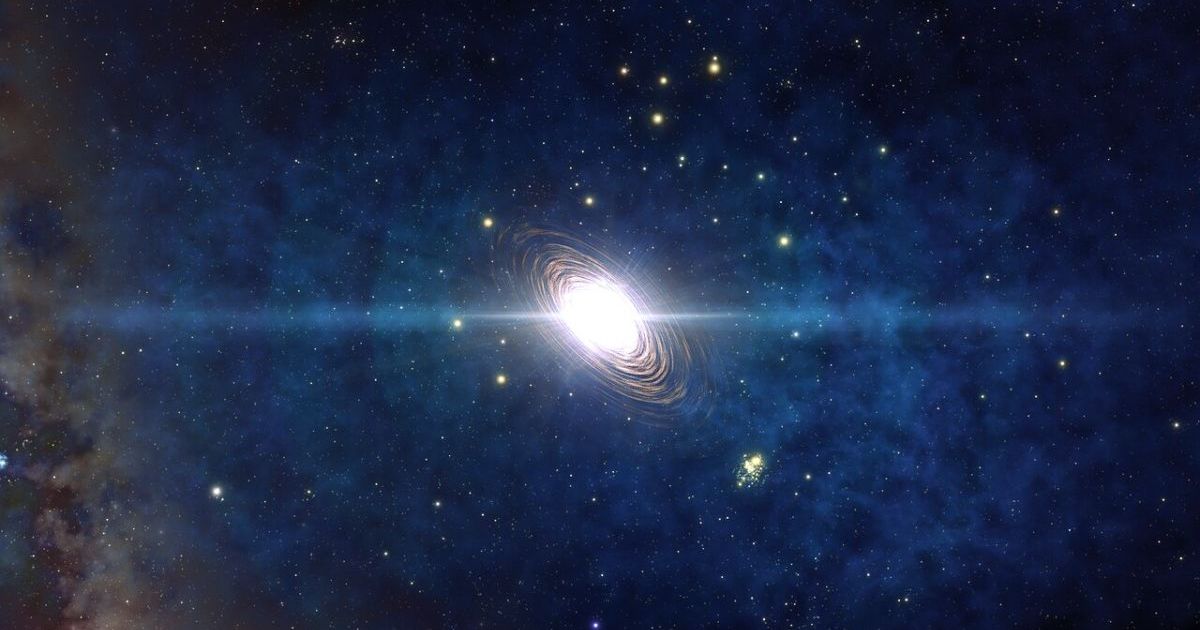
Thanks to the James Webb Telescope, we may have finally found evidence of the universe's first stars
Known as Population III stars, they are made of almost pure hydrogen and helium.
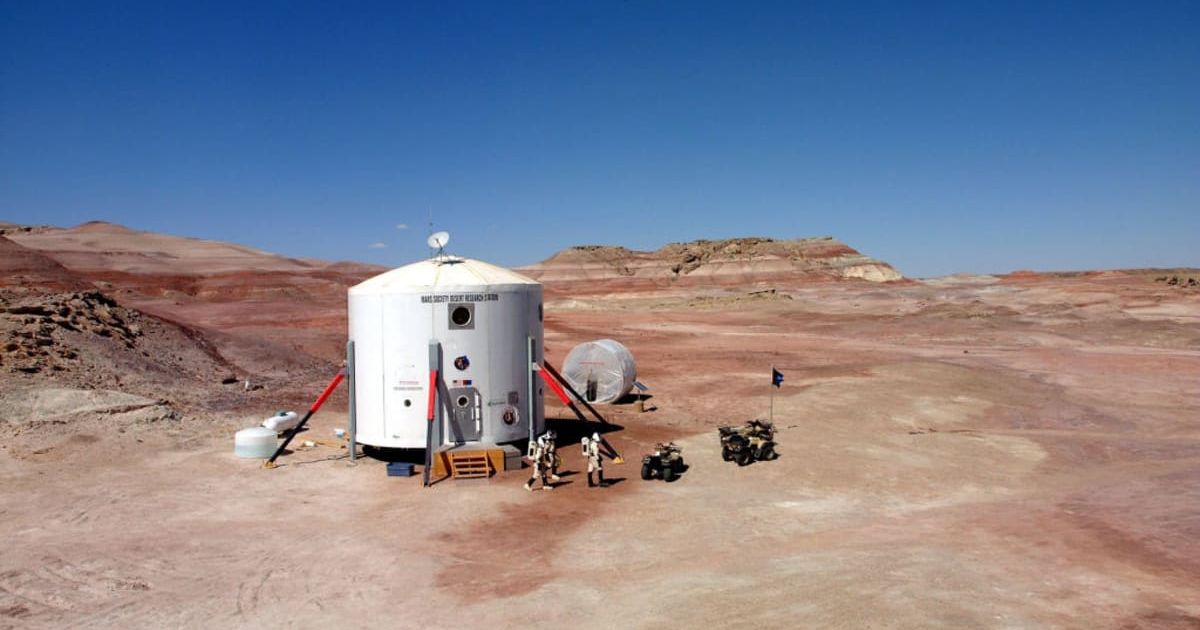
Can we really terraform Mars? New study outlines a plan and the challenges
It suggests building special greenhouses, big light-reflecting mirrors and heat-trapping aerosols.
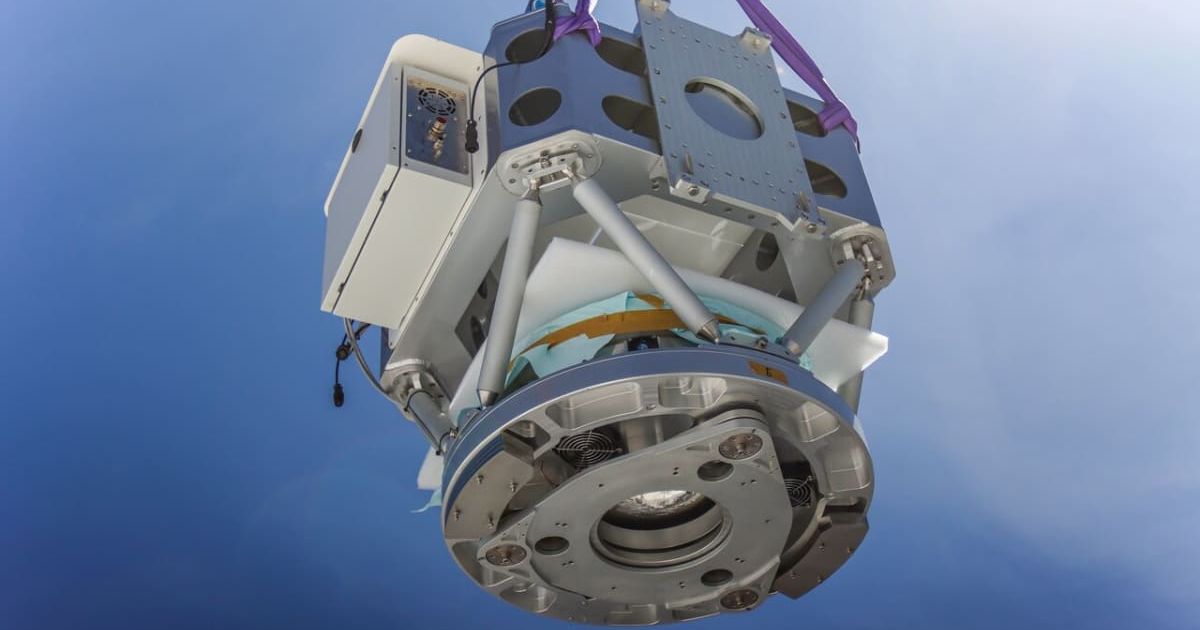
New solar telescope uses sunspots to help detect distant exoplanets
It will be aided by a device on ESO's Very Large Telescope to hunt down exoplanets around the stars.
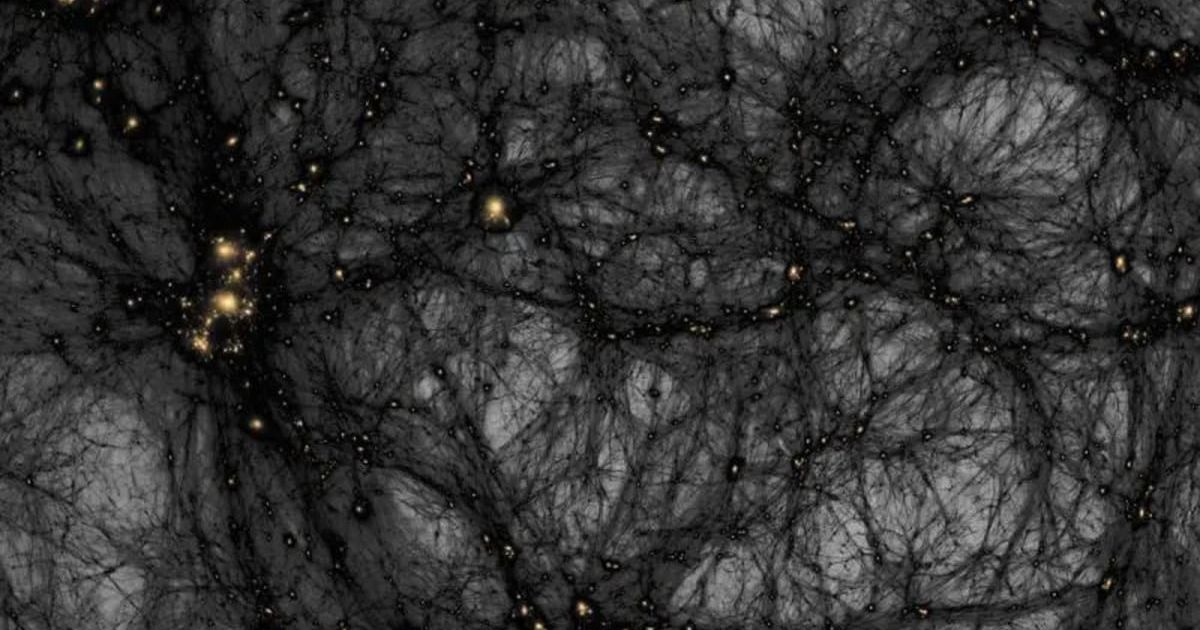
Dark matter may not be just one state—new study proposes two versions
Its ratio differs from the Milky Way to dwarf galaxies.