Here's how the Artemis II astronauts prepared for their historic trip around the Moon
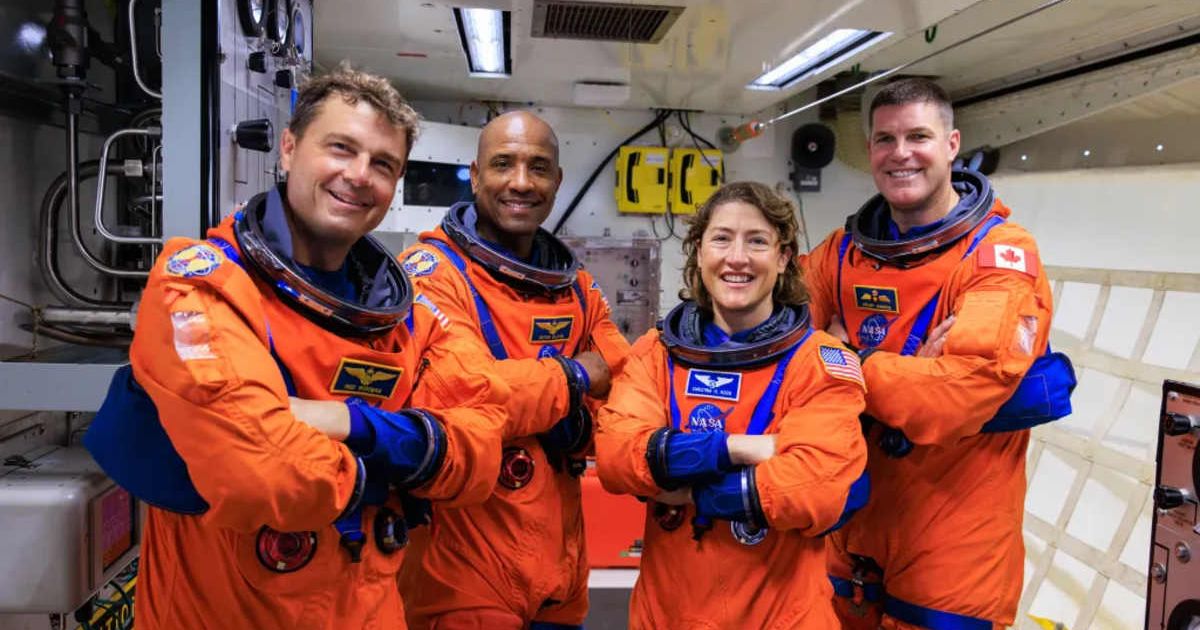
The four astronauts of the Artemis II mission started preparing for their journey in 2023.
PUBLISHED 2 HOURS AGO
Artemis II crew members Reid Wiseman, Victor Glover, Christina Koch, and Jeremy Hansen stand in the white room on the crew access arm of the mobile launcher at Launch Pad 39B. (Cover Image Source: NASA/Frank Michaux)

The Artemis II crew, comprising NASA's Reid Wiseman, Victor Glover, Christina Koch, and CSA (Canadian Space Agency) astronaut Jeremy Hansen, will soon leave Earth and fly around the Moon. As the towering SLS (Space Launch System) rocket and Orion spacecraft wait silently at Launch Pad 39B at the Kennedy Space Center, here's a look at what the astronauts learned during their training, which began in June 2023.
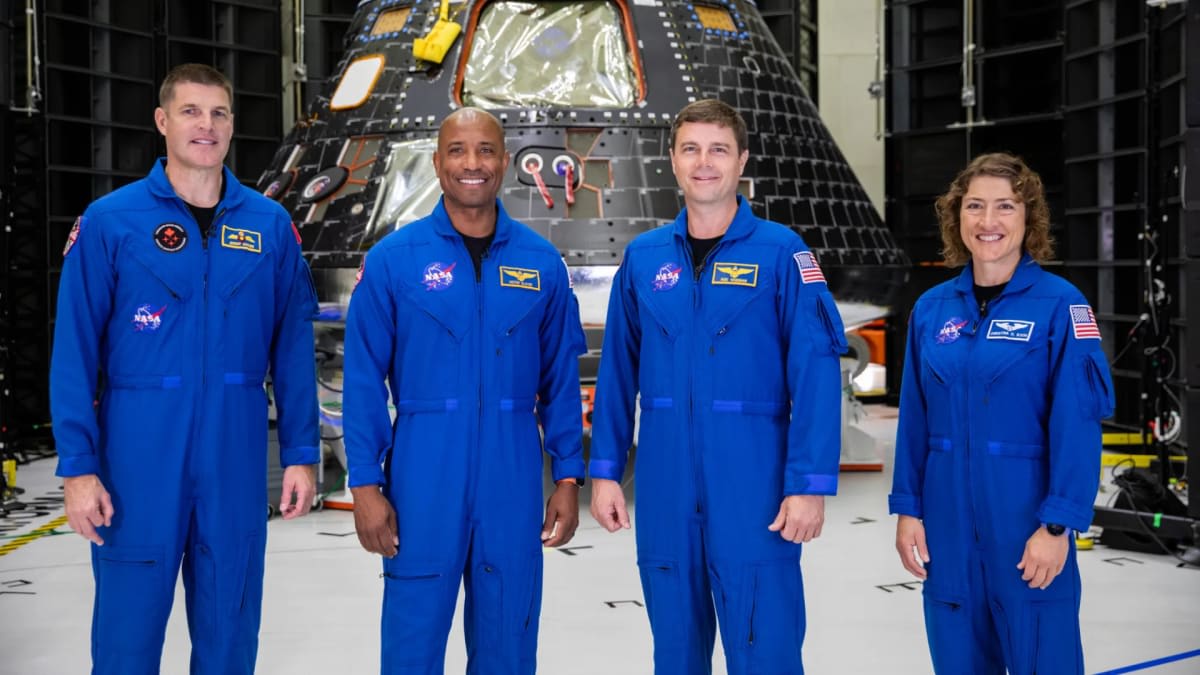
The Artemis II crew is shown inside the Neil Armstrong Operations and Checkout Building at NASA’s Kennedy Space Center in Florida in front of their Orion crew module. (Image Source: NASA | Photo by NASA/Kim Shiflett)

They studied the spacecraft systems, which consist of 300,000 components, well enough to deal with and adapt to unpredictable changes because the mission offers no option to be back on Earth within hours. “Training for Artemis II is all risk mitigation. By preparing the astronauts and flight controllers for what they might encounter, we enable mission success,” said Jacki Mahaffey, NASA’s Artemis II Chief Training Officer, in a statement

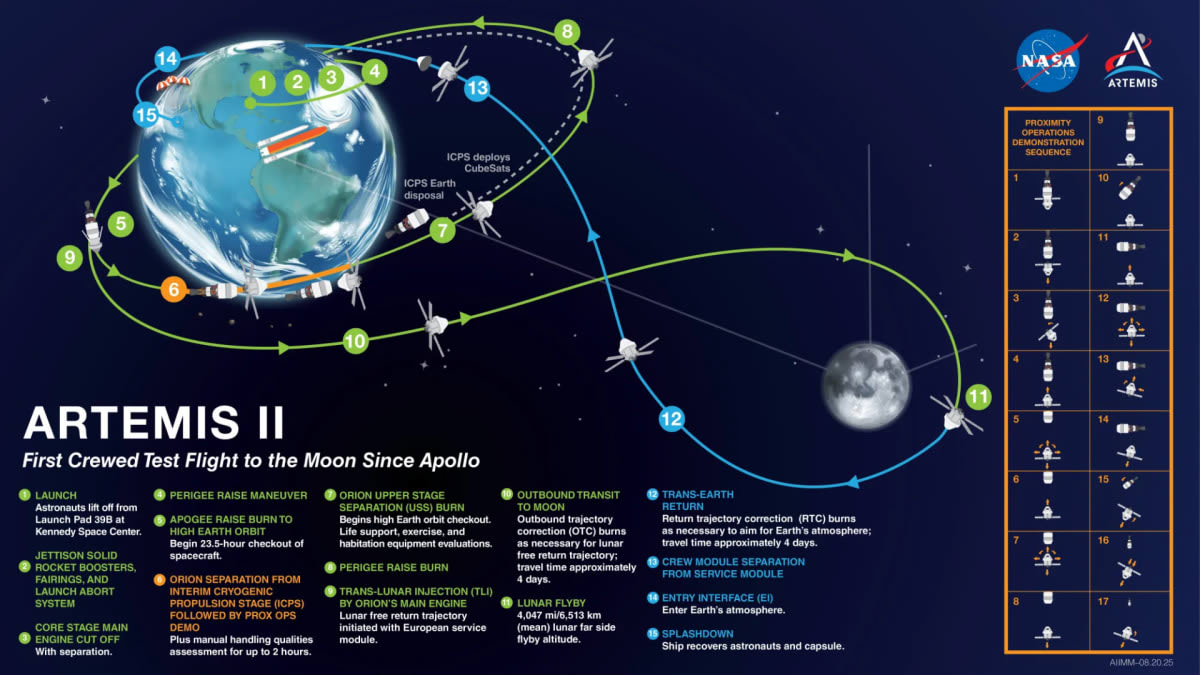
A flight map detailing the mission milestones to be achieved by Artemis II. (Image Source: NASA)

At the outset, experts at NASA trained the crews about how the Orion and SLS systems function individually and together. Gradually, they were informed about on-orbit operations to more complex parts of the mission, such as ascent, entry, and landing. Besides, they were familiarized with how to exercise to prevent bone loss, wear spacesuits, and perform onboard medical operations and other must-do activities of daily life in microgravity. 

Artemis II crew members Reid Wiseman and Christina Koch during T-38F flight training at Ellington Field. (Image Source: NASA/Josh Valcarcel)

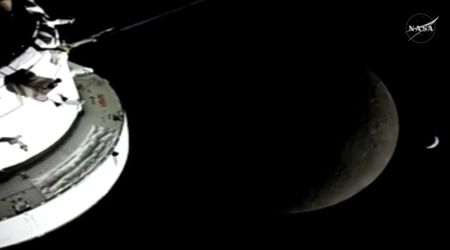
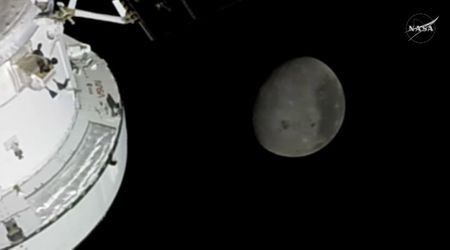
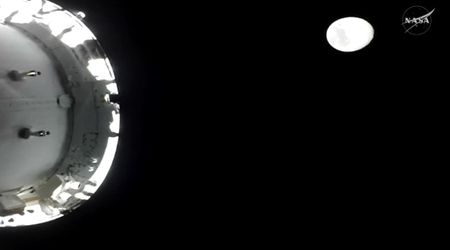
By the time the astronauts reach the farthest point of their trip, they will be nearly 250,000 miles away from Earth. From the crew’s location, the Moon will look like a basketball held at arm’s length, providing a unique opportunity to photograph it. For this, the training program included a session that taught the crews how to observe and capture images of its craters, surface color variations, and reflectivity.

A NASA spacecraft provides a new look at a place humans could only dream of seeing a few decades ago. (Image Source: NASA)

The astronauts also trained in T-38 jet aircraft at Johnson’s Ellington Field. This not only exposed them to great speeds but also increased their capacity for tolerating high workloads and dynamic flight conditions. Lessons learned in the training may prove to be useful when making decisions under pressure in spaceflight. At Johnson, the Orion Mission Simulator recreates Artemis II mission situations to teach astronauts how to detect failures and make decisions with delayed communication from Earth. Apart from this, they learned how to run onboard displays and do procedures that are required to fly and monitor the spacecraft. 
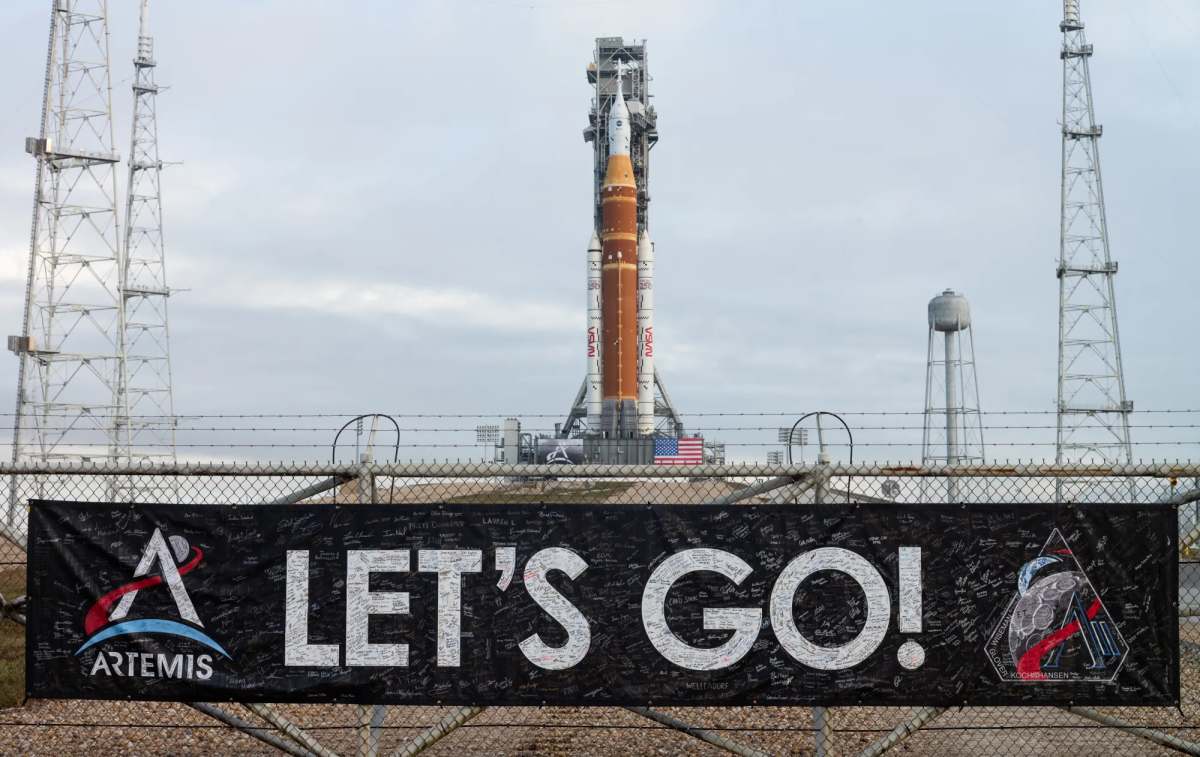
A banner covered with the signatures of NASA employees and contractors is seen on the perimeter fence of Launch Complex 39B with NASA’s Artemis II SLS rocket and Orion spacecraft in the background. (Cover Image Source: NASA/Joel Kowsky)

Although they will not land on the Moon, their spacecraft will fly between 4000 and 6000 miles above the lunar surface, allowing them to gather information about lunar craters and variations in color and reflectivity, as mentioned earlier. Besides poring over the basics of geology, the crews spent time on field trips on Earth to understand how to decode lunar geological features.
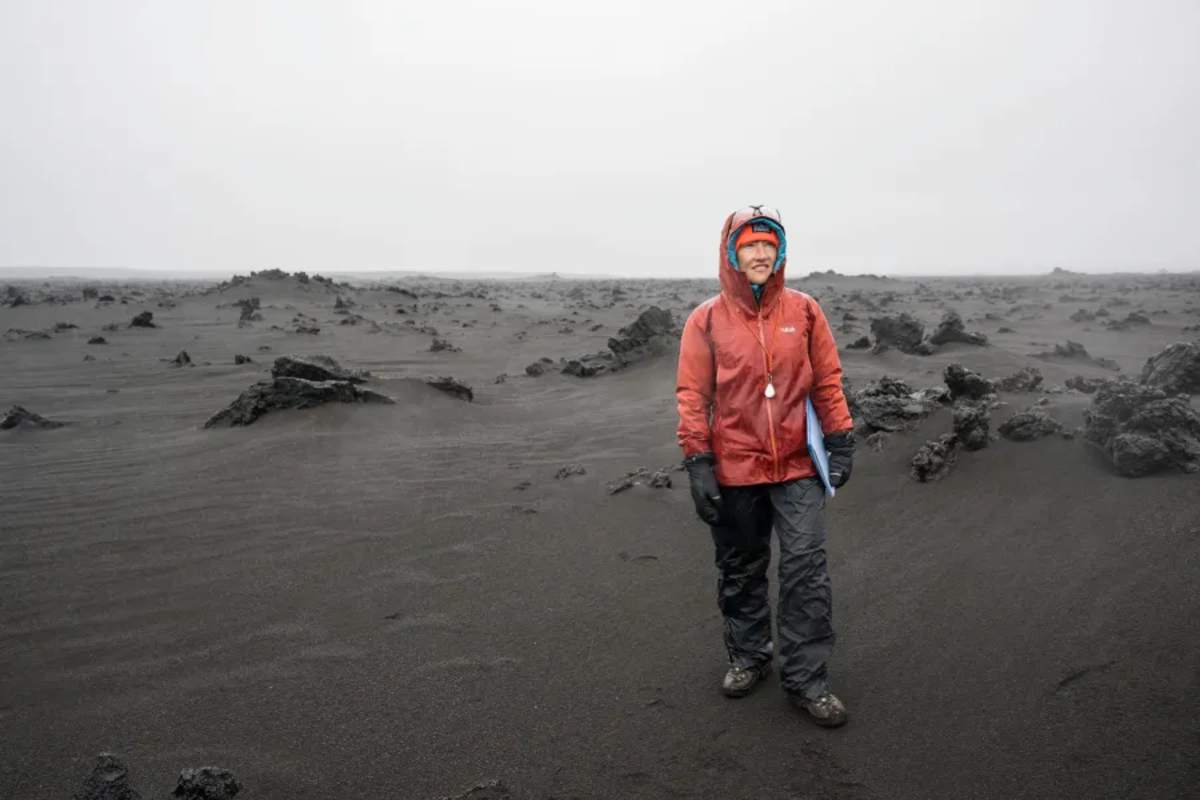
Artemis II Mission Specialist Christina Koch stands in a windswept volcanic field during geology training in Iceland, where volcanic terrain serves as an analog for lunar landscapes. (Image Source: NASA/Robert Markowitz)

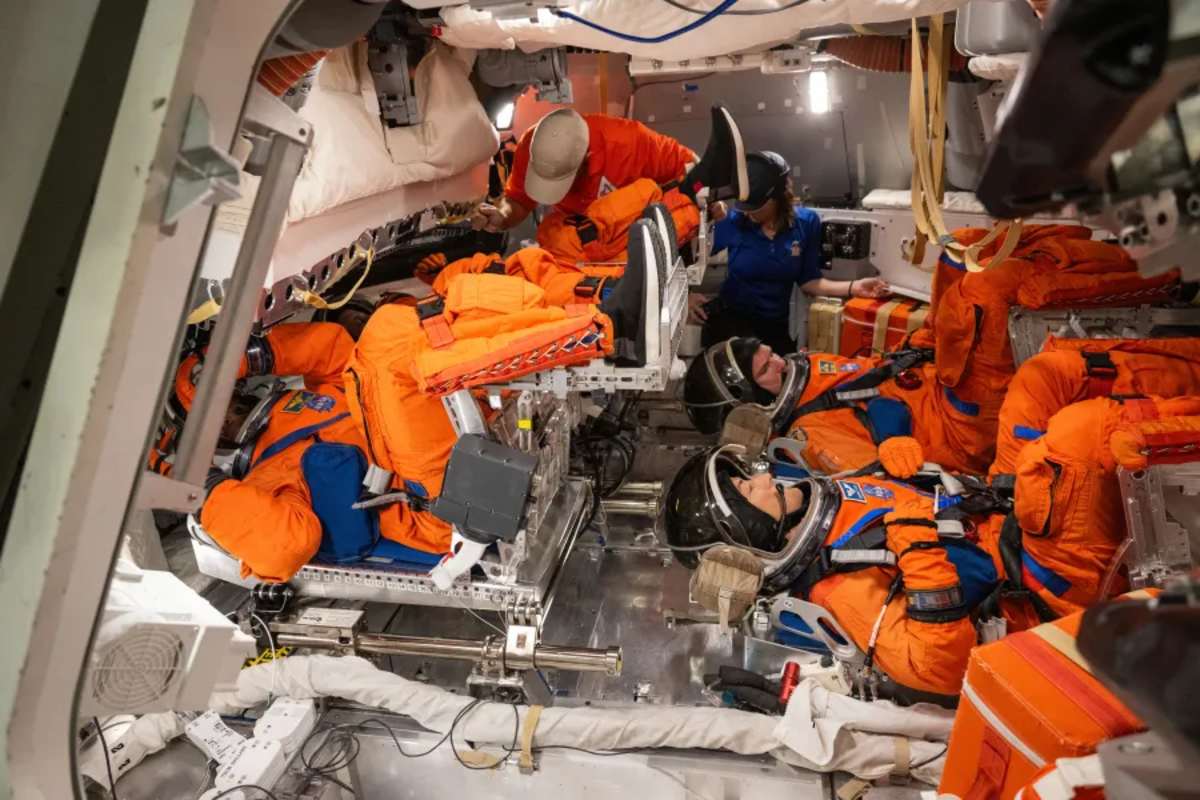
One of the essential segments of the training is to know about the Orion Crew Survival System. It is a bright orange spacesuit that protects the astronauts during launch and entry. It has a lighter and stronger helmet that comes in more than one size and helps reduce noise and aids communications between the crews and the mission control seamlessly. The suit comes with touch-screen-savvy gloves and boots that allow the crew to move nimbly. It can keep astronauts alive for six days by providing oxygen and maintaining pressure if Orion were to lose cabin pressure on its way to the Moon or on the way back home.
Artemis II Mission Specialist Christina Koch stands in a windswept volcanic field during geology training in Iceland, where volcanic terrain serves as an analog for lunar landscapes. (Image Source: NASA/Robert Markowitz)

The suit contains a personal locator beacon, a rescue knife, a mirror, a strobe light, a flashlight, a whistle, and light sticks. Such features will be useful if they are to exit Orion after splashdown before recovery personnel arrive. Currently, the crew is in quarantine, with the wet dress rehearsal well underway. It's only a matter of time before history is made yet again. 

More on Starlust 

Artemis II mission will take bone marrow cells on thumb-drive-sized chips to the Moon

Artemis II's free return trajectory: What it is and how it will protect the astronauts
MORE STORIES

The Jeff Bezos-owned company has shifted its focus and resources into completing Artemis deliverables.
3 hours ago
The wet dress rehearsal will see the SLS rocket's core stage loaded with more than 700,000 gallons of cryogenic propellants.
6 hours ago
The Artemis II mission is set to carry humans farther than ever before, breaking the record set by Apollo 13.
7 hours ago
With the wet dress rehearsal delayed, it is no longer possible to launch the mission on February 6.
2 days ago
The low temperatures expected during this weekend could make conducting the wet dress rehearsal tricky.
2 days ago
After returning to Earth, these cells from the AVATAR experiment will reveal how space radiation and microgravity affect the human body.
3 days ago
With the early return of Crew-11, it is time for Crew-12 to be all set for next mission to the ISS.
4 days ago
The Artemis program has big goals, but let's not forget the 'one small step' that started it all.
4 days ago
The Artemis Accords are there to ensure safe and peaceful exploration of outer space.
4 days ago
"This ‘fail-safe’ rationale was key to Apollo 8’s flight in 1968, which used a free return trajectory to send the first humans to orbit the Moon and back safely," said an ex-ISRO scientist.
4 days ago