
Biplab Das
A science journalist and writer who has been writing since 1997 on a wide range of science and technology topics. Worked with print, audio, audio-visual and online media. Over the years, he honed his skills to tell stories of how we and other living organisms emerged on earth and our and their place in cosmos.
He is elated to get the opportunity to write for ‘Starlust’. He hopes that it will give him scope to know, explore and portray space and its unending mystery more intimately.
He is an avid reader. His favorite subjects are origin of the universe, big bang, black holes, evolution and films. The books by Carl Sagan, Paul Davies, and Lee Smolin fuel his interest in space further.
His stories appeared in online magazines of Springer Nature, UK, Australian magazine ‘Cosmos’, US-based ‘Chemical & Engineering News’, London-based ‘SciDev.Net’, and India-based ‘Down To Earth’, ‘The Telegraph’, and ‘The Statesman’. He wrote scripts for science documentary films for CSIR, New Delhi, and science radio talks for ‘All India Radio’, Kolkata and did research work for an audio-visual series on zero-waste for Mumbai-based ‘Times Television Network’.
Latest From Biplab Das
Ancient Mars may have seen geological activity once thought unique to Earth
Despite lacking moving plates, the Red planet's magmatic systems may have run for thousands of kilometers.
Asteroid Day 2026: Remembering the 1908 Tunguska event that flattened 772 square miles of Siberian forest
That asteroid explosion over Tunguska was 1,000 times stronger than the nuclear bombing of Hiroshima.
Astronomers confirm long-held suspicion, find star-forming fuel in early universe
This discovery provides important insights into how the first galaxies in the early universe grew so massive.
Large Hadron Collider, detector of 'God particle,' will be out of action for 4 years, starting today
The world's most powerful particle accelerator will undergo some major upgrades during the 4-year hiatus.
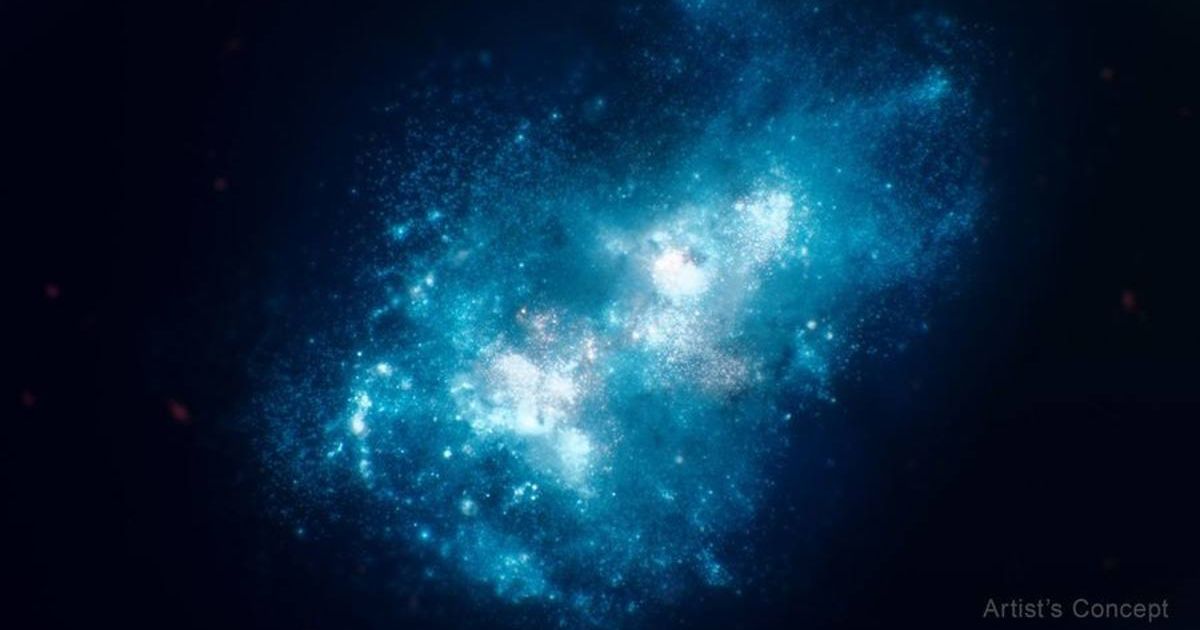
Hubble sees starlight from a galaxy just 1.4 billion years after the Big Bang—what did it reveal?
Tightly clustered young stars in an ancient galaxy ionized the early universe's opaque gas.
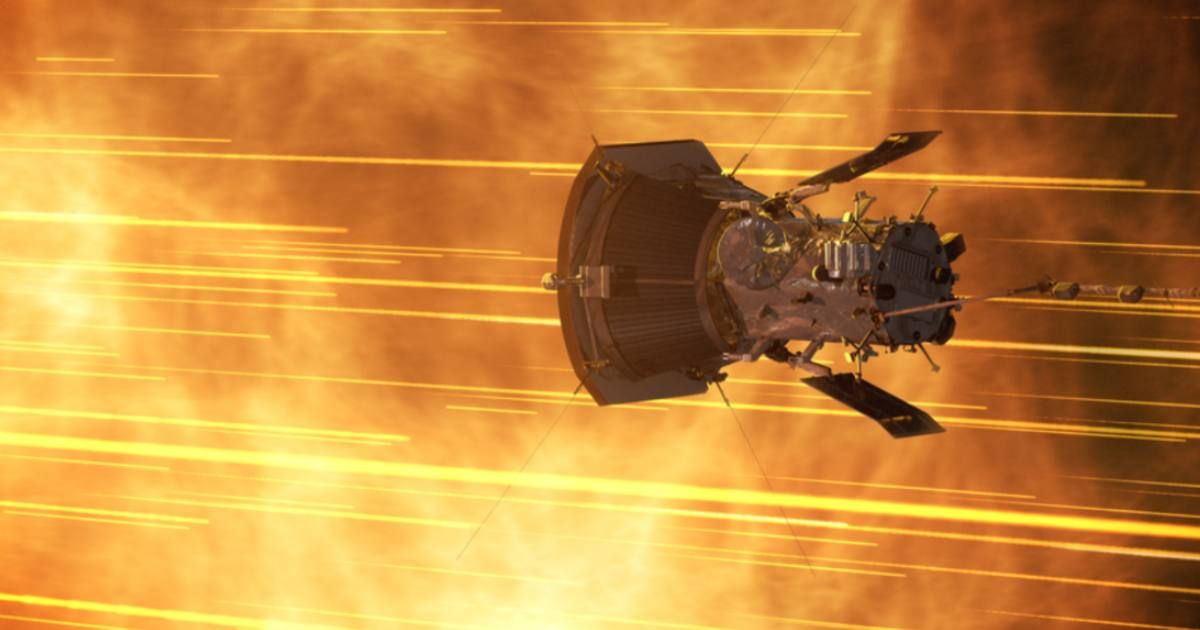
NASA's Parker Solar Probe hits 430,000 mph during latest flyby just 3.8 million miles above the Sun
The data collected by Parker Solar Probe serves to enhance our understanding of the science behind various solar events.

The Milky Way's chaotic center has an island of calm gas that can spawn new stars, a study finds
The study provides clues to how the Sun was born about 4.5 billion years ago.
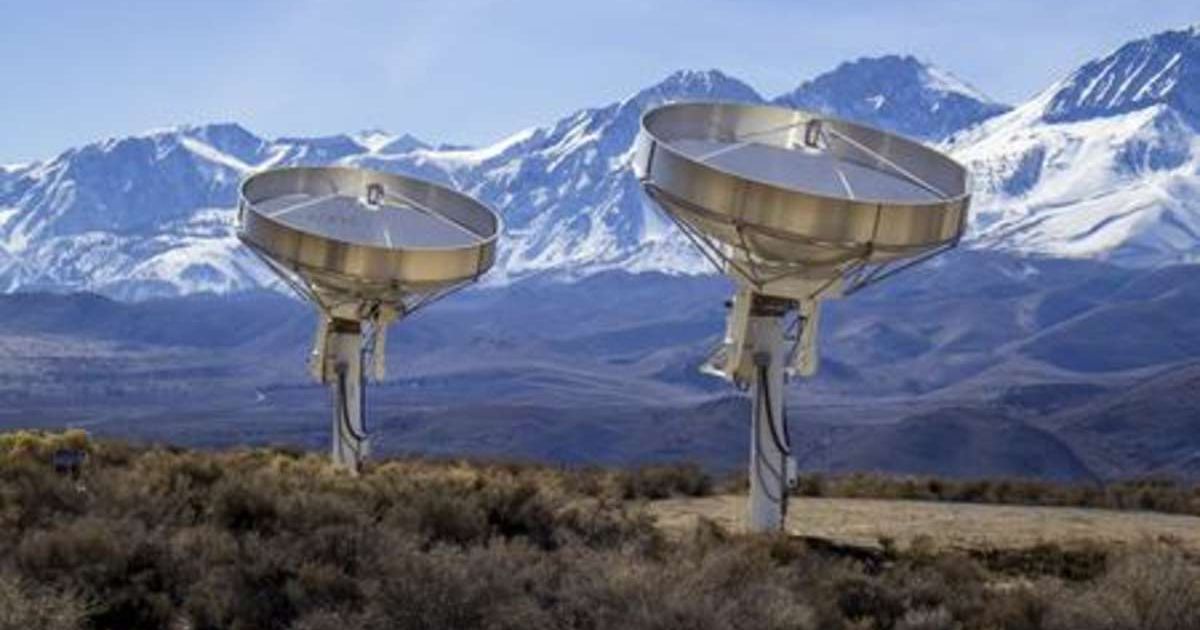
Caltech's new powerful radio telescope could find 20 million hidden cosmic objects on its first day
By the time its initial survey comes to an end, the telescope will have discovered about 1 billion new radio sources.
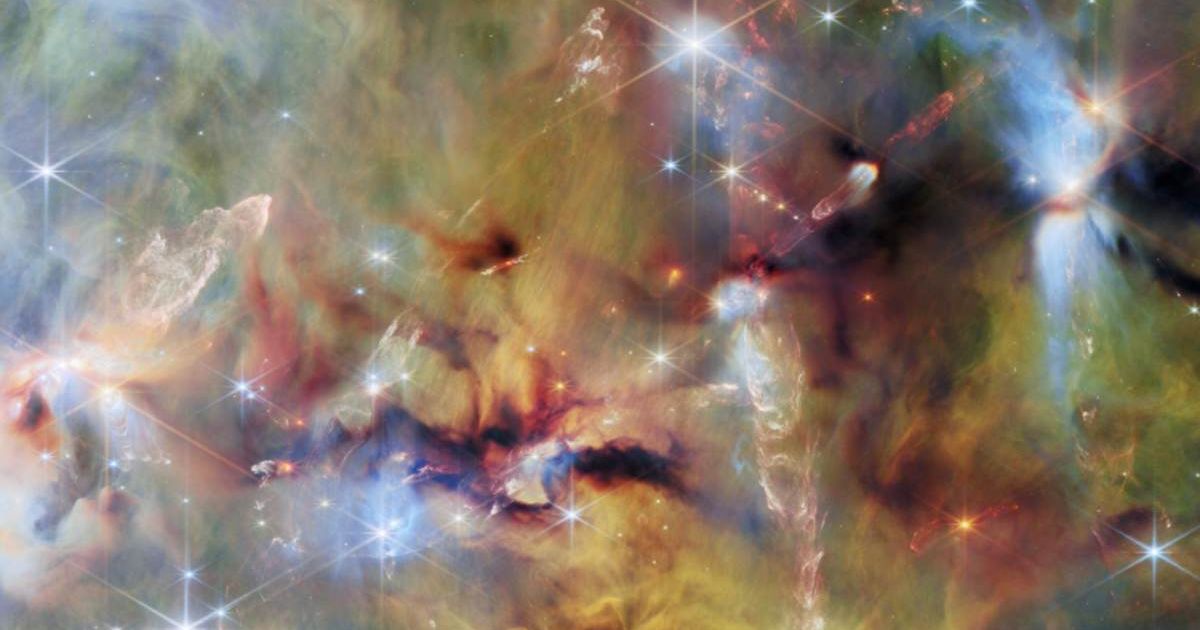
Young stars are changing entire galaxies and scientists finally know how
To understand how young stars affect galactic evolution, researchers studied 18,000 star-forming regions in nearby spiral galaxies.
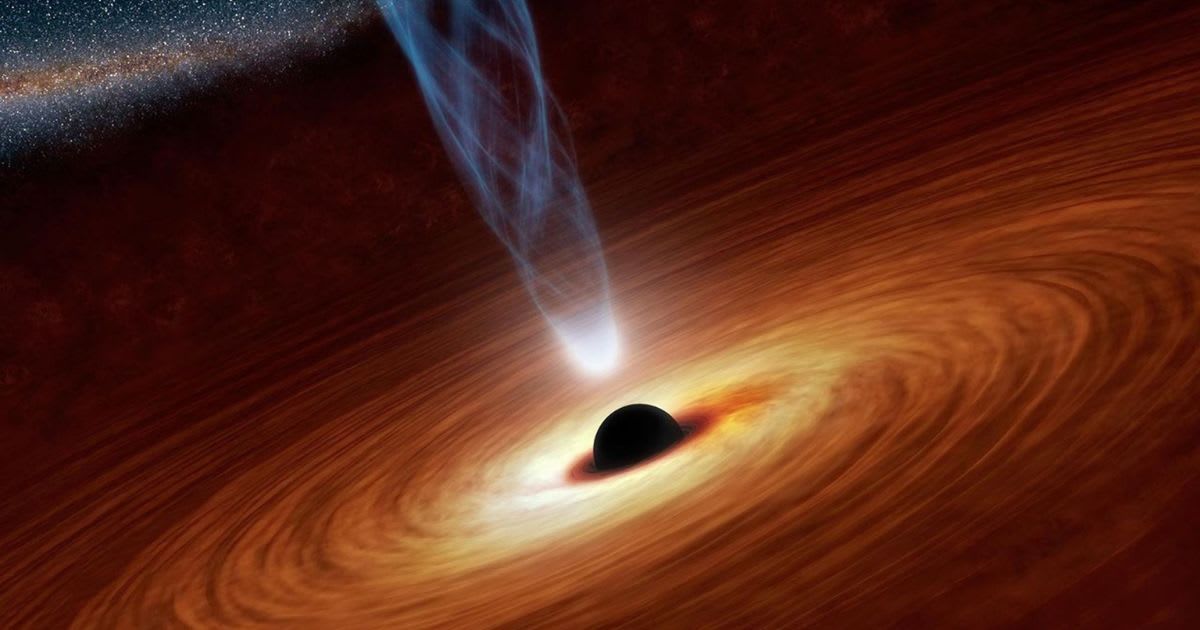
Supermassive black holes seen 'burping' years after devouring unlucky stars
Expelled stellar debris slams into gas, triggering the radio flares we see as 'burps.'
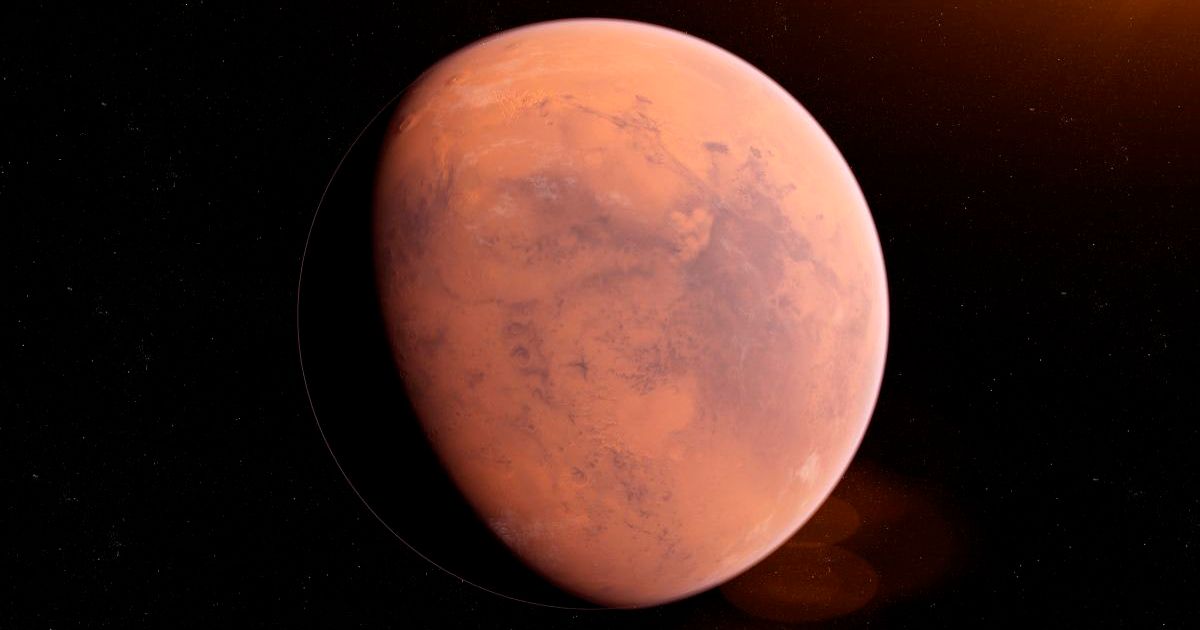
ESA rover Rosalind Franklin, designed to look for molecules of life on Mars, passes a stress test
For the test, the rover hunted for organic molecules in rock samples from the Murchison meteorite.
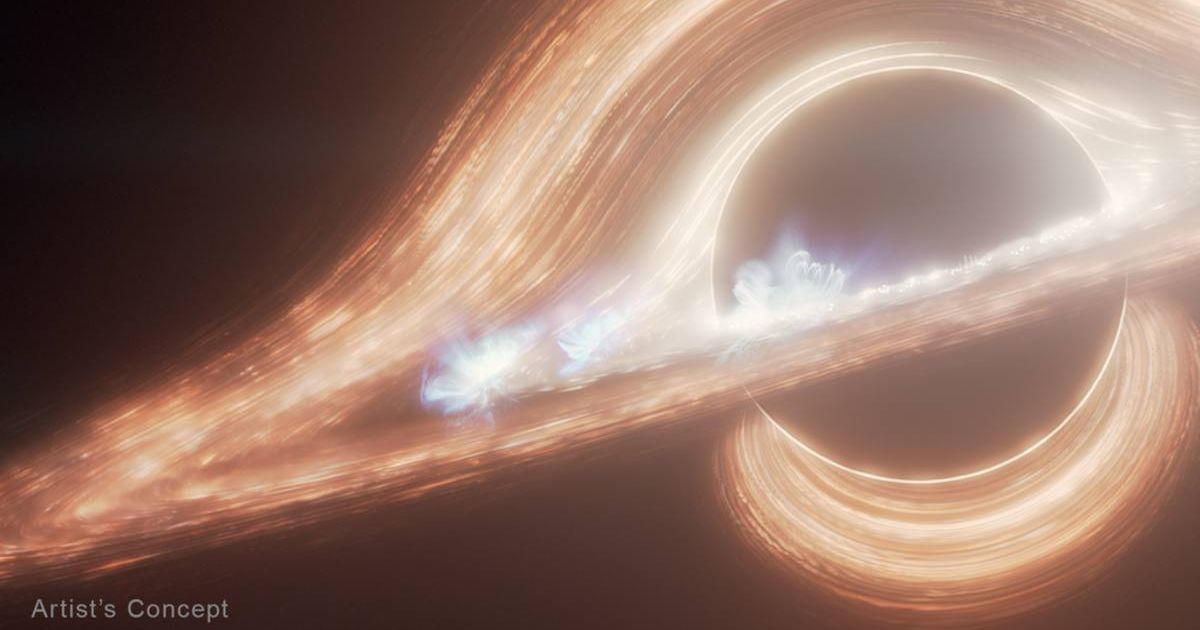
One of the mysterious 'little red dots' has been identified as a 'black hole star'
"I think part of the scientific community is converging on a singular picture—that little red dots can be explained by black hole star models."
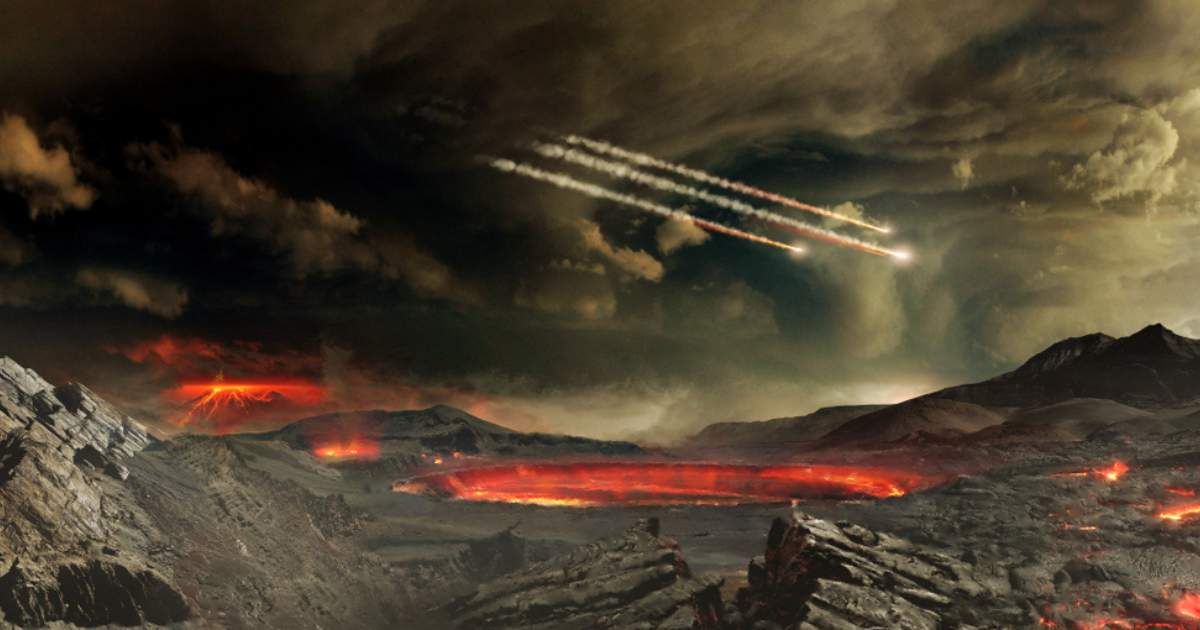
A Caltech team has simulated a chemical reaction that could offer a glimpse into the origin of life
They say the reaction might have made the building blocks of DNA and RNA, both essential for life.
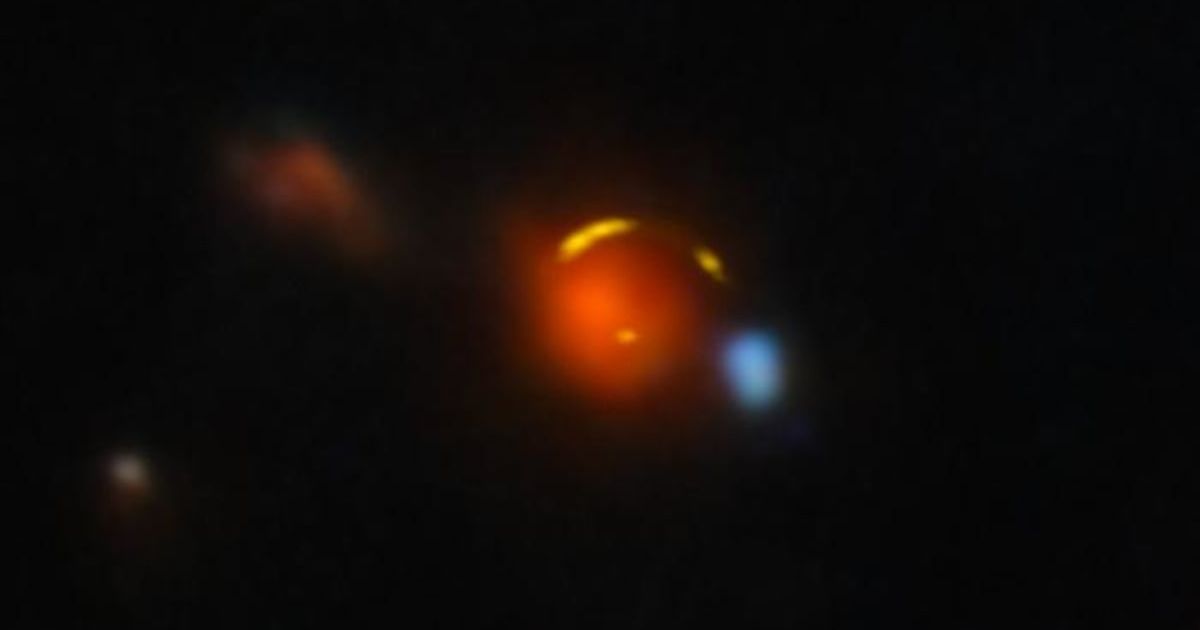
Scientists trace 'ghost particle' event to distant galaxy trillions of times brighter than Sun
The galaxy, hidden behind thick layers of dust, is about 11 billion light-years away.
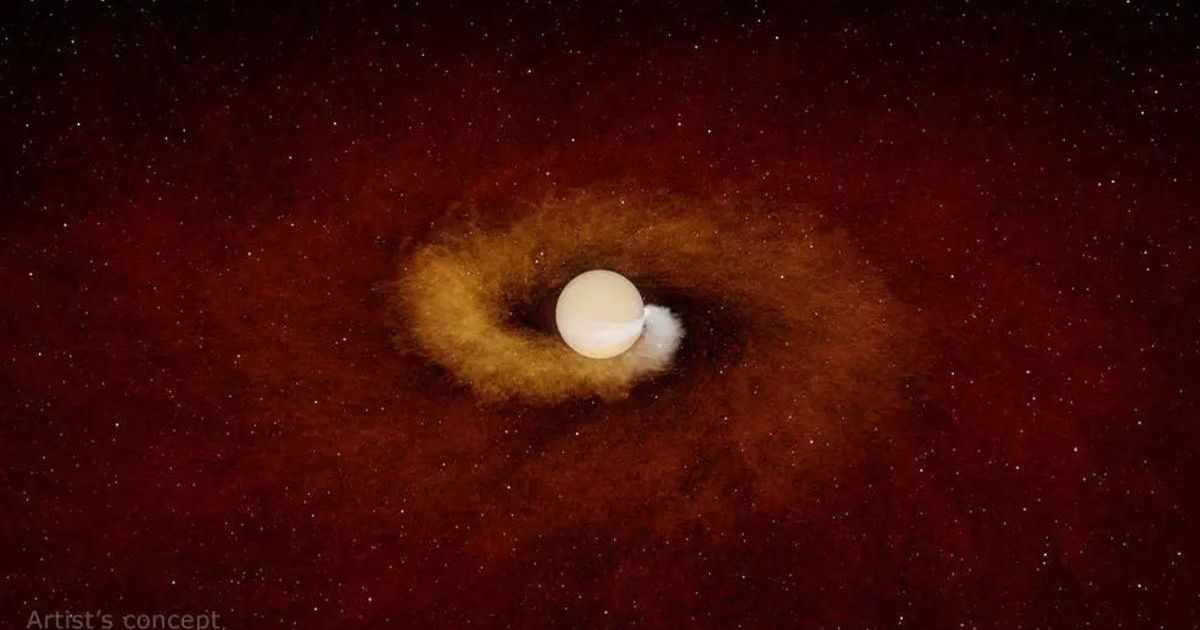
Nearby Sun-like star ate one of its planets in the blink of an eye. Here's how astronomers caught it
"You are what you eat, right?"
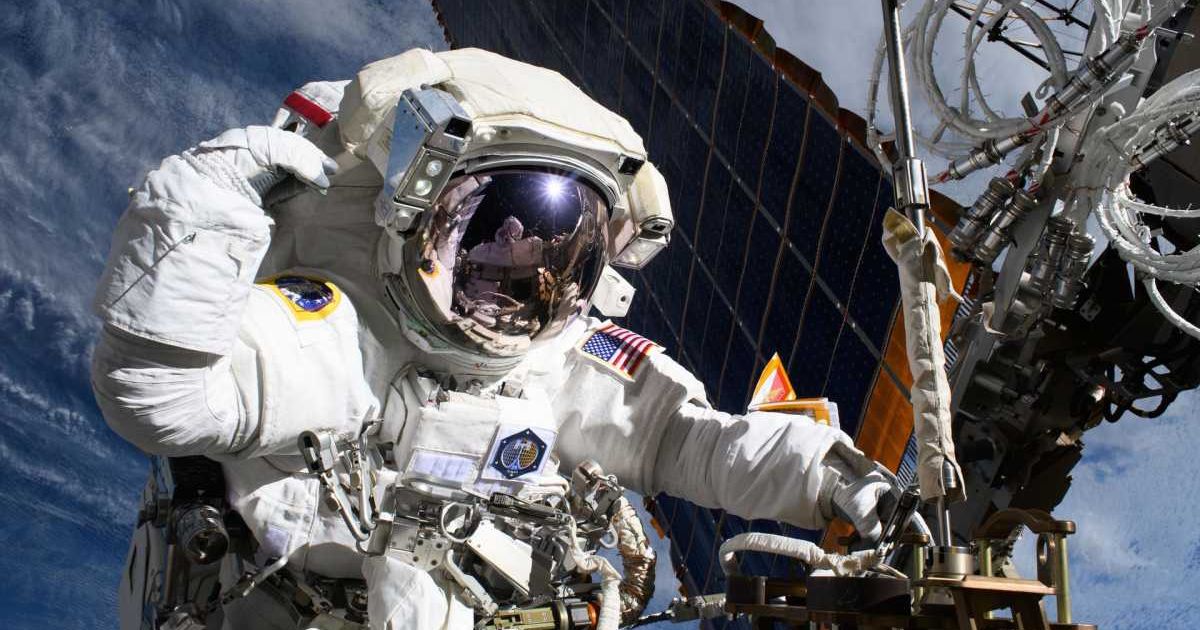
Space conditions can weaken pathogens—but that can make them far more dangerous for astronauts
Pathogens exposed to simulated space conditions during a study triggered a weaker response from human immune cells.
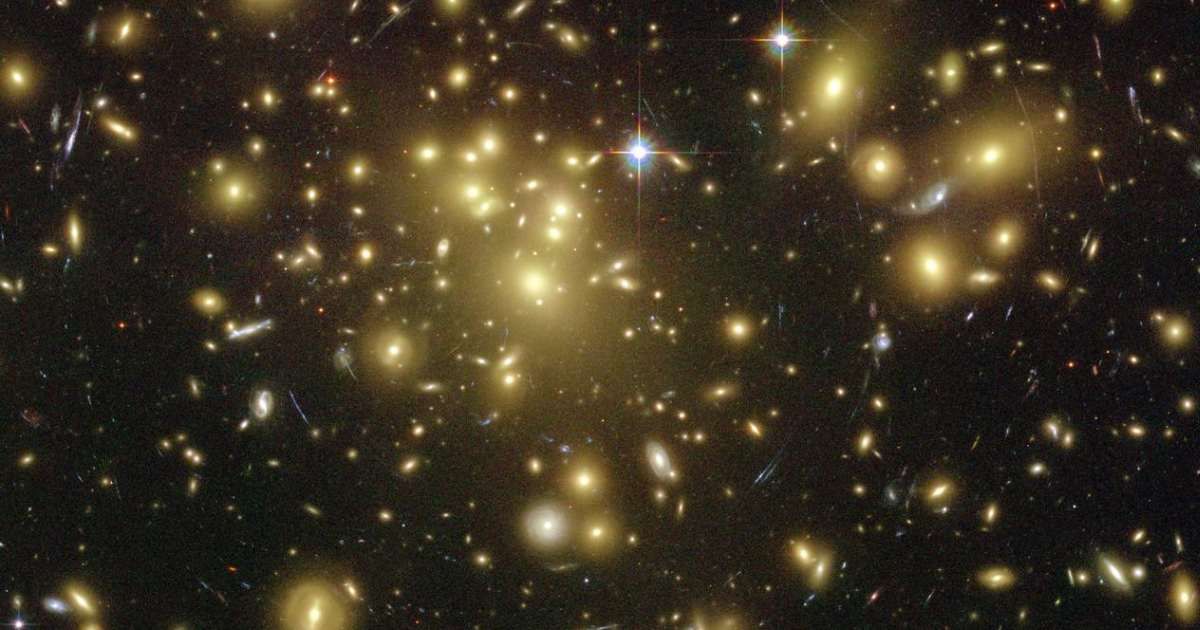
Astronomers have caught the first-ever glimpse of star-forming gas in early galaxies
Detecting cold, star-forming gas was difficult, and the findings will help understand galaxy growth.
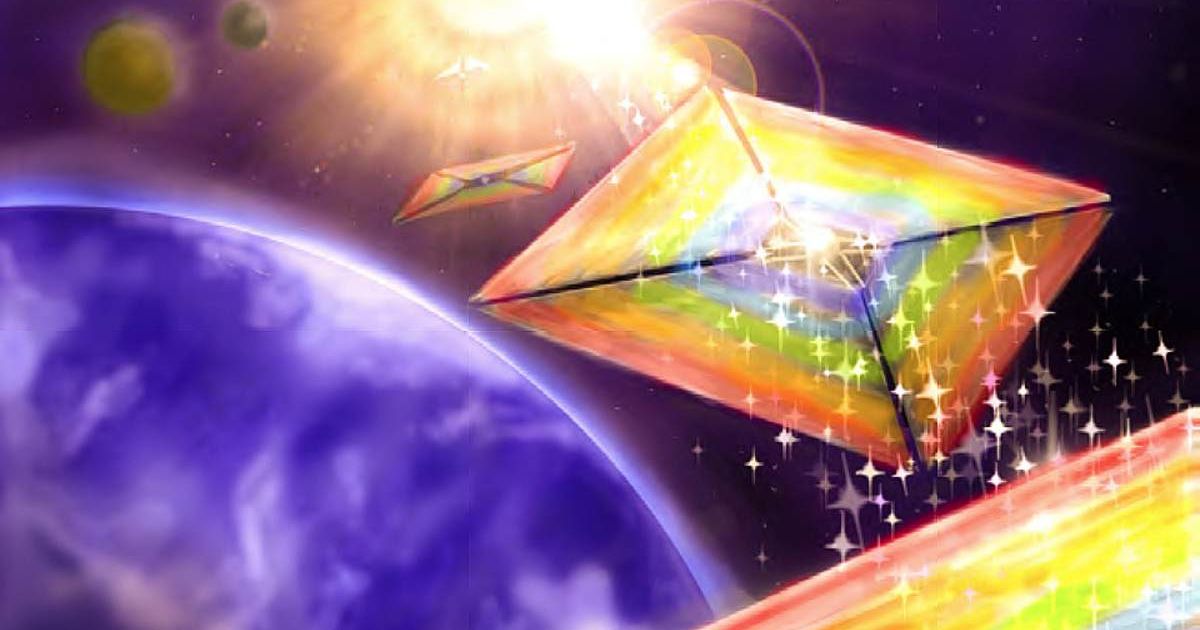
Light could power interstellar spacecraft—until it starts slowing them down
A new study shows that a solar sail may face drag force from the very light that powers it.
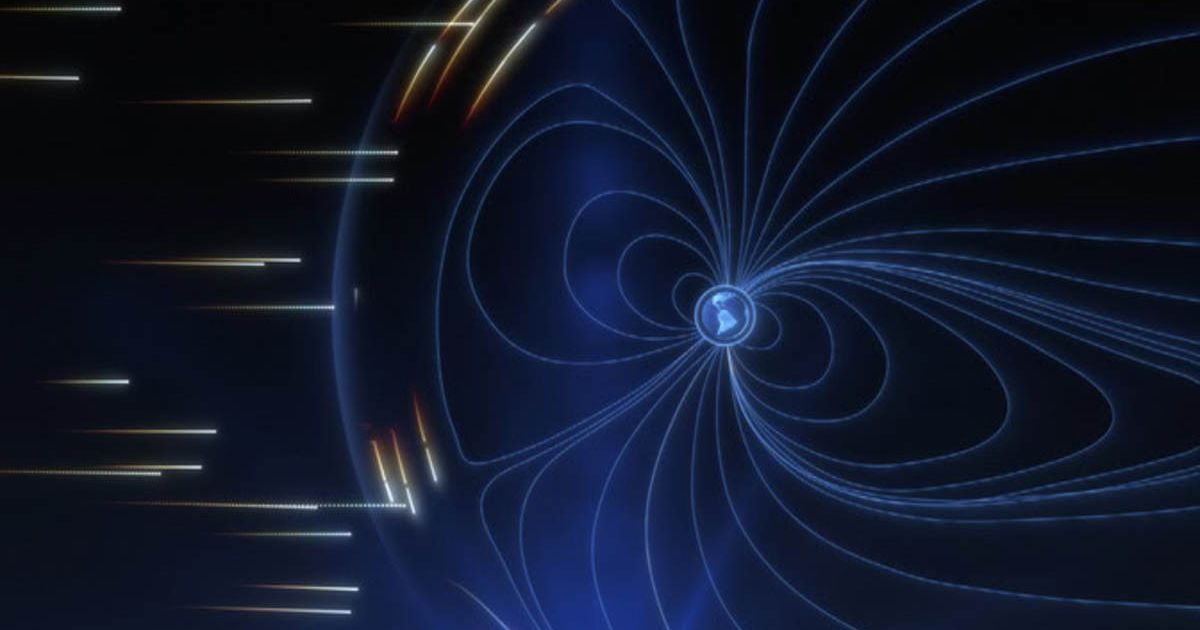
Never-seen-before map shows how solar particles interact with Earth's magnetic bubble
This was achieved using TRACERS, NASA's twin satellites to sample and analyze high-energy electrons.
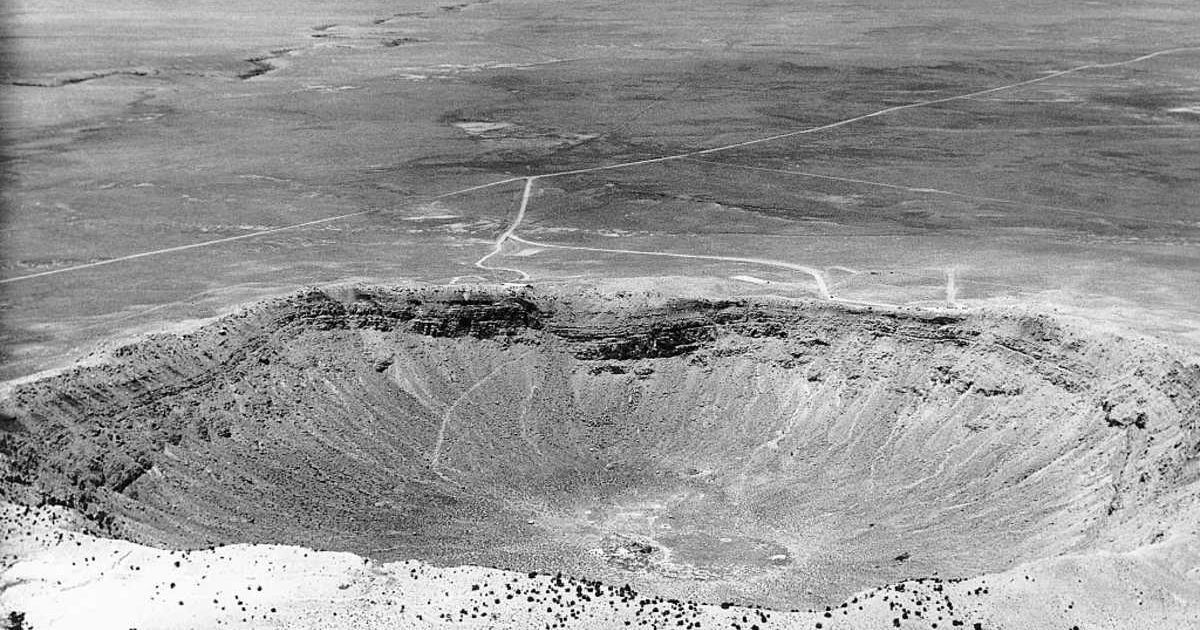
Raining gold: What scientists found in a meteorite impact crater in Western Australia
The impact site is located near the town of Oran Banda, a historic gold mining district.