Why is April's Full Moon called the Pink Moon? History and meaning explained
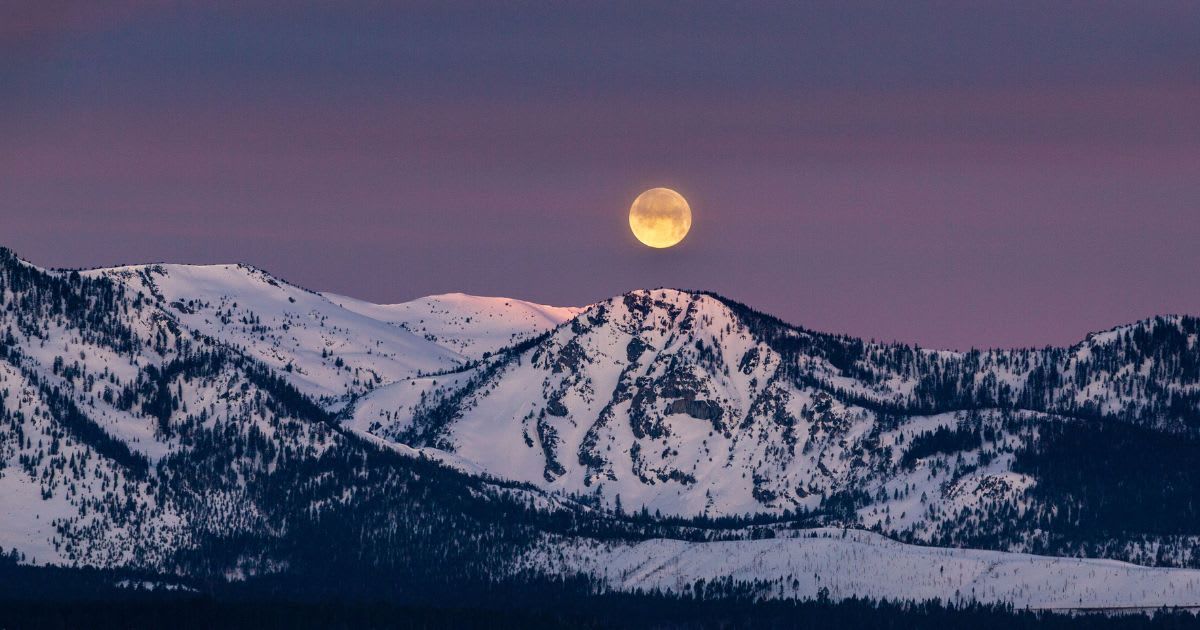
The upcoming Full Moon in April is known by several names in different parts of the world, with the most prominent being “the Pink Moon.” However, contrary to this popular nickname, the Moon itself doesn’t show any pinkish or reddish hues when it appears. Instead, the name’s origin could be traced back to seasonal events — not lunar, but on Earth. With the April 2026 Full Moon all set to arrive in a couple of weeks’ time, let’s understand the history and meaning behind the Pink Moon’s name.
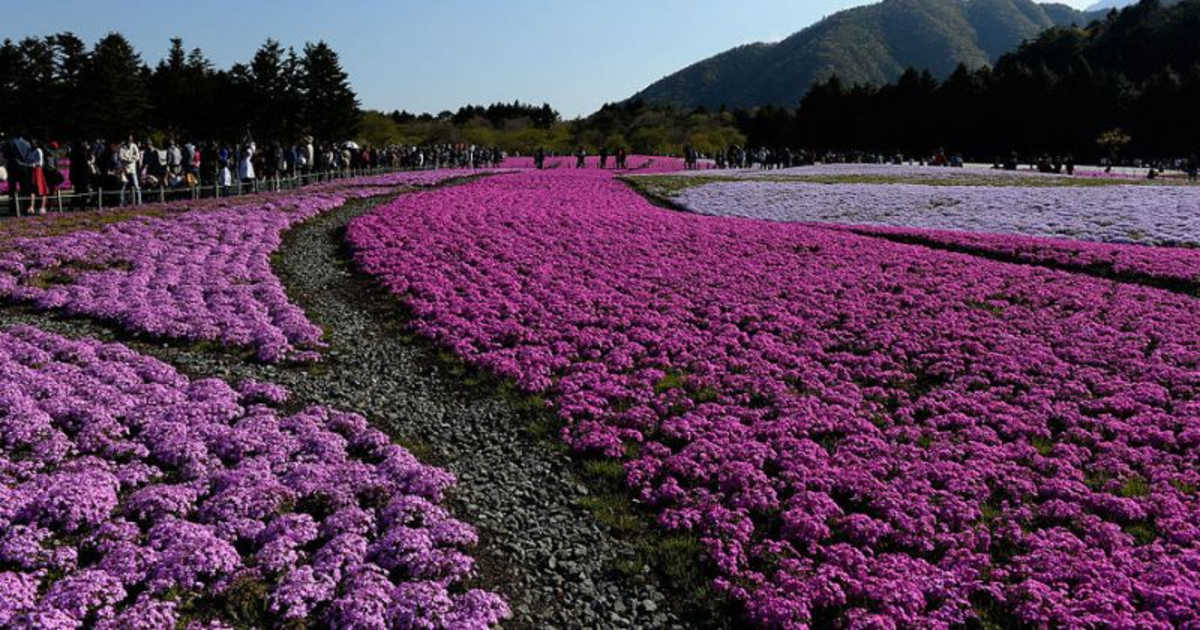
April’s Full Moon is called the Pink Moon, not due to its color, but because of some springtime wildflowers seen in eastern North America. Wild ground phlox (Phlox subulata) is a perennial plant with lavender-pink flowers. These flowers bloom in early spring around the same time as April’s Full Moon, which led to the color being associated with the lunar event. The name originates from Indigenous traditions, and the Old Farmer’s Almanac made it more popular in contemporary usage.
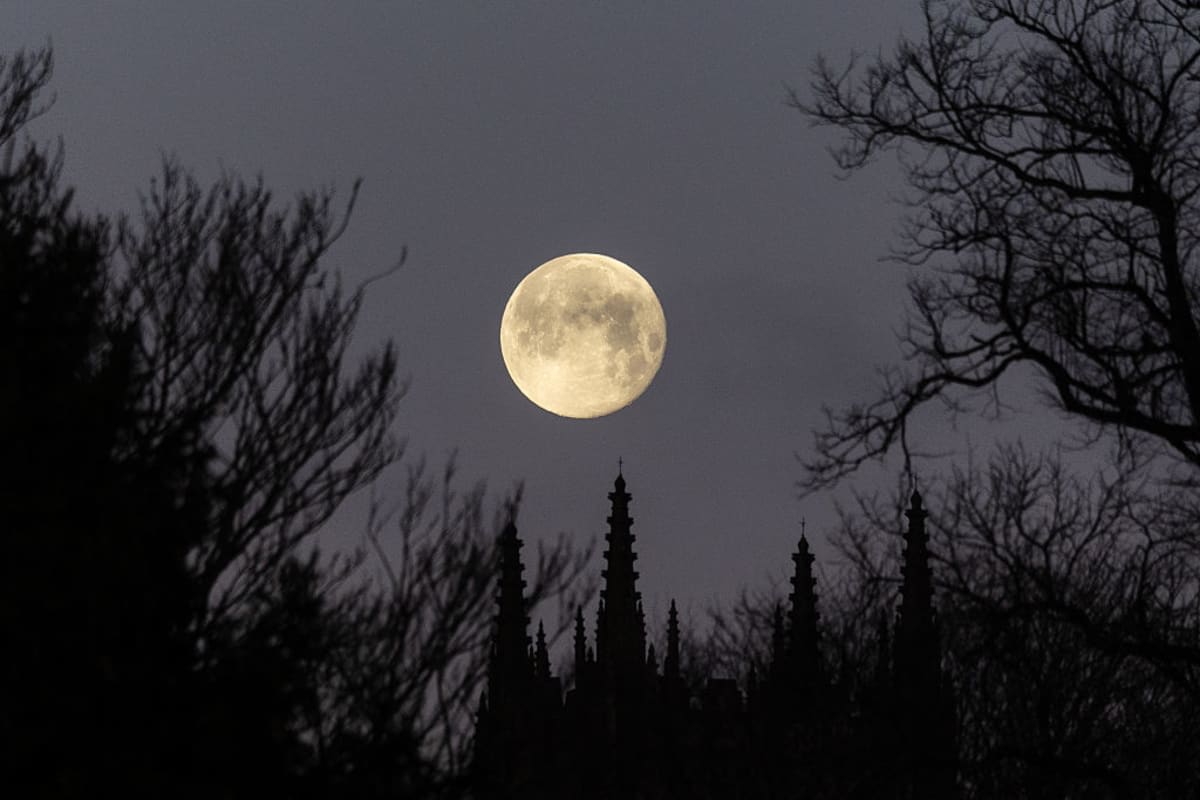
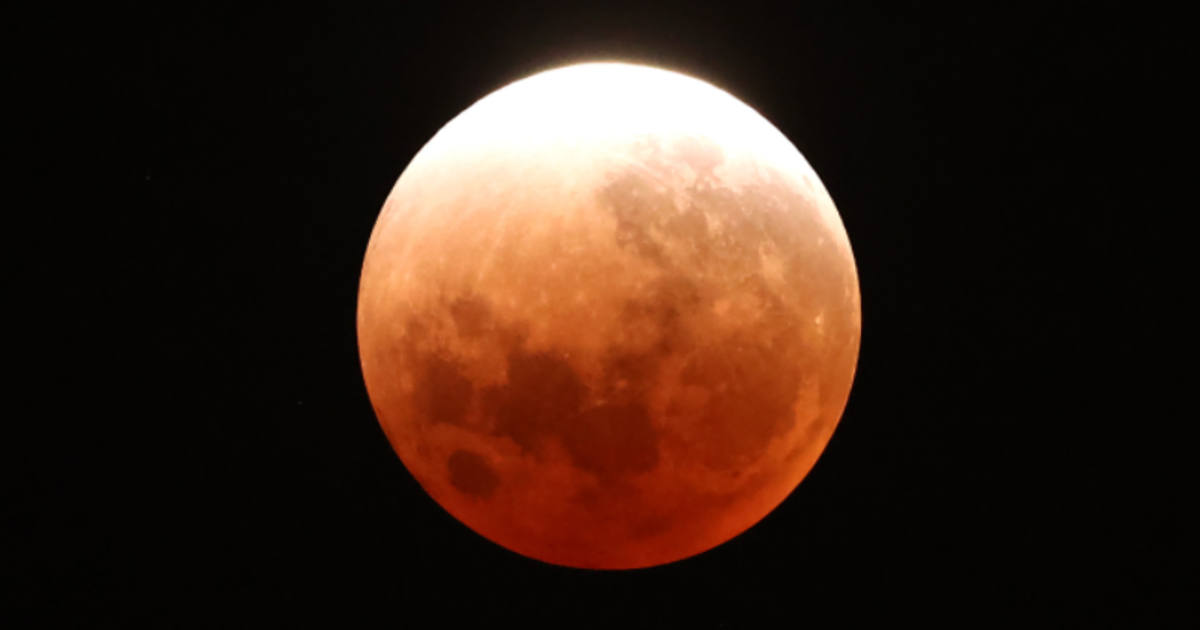
These old traditional Full Moon names often described seasonal changes in the environment that were specific to that particular lunar month. For example, the first Full Moon of the year in January is called the Wolf Moon, inspired by the howling of hungry wolves in the cold winter nights, according to Native American traditions. It’s easy to misinterpret April’s Pink Moon as something like the Blood Moon, which refers to the literal red color taken by the Moon during a total lunar eclipse.
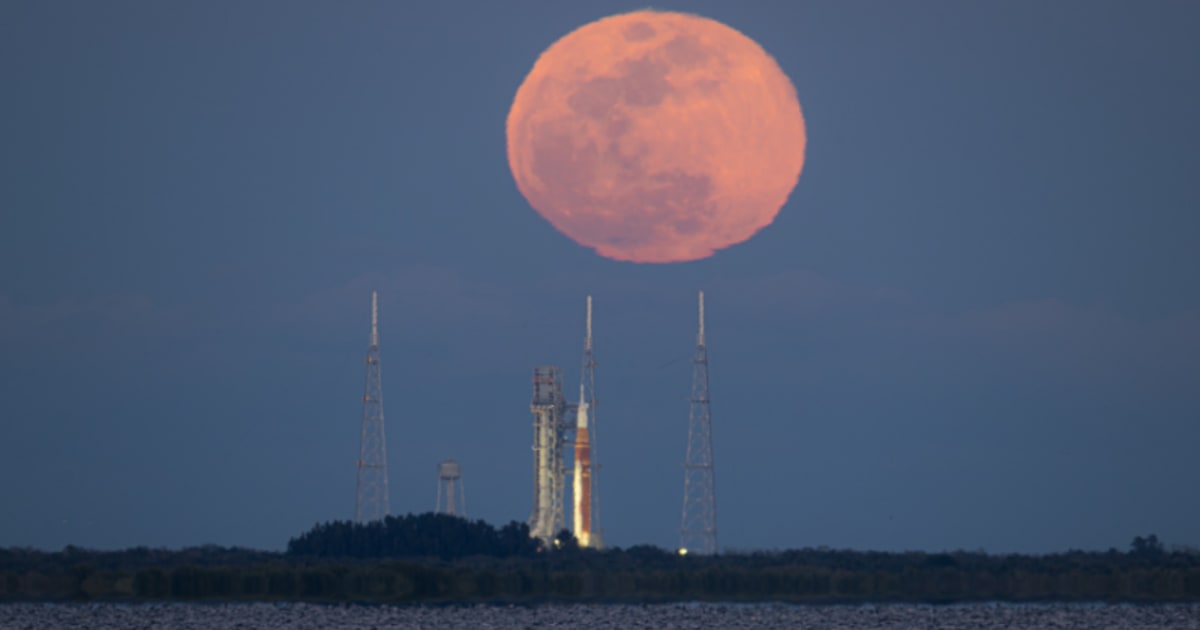
The April 2026 Full Moon, or the Pink Moon, can be seen on April 1 around 10 p.m. EDT (regional conditions may vary). To observe the fully illuminated lunar disk, look toward a clear eastern horizon after sunset to watch the Moon rise. When it does, it may seem unusually big, but this full Moon is not a supermoon. It may seem like one simply due to the illusion of it seeming larger near the horizon than when it’s overhead. Observers would also be able to notice bright stars and constellations near the Pink Moon, such as Virgo’s Spica.
A Pink Moon in full bloom 🌸
— NASA (@NASA) April 12, 2025
The Moon will appear full this weekend, with its peak on Saturday evening. April's "Pink Moon" is named after the herb moss pink, one of the earliest widespread flowers of spring. pic.twitter.com/1WFz3De8A3
Apart from being labelled the Pink Moon, April’s Full Moon has different names in different cultures, but most of them are linked to a specific seasonal context. In Europe, the Celts referred to it as the “Budding Moon” or “New Seeds Moon,” implying it’s time for farmers to start planting seeds for new crops that season. Going by Native American traditions, the Dakota tribe called it the “Moon When the Streams Are Again Navigable,” and the Algonquin referred to it as the “Breaking Ice Moon.” All these names reflect a transition from a rather dull, cold season to the beginning of new planting cycles and warmer days.
April’s Full Moon also holds an important place in many religions. Christians celebrate Easter on the first Sunday after the Paschal Moon, which itself is the first Full Moon after the spring equinox. Since the April 1 Full Moon comes after the ecclesiastical spring equinox on March 21, the Pink Moon also serves as the Paschal Moon. It also coincides with the Jewish celebration of Passover, as well as Chaitra Purnima, the first Full Moon of the Hindu lunar year. It goes without saying that all of history, culture and seasonal cycles are strongly rooted in astronomical events.
More on Starlust
February’s Snow Moon: Could this be the last Full Moon before Artemis II launch?