February’s Snow Moon: Could this be the last Full Moon before Artemis II launch?
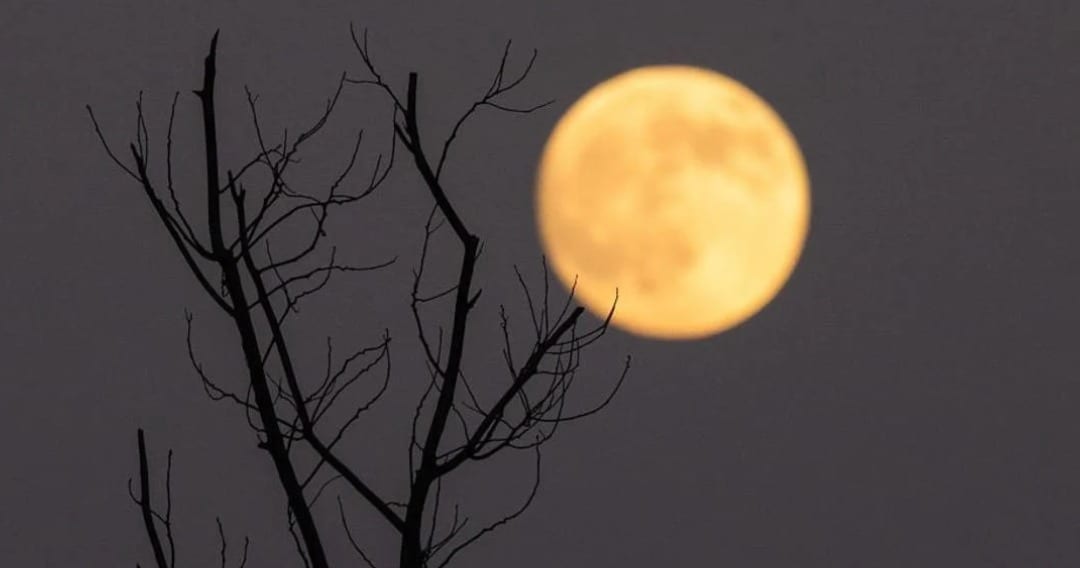
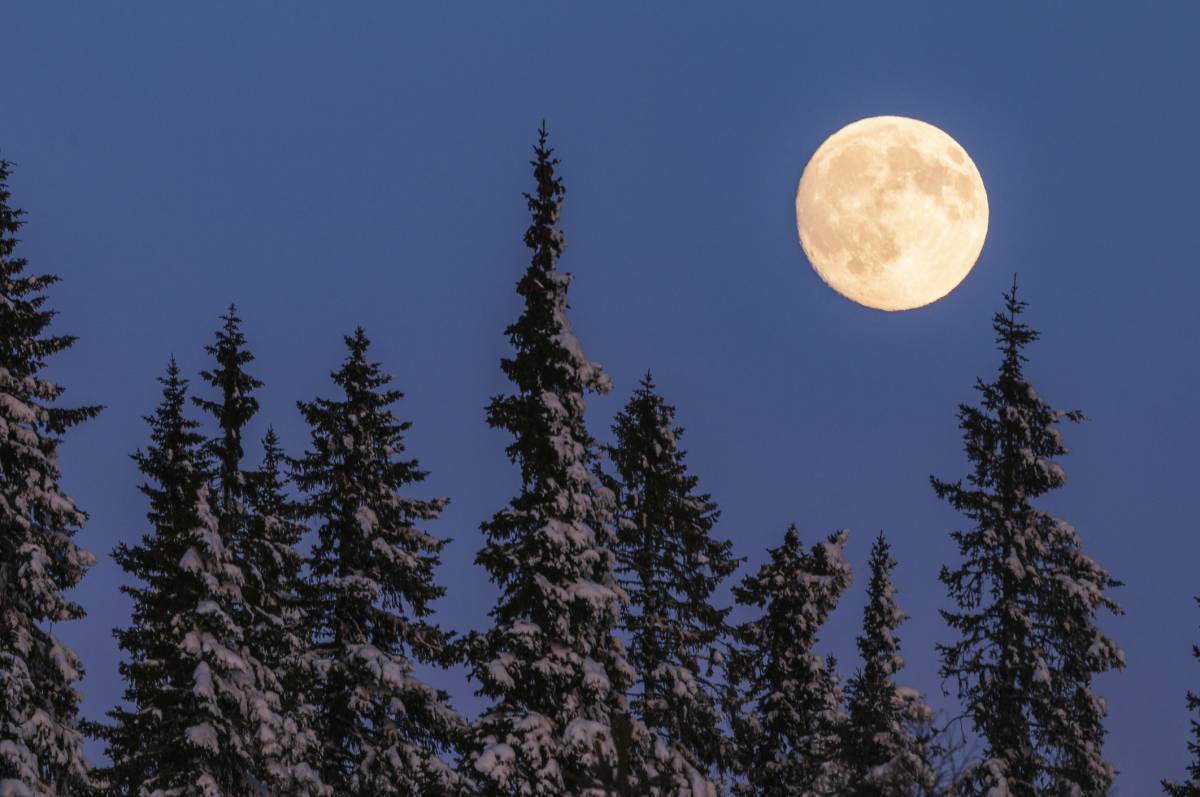
The Snow Moon, set to rise on February 1, 2026, could be the last Full Moon to grace the sky before a select group of humans gets to peer at the far side of our sole natural satellite. The latter could happen when Artemis II launches a crew of four on a free return trajectory that will see them fly between 4,000 and 6,000 miles above the lunar surface shortly after the launch window opens on February 6. This particular February Full Moon has been given the moniker "Snow Moon" because February is typically the month when it snows in the Northern Hemisphere. On February 1, the Moon will be 99% illuminated, per NASA. After reaching its peak illumination at 22:09 UTC (05:09 PM EST) on Sunday, the Moon will appear full for the next few days, according to timeanddate. 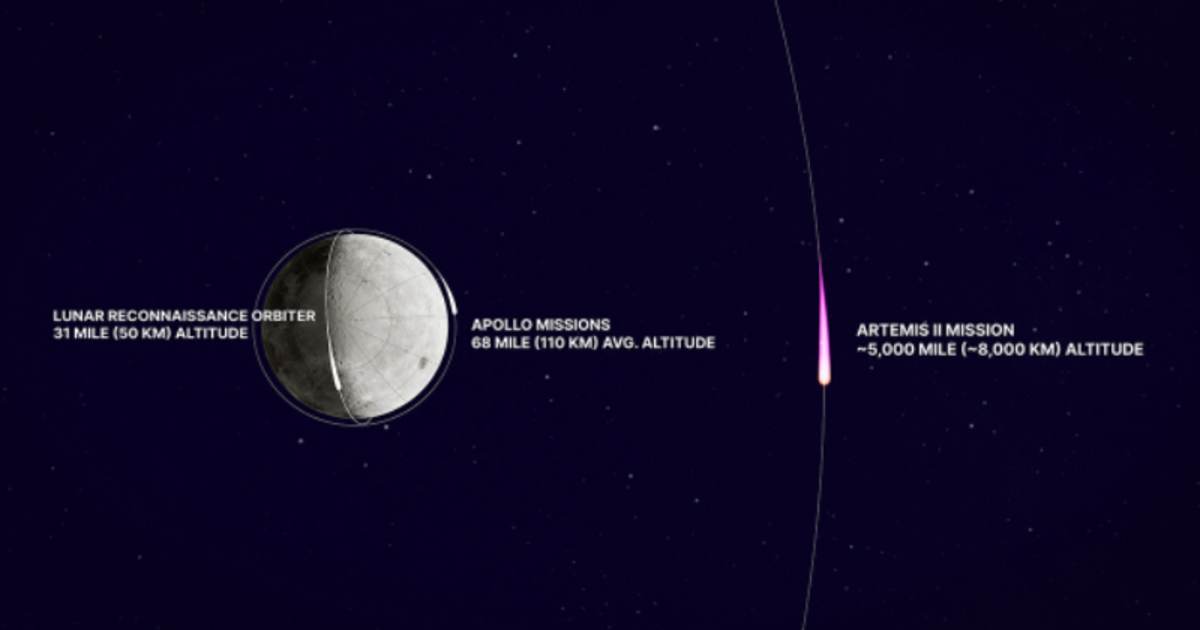
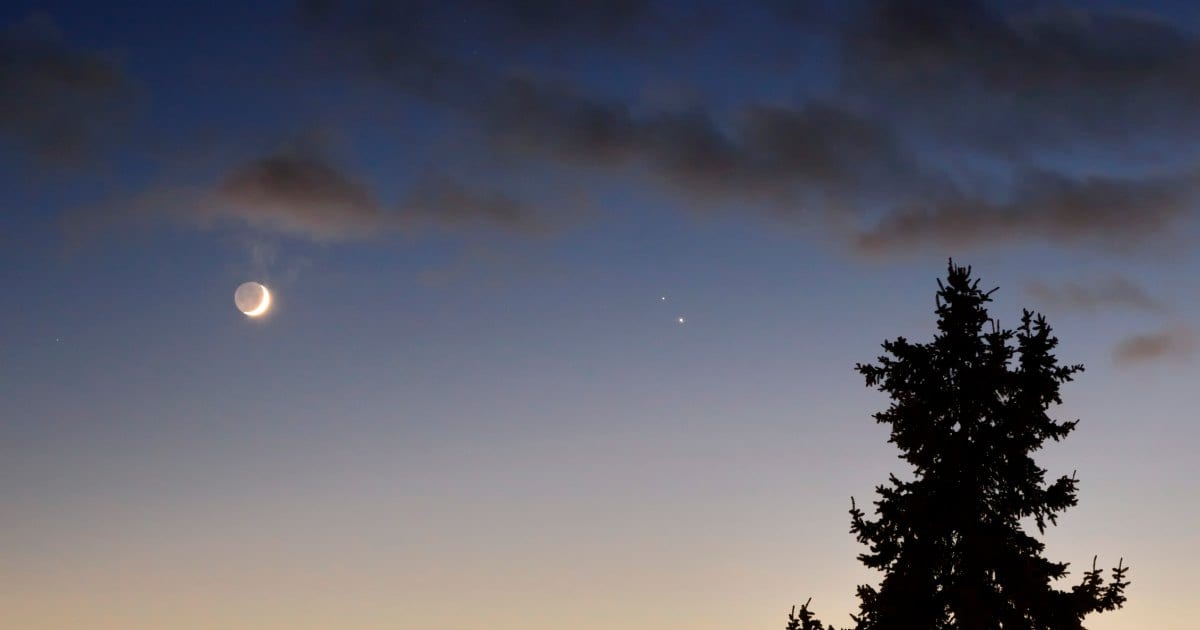
Tonight, the Moon, currently in its waxing gibbous phase, will be at 90% illumination. In case you step outdoors to catch a glimpse of it, you might see planet Jupiter next to it. The pair will rise in the east following sunset, according to the BBC, and will get closer to each other as the night deepens.
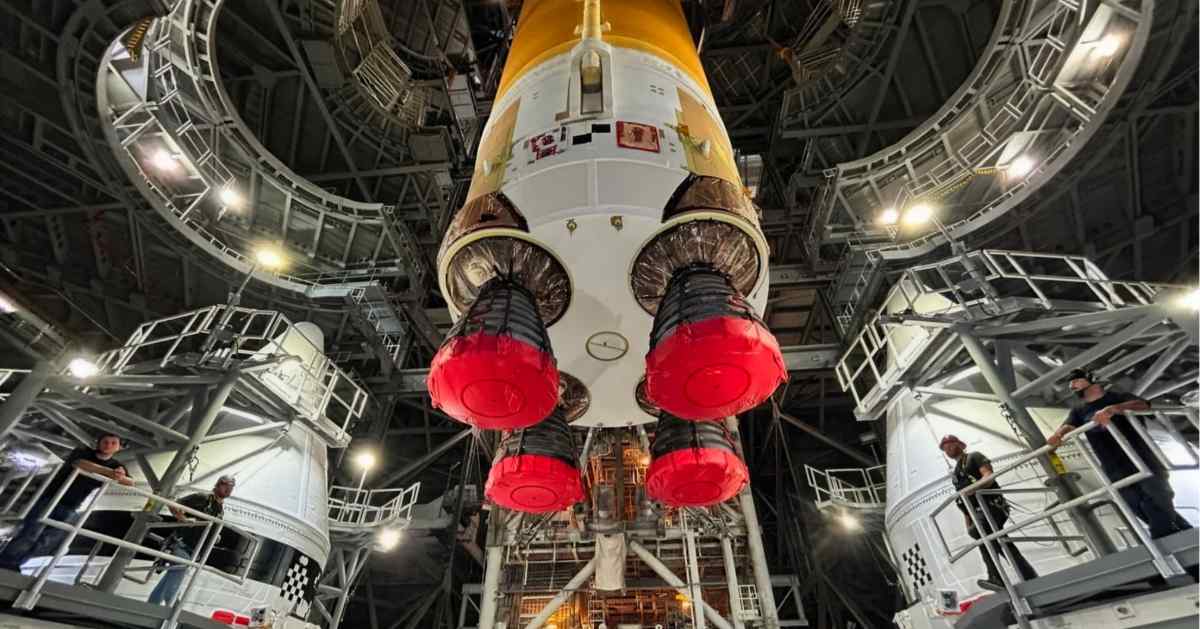
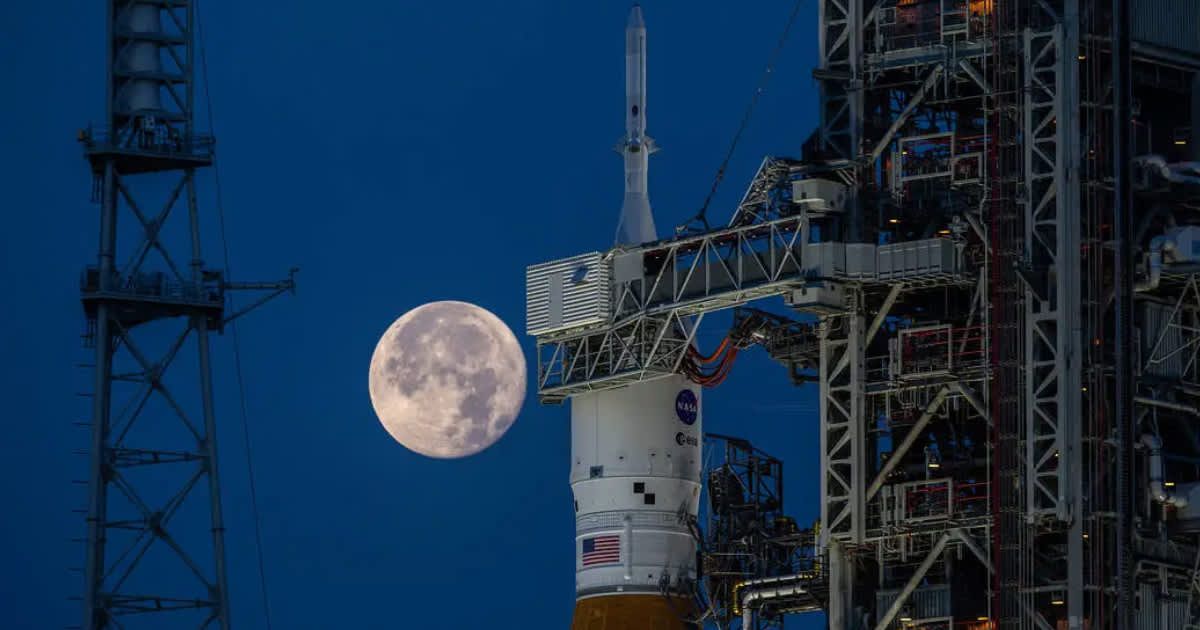
As for the probability of the upcoming Snow Moon being the last Full Moon before the Artemis II launch, much of it hinges on NASA’s verdict about how the wet dress rehearsal goes down on Saturday, January 31, 2026. Should NASA deem the weather conditions or the findings from the wet dress rehearsal less than ideal, it could send the SLS rocket back to the Vehicle Assembly Building from Launchpad 39B of the Kennedy Space Center in Florida.
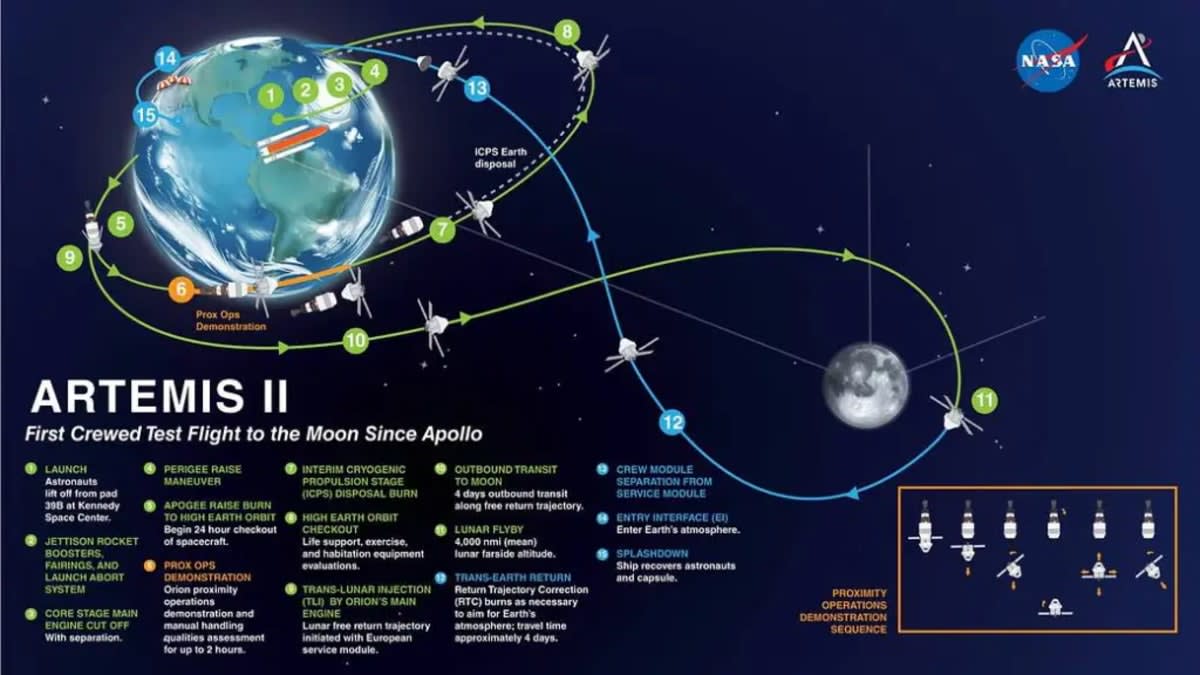
While Artemis II won’t land on the Moon, because Orion isn’t a lander, it is an important step in the entirety of the Artemis program as a whole. After the unmanned Artemis I went ahead without a hitch in 2022, this trip will test the suitability of the SLS rocket and the Orion spacecraft for crewed deep space missions. NASA official Patty Casas Horn told CNN, “Now, with our four humans on board, we’ll be testing out a lot of new capabilities that were not there for Artemis I. For example, we need to keep the vehicle thermally stable, because humans need to be comfortable. But when you add people to a spacecraft, you add a lot of moisture to the air, too. They also need food. They need water. They need toilets. We…also have some exercise devices on Orion this time that we’re going to be testing."

If everything works well, we could see Artemis III land humans on the Moon in 2028 using SpaceX’s Starship Human Landing System. As for the upcoming Artemis II, the crew should get a basketball-sized view of the full far side, which will be far wider than what the Apollo missions had from about 60-120 miles from the surface. Of course, we will also be able to enjoy the view from Earth when the astronauts share the visuals with the entire world.
More on Starlust
Artemis II astronauts enter quarantine as launch period inches closer
Revisiting humanity's last crewed Moon mission ahead of Artemis II launch