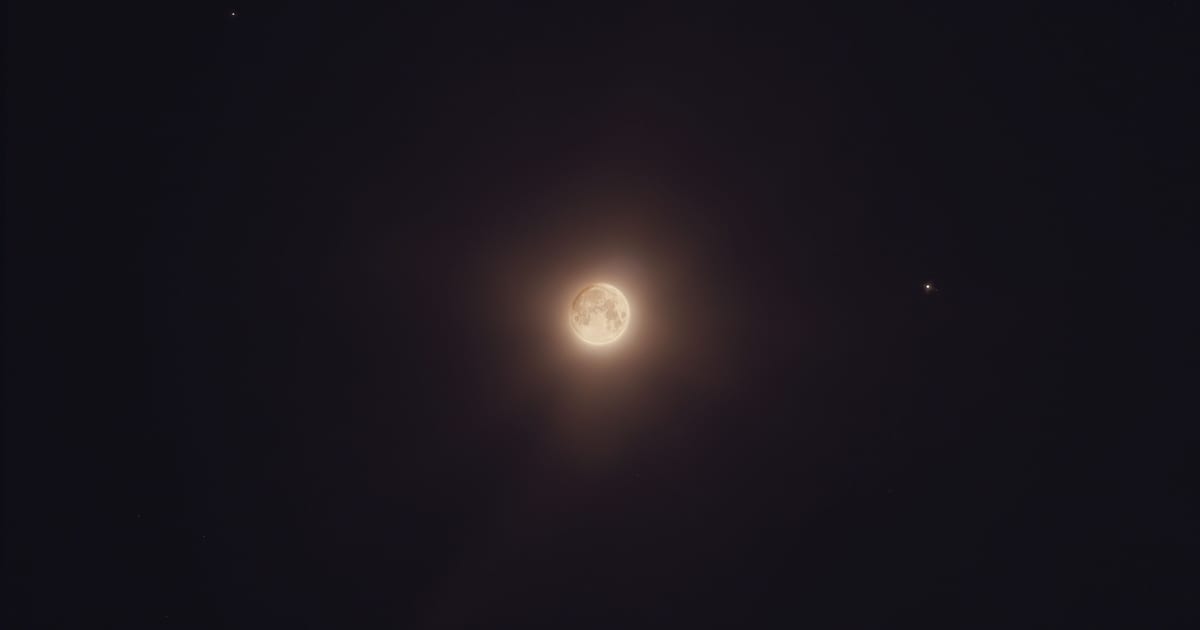
March 3 'Blood Worm Moon': Best locations and viewing tips to observe the lunar eclipse like never before
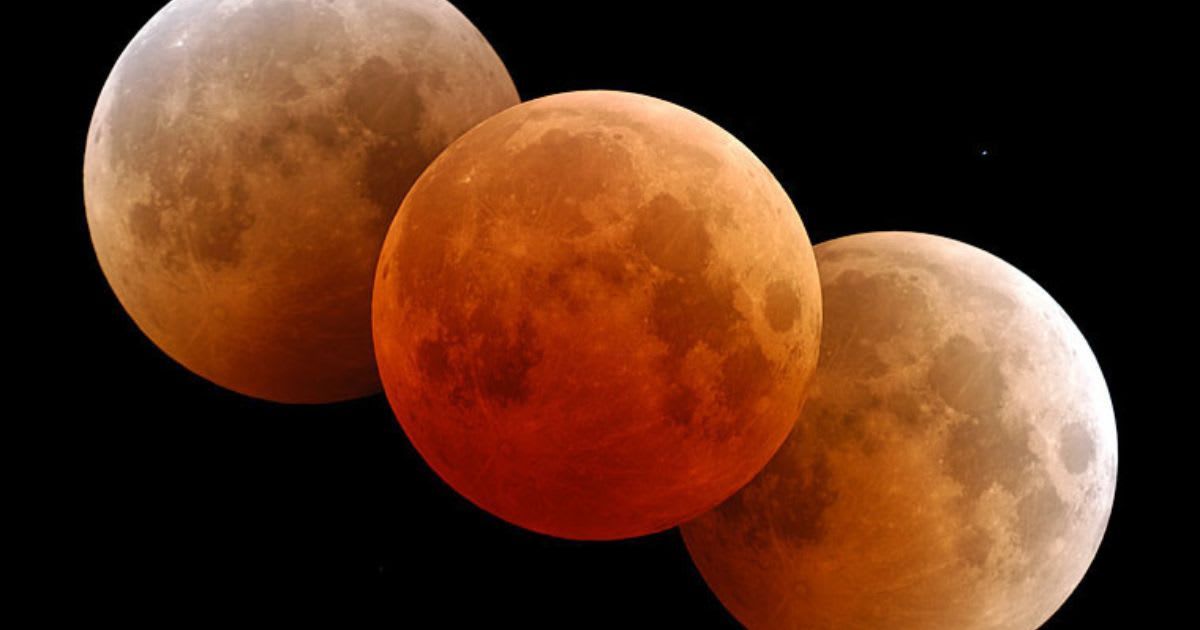
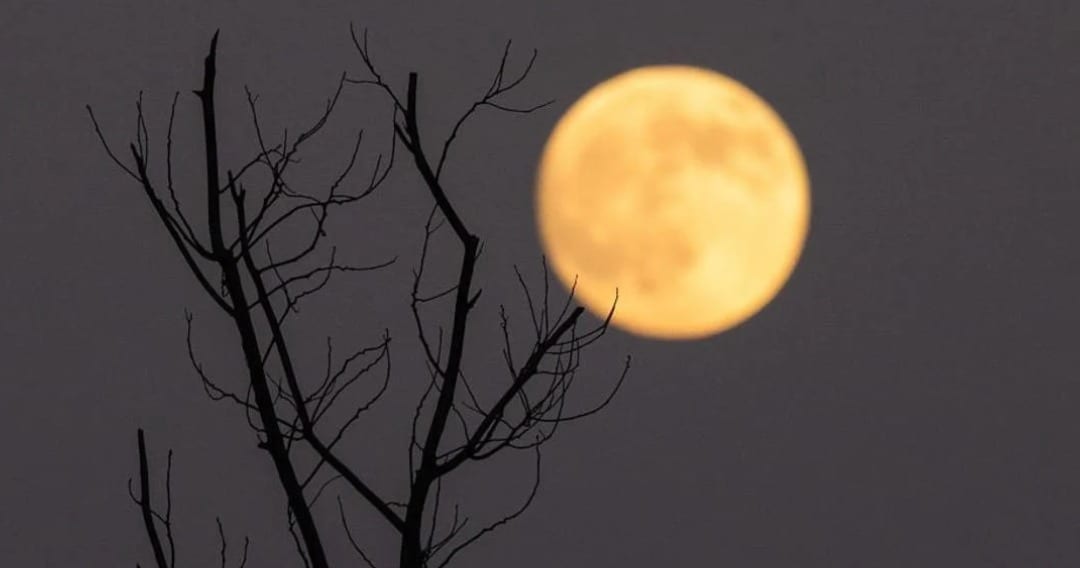
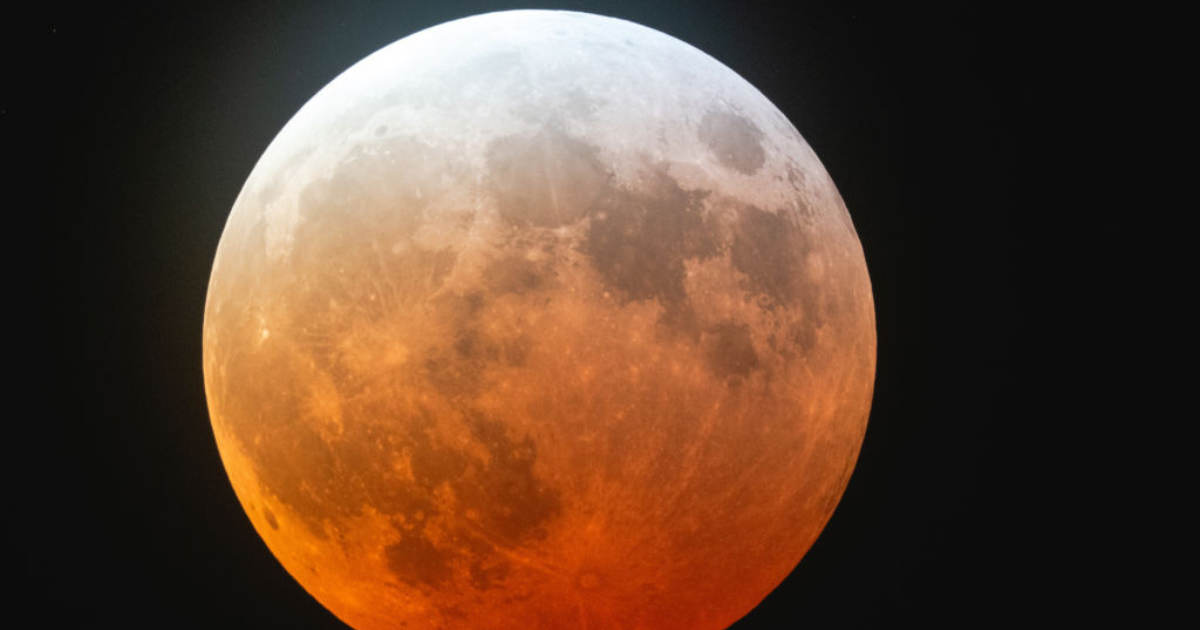
The dramatic 'Blood Worm Moon' is only a few days away and will be the last total lunar eclipse we will see anywhere on our planet until New Year’s Eve 2028. The eclipse on March 3, 2026, will last over 5 hours, with totality lasting nearly an hour from 11:04 UTC (6:04 am EST) to 12:03 UTC (7:03 am EST). And while it will be one of the most widely visible celestial events of the year, here are some tips that can enhance the experience for skywatchers around the world.
Tips for Viewing
As it is a lunar eclipse and not a solar eclipse, you do not need any protective gear or eclipse glasses to observe the red Moon. Here are a few viewing tips to enhance your experience:
1. Check local time: Use TimeandDate to get the exact timing of the eclipse in your city and prepare accordingly.
2. Dark viewing spots: Head to a dark viewing spot away from the city lights, which will allow you to see the Moon's red hue in its full glory.
3. Either stay up or wake up early: Depending on where you live, you might have to pull an all-nighter or be an early bird. But it's all going to be worth the trouble.
4. Optical Aid: Binoculars and a telescope will enhance the viewing experience by allowing you to spot the nuances of the moon, enhancing its reddish glow.
5. Photograph the glorious Moon: The Blood Moon is always a sight to behold, so make sure you have your camera handy. A tripod will make things much easier.
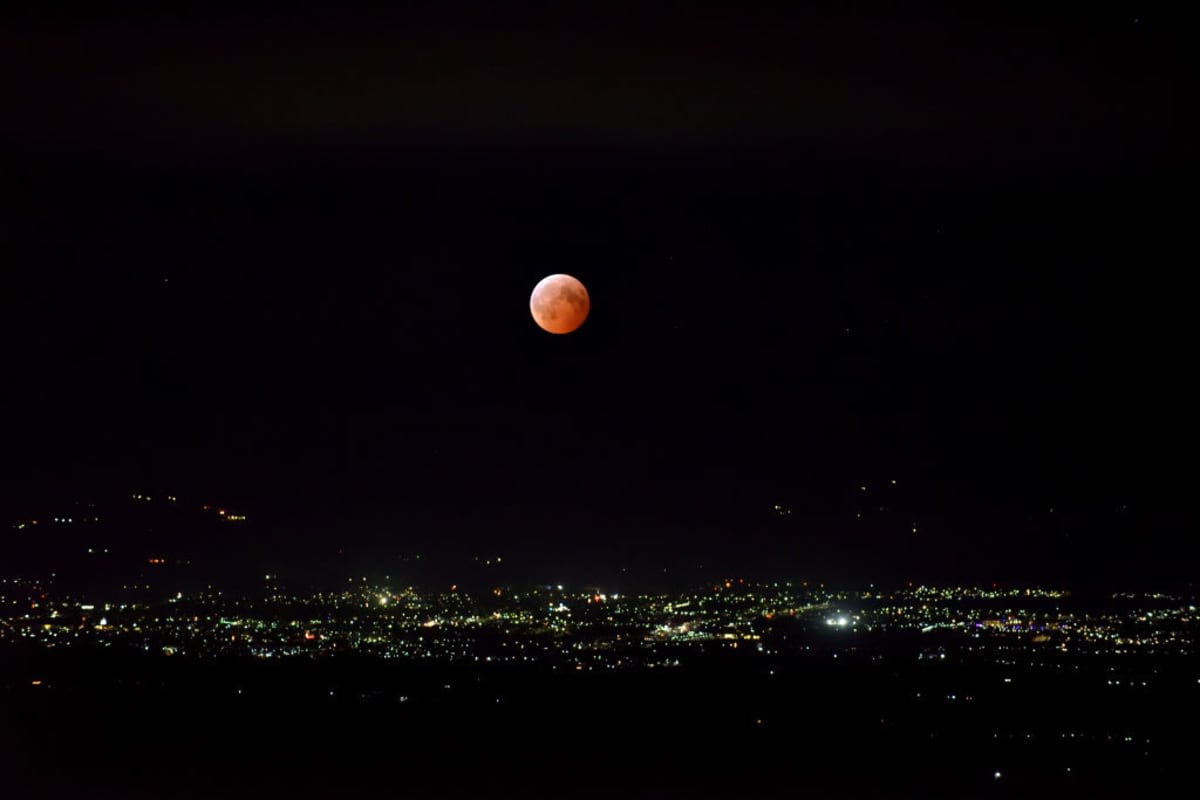
Location-based Visibility
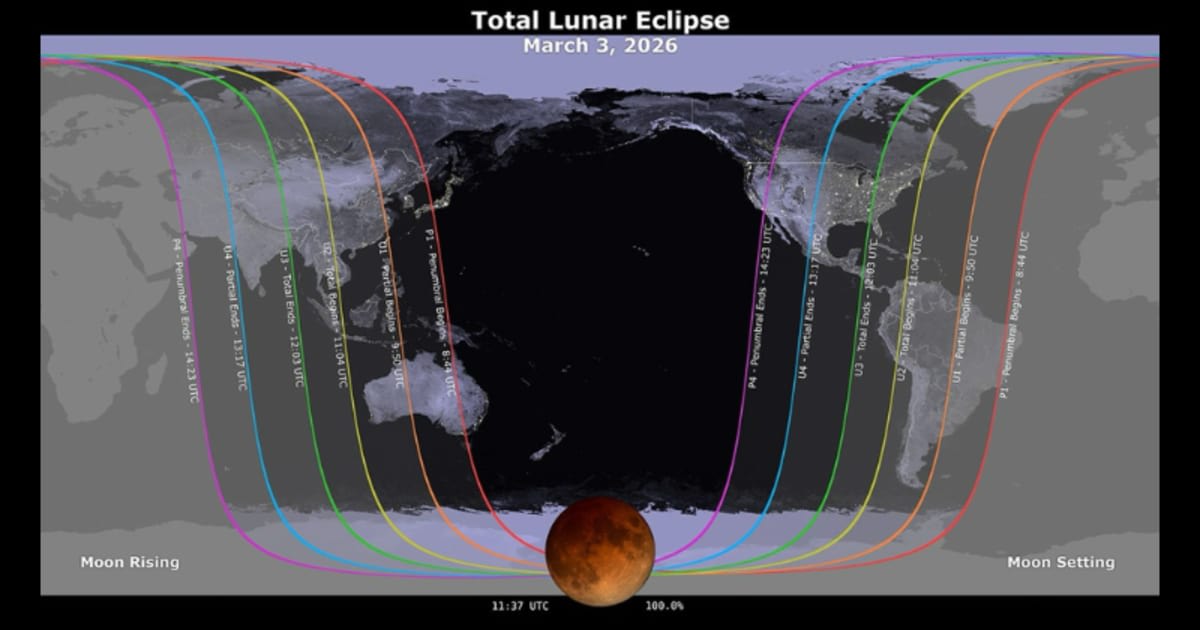
NASA's total lunar eclipse visibility map shows that the area of visibility will shift westwards as the eclipse progresses. Viewers in eastern Asia and Australia will be able to see the eclipse in the evening, while those in North and Central America will have to get up early in the morning. While Central Asia and parts of South America will have a partial eclipse, Africa and Europe will be completely deprived. Below is a more specific list of places from where the eclipse can be viewed.
The USA
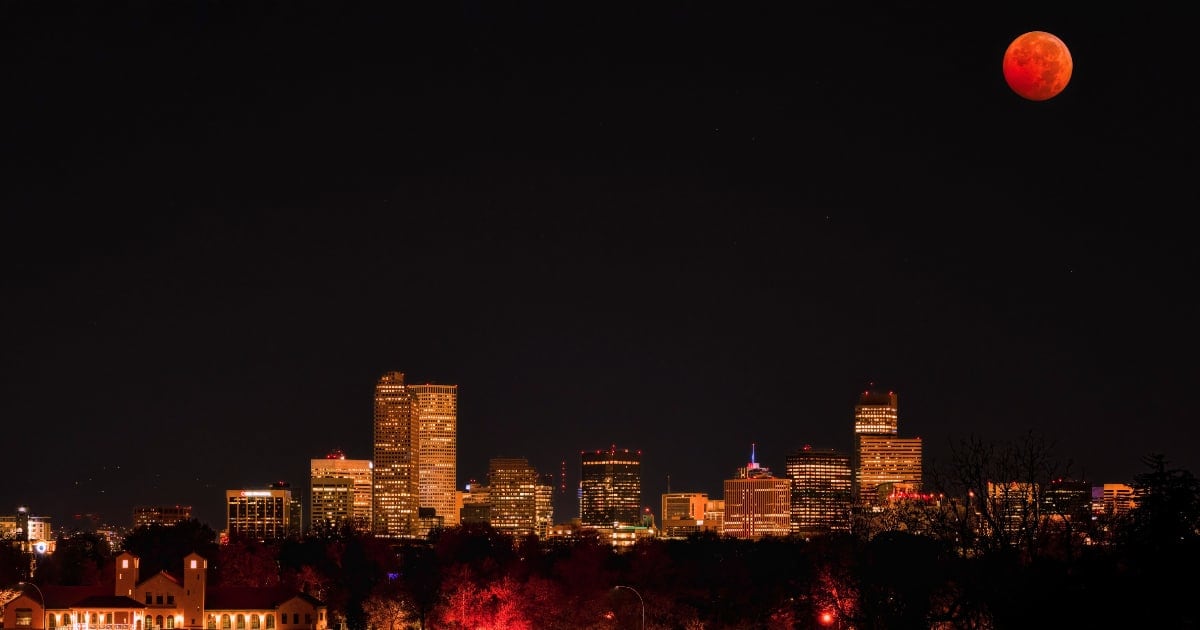
1. Philadelphia and Denver: Totality here will commence at 6:04 a.m., half an hour before the Sun rises. It will be wise to keep a pair of binoculars handy as the Moon will grow pale as it sets. In Denver, viewers will see the Blood Moon shine in totality, unaffected by twilight.
2. Cities on the West Coast: From here, observers will have the clearest view of this lunar eclipse. In fact, it will still be early twilight by the time the partial eclipse ends at 5:18 am local time.
3. Grand Canyon National Park, Arizona: The Grand Canyon would be a perfect place to observe the Blood Moon, with the time of totality being 04:04-05:02 MST on March 3, 2026.
Australia
1. Sydney: Totality will begin at around 10:04 pm local time here and will end at 11:02 pm. So, there's no need to stay up or wake up early to view the event.
2. Perth: Totality here will last from 7:04 pm local time to 8:02 pm.
3. Brisbane: The totality here will start at 9:04 pm local time and end at 10:02 pm.
4. Darwin: The lunar eclipse will be in totality here from 8:34 pm local time to 9:32 pm.
Asia
1. Tokyo: Observers all across Japan will get to see the total eclipse in its entirety, with totality in Tokyo beginning at 8:04 pm local time and ending at 9:02 pm. The timings will be the same for Osaka as well.
2. Shanghai: Skywatchers here will be able to experience totality between 7:04 pm local time and 8:02 pm.
3. India: Only a few cities in this country will have a clear view of the total lunar eclipse. In Arunachal Pradesh, Assam, andthe Andaman and Nicobar Islands, the totality will begin around 5 pm local time and conclude at 5:32 pm.
More on Starlust
NASA's top skywatching events for 2026: Total lunar eclipse, Perseid meteor shower and more
March 2026 'Blood Moon': Everything you need to know about the upcoming total lunar eclipse