What really happens to satellites after they die? Explained
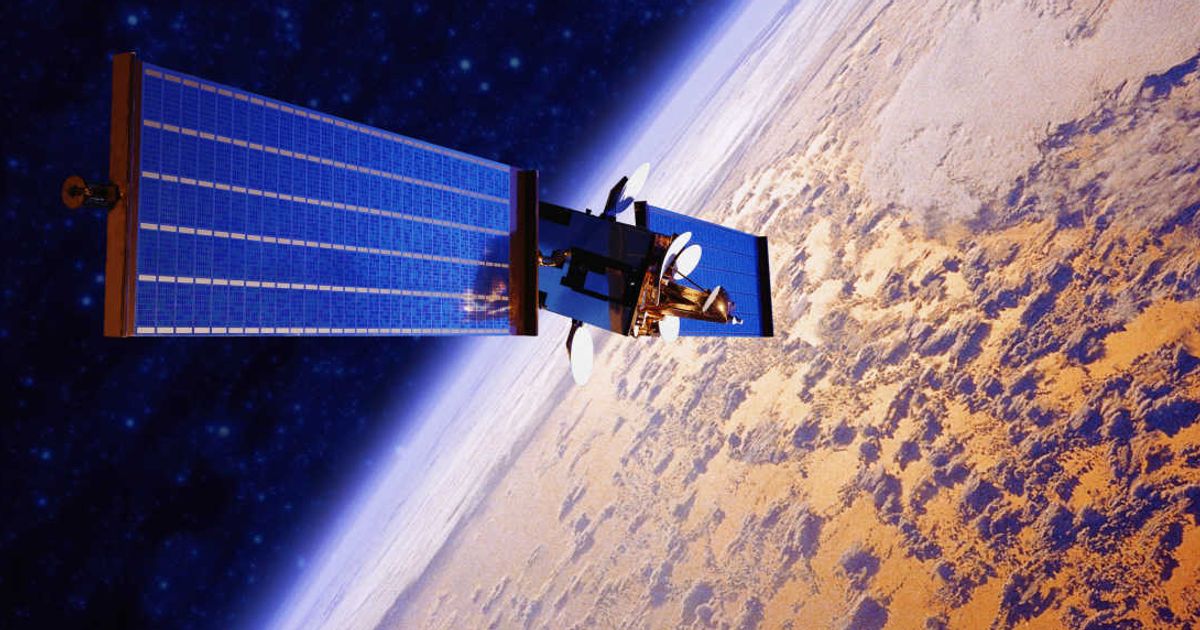
Every satellite orbiting the Earth has an expiry date. Whether they are used for tracking, monitoring, navigating, or exploring, all satellites eventually reach the end of their lifecycle. According to recent reports, there are over 15,000 active and inactive satellites orbiting the Earth. Most of these satellites operate in Low Earth Orbit (LEO), which extends up to an altitude of 2,000 km above the Earth’s surface. Hundreds of others, meanwhile, operate in Geostationary Earth Orbit (GEO), which is at a specific altitude of 35,786 km above the Earth’s equator.

LEO satellites vs. GEO satellites
Satellites operating in the LEO belt are best used to produce high-resolution, detailed images or data of Earth’s climate, weather changes, and natural disasters such as floods and hurricanes. Their closeness to Earth and consequent low latency also makes them ideal for real-time communications, whether for facilitating phone calls or online meetings. One of the biggest advantages of using LEO satellites is that they are cost-effective—due to their shorter distance from the surface, they require significantly less fuel to put into orbit. Interestingly, however, though cheaper to launch, LEO satellites actually travel much faster than those in GEO to counteract Earth's stronger gravitational pull at that altitude. That said, the LEO belt has also been experiencing challenges of late due to overcrowding from mega constellation launches. These risks involve the chance of collision with orbiting space debris and difficulty in managing radio frequency interference.
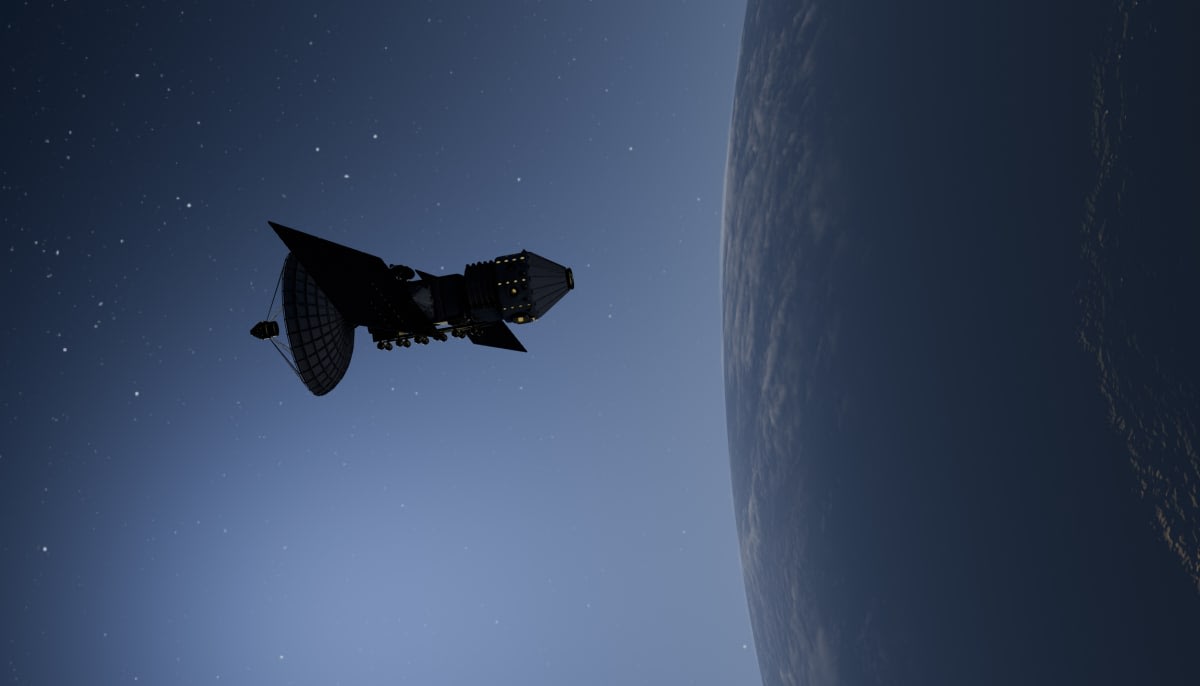
Meanwhile, in the GEO belt, satellites orbit at the exact same rotational period as Earth, which means they are effectively positioned above a single, fixed point on the ground. Due to this stationary position relative to Earth's surface, these satellites can continuously gather information with minimal risk of losing signals, and they can be monitored 24/7 as well. Consequently, these satellites are used for broadcasting live television, international communications, as well as military surveillance. The GEO belt, too, has its own set of challenges, including but not limited to communication delays caused by their high altitude, and increasing risks of collision as more and more satellites are launched into GEO.
Designing for the end of the mission
While satellites have different missions and destinations, like any other machine, they also have to retire at the end of their mission. Sometimes, these satellites also need to be removed from orbit prematurely due to various factors such as fuel depletion, mechanical wear and tear, collision with space debris, or degradation of solar panels. But what happens after a satellite dies? They cannot be left floating in space forever to generate more space debris or interfere with active satellite operations.
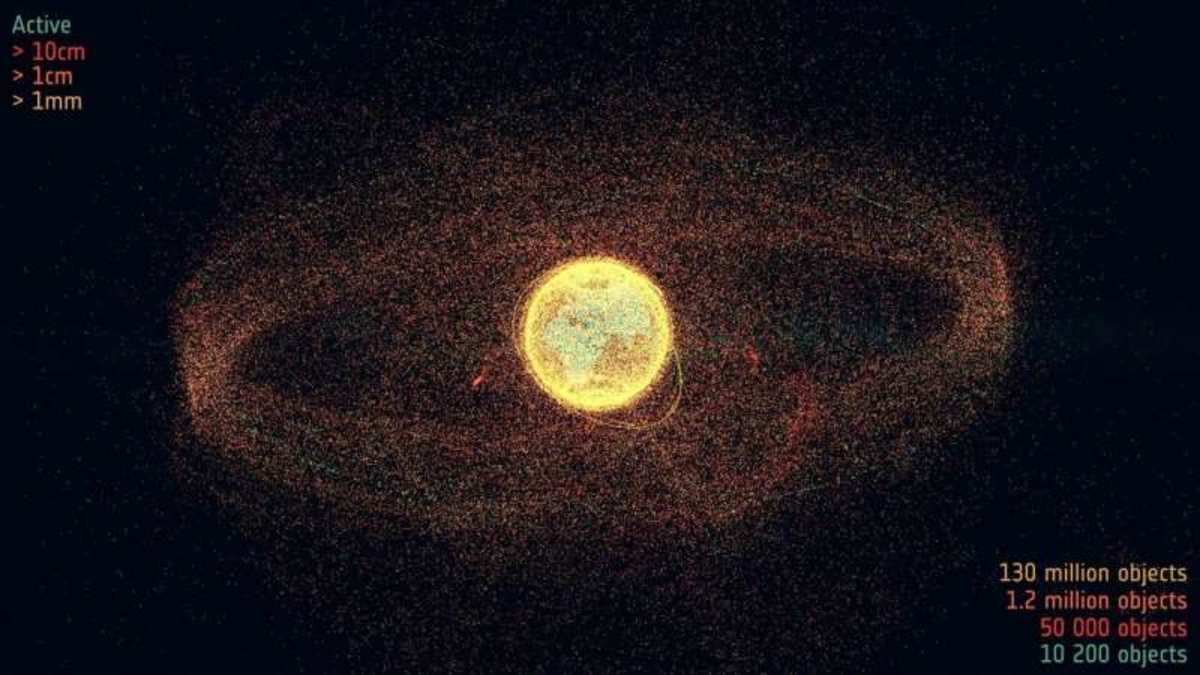
Spacecraft engineers start planning the answer to this question even before a satellite is built. According to a NASA report, spacecraft mission designers must consider disposal strategies during the earliest stages of designing a satellite. For the same, engineers are required to choose a baseline method of disposal, which becomes an important factor in completing the remainder of the satellite's design. As the design of the satellite progresses, the risks of bringing the satellite back to the ground are evaluated, and the baseline method can be altered if required. “Early consideration of the end of mission disposal is among the most effective ways to minimize the growth of orbital debris, to the benefit of all missions,” the report highlighted. The United Nations Office for Outer Space Affairs, in its Inter-Agency Space Debris Coordination Committee (IADC) review, also states that space debris mitigation recommendations must be considered during the planning, designing, and operation of satellites.
Two ways to dispose of satellites
When a satellite is at the end of its life, engineers not only retire them but also try to remove them quickly from active orbital slots to minimize the risk of accidents. In its report, NASA noted that an object as small as 1 cm left in space can lead to more debris generation and increasing chances of collisions. To prevent this, two methods can be used to dispose of satellites, depending on the region in which they operate.

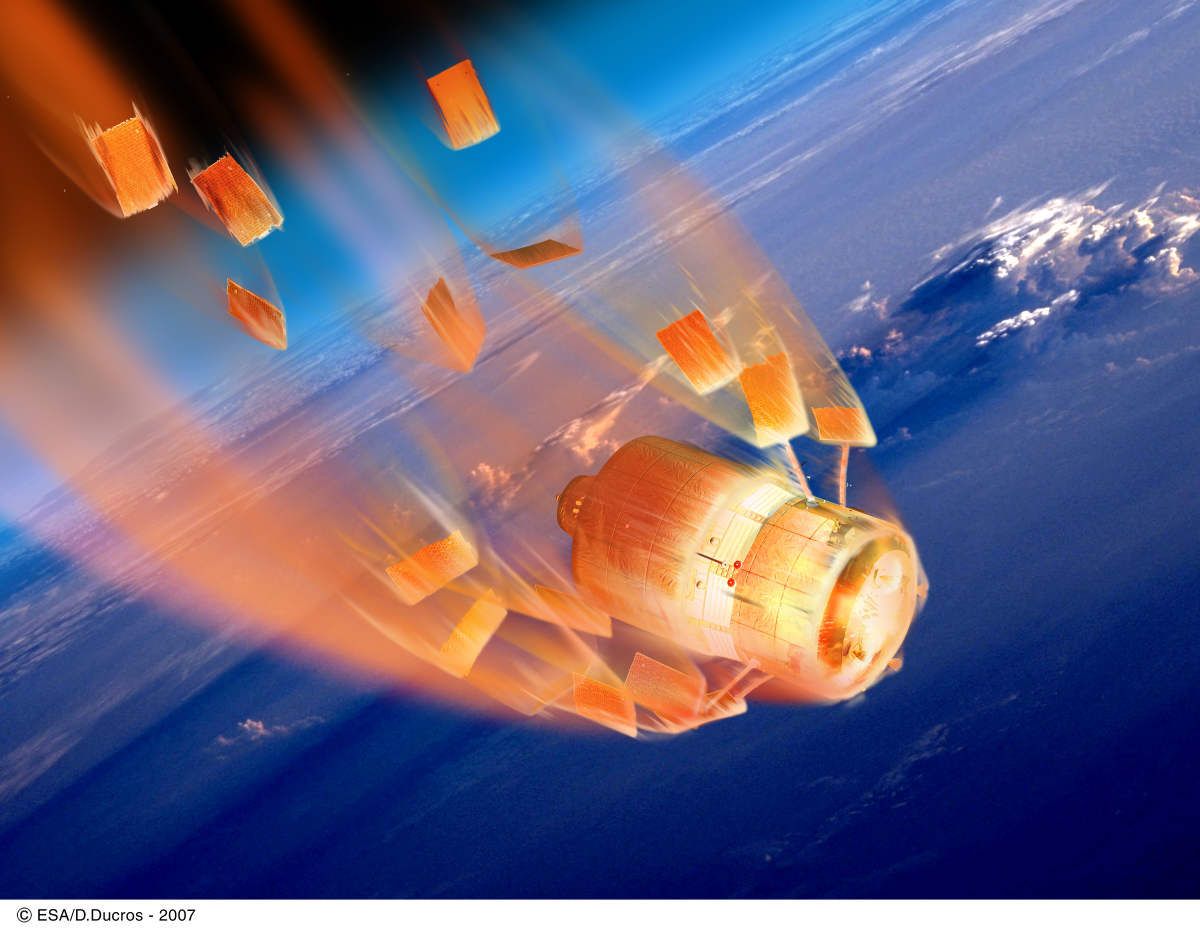
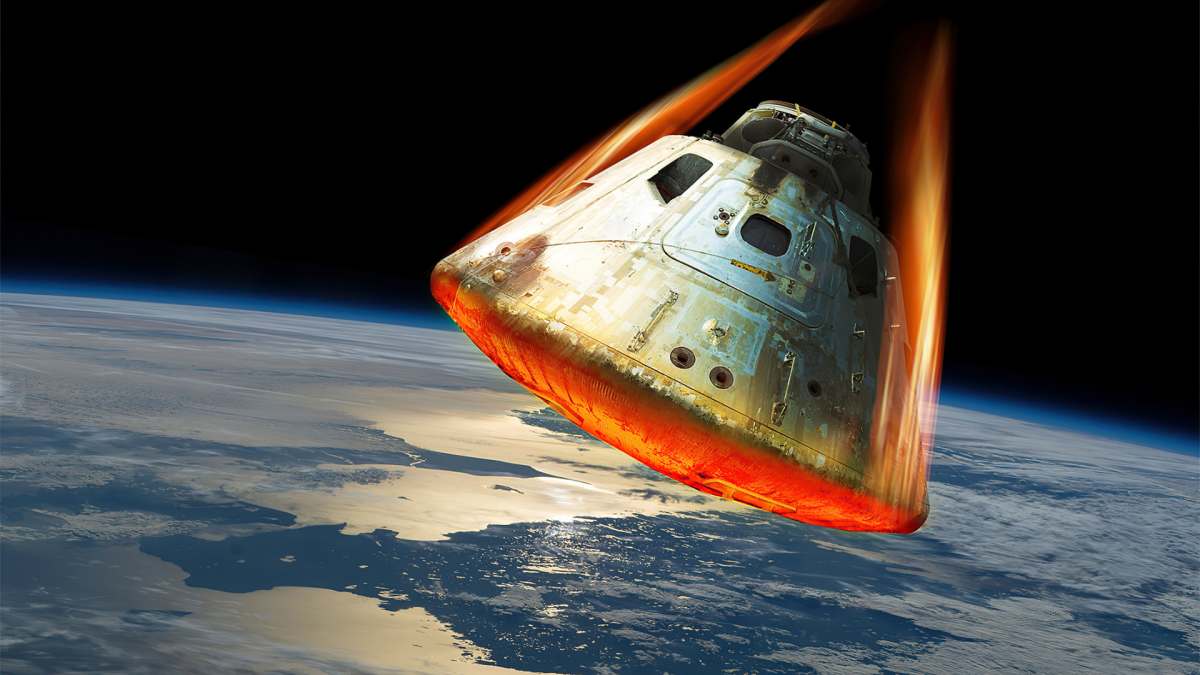
Controlled reentry: For satellites operating in LEO, the most preferred way to remove them from space is controlled reentry because of their proximity to the Earth’s surface. In this method, scientists can precisely plan and guide the return of the satellite. When the satellite enters the atmosphere, it experiences drag due to atmospheric gases. This drag gradually slows down the satellite, causing it to lose altitude and encounter further drag as the atmosphere gets denser. Eventually, this leads the spacecraft to burn up due to extreme heat and friction.
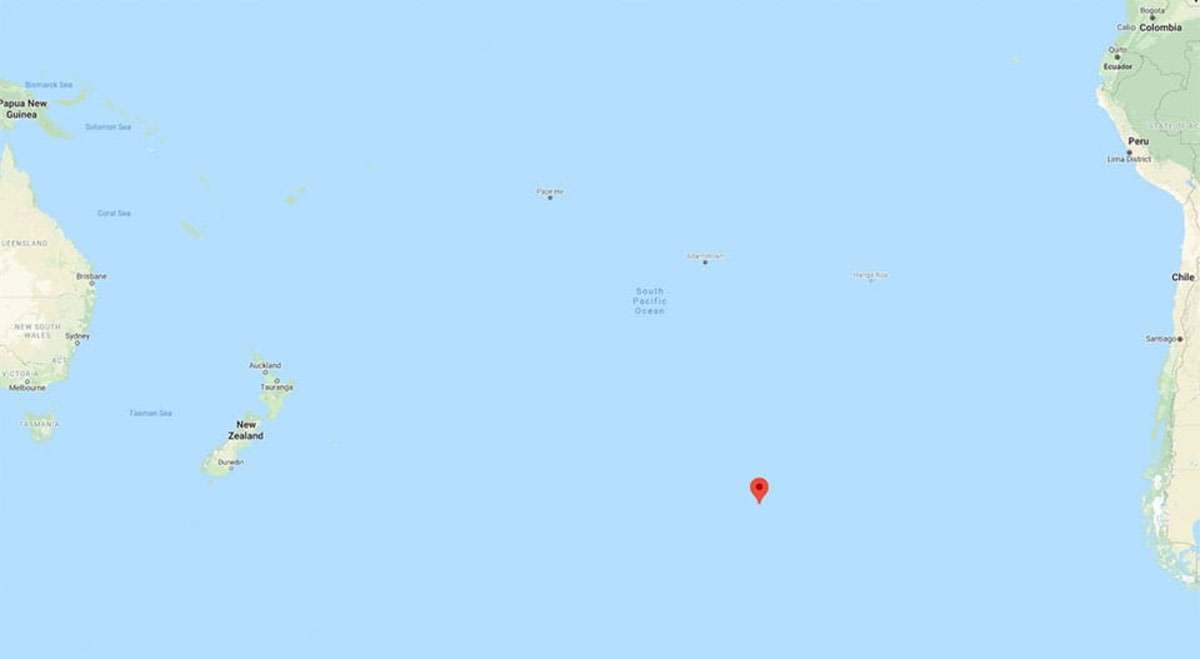
As the name suggests, engineers not only guide the satellite back to the Earth’s atmosphere but also control where the remaining debris could fall. In controlled reentry, debris is commonly aimed to fall into the South Pacific Ocean Uninhabited Area (SPOUA), also known as Point Nemo. Point Nemo is the point in the ocean farthest from any landmass on Earth, and reportedly, since 1971, more than 260 satellites have fallen into this region.
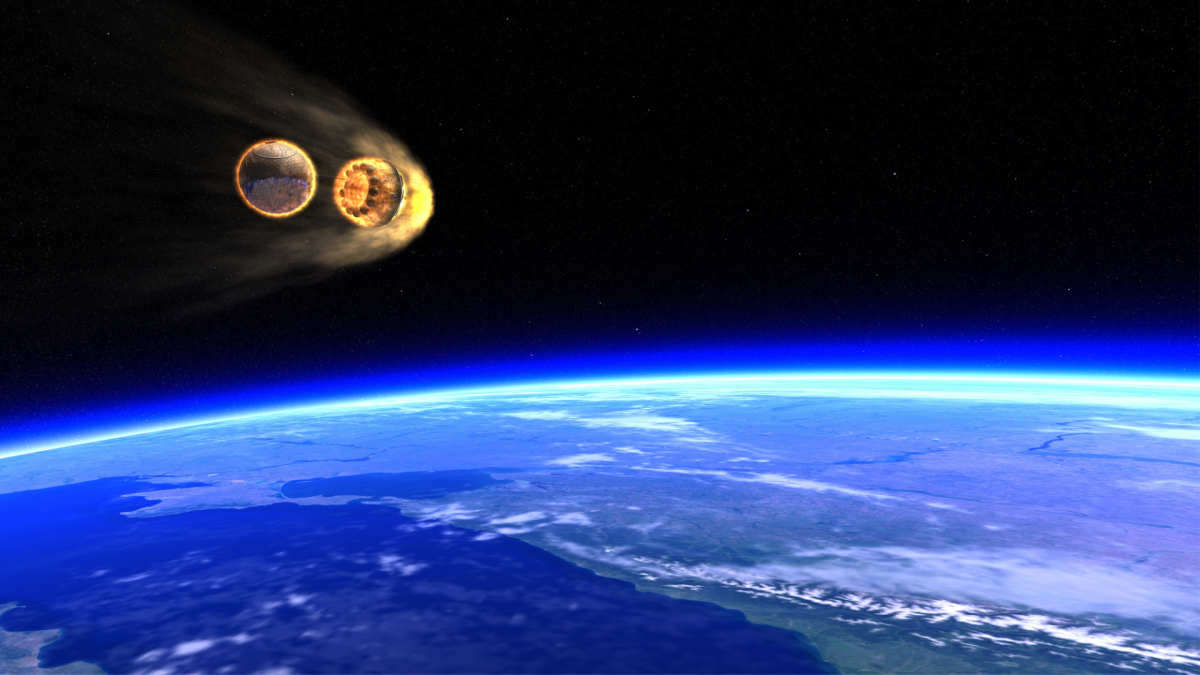
For successful reentry, accuracy is everything. When a satellite is guided back, it needs to hit the Earth’s atmosphere at a very precise speed and angle. A typical satellite in LEO travels at a speed of about 7.5 to 8 km/s. Unlike returning crewed spacecraft, standard LEO satellites do not have heat shields as they are designed to break apart and burn up in Earth's atmosphere. However, the precise angle of re-entry (often a shallow -1.5 degrees) is critical for controlling where the satellite breaks up. If the entry angle is too steep, the area over which debris could fall shrinks, but the mechanical stress of reentry might shatter the satellite prematurely. On the other hand, if the angle is too shallow, the satellite might "skip" off the upper atmosphere or burn up unpredictably, resulting in surviving debris entirely missing the planned landing zone.
However, not all satellites can be brought back using this method. Satellites in higher belts such as GEO would require massive amounts of fuel, stronger propulsion systems, and continuous tracking until the satellite entered the Earth’s atmosphere safely. This entire process would be rather expensive compared to satellites in lower orbits.
Graveyard orbit: Not all satellites are destined to return, and some are buried in empty space. Unlike LEO satellites, the easiest way to dispose of satellites in the GEO belt is by guiding them into a graveyard orbit. This 'graveyard orbit' is just above the GEO belt, and serves as a parking zone for inactive satellites. The IADC recommends raising GEO satellites at least 300 km above the geosynchronous altitude of 35,786 km. As per reports, the exact minimal disposal altitude is calculated with a formula that includes the spacecraft’s area-to-mass ratio and the effects of solar radiation pressure.
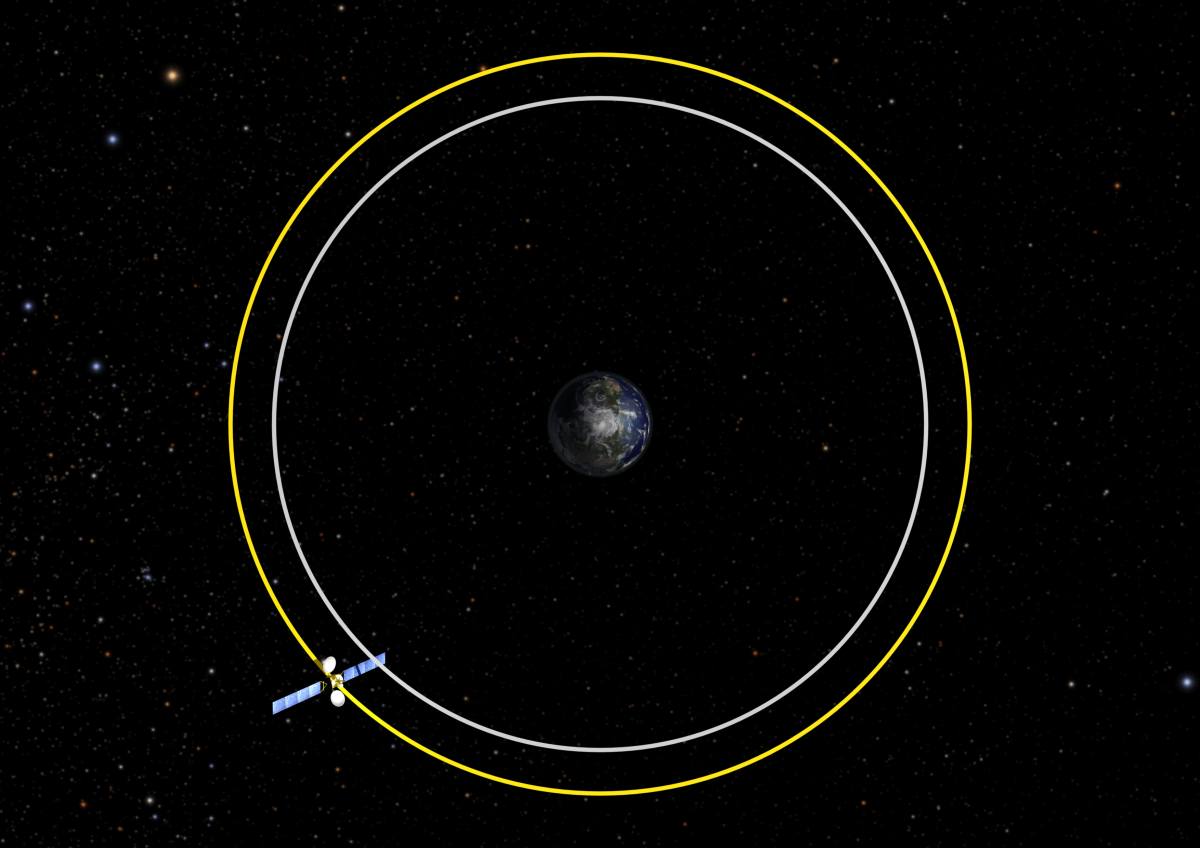
Despite how complex it sounds, mechanics of guiding GEO satellites to a graveyard orbit are relatively simple, and a series of small thruster burns over the satellite’s final days are typically all it takes. Compared to bringing GEO satellites back to Earth, guiding a satellite to the graveyard orbit requires very little energy, making it incredibly cost-effective. Once the satellite enters the graveyard orbit, it is 'passivated' or shut down safely. For this procedure, any stored energy—such as residual fuel or pressurized battery cells—is fully depleted to reduce the risk of future explosions in space. It then stays in the graveyard orbit for thousands of years.
What happens when a satellite burns up?
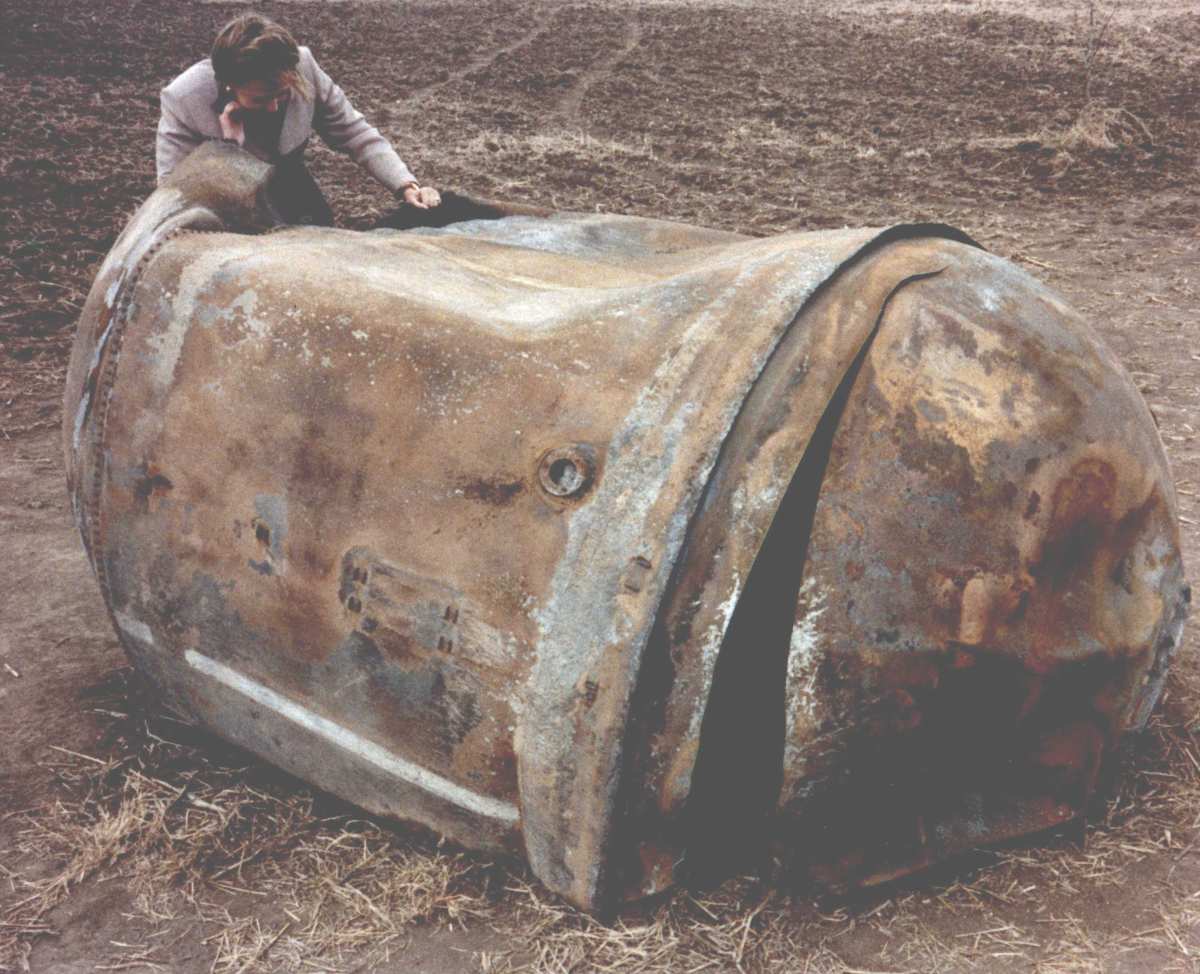
During controlled and uncontrolled reentry, when the satellites enter the Earth’s atmosphere at speeds exceeding 17,500 miles per hour, air compression ahead of the object generates extreme heat, and it is expected to burn up the satellite. However, not all components completely vaporize. Components built using materials with exceptionally high melting points (well over 1,000°C), such as titanium and stainless steel fuel tanks, frequently survive the reentry, while other components made from aluminum and composites, such as solar panels and antennae, get vaporized.
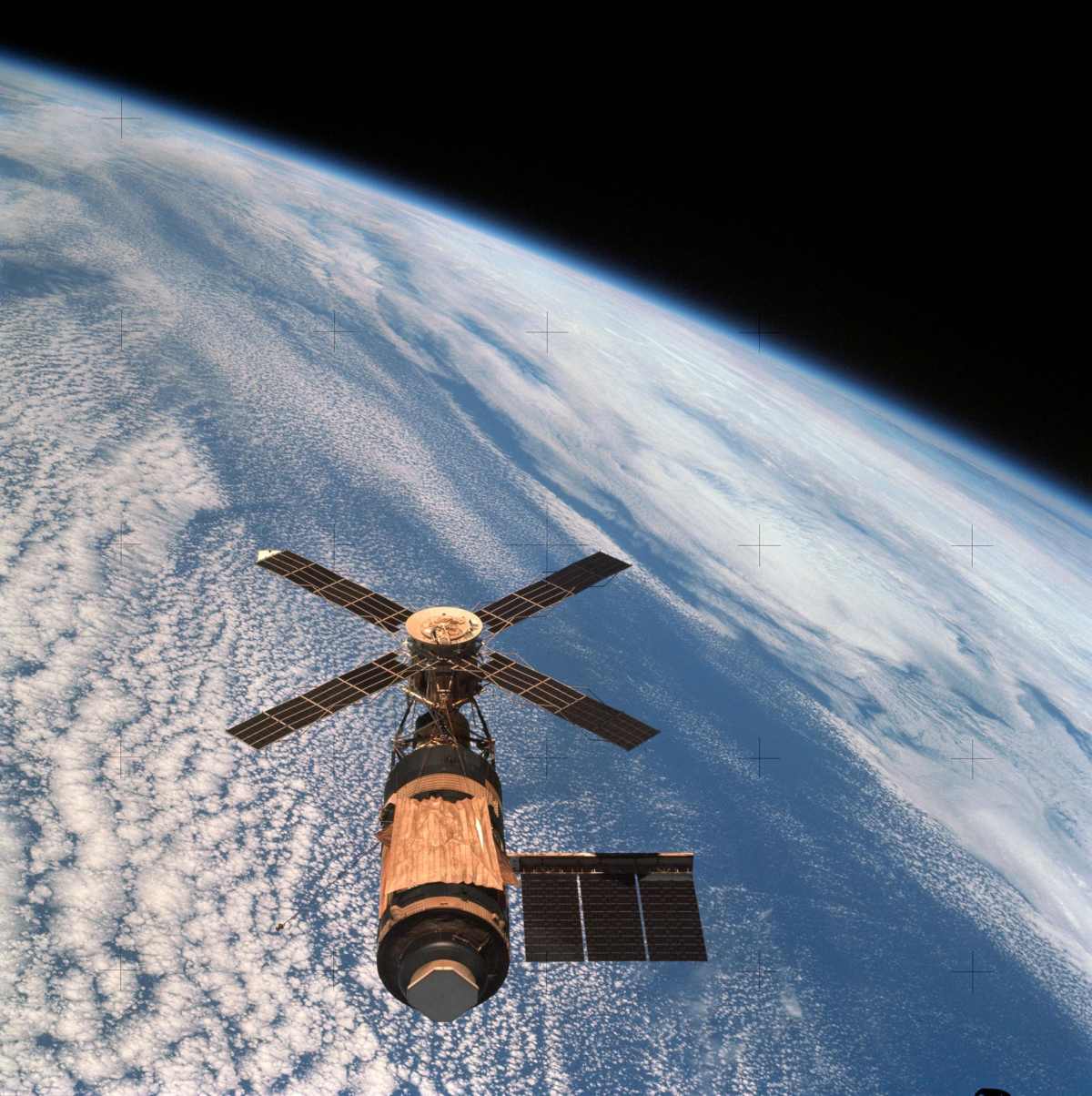
NASA’s Skylab station remains one of the classic examples of spacecraft components surviving reentry. In 1973, NASA launched its space station and expected it to remain in space for a decade. However, due to extreme solar activity, the Earth's atmosphere expanded outward, significantly increasing the drag on the station, and by mid-1979, Skylab was ready to come down. While NASA officials didn’t have complete control over the situation, they were able to somewhat influence how Skylab landed. During the reentry, most debris vaporized, but on July 19, 1979, some large chunks of it reached the Indian Ocean and Western Australia. While there wasn’t much damage caused, the Australian town of Esperance fined NASA $400 for littering, which the space agency did not initially pay.
When a situation occurs where engineers don’t guide the spacecraft to return, or some factors lead to mission failure creating drag, it is classified as an uncontrolled reentry. Approximately 10-40% of a satellite survives during these reentries, depending on the materials used in building the spacecraft, as noted in an Aerospace Corporation report.
Another question that is worth asking is how this incomplete satellite burning impacts human life and the environment. A study published on Geophysical Research Letters suggests that the burning of satellites at the end of their missions produces aluminum oxide as the main byproduct, which adds to the depletion of the stratosphere. Their investigation shows that the demise of a 250 kg satellite can produce 30 kg of aluminum oxide nanoparticles, which remain in the atmosphere for decades.
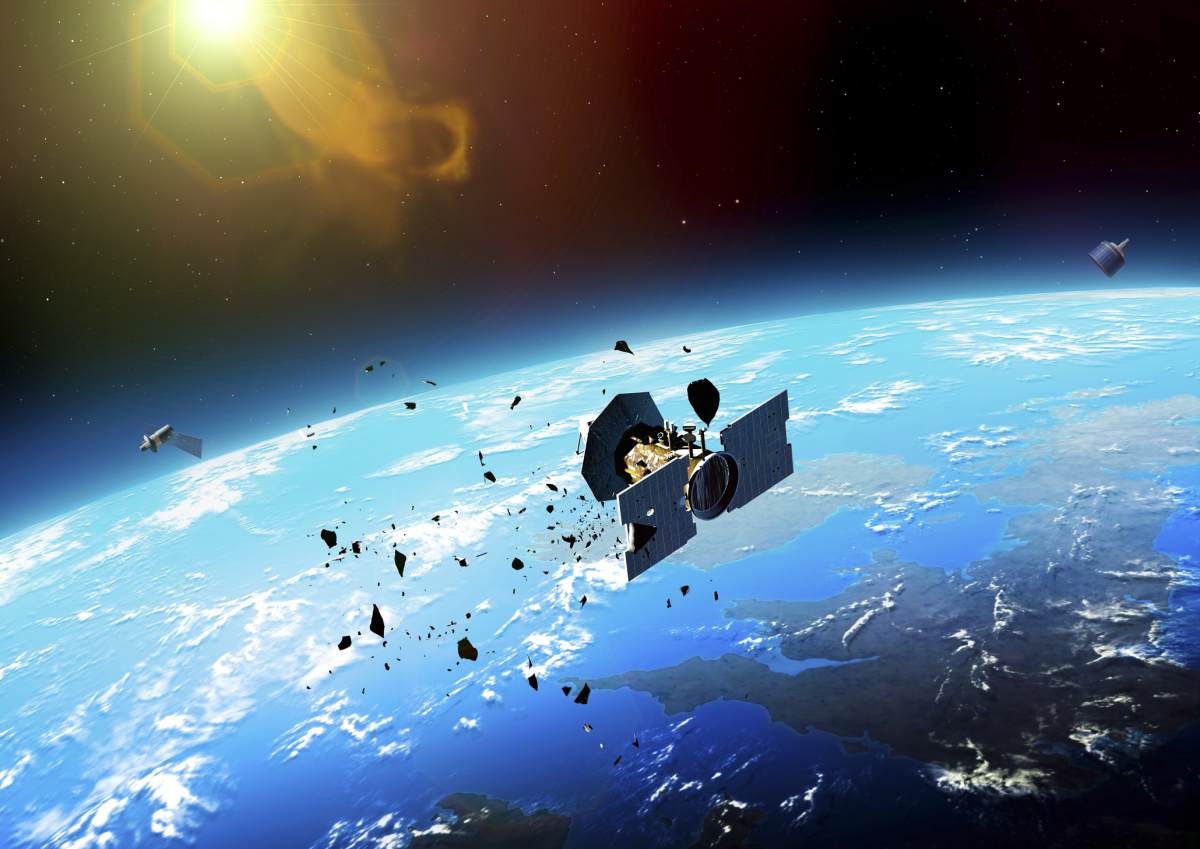
Can satellites be disposed of better?
Some studies have determined that satellites can be brought back more safely and efficiently. A report by the European Space Agency suggested a concept called “Design for Demise,” which focuses on making satellites safer when they reenter the atmosphere and ensuring that the components completely vaporize during the process without leaving any debris. The report highlights that due to an increase in space traffic, uncontrolled reentry has become a major concern.
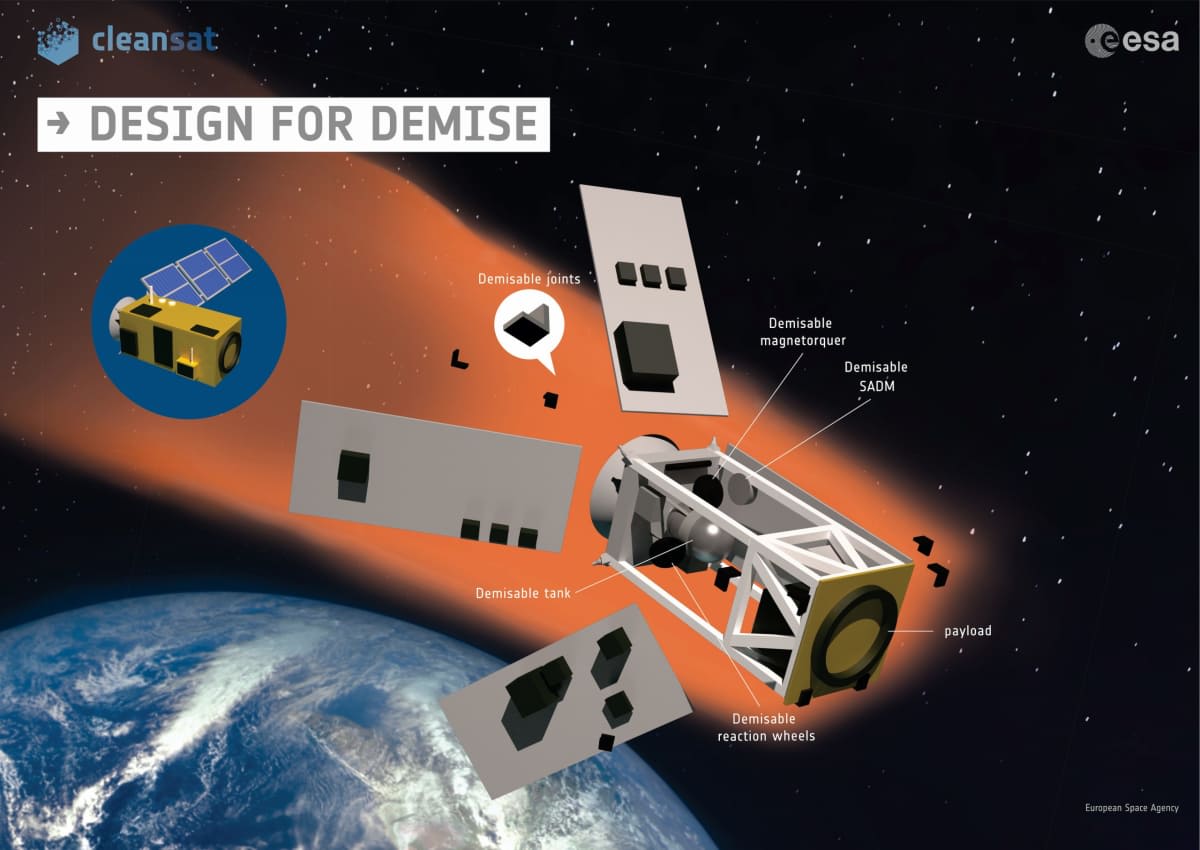
It recommends a semi-controlled reentry. In this approach, a satellite's orbit naturally decays at first, followed by a series of small, calculated maneuvers to lower its closest approach to Earth (perigee), ending with a final unguided descent within a predictable window of less than one orbit. Because this method takes place gradually, it can utilize highly efficient electric propulsion systems rather than heavy chemical rockets. These electric thrusters produce thousands of times less thrust than standard engines but dramatically reduce the fuel mass required. Overall, the study concluded that semi-controlled reentry is an effective way to reduce the risk of space debris while minimizing the impact on the design of the mission and reducing environmental impact.

End-of-life planning has become a critical factor in a satellite’s final journey before it is even built. With increasing space traffic, how satellites are disposed of will be as important as how they reach orbit in the first place.
More on Starlust
Mega-constellations of satellites could soon interfere with astronomical observations, warns study