NASA concerned after discovering mysterious new cloud of tiny space debris
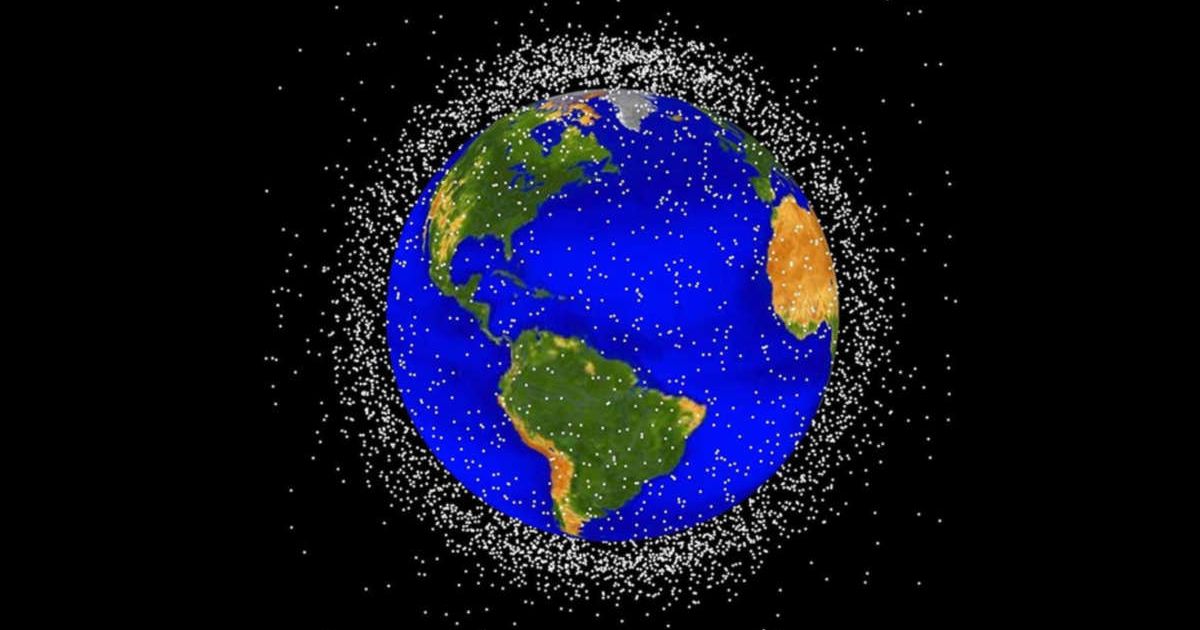
When we imagine the dangers of space, dramatic collisions between satellites or massive floating pieces of rocket debris often come to mind. But one of the greatest threats to spacecraft comes from fragments no larger than a few millimeters. NASA scientists have recently detected an unknown cloud of debris at an altitude below 310 miles, where such millimeter-sized fragments hover. The discovery is alarming because those fragments didn’t match the location or timing of any known satellite break-up or explosion. Assessing the risk from millimeter-sized orbital debris is necessary for the safe operation of space missions and reducing the generation of new debris, according to a recent report by NASA.
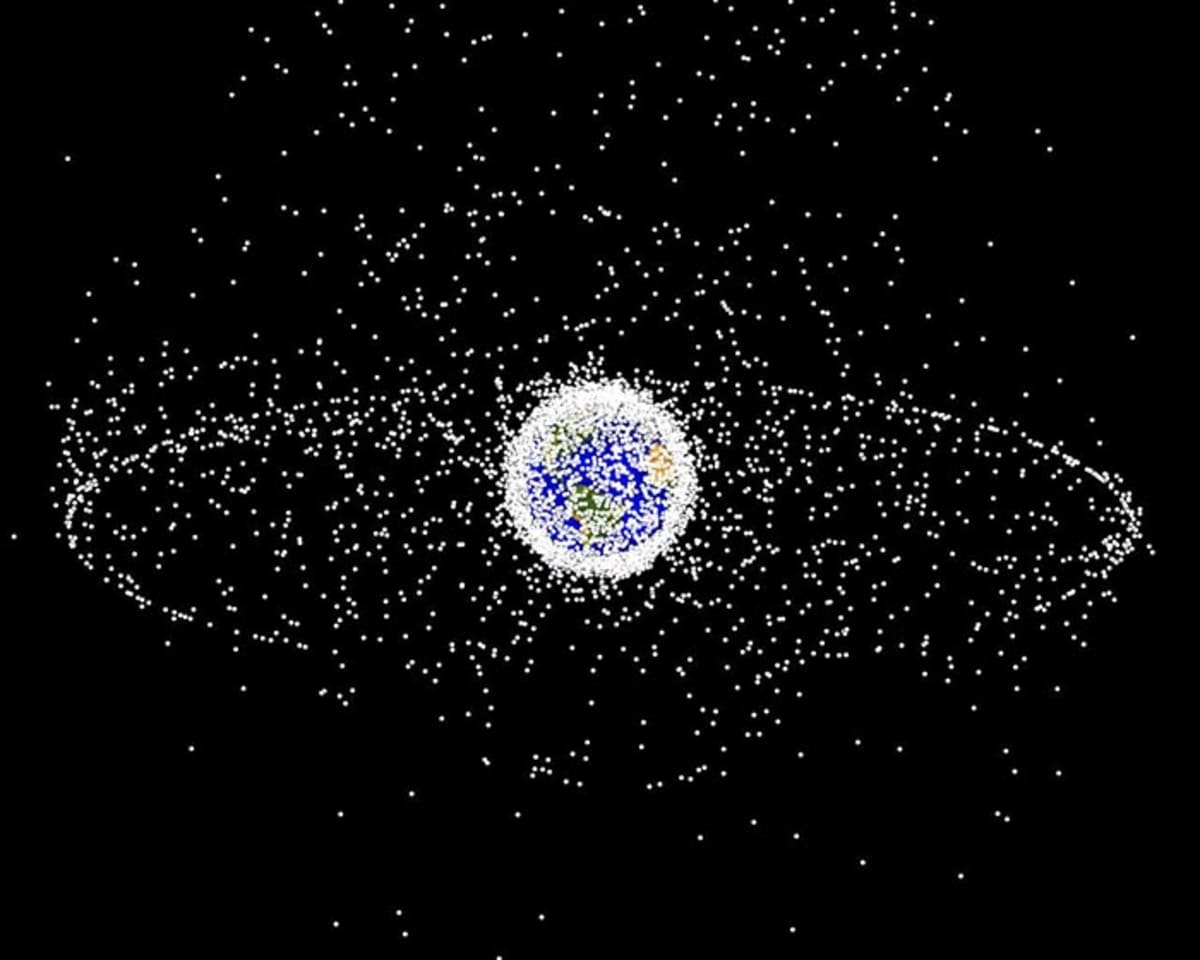
According to NASA's Orbital Debris Program Office (ODPO), millimeter-sized debris may not trigger catastrophic breakup events, but these small pieces still possess enough kinetic energy to puncture fuel tanks, damage batteries, and disable other critical systems, which could abruptly end multimillion-dollar space missions and leave a spacecraft drifting aimlessly in low Earth orbit. For NASA, the challenge is to track these invisible objects, which far outnumber larger, visible debris. Earth's orbital debris population follows a power-law distribution, meaning the smaller the debris, the more abundant it becomes. Scientists estimate there are around 100 million millimeter-sized fragments circling Earth, compared with approximately 50,000 larger objects that can be routinely tracked from the ground.
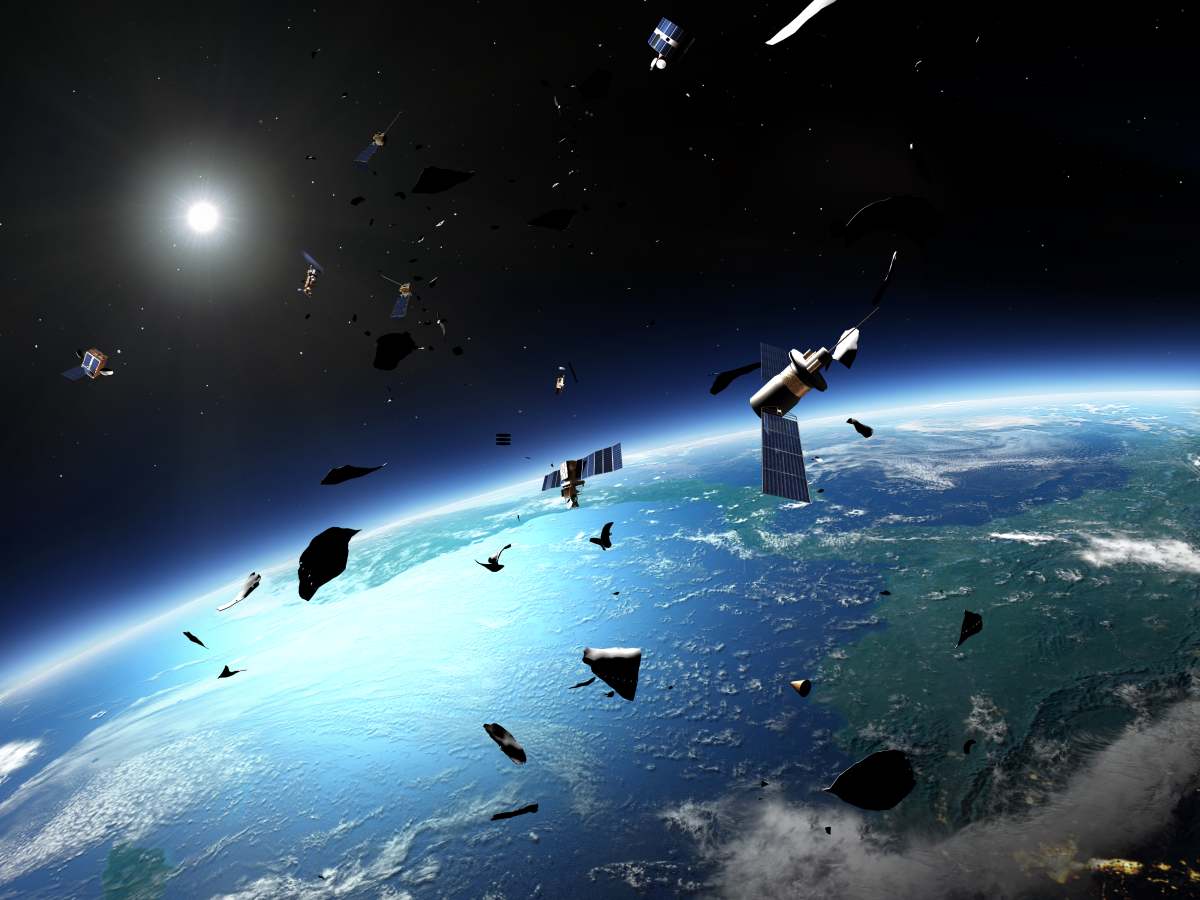
It is easy to steer satellites away from large, cataloged debris, but avoiding millions of tiny, invisible projectiles is virtually impossible. This invisible debris poses a constant threat to hundreds of spacecraft that occupy the space between 372 and 621 miles above Earth. Ground-based radar systems simply cannot detect every object this small. To eventually track this debris more accurately, NASA plans to deploy the Multi-layer Acoustic & Conductive-grid Sensor (MACS), jointly developed with the Japan Aerospace Exploration Agency (JAXA). Slated for a future launch to the International Space Station (ISS), this in-situ sensor will record impacts from millimeter-sized particles during its technology demonstration phase after leaving the station, providing researchers with the direct measurements needed to better understand this hidden environment.
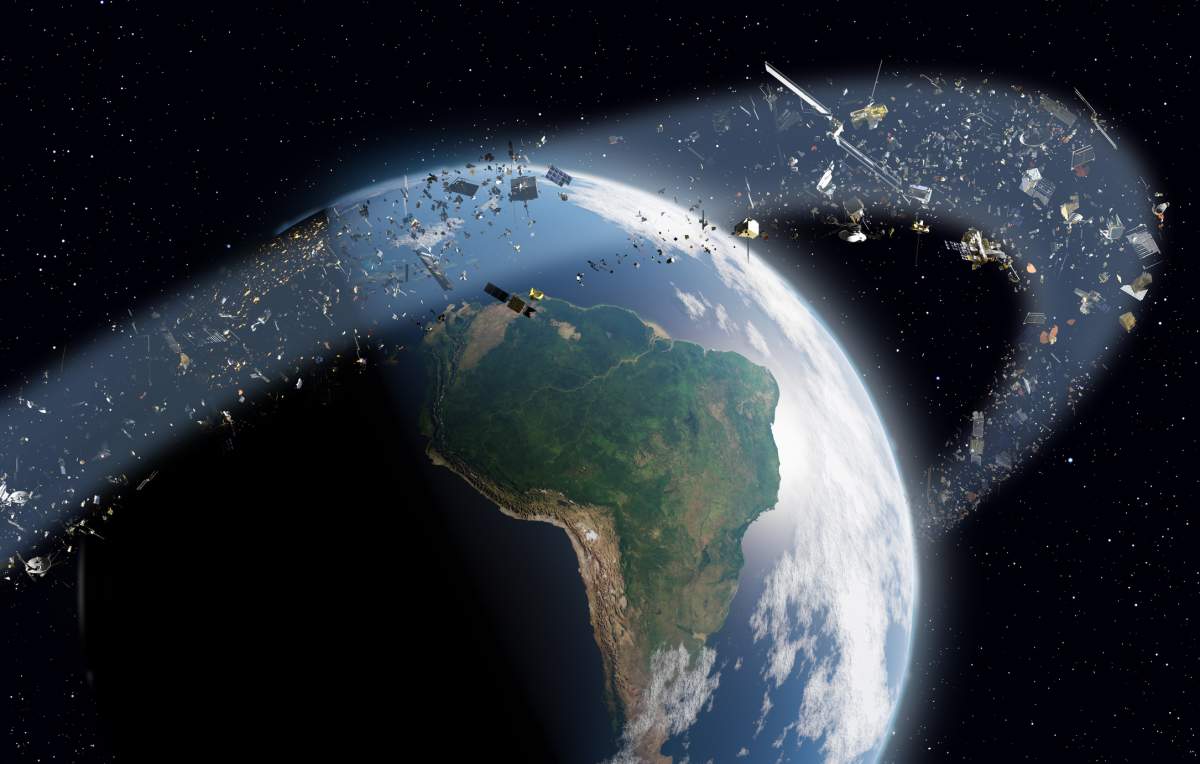
Until MACS is operational, monitoring efforts are spearheaded by two ground-based radars. One is the Haystack Ultrawideband Satellite Imaging Radar (HUSIR), operated by MIT Lincoln Laboratory, which routinely detects debris as small as 5–7 millimeters below a 621-mile altitude. The other is NASA's Goldstone Orbital Debris Radar, operated by the Jet Propulsion Laboratory, which pushes detection capability down to approximately 2–3 millimeters for lower-altitude objects. Both radars operate in a "beam park" or staring mode, generating beams that are fixed in space, and waiting for debris to pass through them to make a detection. Each passing object provides a brief glimpse—its distance, speed, and approximate orbit.
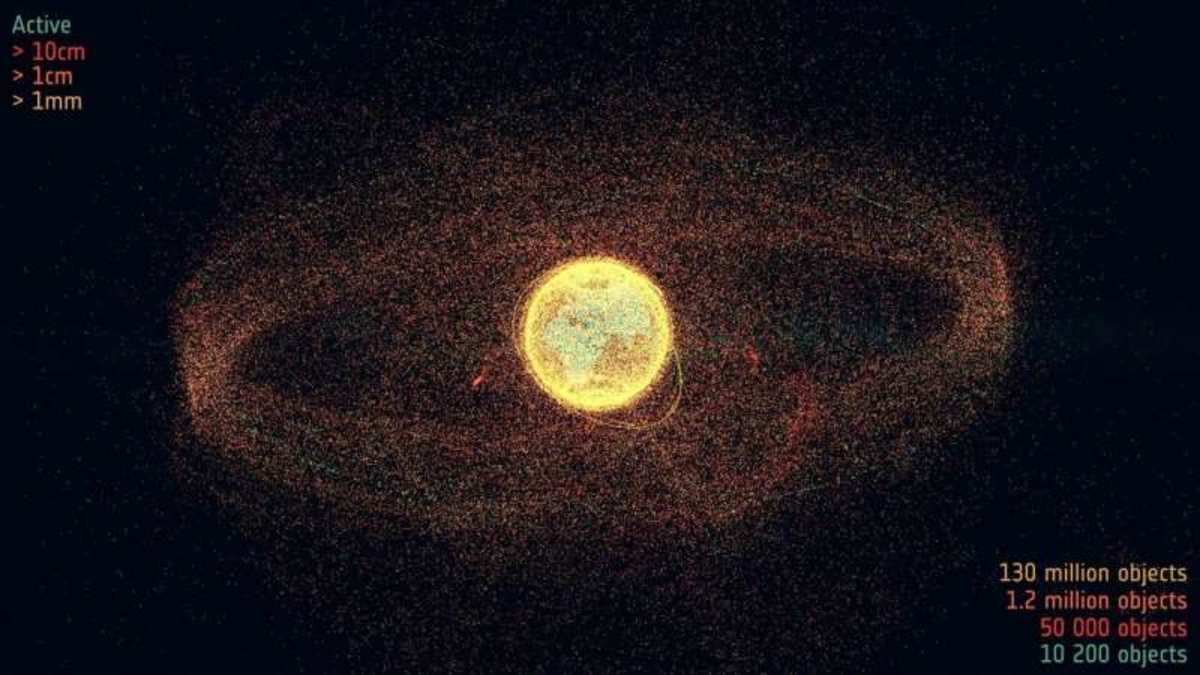
By mid-2024, it was HUSIR that detected the previously unknown cloud of debris below a 310-mile altitude near an orbital inclination of 88 degrees. Because the cloud has persisted through 2025, researchers suspect it may have originated from a low-velocity shedding event—a process in which material gradually separates from a spacecraft without it breaking up into pieces. However, despite two years having passed since its detection, the exact source of this debris cloud is still under investigation. The August 2024 breakup of the Chinese's space agency's Long March 6A rocket's upper stage is believed to have created another cloud of debris, with 2025 data pointing to the same, as per NASA. However, data from the time of the event is still under investigation to try and characterize this cloud better.

That said, between 2021 and 2025, there was a small decrease in the amount of 6 millimeter to 1 centimeter-sized debris in altitudes between 434 and 466 miles. This drop, as per NASA, could potentially be linked to the increased activity of the Sun that we're observing in Solar Cycle 25, which can expand the Earth's atmosphere and increase drag on debris. The space agency's report also notes that while a cyclical decrease may be seen in certain altitudes due to such solar activity, other regions and orbital routes that see heavy traffic have also seen increases in the amount of debris passing through. Constant monitoring, therefore, remains key in identifying small pieces of debris and minimizing the risk they pose to spacecraft.
More on Starlust:
Which country is contributing to space debris the most? The numbers may surprise you